Here’s the scoop: you can use boxwoods in so many ways, no matter your yard, your skills, or your wallet.
Check out these 18 boxwood ideas—they’ll help you add structure, a hint of fragrance, and that lush green that sticks around all year. No drama, just simple stuff. Neat hedges? Playful topiary? Cozy pots on the patio? All here.
Flip through these creative options and you’ll probably get a spark for your own garden plans.
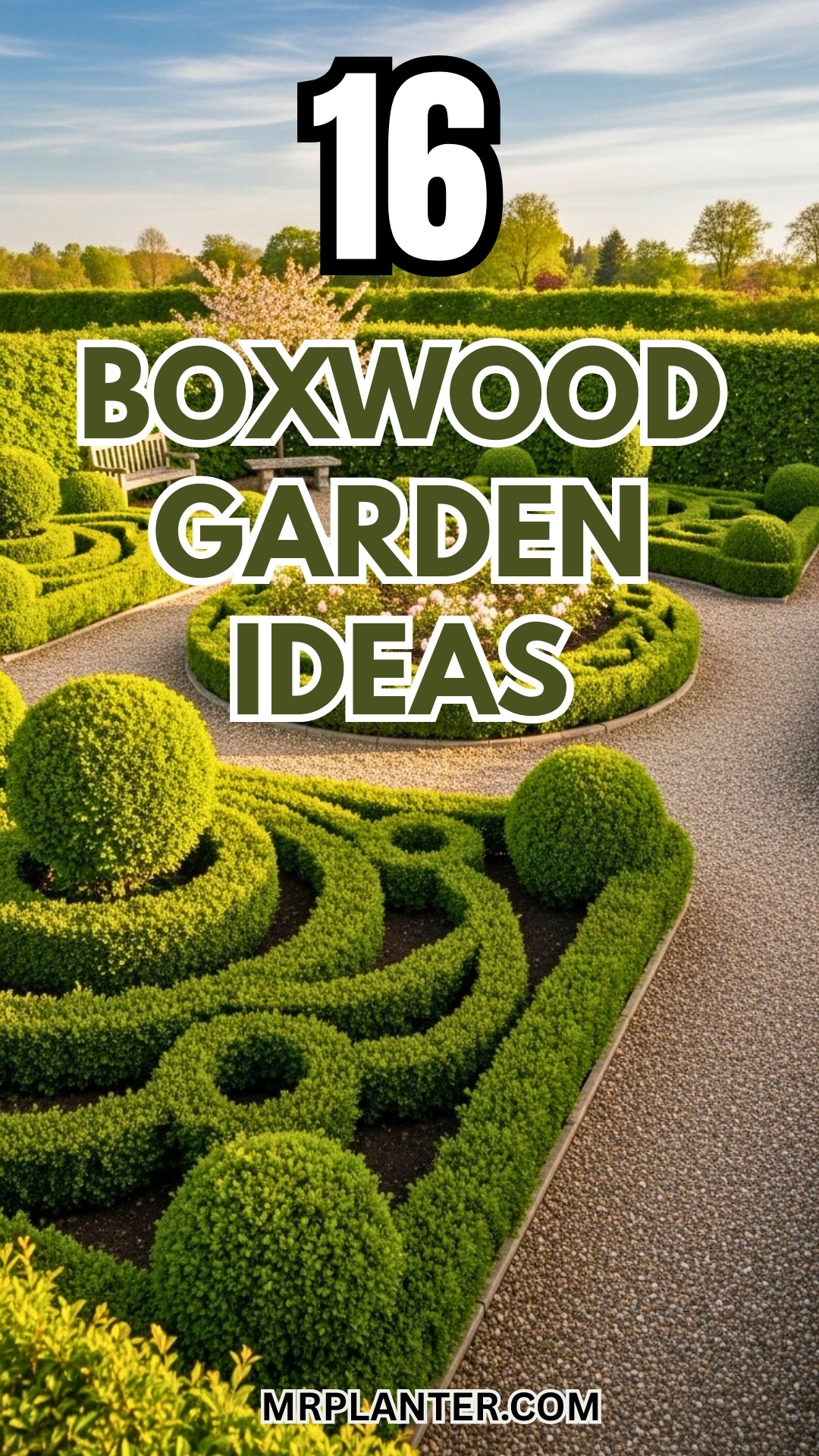
Paths, privacy, a little seasonal magic—there’s something for every taste, from classic shapes to quirky little touches that make your space feel like, well, you.
1. Classic Formal Boxwood Hedge for a polished, timeless look
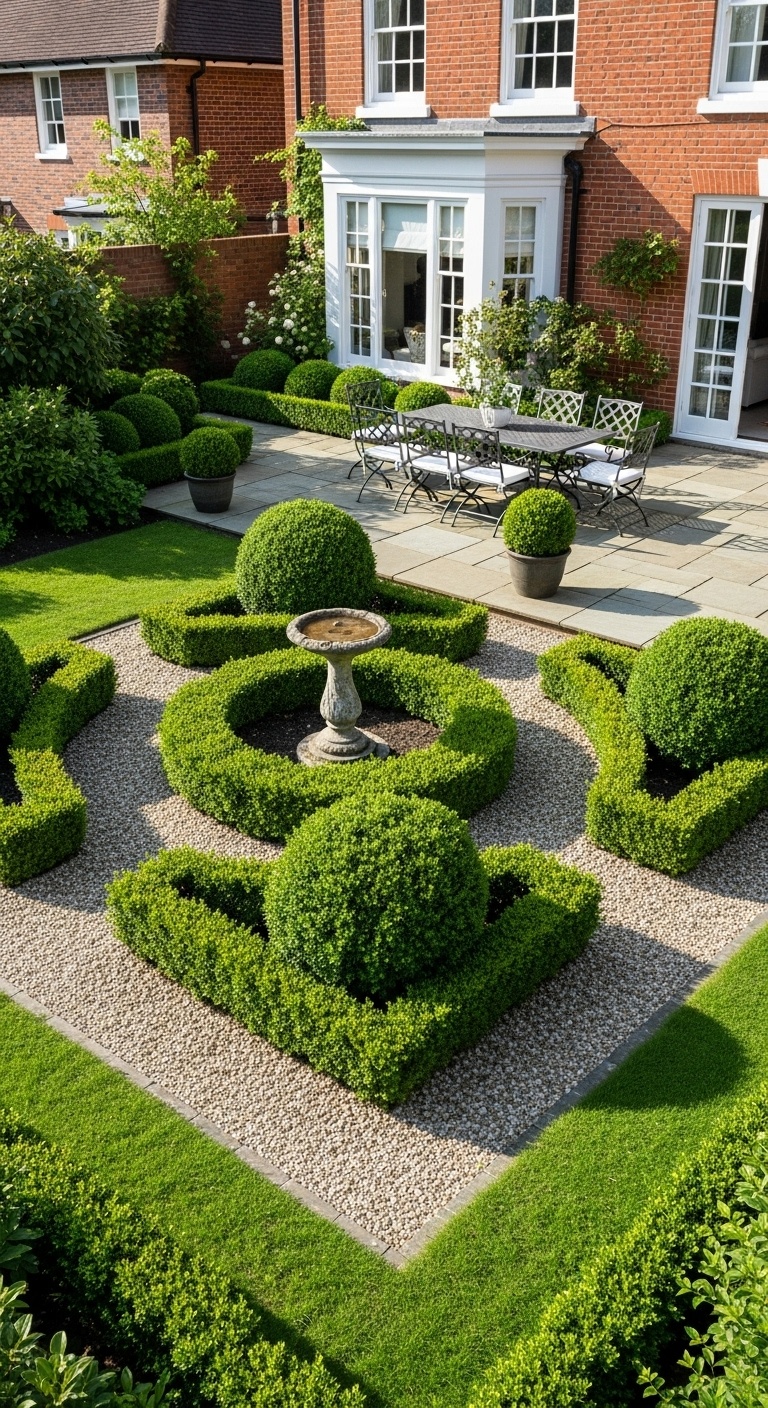
Let’s bust a myth: boxwoods aren’t just for fancy old mansions.
They can make your yard look sharp and inviting, too.
A straight, clipped boxwood hedge draws clean lines and brings this calm, organized vibe.
Pop them along walkways, driveways, or as a low fence that keeps things open but still feels tidy.
Pick a dense variety and plant them evenly.
Spacing matters—they’ll knit together into a smooth wall as they fill in.
Trim once or twice a year to keep the shape.
You’re building a clean backdrop that lets your flowers, paths, or garden art really stand out.
Expert Tip From MrPlanter: “Plant young boxwoods a bit closer than you think for faster fill-in. Prune lightly each season to keep them neat without stressing the plants.”
2. Topiary Shapes: Spheres, cubes, and spirals to flex your clipping skills
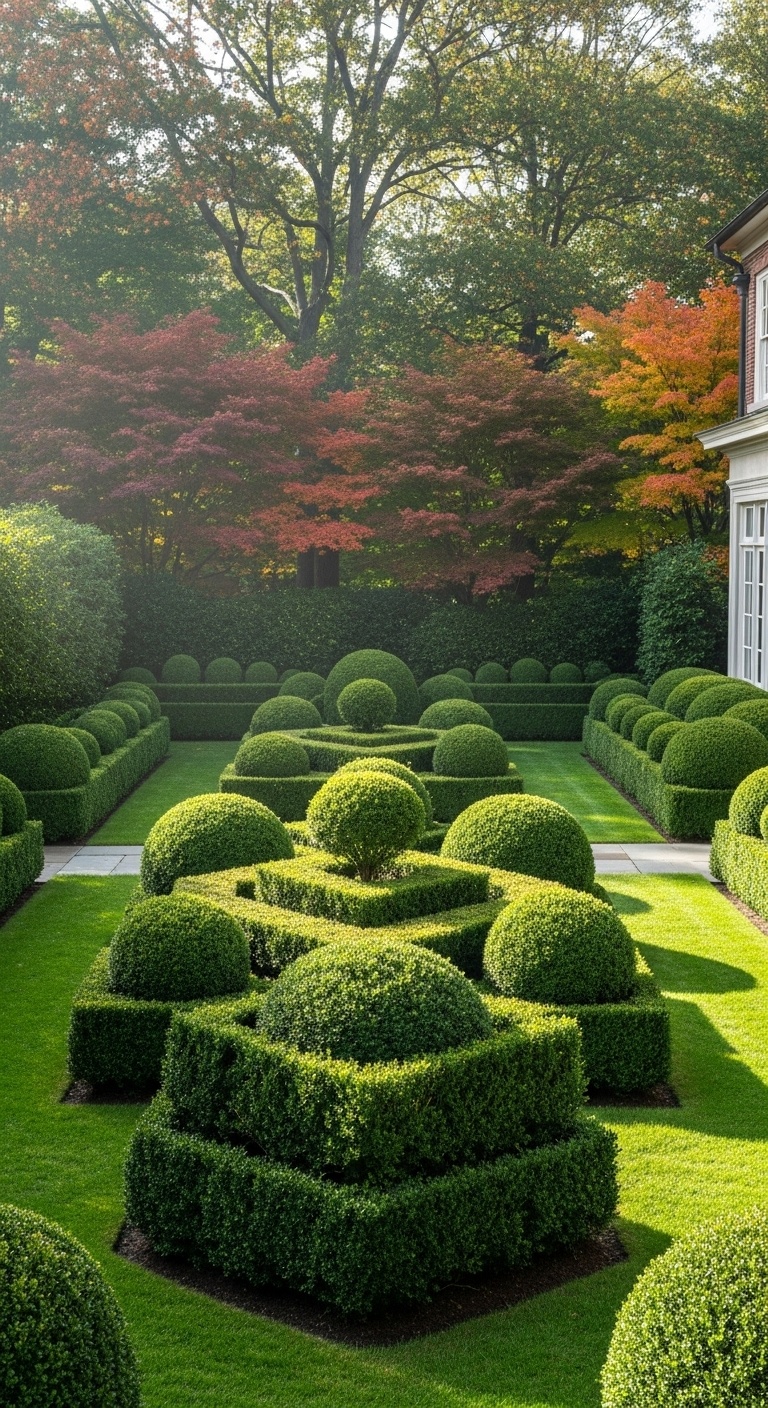
Here’s a fun fact: with a few snips, you can turn a plain shrub into real garden art.
Shape boxwood into neat balls, crisp cubes, or even spirals—just takes some patience and sharp tools.
Start with young, bushy plants and trim a little at a time.
You’re basically training the branches, so do light cuts every few weeks to get those smooth lines.
If you want perfect shapes fast, use a frame.
Or just wing it for a more relaxed look—nobody’s judging.
Keep your shears sharp and step back now and then to check your work.
Small changes are usually better than big ones.
Expert Tip From MrPlanter: “Clip lightly and often to keep shapes tidy without stressing the plant. Water well after heavy pruning so your boxwood bounces back quickly.”
3. Boxwood Border Gardens to frame flower beds like a green velvet ribbon
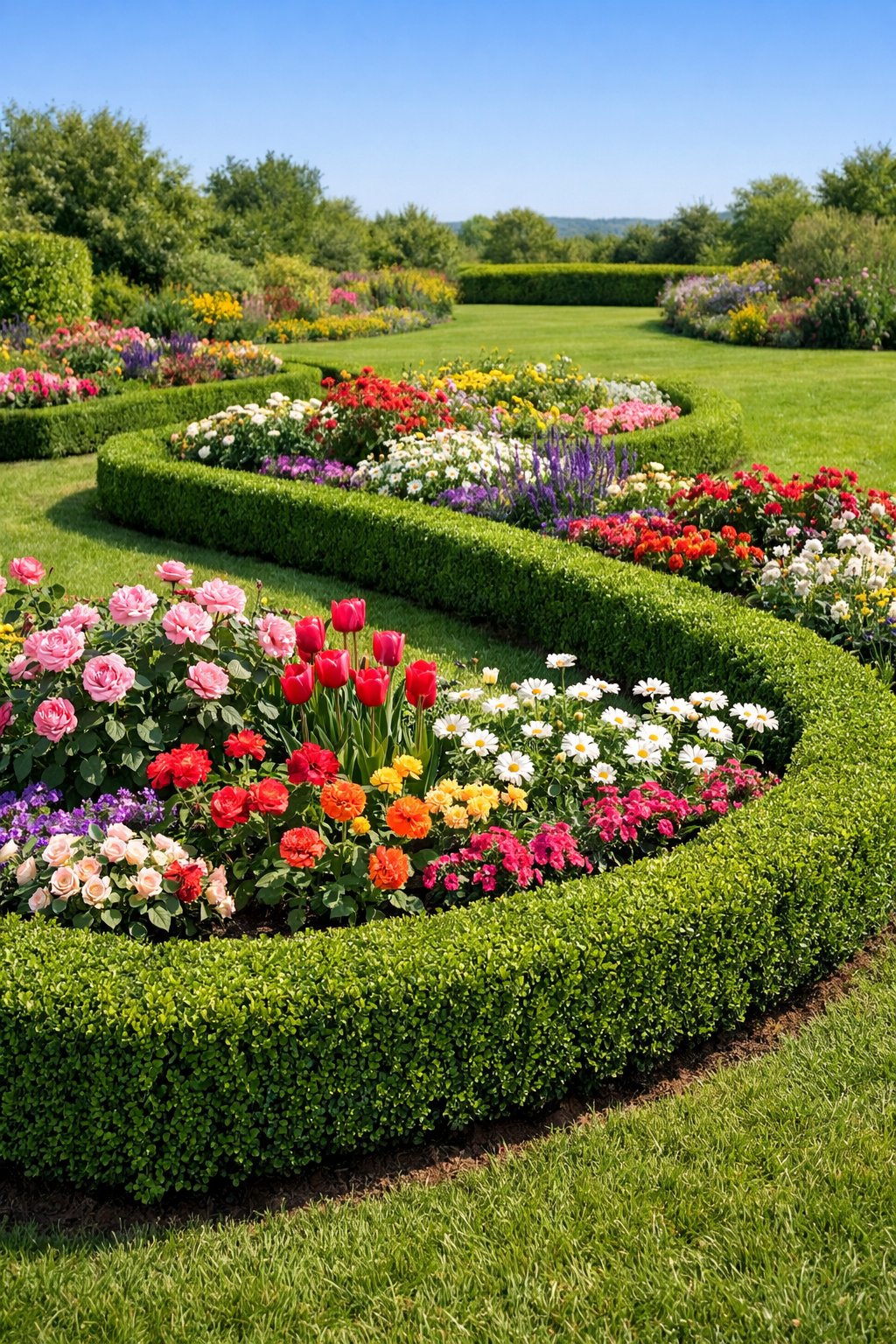
Forget the old idea that boxwoods are just for formal gardens—they’re actually super easy for making your flower beds look finished.
Plant a low row to hug your beds and you get this soft, green outline that makes all your colors pop.
Space them 1–2 feet apart for a full look, and trim lightly to keep the shape tidy.
Mix dwarf boxwoods with taller blooms for that nice contrast.
The best part?
Boxwood stays green all winter, so your beds never look bare even when everything else is snoozing.
Expert Tip From MrPlanter: “Plant shallow, even holes and water well for the first year to help roots settle. Trim in spring and late summer to keep the ribbon look without overdoing it.“
4. Miniature Boxwood Trees in pots for a posh patio vibe
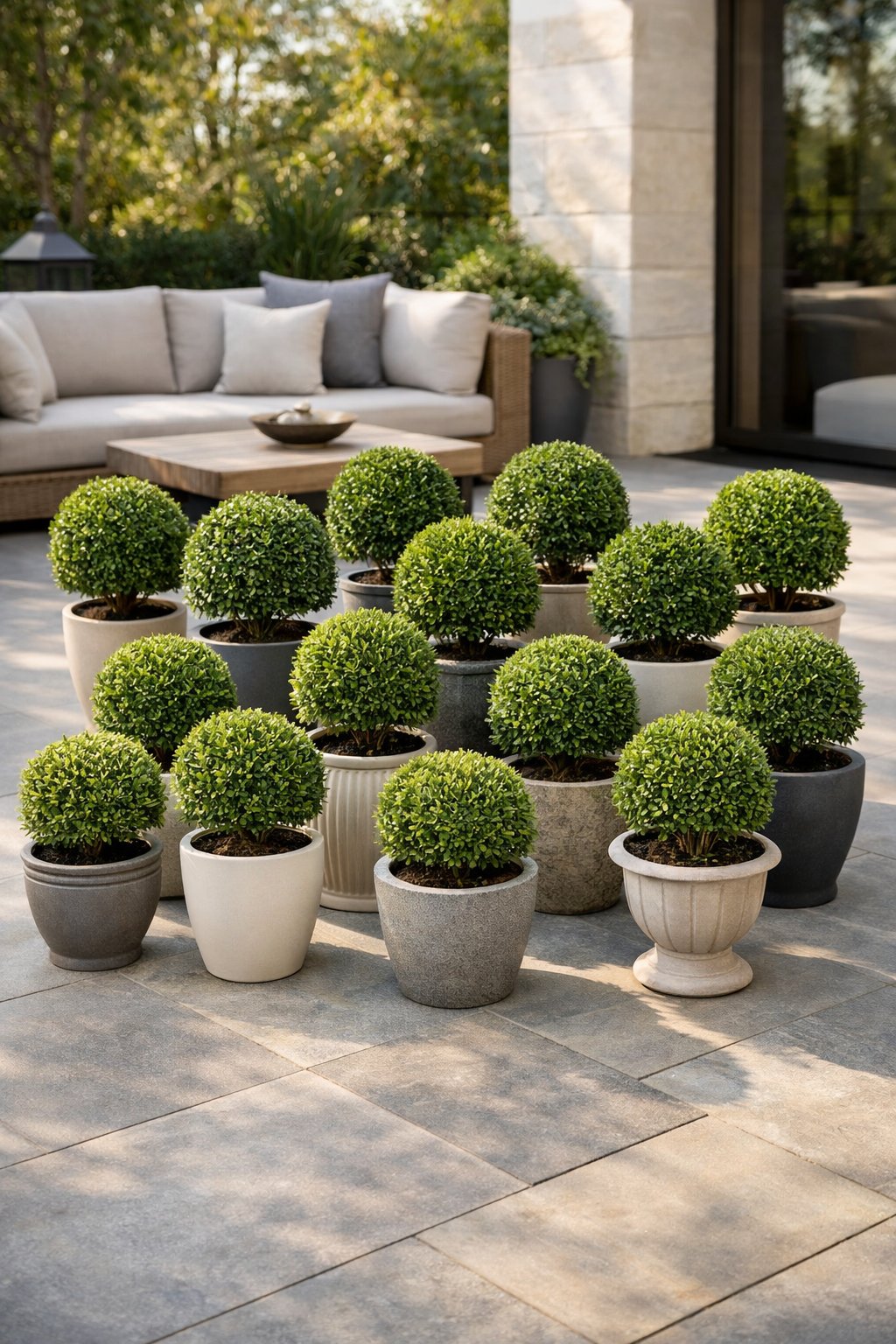
Here’s a secret: even small pots can look super fancy.
Put a pair of mini boxwood trees in matching urns by the door or your favorite chair—they instantly add a neat, formal touch.
Trim them into round balls or let them keep a natural cone shape.
Either way, you get a polished, calm patio vibe.
Pick cold-hardy varieties and roomy pots with good drainage.
Water often but don’t drown them—boxwoods hate soggy feet.
When the weather gets wild, just scoot the pots somewhere sheltered.
They’re tougher than they look, but nobody likes a winter windstorm.
Expert Tip From MrPlanter: Pick a pot one size larger than the root ball to give room for growth. Feed lightly in spring to keep leaves dense and green.
5. Mix Boxwood with Lavender for scent and stunning color contrast
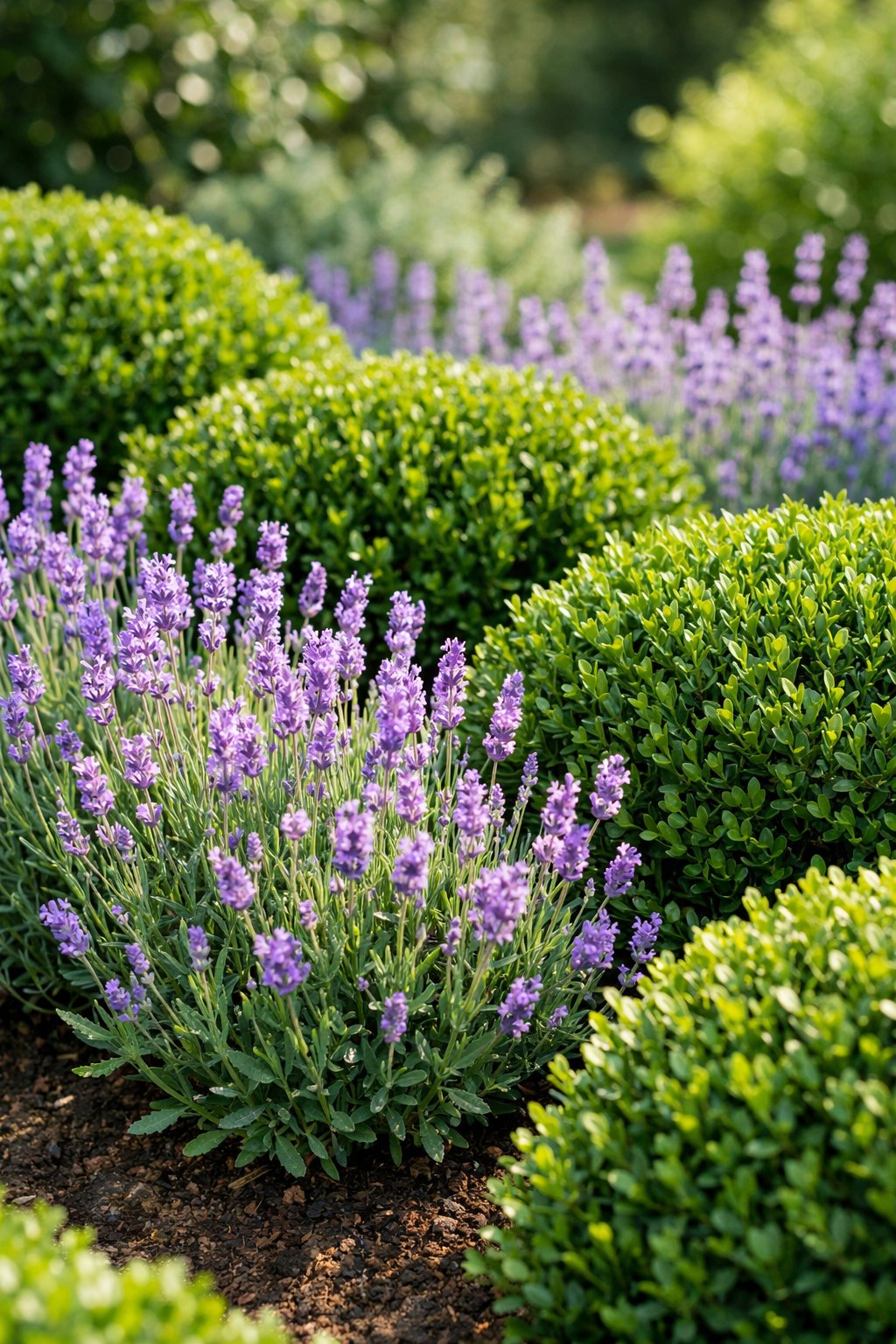
Lavender packs a punch in the scent department—sometimes you plant it just for that welcome-home smell.
Pair it with boxwood for a combo that looks and smells amazing.
You get those soft purple blooms and silvery leaves right next to boxwood’s deep green.
Boxwood keeps things tidy, lavender brings the color and that wild, cottage feel.
Plant lavender where it gets full sun and drains well.
Boxwood can handle a little dryness, so they’re good neighbors.
Space them so air can move—lavender likes a breeze.
That keeps it healthy and less likely to get funky.
Expert Tip From MrPlanter: Plant lavender a little in front of boxwood so the blooms show and the hedge frames them. Trim boxwood lightly each year and deadhead lavender to keep both looking their best.
6. Create a Boxwood Maze—because who doesn’t want a backyard puzzle?
Surprising Fact: a small maze can make your yard feel twice as big and twice as fun.
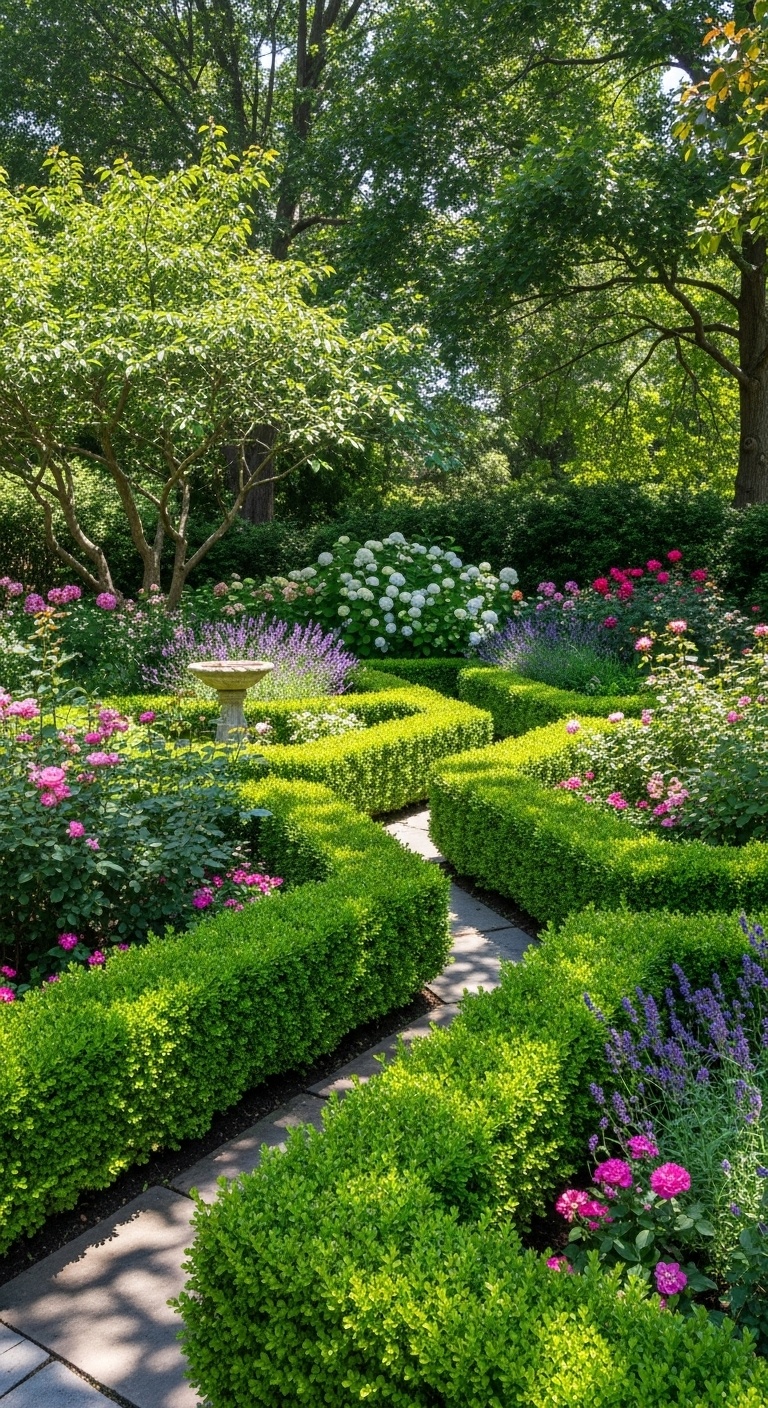
Turn a plain lawn into an adventure with low, clipped boxwood paths.
Keep the passages wide enough for two so nobody gets elbowed, and plan a simple route so guests don’t end up lost forever.
Pick a hardy, slow-growing boxwood to save yourself some trimming time.
Plant in a grid or let the lines curve—either way, it looks charming, especially with a bench or statue in the middle.
Start with hedges about 2 to 3 feet tall for most yards.
That way, you keep the view open but still have a fun maze vibe.
Prune regularly to keep the shape, and add mulch to lock in moisture.
Healthy boxwoods mean less fuss later.
Expert Tip From MrPlanter: “Sketch your maze on paper first and walk the route in your yard with stakes. That saves time and helps you spot tight turns before you plant.”
7. Boxwood Bonsai for the zen garden enthusiast with patience
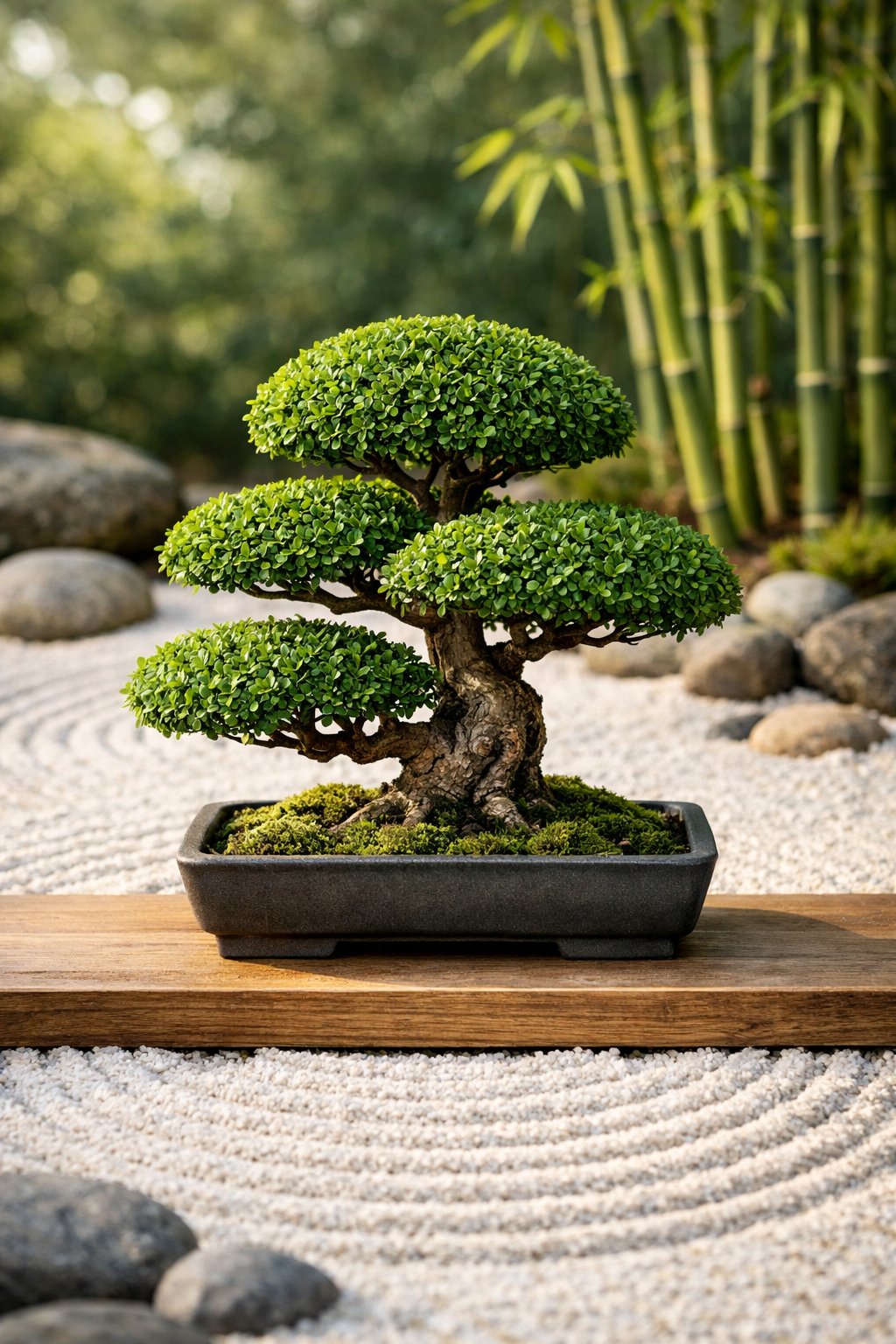
Here’s a wild thought: a tiny boxwood can live in a pot for decades if you treat it right.
It’s slow, hands-on work, but really rewarding as you shape each branch.
Start with a healthy Buxus and pick a simple design.
You’re aiming for calm lines and dense leaves—not robot-perfect symmetry.
Prune lightly and often to keep it in scale.
Wire branches when they’re flexible, but take the wire off before it bites in.
Give your bonsai steady light and gentle airflow.
Water when the top soil gets a bit dry and feed during the growing season.
Expert Tip From MrPlanter: Trim small shoots regularly to keep the shape tight. Be patient—bonsai is about quiet progress, not instant results.
8. Spiral Staircase of Boxwoods to wow your guests on the walkway
Let’s shake things up: boxwoods aren’t just boring hedges.
You can train them into a spiral staircase that greets guests with a little wow factor.
Start with small, young plants spaced along your path.
Use soft ties and a simple frame to guide them upward in a gentle spiral.
Trim lightly each season to keep things tidy.
Mix up the heights so the spiral stands out from a distance and invites folks to come closer.
Add some low lights or a narrow gravel border for that perfect evening look.
Makes the walkway pop at dusk.
Expert Tip From MrPlanter: “Begin with slow, steady shaping—boxwoods respond best to patience. Keep soil evenly moist and prune sparingly for a clean spiral.”
9. Boxwood-lined Garden Path for that ‘walk into serenity’ moment
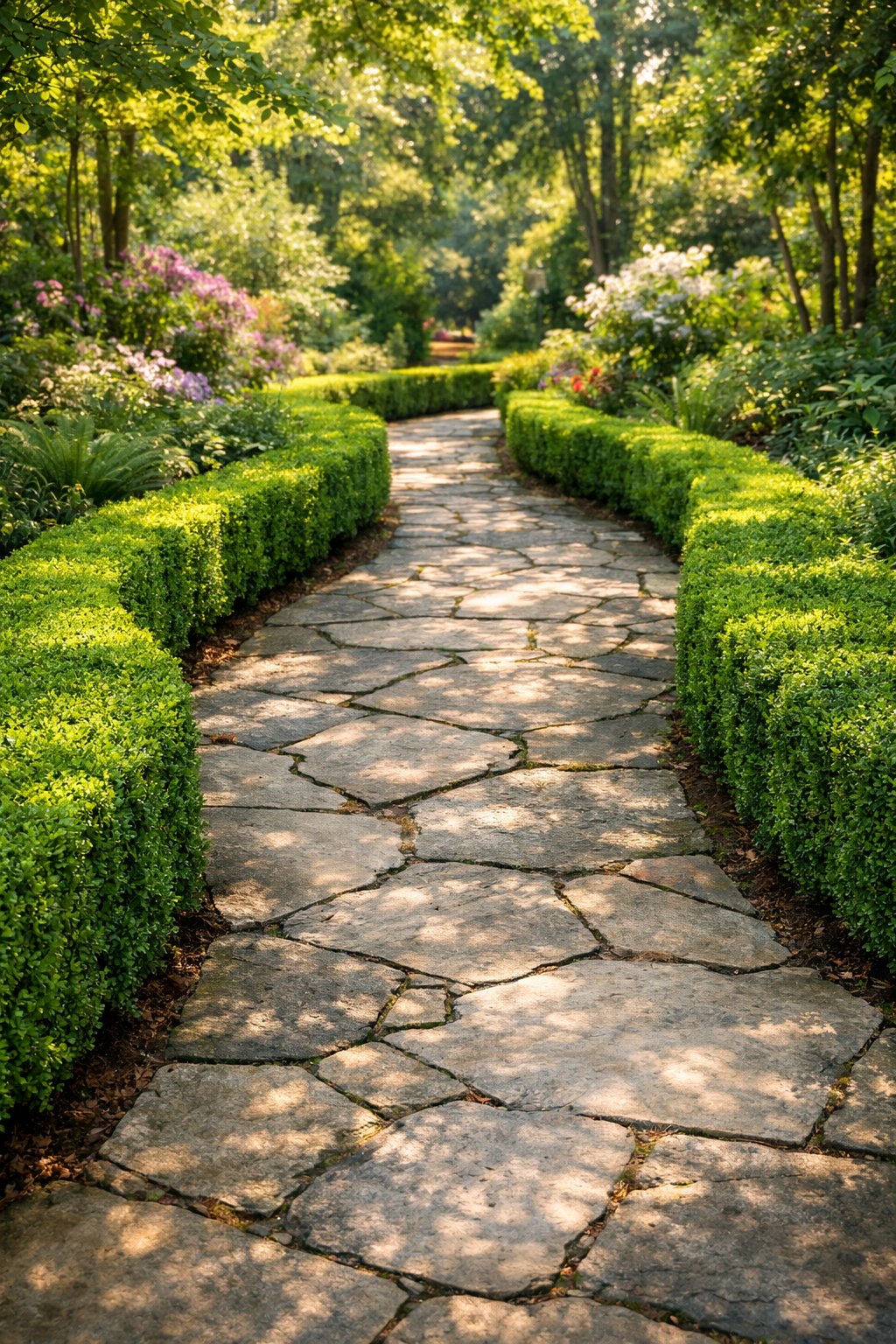
Here’s the thing: you don’t need fancy stones for a magical garden path.
Line your walkway with low boxwoods and you get a clean, green frame that guides your steps and chills out your brain.
Boxwoods add color all year and keep the edge tidy without stealing the show.
Space them about 18–24 inches apart for a seamless look.
Trim them into soft mounds or small hedges so the path feels cozy, not crowded.
Toss in gravel or stepping stones for extra texture and better drainage.
Add a few taller boxwood standards or lanterns along the way for rhythm and surprise.
Suddenly, a simple path feels like a calm, inviting journey.
Expert Tip From MrPlanter: Start with young plants and trim lightly the first year so they fill in evenly. Pair boxwoods with low bulbs for spring color and a gentle scent along the way.
10. Pair Bright Annuals with Boxwood
Surprising fact: bright annuals can make even plain boxwoods feel like they belong at a party.
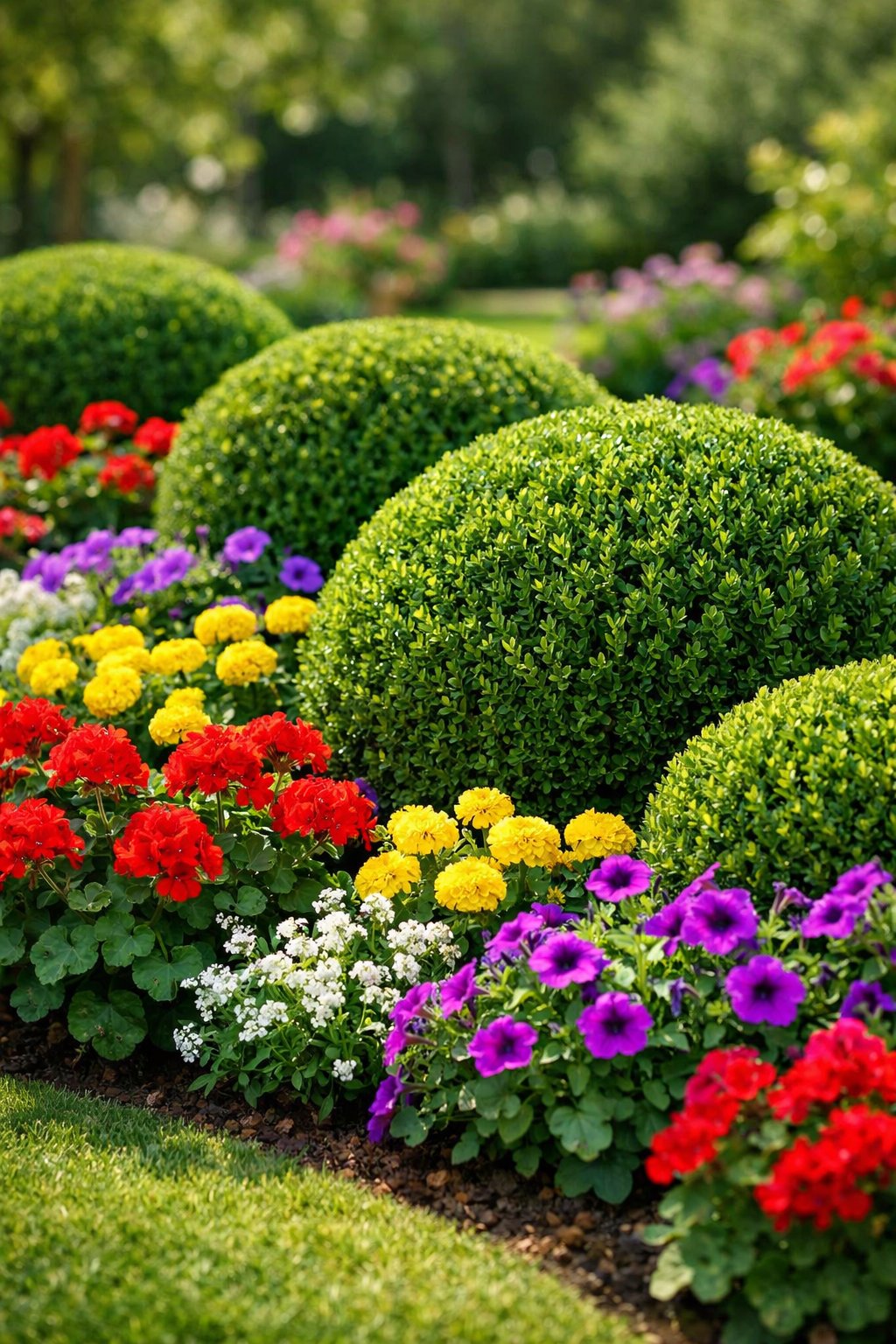
Tuck low, clipped boxwoods together with bursts of color at their feet and you lift the whole garden bed.
Petunias, calibrachoa, and marigolds offer nonstop color and squeeze into the small spaces between shrubs.
Change up the colors each year—your garden gets a fresh look without a ton of work.
Annuals also hide bare dirt and keep things tidy while your boxwoods grow slow and steady.
Keep soil moist during hot spells and deadhead spent blooms to keep colors going.
Rotate your plant choices for variety and to keep pests guessing.
Expert Tip From MrPlanter: “Plant annuals in groups for stronger color and easier care. Change one color each season to keep the look fresh.”
11. Use Boxwoods as Privacy Screens—nature’s version of the nosy neighbor blocker
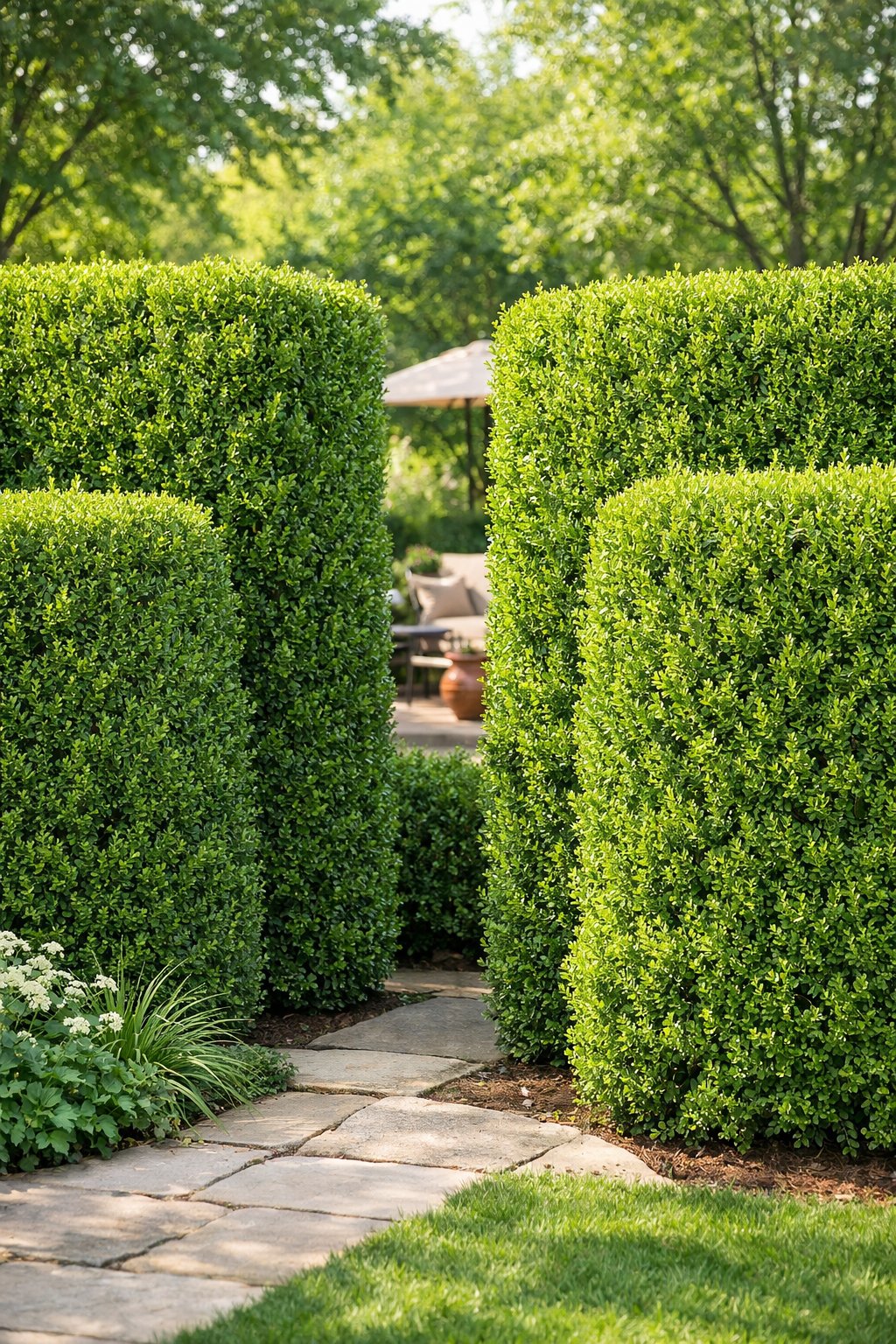
Here’s something people forget: a row of boxwoods can block out more sights and sounds than you’d guess.
They keep your space private all year, even in winter when everything else looks bare.
Plant them a few feet apart and they’ll fill in to make a solid hedge.
Trim once or twice a year for a neat line, or stagger heights for a softer, layered look.
Go with taller varieties if you want full privacy.
Mix in some lower ones for a border that feels lush but not stuffy.
Boxwoods love shaping, so you can go formal or keep it a little wild—your call.
They’re flexible like that.
Expert Tip From MrPlanter: “Start with healthy young plants and water them well the first season. Prune light shaping each spring to keep gaps from forming.”
12. Mix Boxwoods with Ornamental Grasses for texture variety
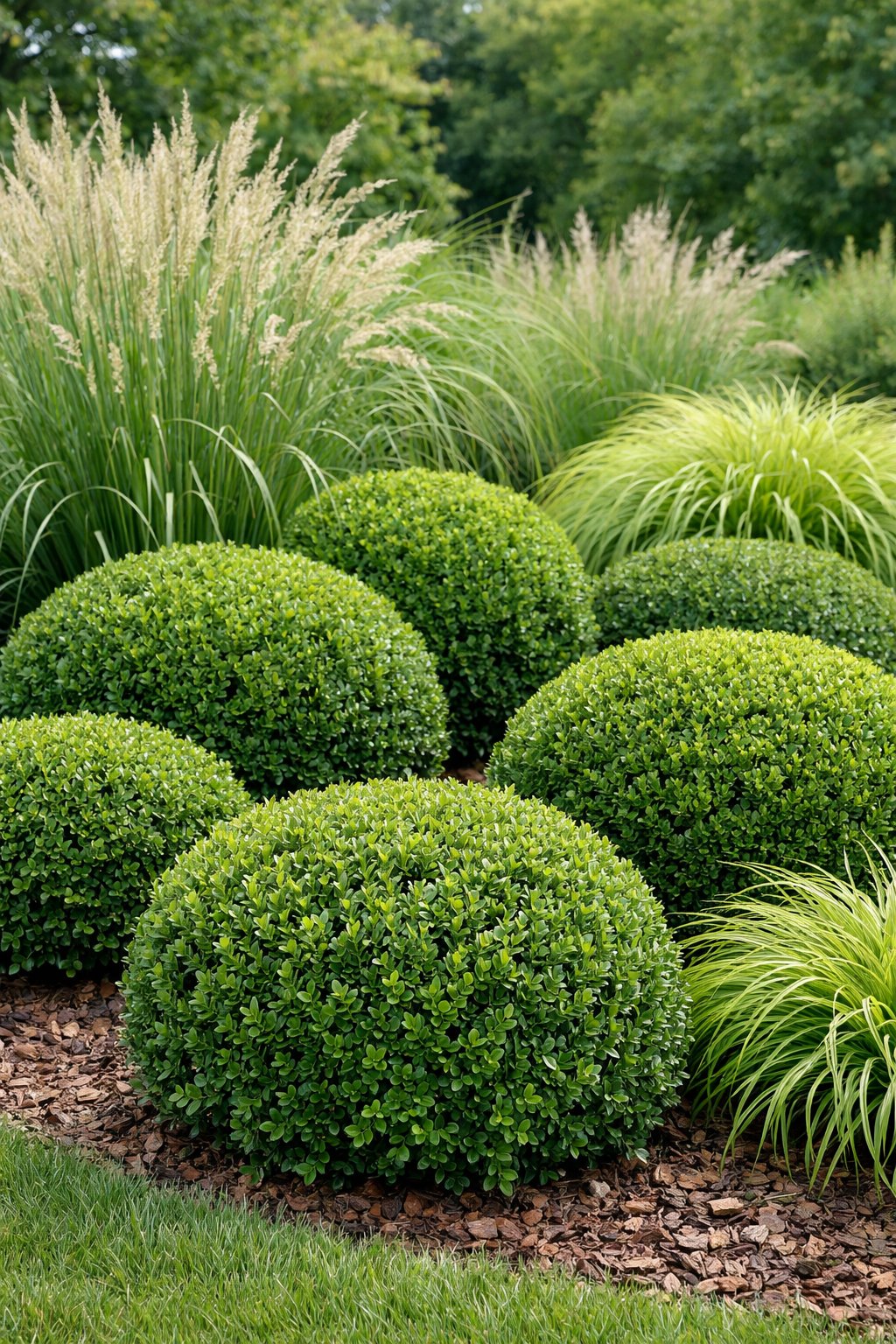
Ever look at your garden and think, “Wow, that’s… green and more green”? Mixing in ornamental grasses with boxwoods changes the whole vibe. You get that tidy structure from boxwoods, but the grasses add movement and a bit of wildness.
Plant a few clumps of fountain grass or blue fescue near those neat boxwood edges. The wispy blades soften the boxwood’s lines, and when the wind blows, the bed looks alive.
Try grasses of different heights and shades for a layered look. Put taller ones behind the boxwoods, then repeat the pattern for a little rhythm.
Expert Tip From MrPlanter: Put grasses on the sunny side of boxwoods to really show off their shapes. Snip grasses lightly in spring to keep them happy and neat.
13. Dwarf Boxwoods for tiny spaces with a big style punch
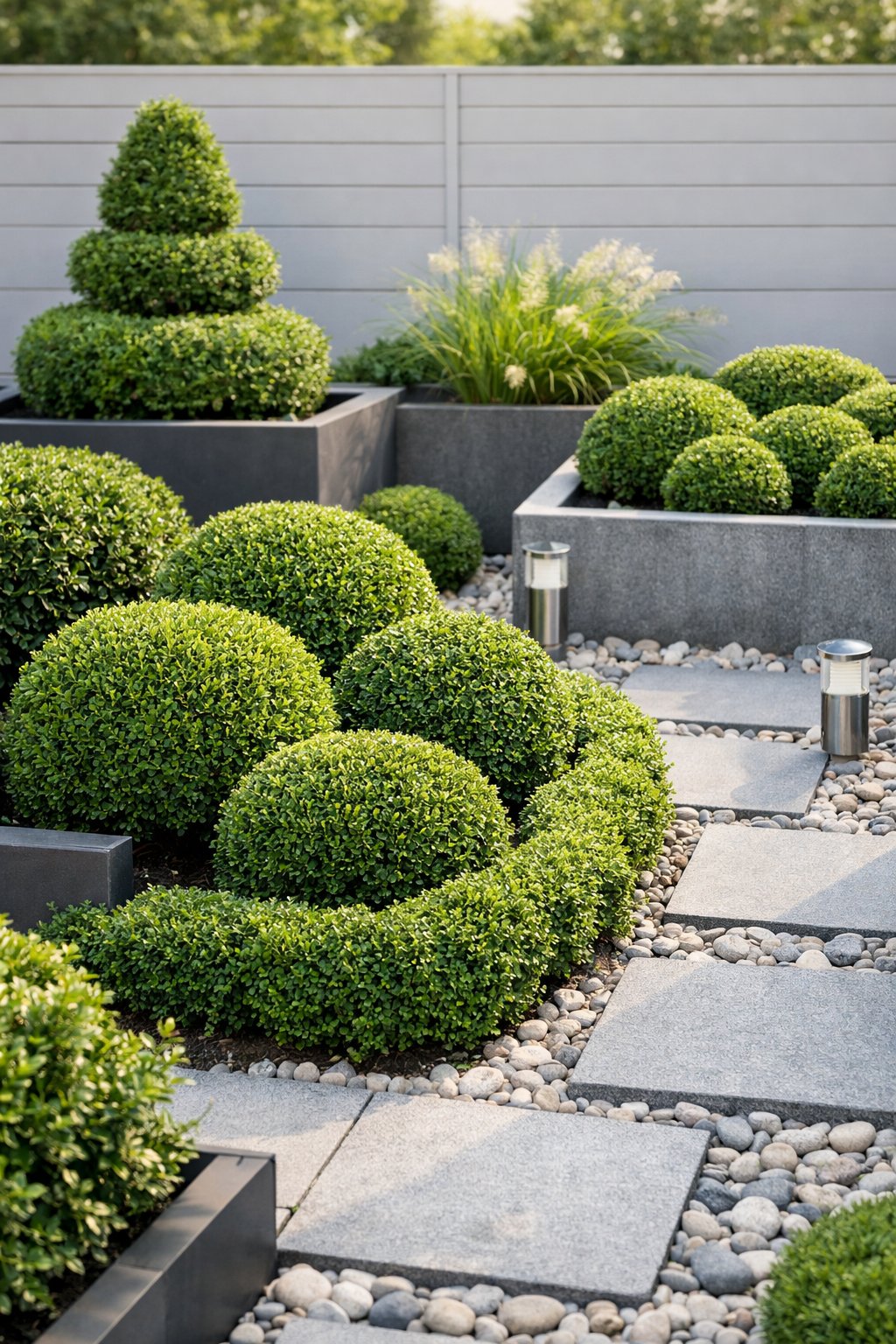
Let’s bust a myth: small gardens don’t have to be boring. Dwarf boxwoods pack a ton of character into the littlest patios, and trust me, they make a space shine.
They stay compact and tidy, so you can line a narrow path, frame your doorway, or give potted flowers a sharp backdrop. You’ll spend less time trimming and more time soaking up your mini oasis.
Check out ‘Green Gem’ or Petite Pillar for those tight spots. Plant them about a foot or two apart for a crisp edge. Wide pots and good soil keep them happy if you’re going the container route.
Expert Tip From MrPlanter: Group dwarf boxwoods for a fuller look and water deeply but not too often. Trim lightly in spring for neat shapes without stressing the plant.
14. Boxwood Topiary Archway—romantic entrance, instant charm
Here’s a fun one: a boxwood archway can make your front door feel like something out of a storybook in just a season.
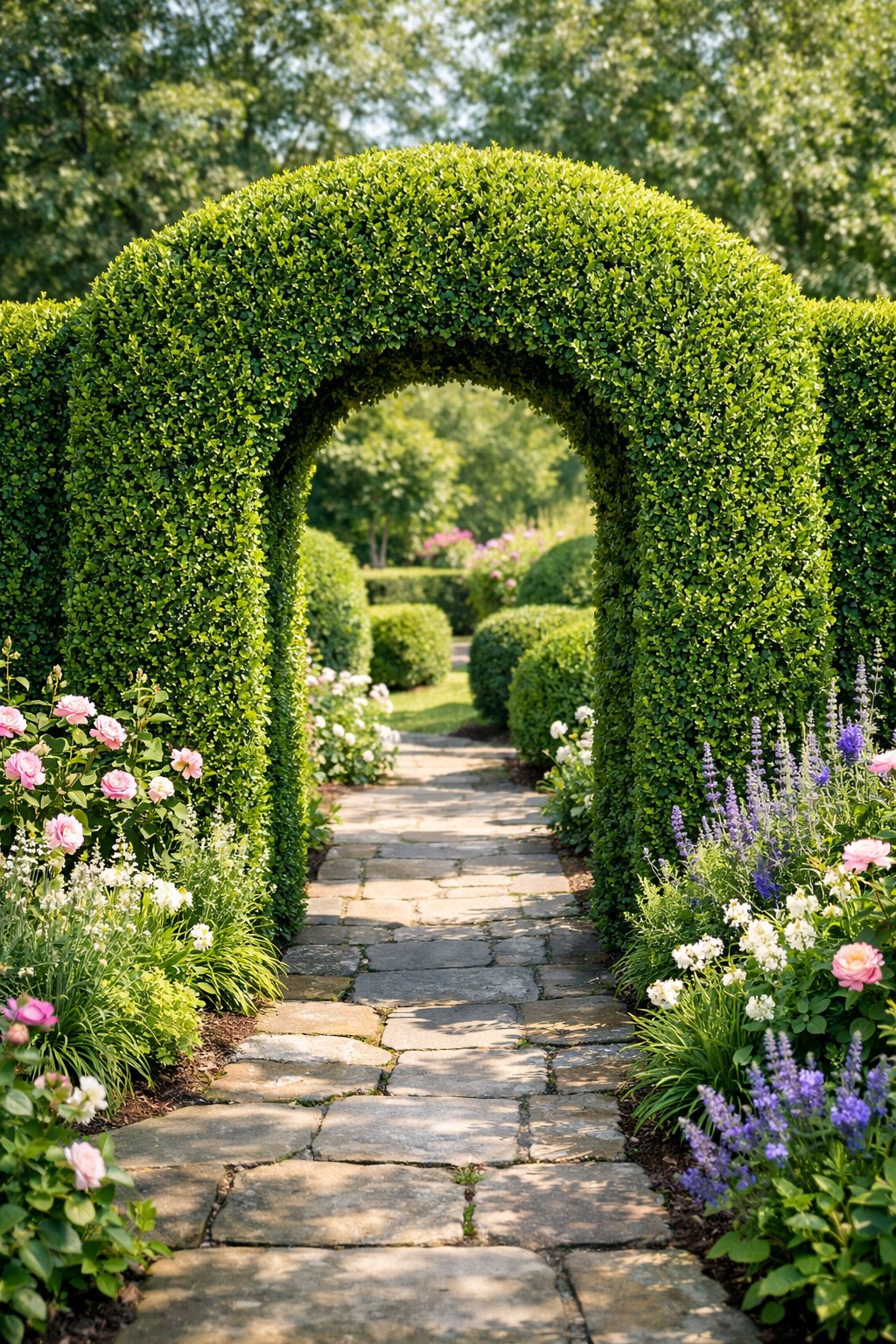
You can train two upright boxwoods on a frame so they meet overhead and make a soft, green tunnel. It’s a real showstopper—guests pause and smile before they even knock.
Keep the frame simple and sturdy. Prune once a year to hold the arch shape and let sunlight reach the inside leaves.
Plant low flowers or little boxwood balls at the base for extra texture and a pop of color. It doesn’t take much work, but wow, your curb appeal jumps up fast.
Expert Tip From MrPlanter: “Start with young, healthy plants and a metal support for quick shaping. Prune yearly in late spring to keep the arch neat and strong.”
15. Sculpt Boxwood into Letters or Numbers for personal flair
Here’s a wild idea: let your hedge spell out your name. Boxwood can become initials, house numbers, or even a short word, and your yard suddenly feels super personal.
Start small—maybe just one or two letters—to get a feel for the curves. Use a wire frame for tricky shapes, and trim a little at a time to keep things sharp.
Set your letters by the entry, on a low wall, or as a garden focal point. They work year-round and give your place a bit of story.
Expert Tip From MrPlanter: “Pick slow-growing boxwood for cleaner edges, and prune lightly twice a year. Use a wooden or wire guide to get the shape right before heavy trimming.”
16. Mix Evergreen and Boxwood for all-year color party
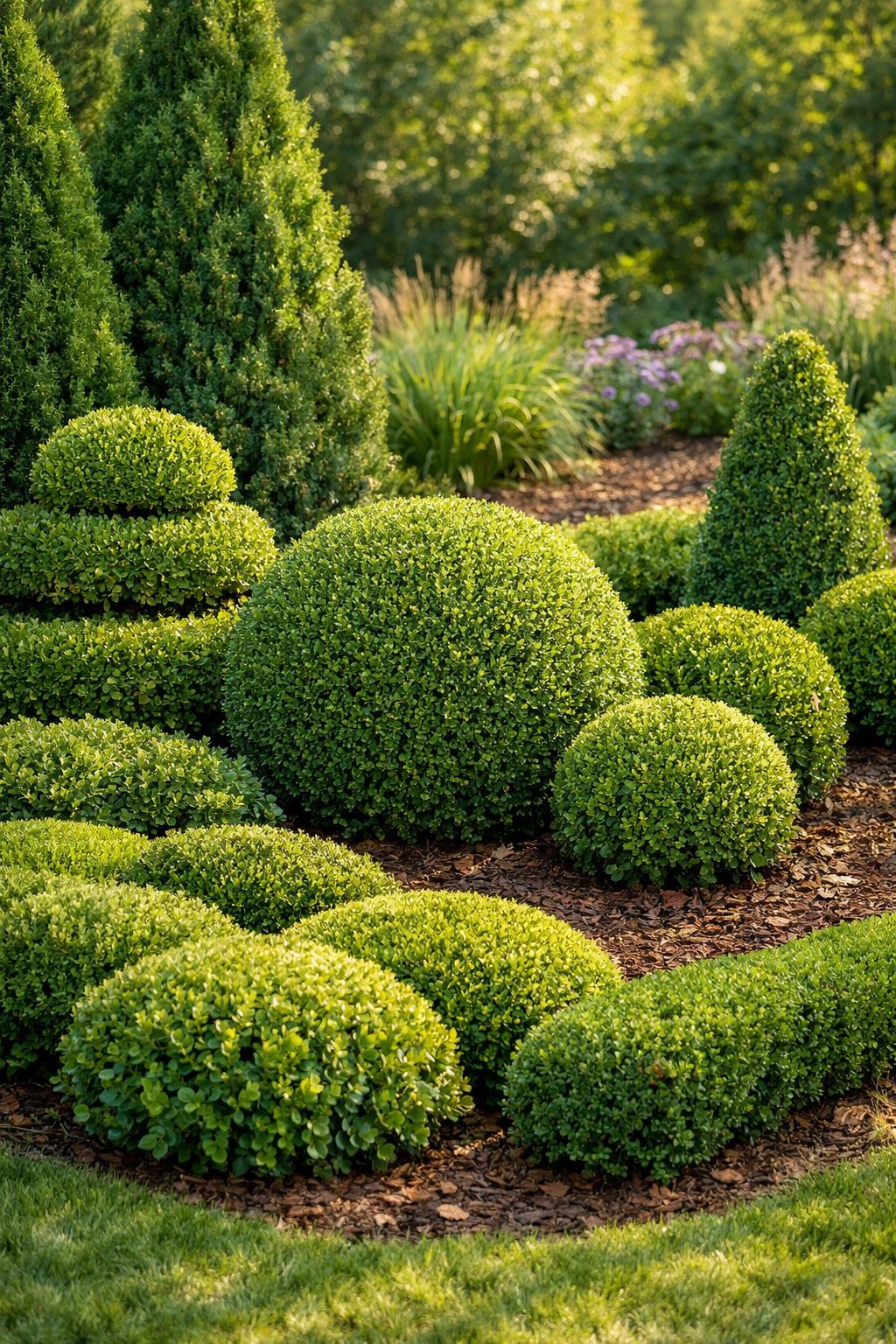
Here’s something wild: your garden doesn’t have to look sad in winter.
I love pairing boxwood with other evergreens because they keep the yard colorful and full, no matter what month it is.
Try slipping in some low-growing junipers, yews, or even a nandina or two among your boxwoods.
You’ll spot different leaf shapes and shades popping up, and honestly, it just makes the whole space feel a bit more interesting.
The contrast stays chill—nothing too flashy—so your beds look calm and put-together.
If you’re feeling fancy, plant some tulips or pansies out front for those spring and summer bursts of color.
They’ll fade away when their time’s up, but the evergreens hold down the fort and keep everything looking tidy.
Your garden never really feels empty or bare, even when the flowers take a break.
Expert Tip From MrPlanter: “Plant taller evergreens behind boxwoods to create depth, and use low annuals up front for color. Mix leaf textures to make the green feel lively all year.”