Let’s be honest, sometimes you just want a fence that looks cool and keeps stuff in (or out) without costing an arm and a leg.
You’ll find smart, stylish ways here to use cattle panels in your yard, garden, or even a full-on farm—without emptying your wallet.
These 18 ideas will show you how cattle panels can turn into fences, trellises, gates, raised beds, privacy screens, and a bunch of other handy upgrades.
They’re all simple, and they add both function and a little personality to your space.
You’ll spot options that feel rustic, modern, or just plain fun. Some work in tiny city backyards, others fit right in on a big open field.
I’ll toss in tips for easy DIY projects, quick installs, and small changes that totally change the vibe.
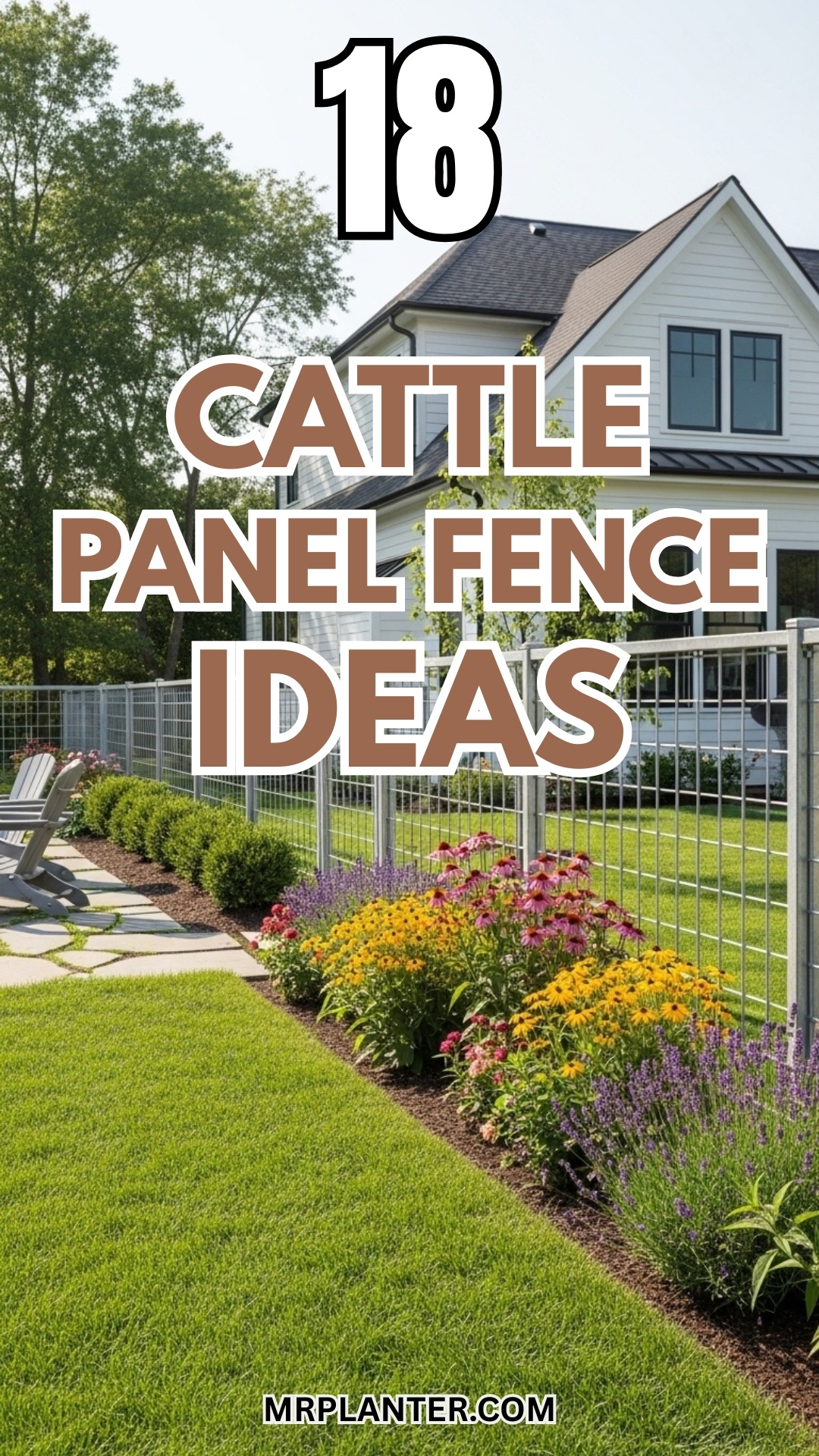
Here’s a wild fact: a cattle panel and a wooden frame can make your yard look like it belongs on the cover of a farmhouse magazine—and you don’t need a trust fund to pull it off.
1. Rustic wood frames paired with cattle panels for a farmhouse vibe
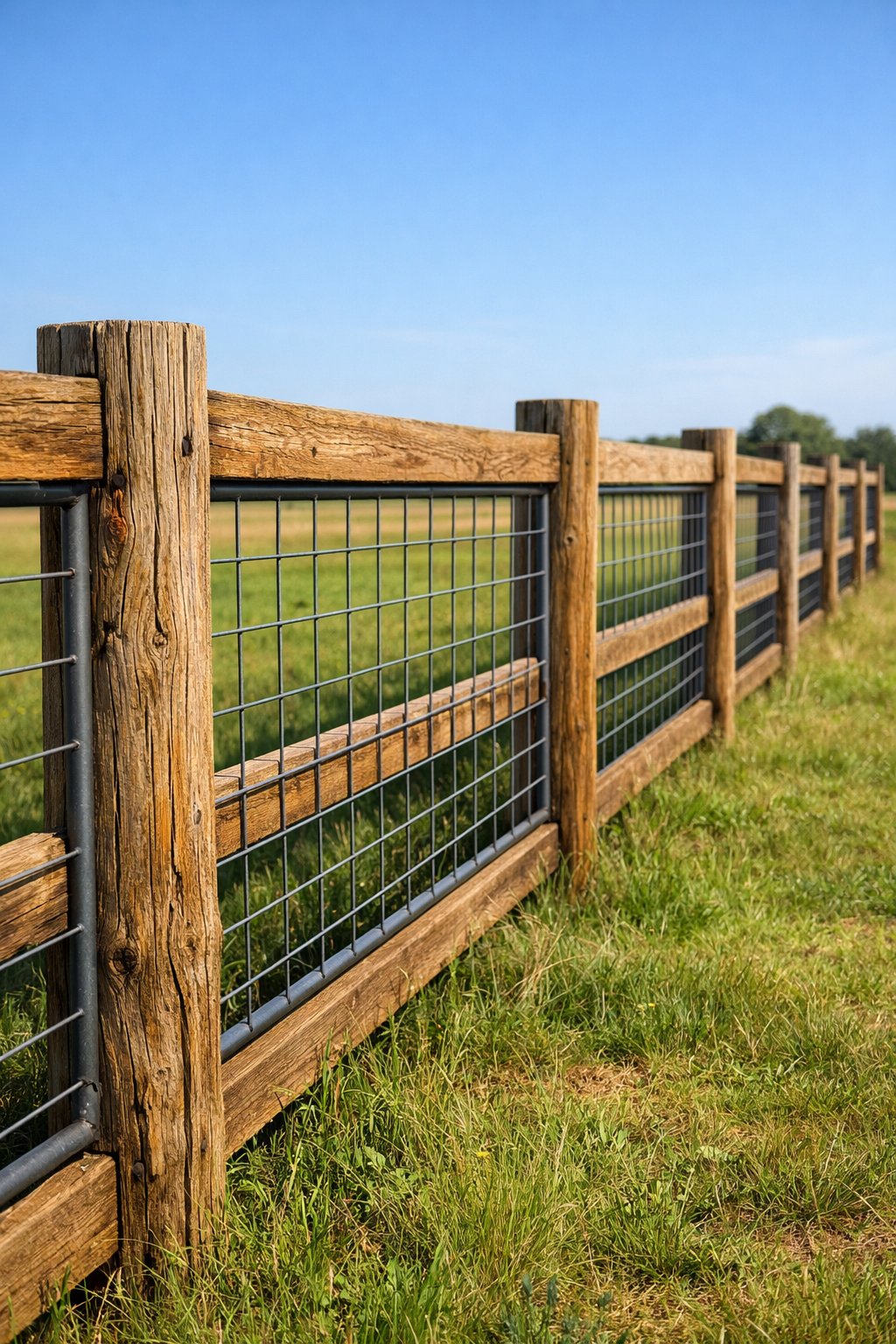
Grab some rough-cut posts and slap in metal panels—you’ll get that cozy, lived-in look with strong, straight lines.
That combo makes your fence sturdy and easy on the eyes, so it works for gardens, chicken runs, or just marking off your yard.
Keep the wood simple and weathered if you want that old-school charm.
You can stain or seal the frame for a longer life, or let it go silver-gray for extra farmhouse points.
Frame the panels in a neat grid to keep things looking tidy and animals where they belong.
Pop in a matching gate and suddenly your entryway feels both friendly and practical.
Expert Tip From MrPlanter: Go for pressure-treated posts for strength, then hunt down some reclaimed wood for character. It saves money and makes your fence feel like it’s always been there.
2. Arched top cattle panel fences to add graceful curves
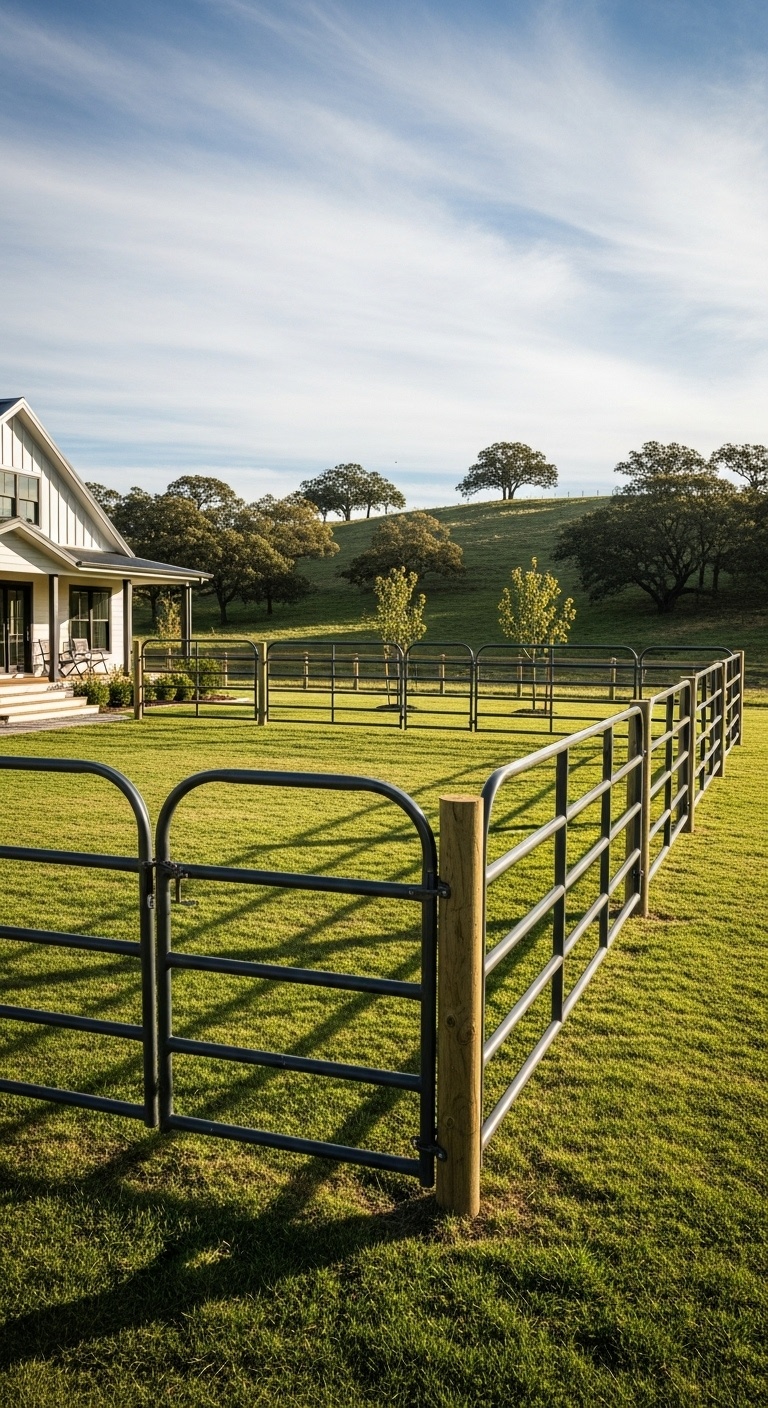
Here’s a fun fact: you can bend a cattle panel into an arch with just a little muscle or heat.
Suddenly, your plain fence has soft, elegant curves that make the whole yard feel fancier.
An arched top softens those harsh lines and keeps the view open, so your garden still feels big and breezy.
It’s perfect for climbing roses or vines, and the gaps let in plenty of sunlight while keeping critters out.
Frame the arch in wood or metal for a clean finish, and set the posts a bit deeper to handle that bend.
The result looks custom-made and gives you a blend of modern and rustic style that’s easy to love.
Expert Tip From MrPlanter: Bend panels slowly to avoid kinks, and brace the arch at the corners for strength. A few climbing plants will make the curve look like it’s always been there.
3. Combine cattle panels with flowering vines for natural charm
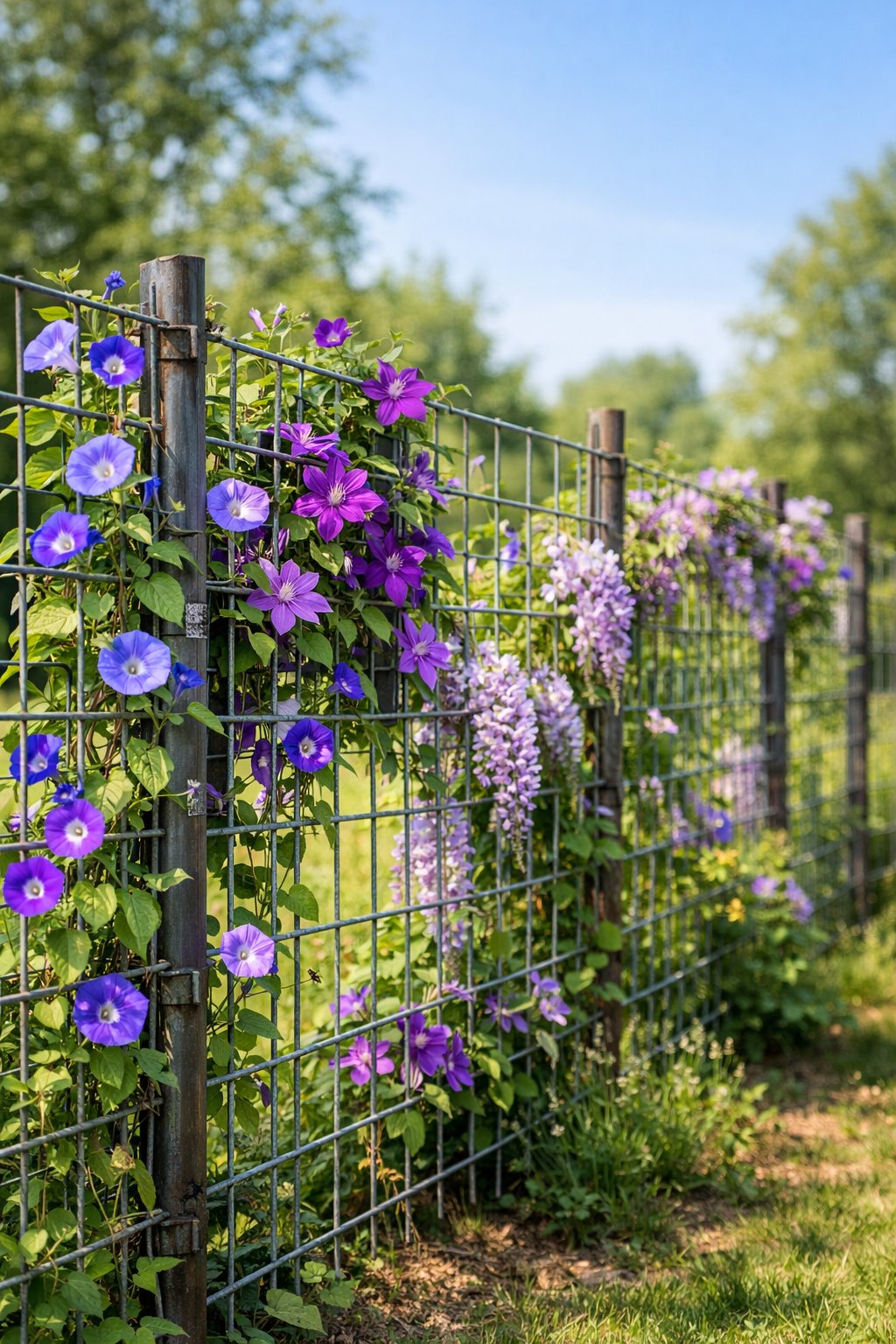
People say metal fences look cold, but honestly, you can make them downright beautiful.
Drape climbing roses, clematis, or morning glories over the grid to get a blooming, living wall that hides neighbors and boosts curb appeal.
Start your plants at the base and guide the stems through the squares as they grow.
The panel gives those heavy vines a sturdy place to hang on, and you get a vertical garden without wasting space.
Leave some gaps for air and light so your plants stay healthy.
Add twine or soft ties to help young shoots find their way.
Expert Tip From MrPlanter: “Mix early and late bloomers so your panel flowers for months.
Prune lightly every year to keep the vines happy and the metal peeking through.”
4. Use cattle panels as trellises in your garden spaces
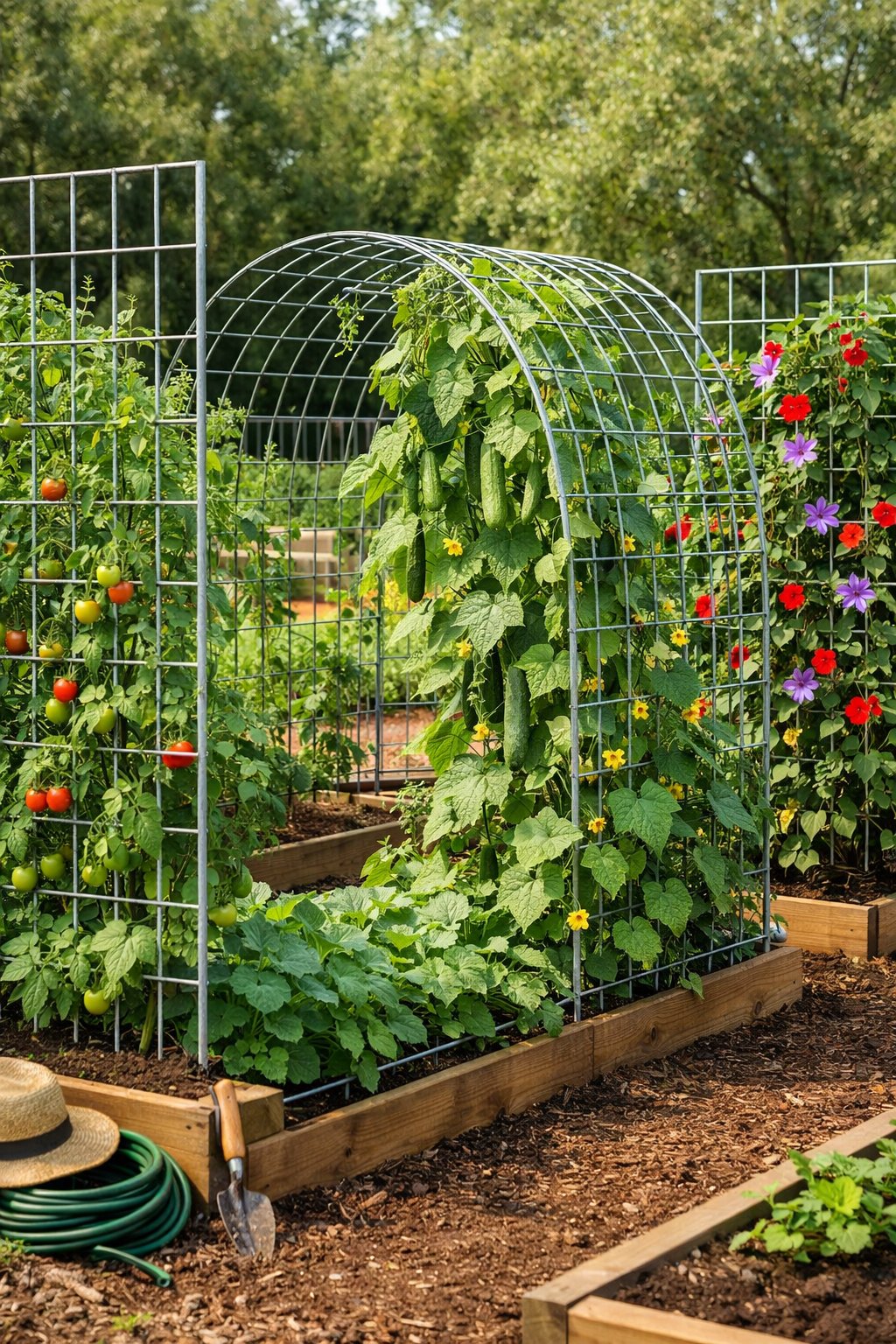
Forget those flimsy wooden trellises that fall over in a strong breeze. Cattle panels give you a solid, budget-friendly frame that plants can actually climb.
Bend them into arches or lean them against a wall—either way, you’ll grow more in less space.
Throw one over a walkway for a living tunnel, or prop one up for beans and peas to scramble up.
Cattle panels hold up outside for years and can take on heavy crops like squash or cucumbers.
Fasten them with T-posts or rebar, and zip-tie where you need extra support.
Expert Tip From MrPlanter: “Start your plants low and train the tendrils early to avoid a tangled mess. Check your fastenings every season so nothing crashes down mid-summer.”
5. Paint cattle panels with bold colors for a modern twist
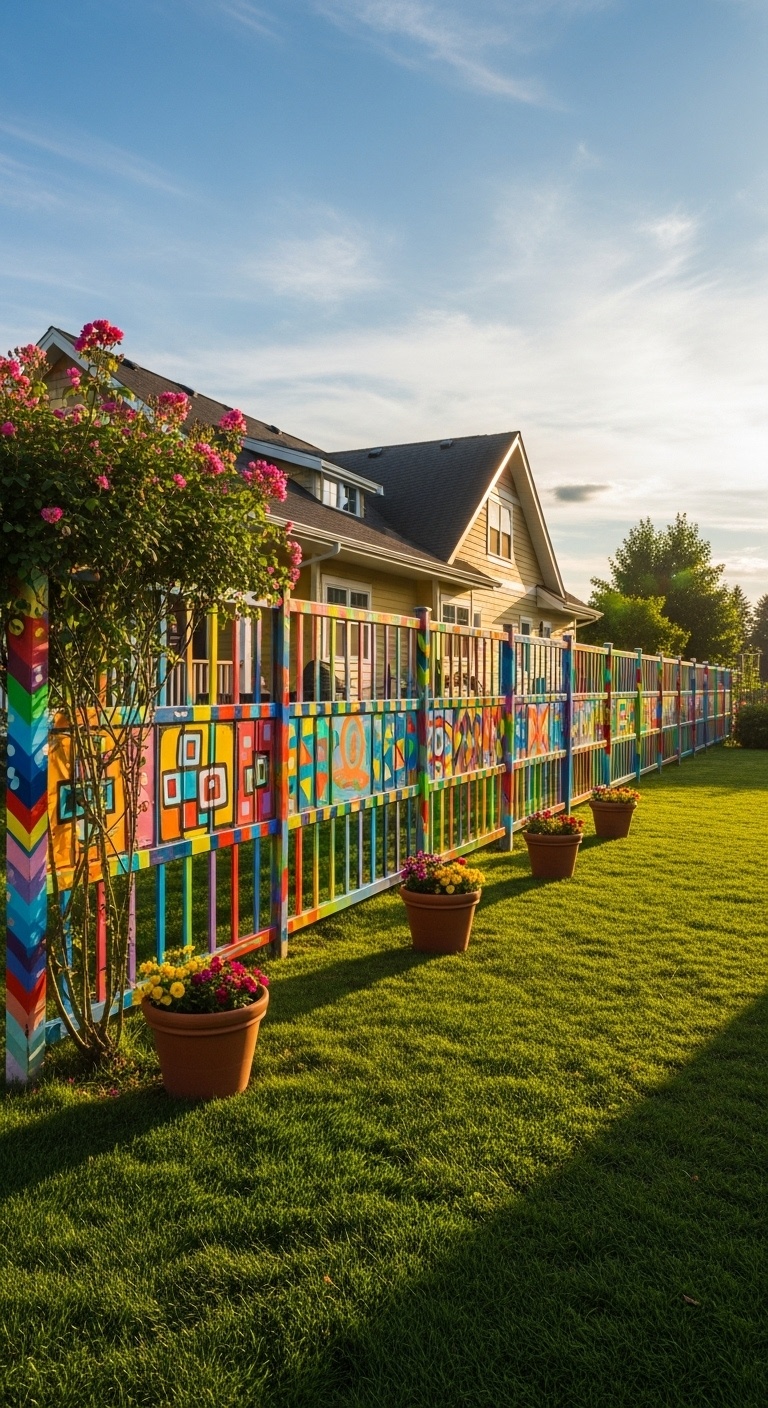
Let’s face it—sometimes your fence just looks tired. A bold coat of paint can wake it up in a hurry and make your whole yard look fresh, no construction required.
Pick a color that matches your vibe—black, deep green, or even a wild coral if you’re feeling brave.
Use spray paint made for metal, and give the panels a good wipe before you start.
You can paint the whole panel or just highlight a few rails for a cool, graphic effect.
Let them dry flat and rehang carefully so you don’t chip your masterpiece.
Repeat the color on gates or planters for a pulled-together look.
Small pops of color go a long way.
Expert Tip From MrPlanter: “Test your paint on a scrap panel first so there are no surprises.
Let painted panels dry for at least 24 hours before moving them.”
6. Wrap cattle panels around trees to create unique enclosures
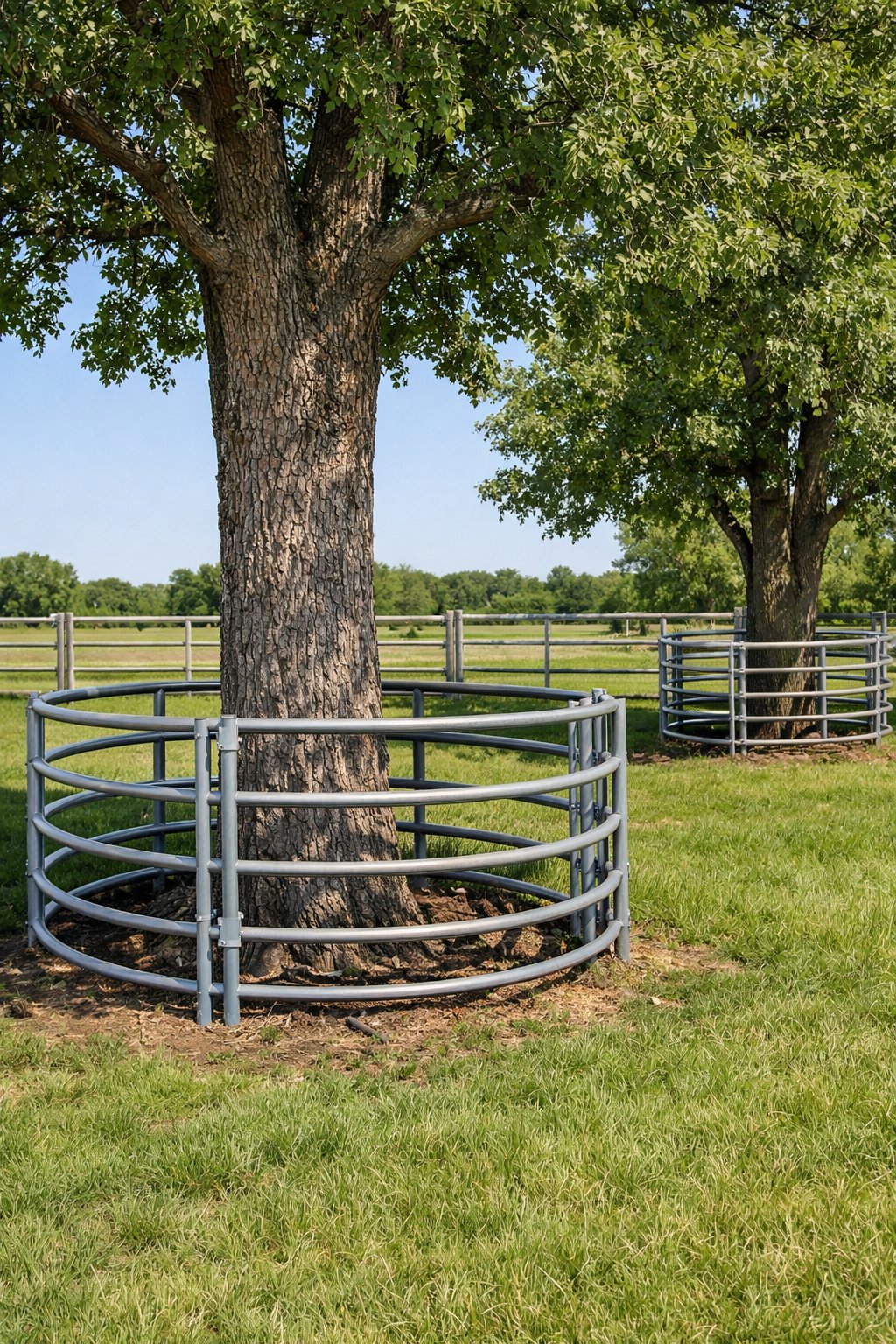
Ever want to fence in something but don’t want to cut down a tree?
Just wrap cattle panels around the trunk and you’ve got a round enclosure that keeps animals, kids, or even plants safe.
Measure out from the trunk to leave space for growth.
Bend the panels into a gentle circle and secure the ends with wire or clamps.
Pop in a gate section for easy access.
If you’re growing plants inside, stake the panels and weave vines through the mesh.
For animals, add a soft barrier at the base to protect the bark and give shade.
It’s simple and doesn’t hurt the tree.
Expert Tip From MrPlanter: “Check the trunk once a year and loosen ties as the tree grows.
Use some soft padding against the bark to prevent rubbing.”
7. Mix cattle panels and stone pillars for durability plus style
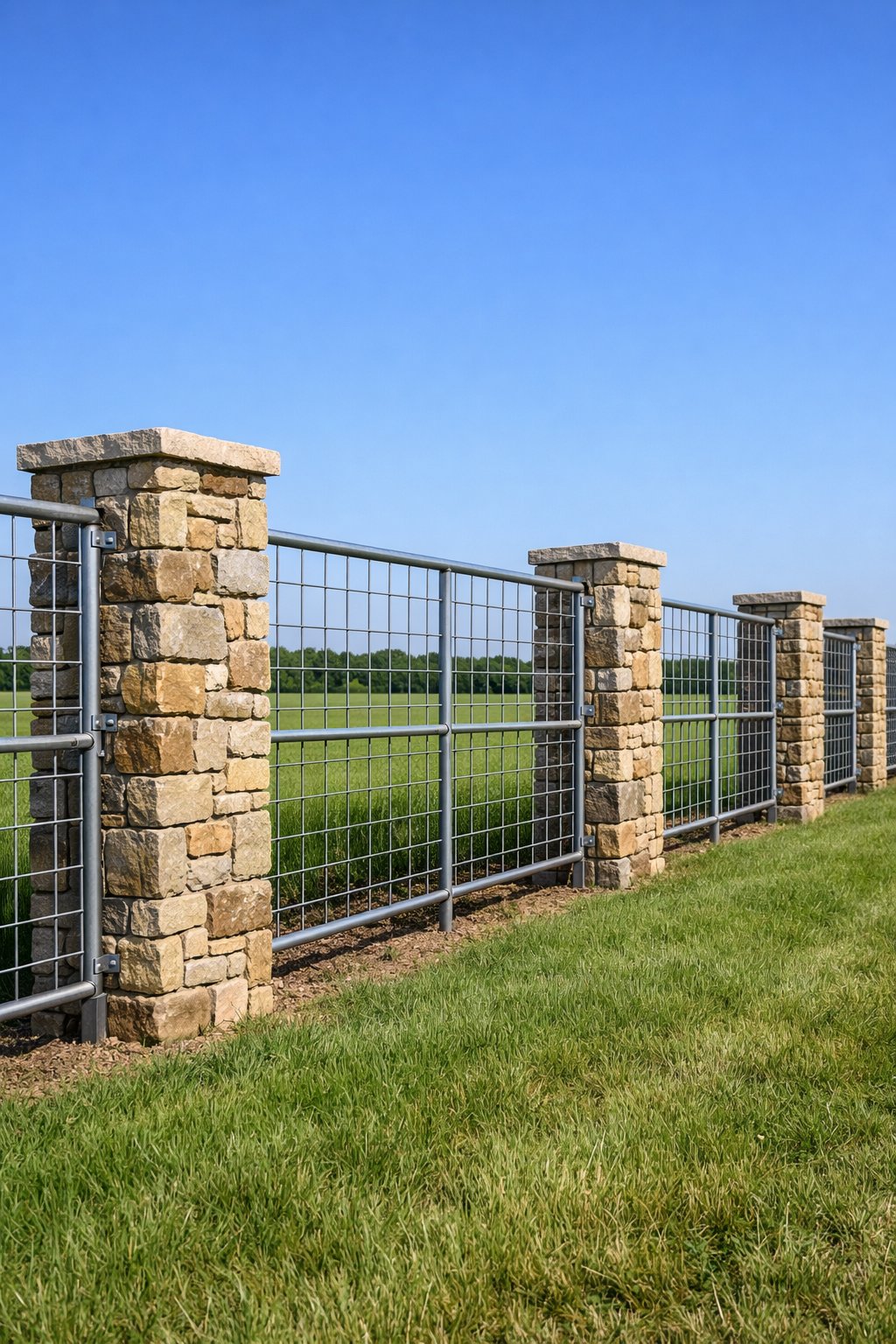
Ever get tired of fences that wobble after one storm?
Mix cattle panels with stone pillars for a fence that looks sharp and stands up to just about anything.
You get all the strength and easy care of metal, plus the classic look of stone.
The pillars anchor the panels, so nothing sags or shifts when the wind picks up or animals lean on it.
Stone pillars also hide the hardware where panels meet posts.
Use local stone for a natural look or dress up concrete blocks if you want to save cash.
Keep gaps small and set pillars on real footings so nothing moves.
This setup works for farms, homes, or garden borders and always looks solid.
Expert Tip From MrPlanter: Pour concrete footings below the frost line to prevent shifting.
Use galvanized clips to attach panels so they won’t rust out.
8. Create a DIY cattle panel gate with decorative metal accents
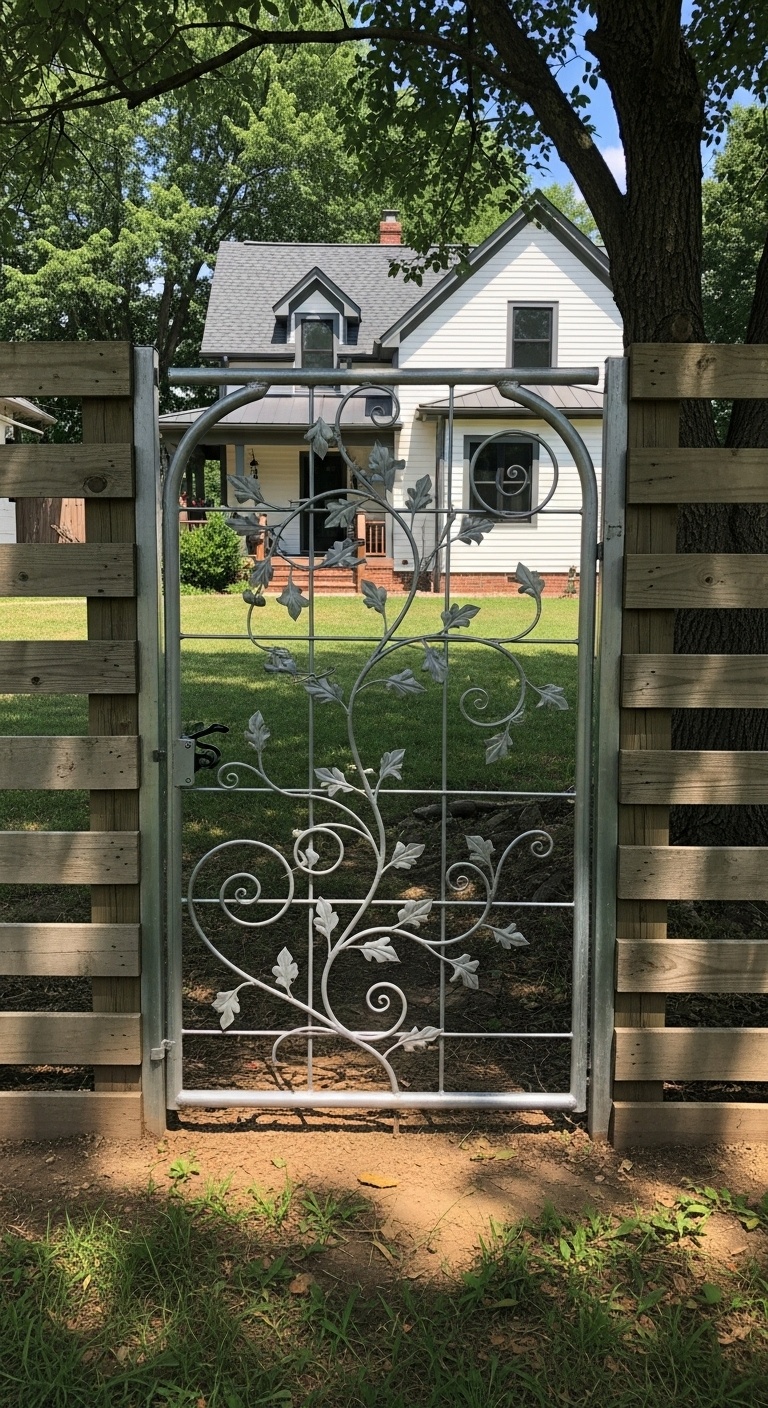
Who says you need a pro for a gate that looks sharp and holds up? Cut a cattle panel to size, attach it to sturdy posts, and you’ve got a strong gate with a custom feel.
Pick out hinges and a latch that match your style.
Weld or bolt on shapes—stars, circles, whatever suits you—so the gate feels personal but not heavy.
Sand and paint your accents before you stick them on to keep rust away and make the design pop.
Add a wooden top rail if you want to hide bolts or just like the look.
Expert Tip From MrPlanter: Measure twice, cut once—trust me, it saves headaches.
Go for powder-coated accents so your gate stays sharp with less work.
9. Install cattle panels horizontally for a sleek, contemporary look
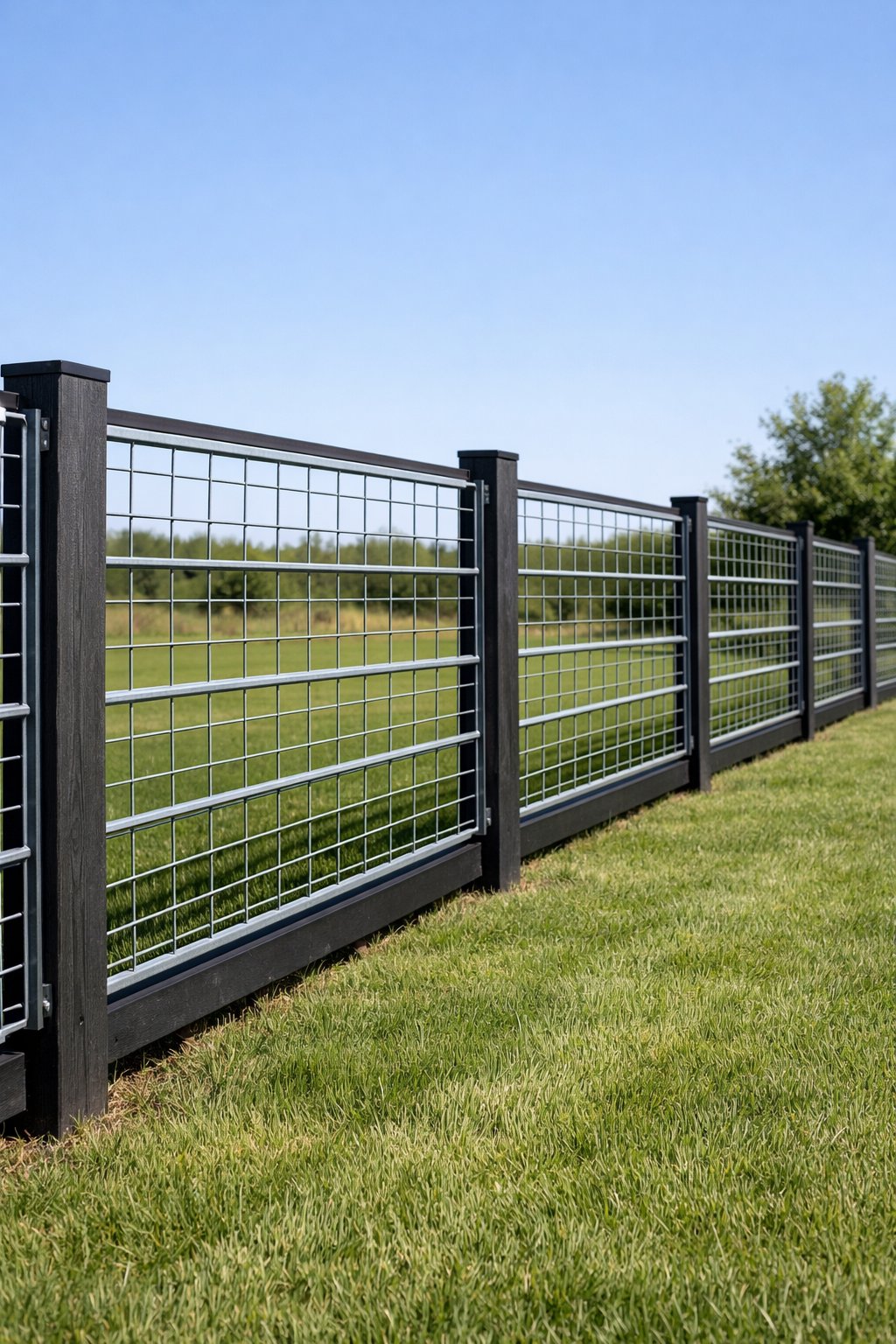
Sick of fences that look like a picket parade? Flip your cattle panels sideways for a sleek, modern look that instantly updates your yard.
Laying panels horizontally makes your fence look longer, especially if you’ve got a small space.
It gives a low, wide feel that fits with modern homes and keeps the view open.
Mix in wood posts or metal frames for contrast.
Horizontal panels also make it easy to add climbing plants or privacy slats just where you want them.
Keep your spacing even and brace the posts well—horizontal panels push a little different than vertical ones.
Top rails or a coat of black paint add a big style punch with hardly any work.
Expert Tip From MrPlanter: “Measure twice before you cut anything. Laying out a test panel on the ground first keeps your fence looking sharp.”
10. Use cattle panels to build raised garden beds with built-in fencing
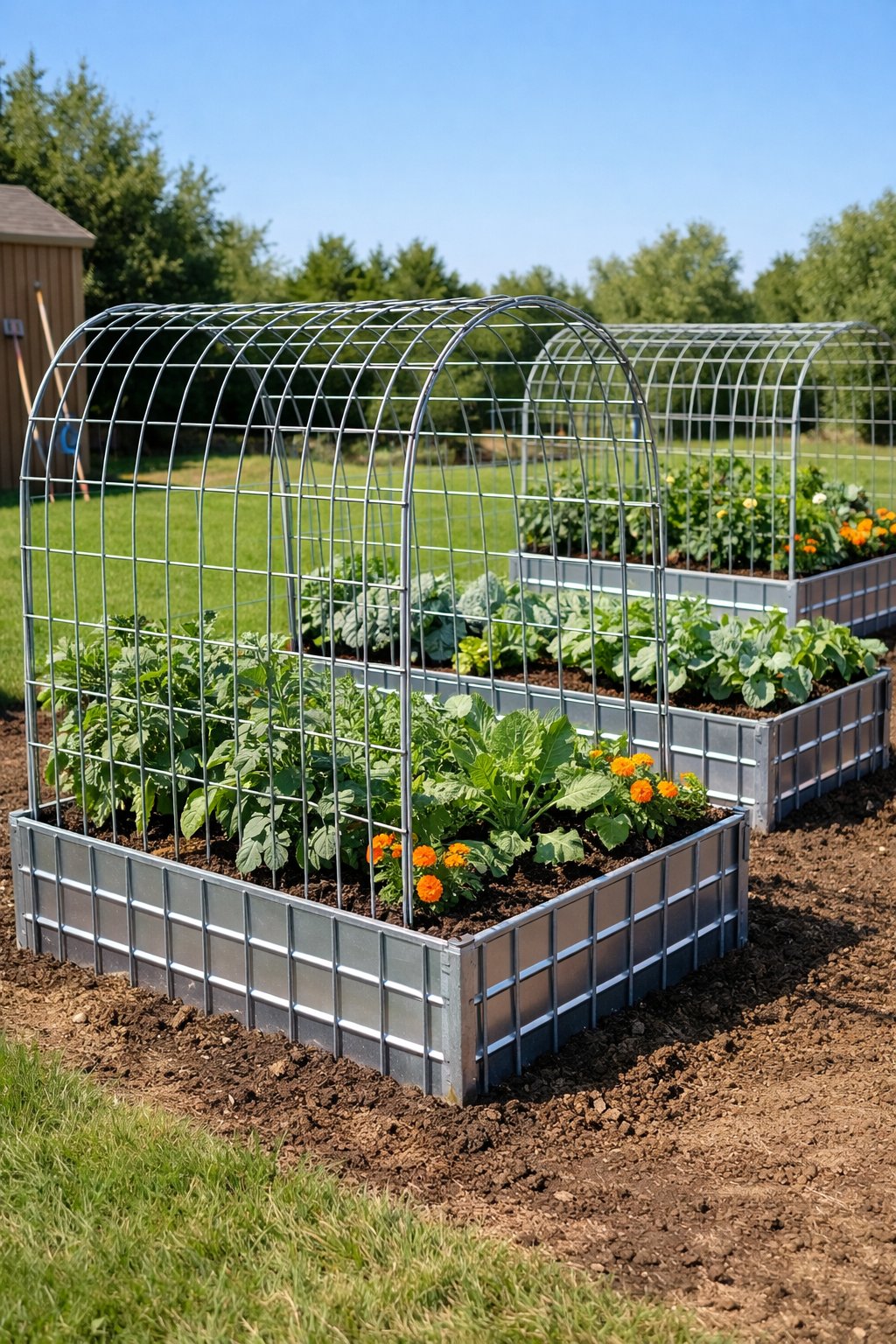
You love fresh veggies, but rabbits and floppy trellises drive you nuts. Cattle panels let you build raised beds with a fence already attached—your plants get protection and support in one shot.
Stand the panel along the edge or bend it into an arch for vining crops.
You get strength for heavy plants, and the grid makes tying up vines super easy.
Metal panels hold up outside and keep critters out—no need for big gates or extra posts.
Paint them, add wire mesh for tiny pests, or leave them raw for that rustic look.
Expert Tip From MrPlanter: “Measure your bed before you buy panels so you don’t end up cutting a ton.
Use T-posts or rebar to anchor everything so your bed lasts for years.”
11. Add solar-powered lights along cattle panel fences for nighttime drama
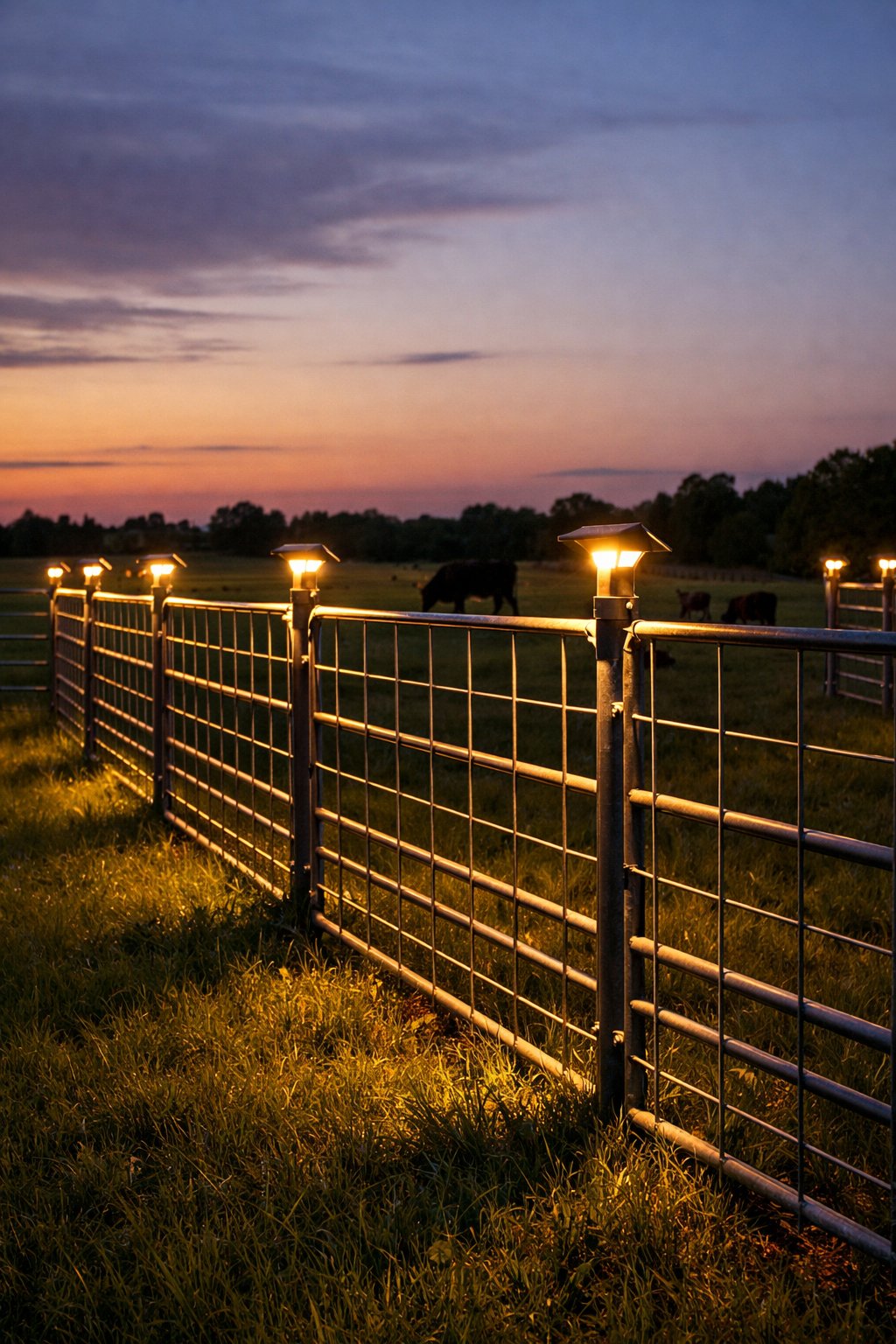
Here’s something fun: just a few solar lights can totally change your whole field at night.
String them along the top rail to make your fence line glow and your place look warm, even after sunset.
You’ll also make things safer. Lights help you spot animals, check gates, and see what’s up—no blinding headlights needed.
Pick weatherproof lights and put them where they won’t bother the cows.
Mix soft white for paths and brighter ones for gates.
Solar lights keep things cheap and work great where you can’t run power.
No wires, no problem.
Expert Tip From MrPlanter: Space lights evenly and test them before the long winter nights. Wipe off the panels so they charge up every day.
Surprising Fact: A cattle panel can give you solid privacy in a day, even before plants fill in.
12. Incorporate cattle panels into privacy screens with fabric backings
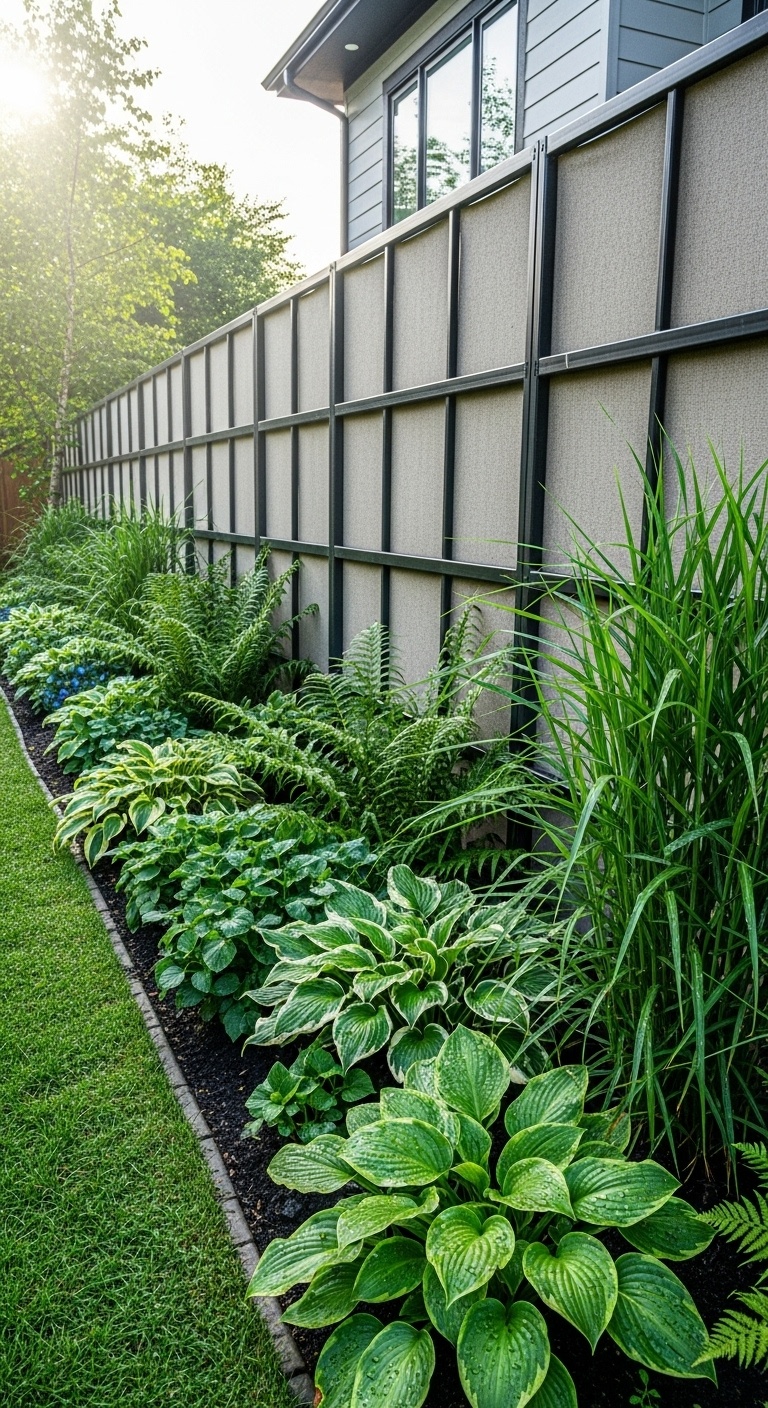
Clip weatherproof fabric or shade cloth to the back of a cattle panel and, boom, you get instant privacy. Zip ties or metal clips make attachment a breeze, and you can pick colors that actually match your yard instead of clashing with your plants.
The fabric softens up the harsh metal look and blocks some wind and sun, too. If you want to switch things up, swap panels for a different style or double up the fabric for extra privacy.
Hang the panels between posts or just lean them against a fence if you’re in a hurry. Later, let vines climb over the fabric, or go for slatted panels so roots can breathe.
Expert Tip From MrPlanter: “Go for UV-rated fabric so it lasts, and hem the edges so you don’t end up with a frayed mess. Test a small spot first to see how much light actually comes through.”
13. Make a double-layer fence with cattle panels for extra livestock security
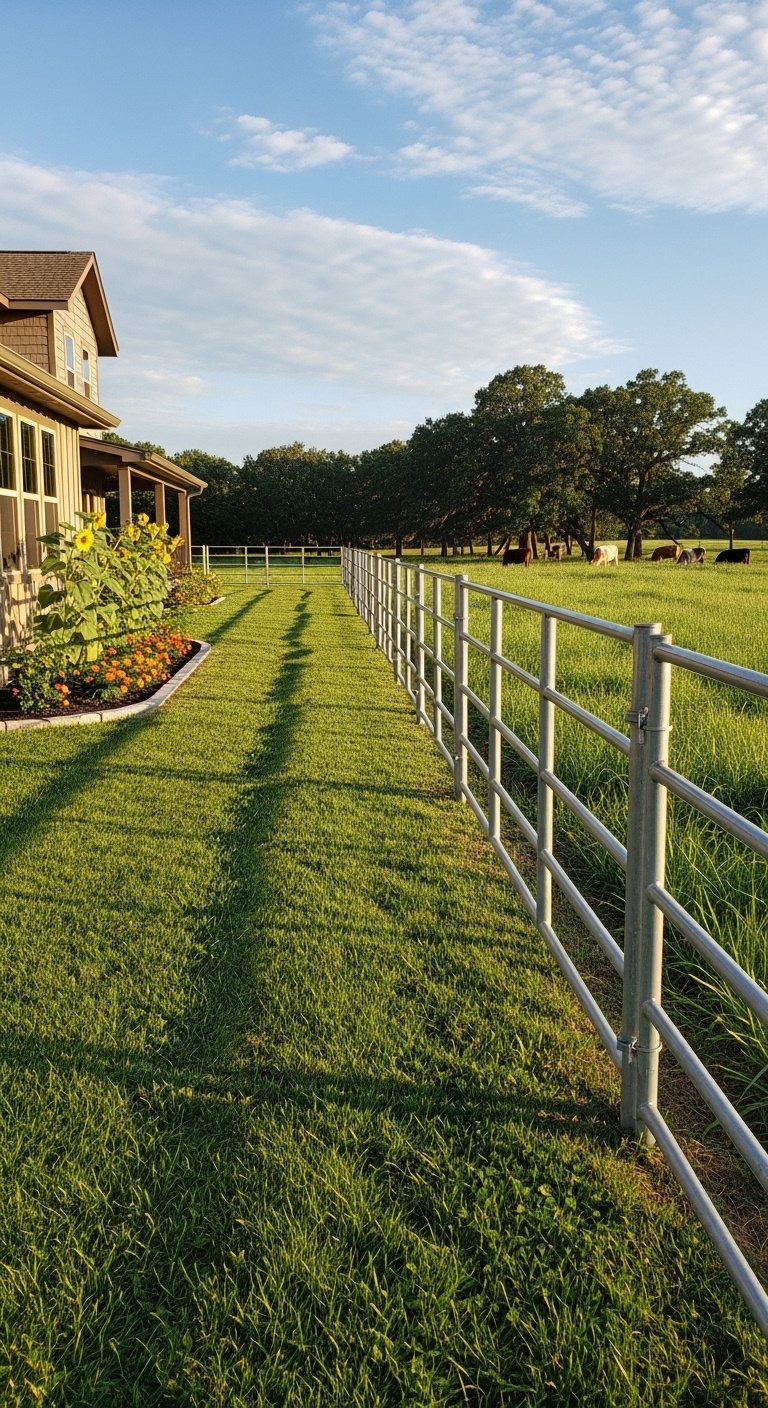
Here’s a little secret: one panel doesn’t always cut it when you’ve got escape artists in your herd. I run two parallel rows of cattle panels a few feet apart to keep stubborn cows or nervous sheep from making a break for it.
The gap between panels is perfect for adding woven wire, electric tape, or even some brush to block hooves and curious noses. This setup cushions impact better than a single fence, so animals don’t hurt themselves as much if they get rowdy.
You’ll need more posts and a bit more time, but honestly, it’s a simple upgrade with basic tools and regular panels.
Expert Tip From MrPlanter: Line up your gates on both panels so you don’t have to do the fence limbo. After a month, check the tension—animals love to test your handiwork.
14. Turn cattle panels into vertical herb gardens for kitchen convenience
Surprising Fact: You can fit a mini herb garden on a wall no wider than a toaster.
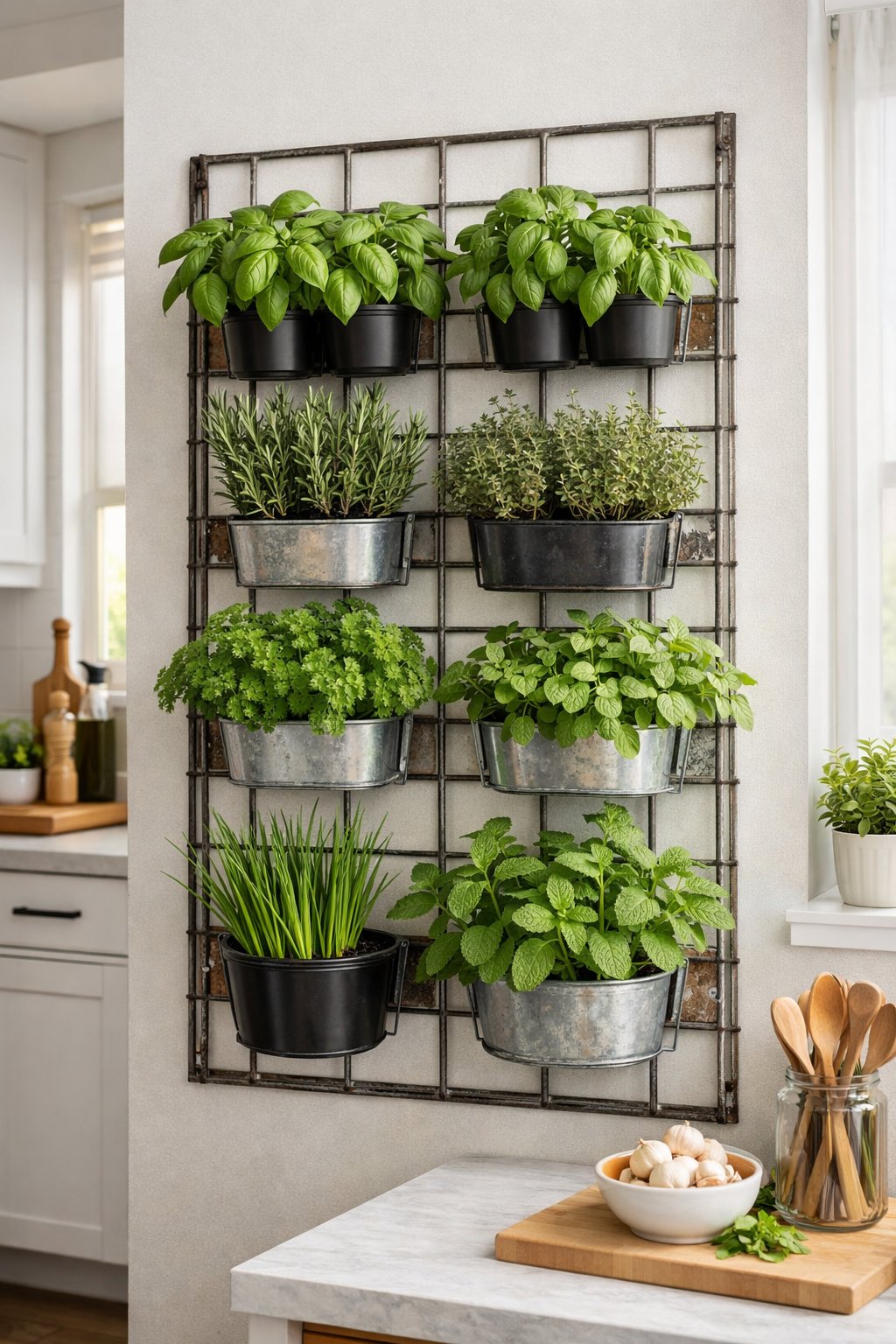
Ever wish you could just reach over and grab fresh basil while you cook? Hang a cattle panel near your kitchen and you’re halfway there.
Slide small pots or old cans into the grid, or use fabric pockets for soil and herbs. Suddenly, your herbs are right where you need them, and you’ve saved counter space for more important things—like snacks.
Pick sun-lovers for a bright wall and shade fans for those dim corners. Water from the top, let the extra drip out, and keep your pots light so you can move the panel if you want.
Expert Tip From MrPlanter: “Start with easy herbs like basil, parsley, and chives so you don’t bite off more than you can chew. Swap pots out each season and you’ll always have something tasty on hand.”
15. Use weathered cattle panels for that aged, rustic patina feel
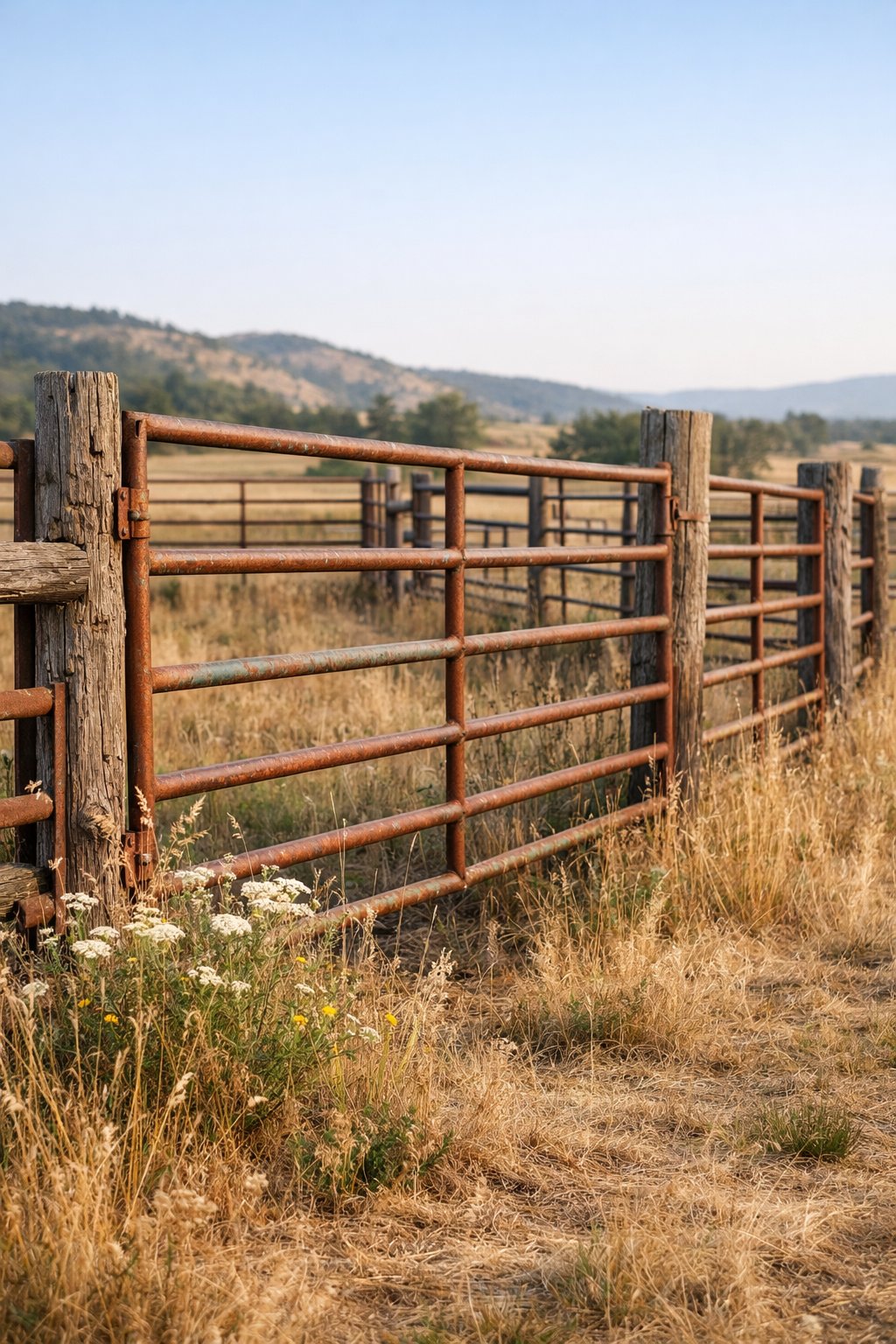
Honestly, rust gets a bad rap—sometimes it’s exactly the look you want. If you love that warm, lived-in charm, weathered cattle panels give your fence a natural patina that just fits with plants and old wood.
Lean into the rust and faded paint for a vintage vibe. Pair the panels with rough posts or reclaimed wood for extra texture.
Mix old and new panels to keep your fence strong where it counts. Let vines or climbing roses go wild for a little seasonal color and softness.
Expert Tip From MrPlanter: Brush on a clear sealer where rust might weaken the wire, and check those fastenings every year. A little attention keeps your fence safe and still looking cool.
16. Frame cattle panels with recycled barn wood for sustainable charm
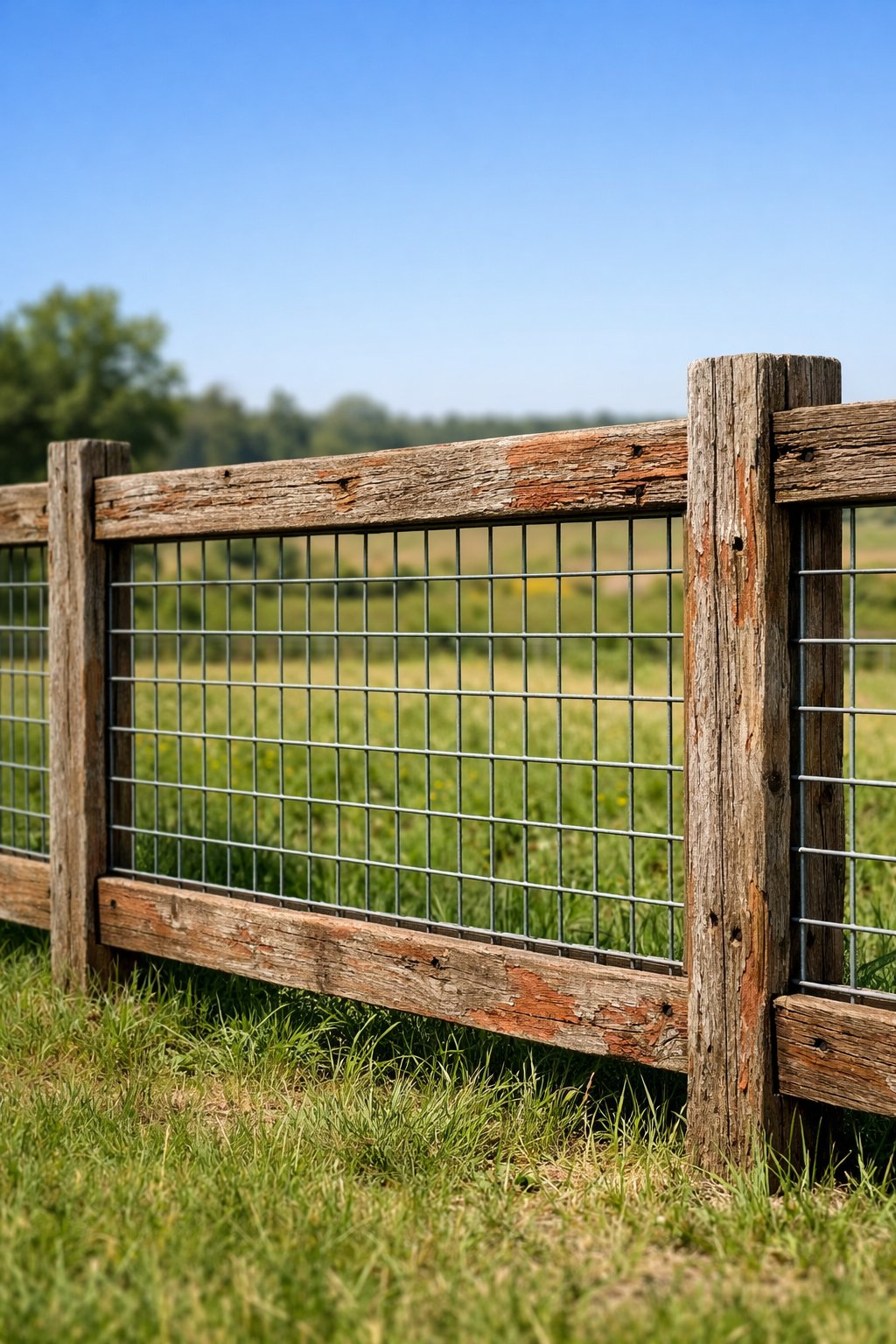
Who says you need brand-new lumber for a fence that looks good and lasts? Frame cattle panels with old barn wood and you get a cozy, lived-in look that’s still tough.
The wood adds texture and covers up any rough edges, while the panels do the heavy lifting. Mix wood tones for a patchwork effect that looks like you planned it that way.
Set your posts in concrete and use galvanized brackets to keep everything tight. This combo is friendly to both the planet and your wallet.
It gives your yard some personality, and you don’t have to spend a fortune.
Expert Tip From MrPlanter: Line up the wood grain with your fence lines so repairs blend right in. Store extra boards flat and dry—no one wants warped wood.
17. Create pet-friendly pens using cattle panels and soft ground covering
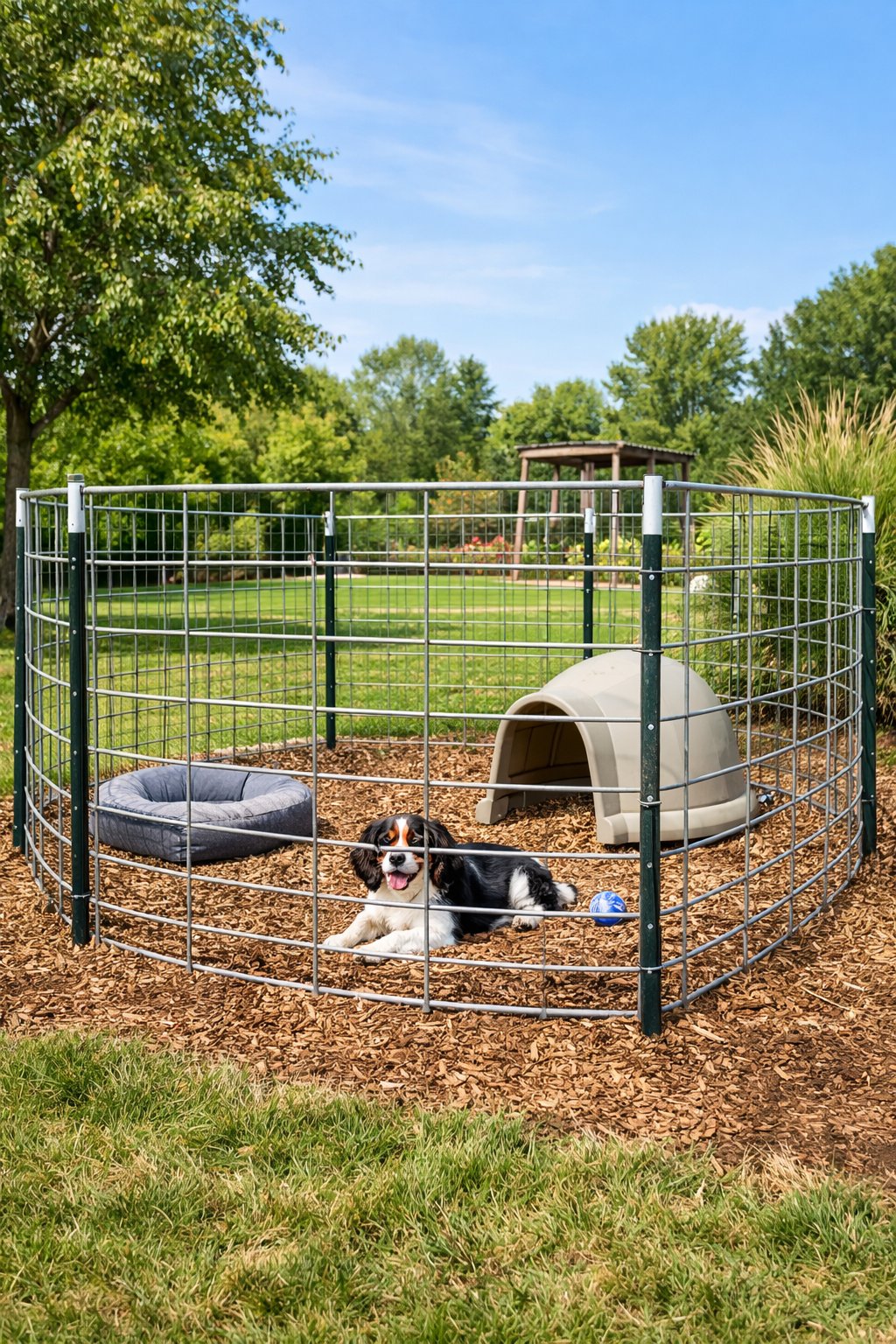
Ever want a safe play spot for your pet but dread muddy paws or digging disasters? Cattle panels make sturdy walls you can set up fast.
Dogs, rabbits, or even goats stay put, and the open panels let in lots of fresh air. Lay down soft ground like pea gravel, rubber mats, or coarse sand to keep paws comfy.
Add a raised platform or a shady patch so your pet can relax and watch the world go by. Anchor the panels with T-posts or concrete at the corners to keep everything upright.
Use zip ties or clamps to join panels so you can resize the pen if you want. Flexibility is the name of the game here.
Expert Tip From MrPlanter: “Start small to test the footing, and swap out ground covers if it’s not working. Toss in a couple of shaded spots—your pet will love you for it.”
18. Install cattle panels with electric wire for extra livestock control
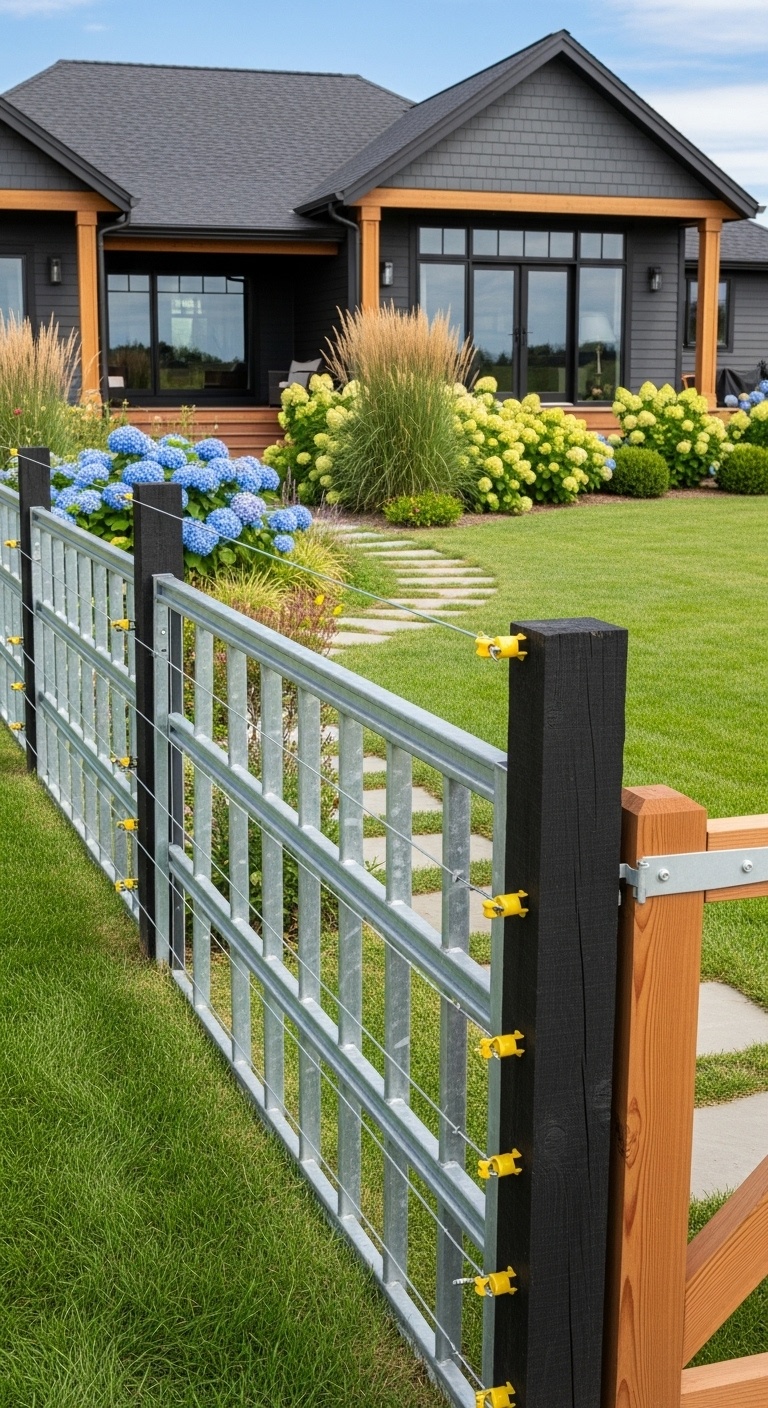
Let’s clear this up—electric wire isn’t mean. It’s actually a clever way to show animals where the “no-go” zone starts.
You can keep your regular panel fence and then just run a single hot wire to really spell things out for your cows.
Run the wire along the top or just outside the panels. That way, the cows get a little zap warning and don’t need a giant fence staring them down.
It works especially well for those nosey cows. If you’ve got a mixed group with goats or sheep, it keeps everybody in line.
Grab an energizer made for livestock (don’t skimp here), and stick up warning signs anywhere people might stroll by.
Test your fence often—like, actually walk out and check it. Look at the insulators, connections, and grounding so you don’t get any surprises.
Expert Tip From MrPlanter: Keep the wire about 6–8 inches from the panel so cattle feel it before they hit the metal. Test the zap with a meter and tweak it for safety and effectiveness.