You can turn a plain backyard into a playful, easygoing wild space that keeps you guessing every season.
Seriously, you’ll find simple ways to let native wildflowers, self-seeding herbs, volunteer sunflowers, and bold grasses do most of the heavy lifting while you just sit back and watch.
Here are 16 chaos garden ideas to get your creative juices flowing and help you welcome pollinators, color, and movement—no strict rules needed.
Get ready for easy tips: toss seeds, let plants wander, and build wild patches that pretty much handle themselves.
1. Let native wildflowers seed themselves for surprise bursts of color each year
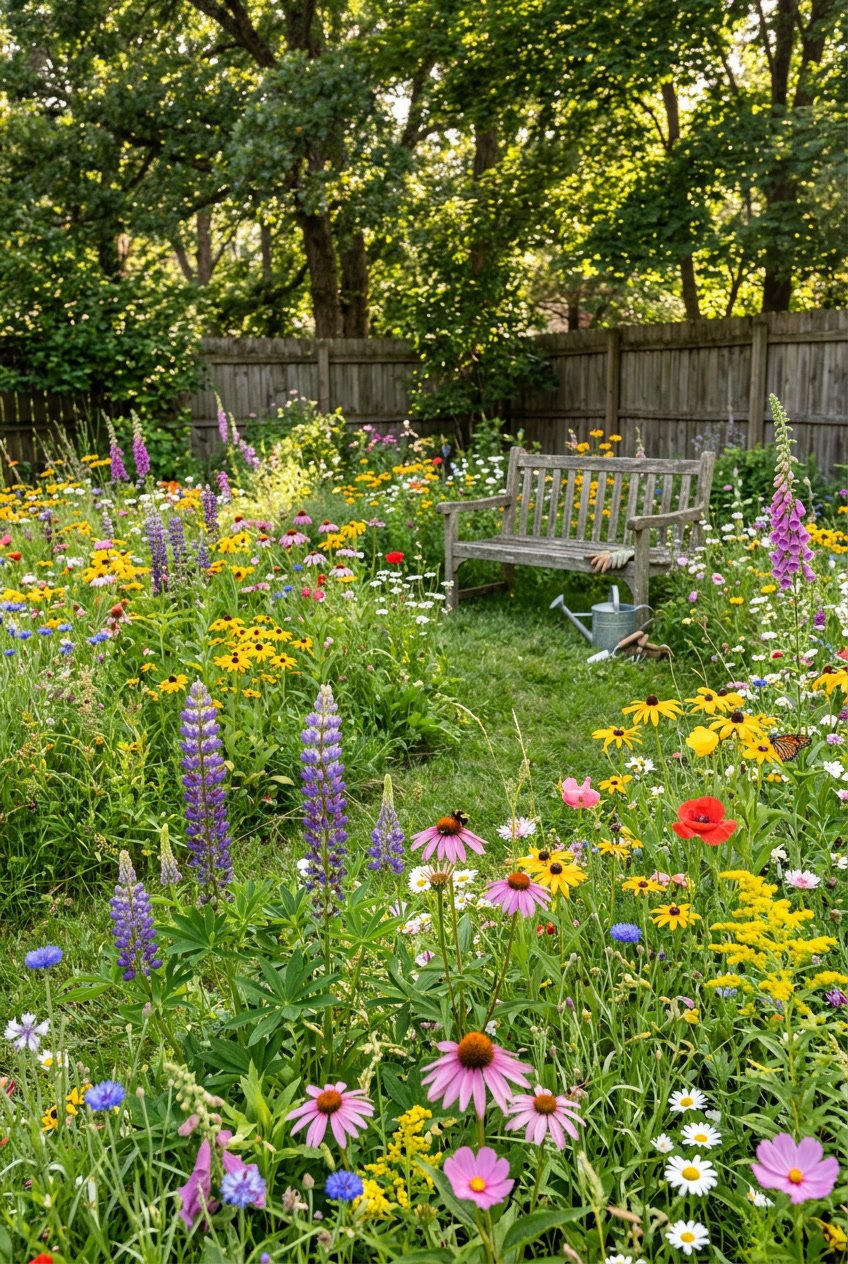
Wildflower seeds have a sneaky way of planning next season’s color while you’re just hanging out. If you let native annuals and perennials drop seeds, they’ll bring back color with almost zero effort.
Pollinators get a steady buffet, and native plants usually handle your local soil and weather better than those fancy imports.
Toss some seed now, or let old blooms drop right where they are. In spring, thin out crowded spots and yank aggressive weeds so new plants get their shot.
Expert Tip From MrPlanter: Leave a patch unmowed in fall so seeds can settle and chill through winter. Toss local wildflower mixes now and let luck do the rest.
2. Plant hardy self-sowing herbs like chives and thyme to keep the chaos flavorful
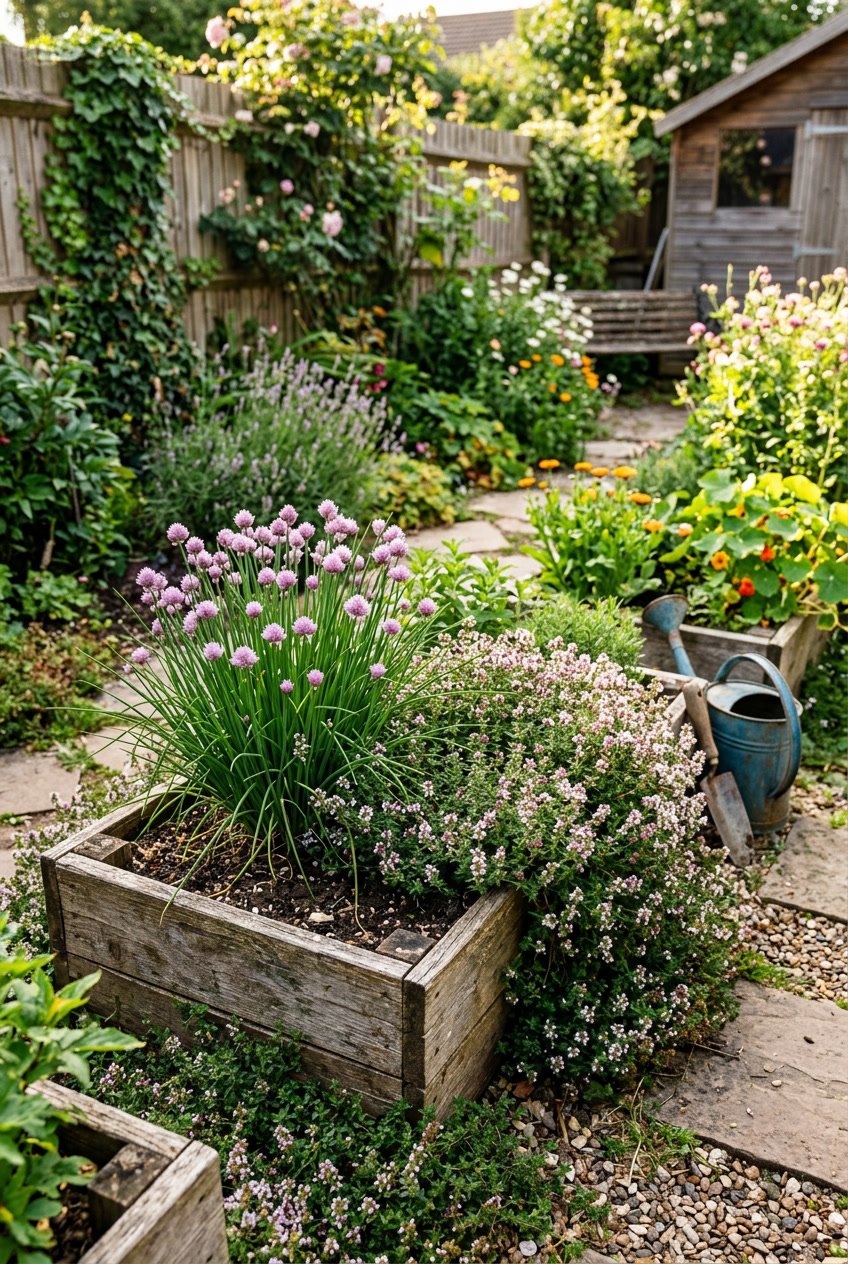
A little chaos in the herb patch means your kitchen stays stocked for months. Chives and thyme are tough cookies—they spread seed or clump up, filling gaps and coming back every year.
They barely need any attention. Chives give you onion-flavored greens and cute flowers, while thyme brings earthy taste and keeps slopes or pavers from looking bare.
Pop them in a sunny, well-drained spot and let a few flowers go to seed. If seedlings get crowded, thin them out, and keep harvesting to make the plants bushier.
Expert Tip From MrPlanter: “Let a few heads flower and go to seed for natural reseeding. Divide big clumps every couple years to keep the flavor fresh.”
3. Scatter milkweed to invite butterfly guests and share the party vibe
Surprising Fact: Monarch caterpillars only eat milkweed, so if you plant it, you’re basically rolling out the red carpet for them.
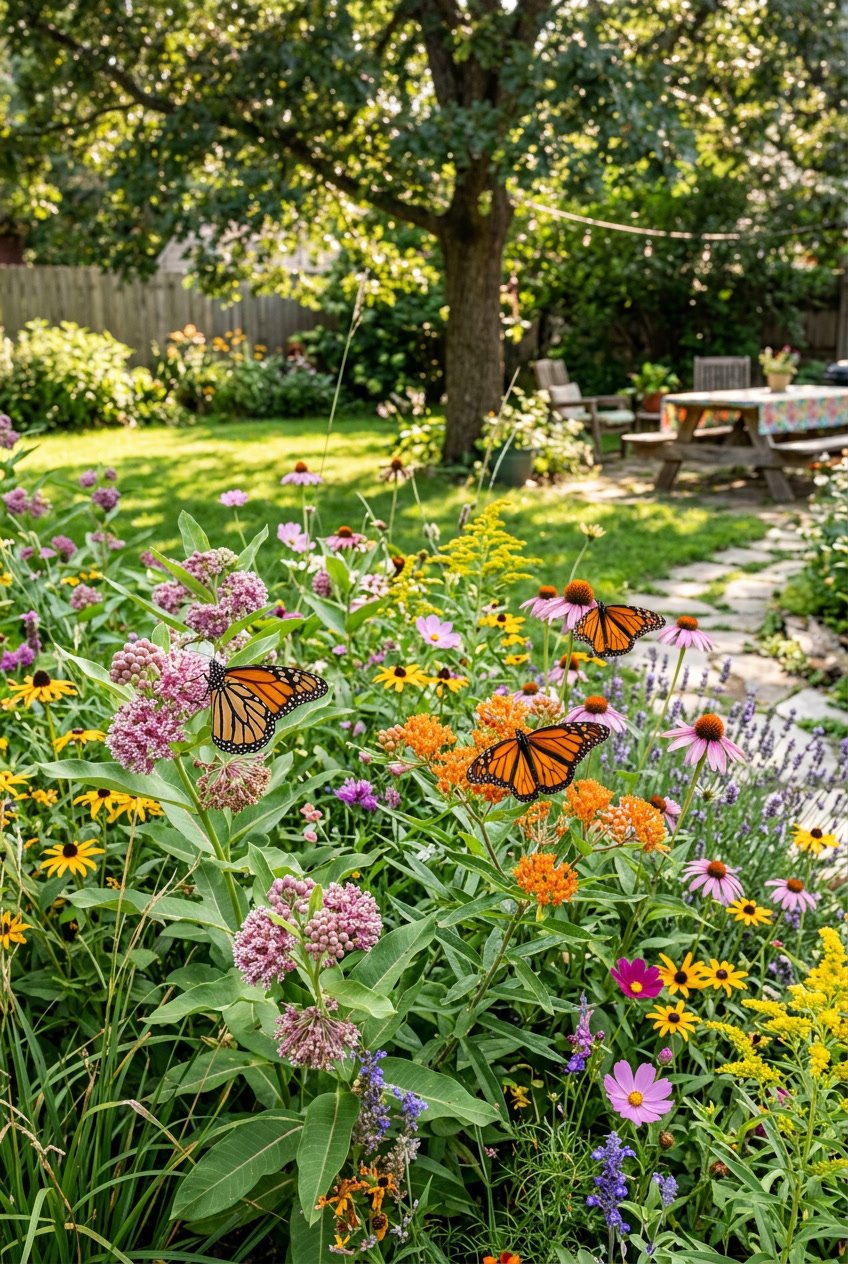
Go ahead and toss milkweed seeds in sunny spots, then just watch the butterfly parade. Milkweed grows fast in most backyards and gives caterpillars a place to munch and grow.
Mix in nectar flowers like coneflowers and salvia to keep the butterflies coming back for more. You’ll feed both the babies and the grown-ups, so your garden buzzes with life.
Leave some wild patches and skip the heavy pruning. Butterflies love a little mess, and you’ll see more of them when things feel natural.
Expert Tip From MrPlanter: “Start small with native milkweed near other blooms for nectar. Water until it’s settled, then let nature take over.“
4. Create mini wild patches by tossing seeds at random—embrace the mess!
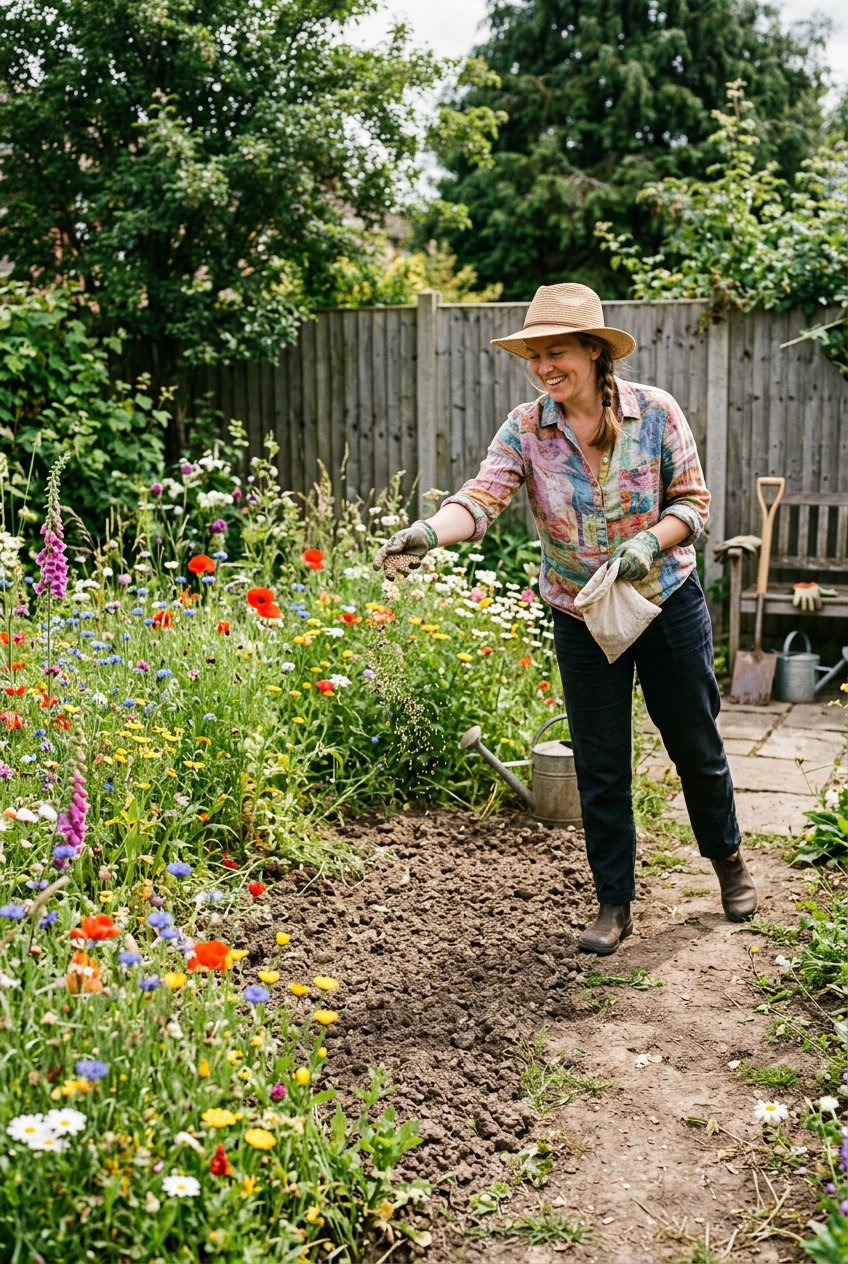
Forget perfect rows—sometimes, beauty just needs a good toss. Throw mixed wildflower or native seeds over a patch and let them duke it out. It gets wild fast, but that’s the fun.
Pick seeds that don’t mind sun or shade, especially if your yard’s a bit unpredictable. Press seeds into the soil so they touch dirt, water lightly, and then just let things happen.
You’ll get gaps, surprises, and wild color combos you never planned. Pull out bossy weeds now and then, and thin crowded sprouts if one plant tries to hog the spotlight.
Expert Tip From MrPlanter: Start with a small patch to see what actually likes your yard. Check in once a week and only pull the big, pushy weeds.
5. Let your morning glories climb anything they want, even your neighbor’s fence
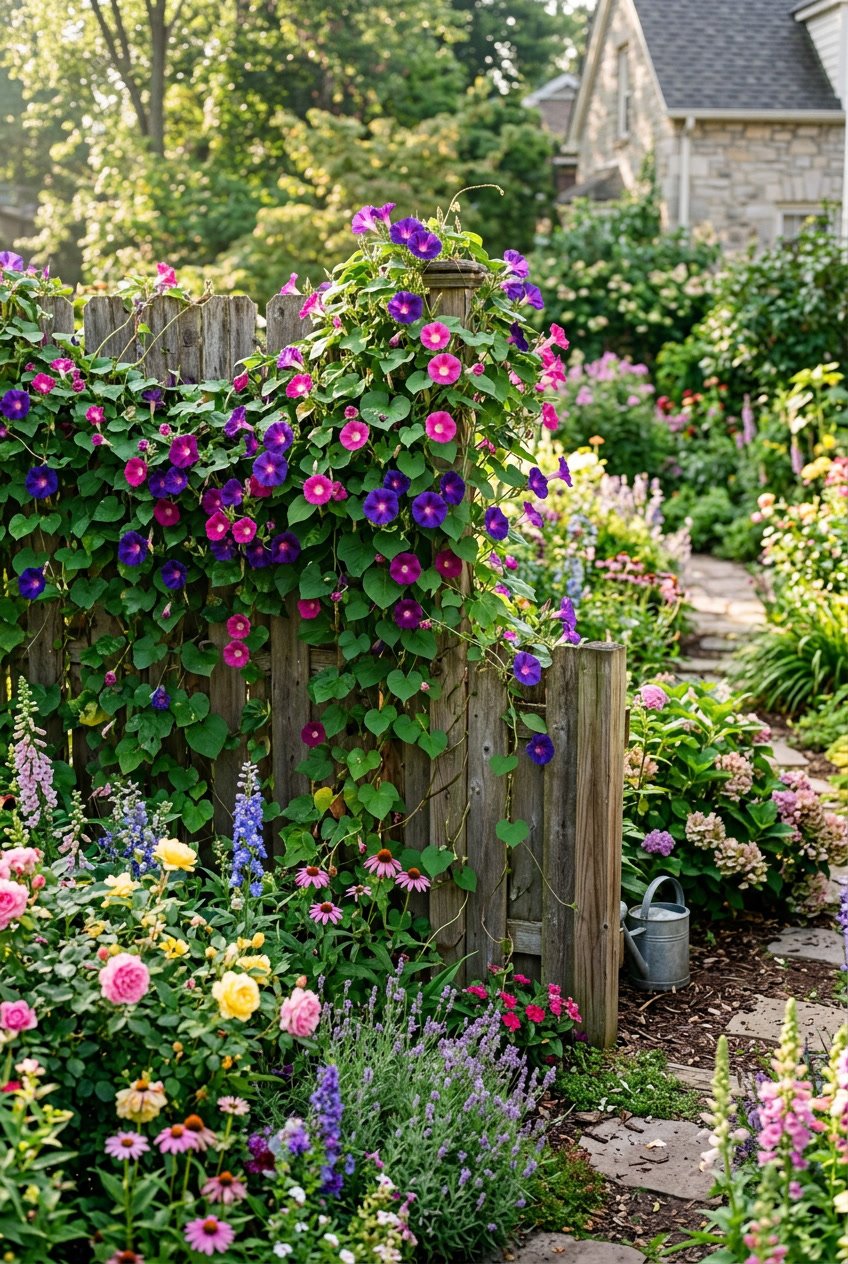
Morning glories don’t take over overnight—they just really, really like to climb. Plant them at the base of a fence, trellis, or even an old rake and watch the blooms open up every morning.
Help the vines with a string or netting for the first couple of weeks. They’ll grab on and take off, filling in gaps and adding color without much fuss.
Keep them watered and snip off old blooms to slow down the seed spread. If your neighbor isn’t a fan, stick to planters on your side or run vines up ropes that stay in your yard.
Expert Tip From MrPlanter: Plant morning glories in containers near the fence to keep roots on your turf. Snip off seed pods in late summer to avoid surprise seedlings everywhere.
6. Mix tall grasses with flowers to add dramatic movement without fuss
Tall grasses won’t take over if you pick the right ones and keep them in check.
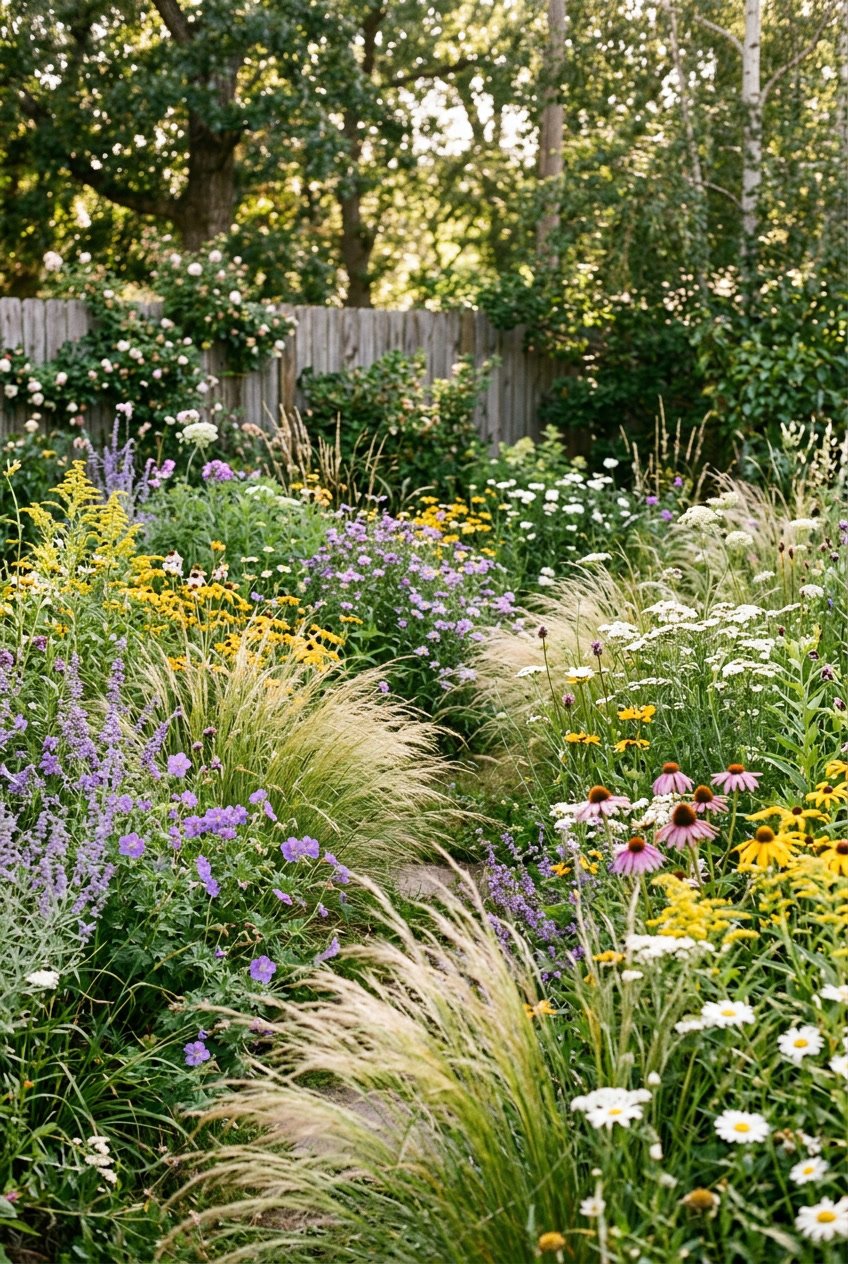
Grasses make a garden feel alive. Plant clumps of ornamental grasses behind shorter flowers so you can see the blooms but still get that swaying action up top.
Choose clumping types that don’t send runners everywhere. They keep their shape all season and don’t need much attention.
Pair fine, wispy grasses with bold, colorful flowers for a cool contrast. The grasses soften the edges and catch the light, while the flowers bring in color and scent for pollinators.
Expert Tip From MrPlanter: “Group grasses and flowers together for a natural look. Chop back grasses in late winter to keep things tidy.”
7. Use volunteer sunflower seedlings as nature’s own garden fireworks
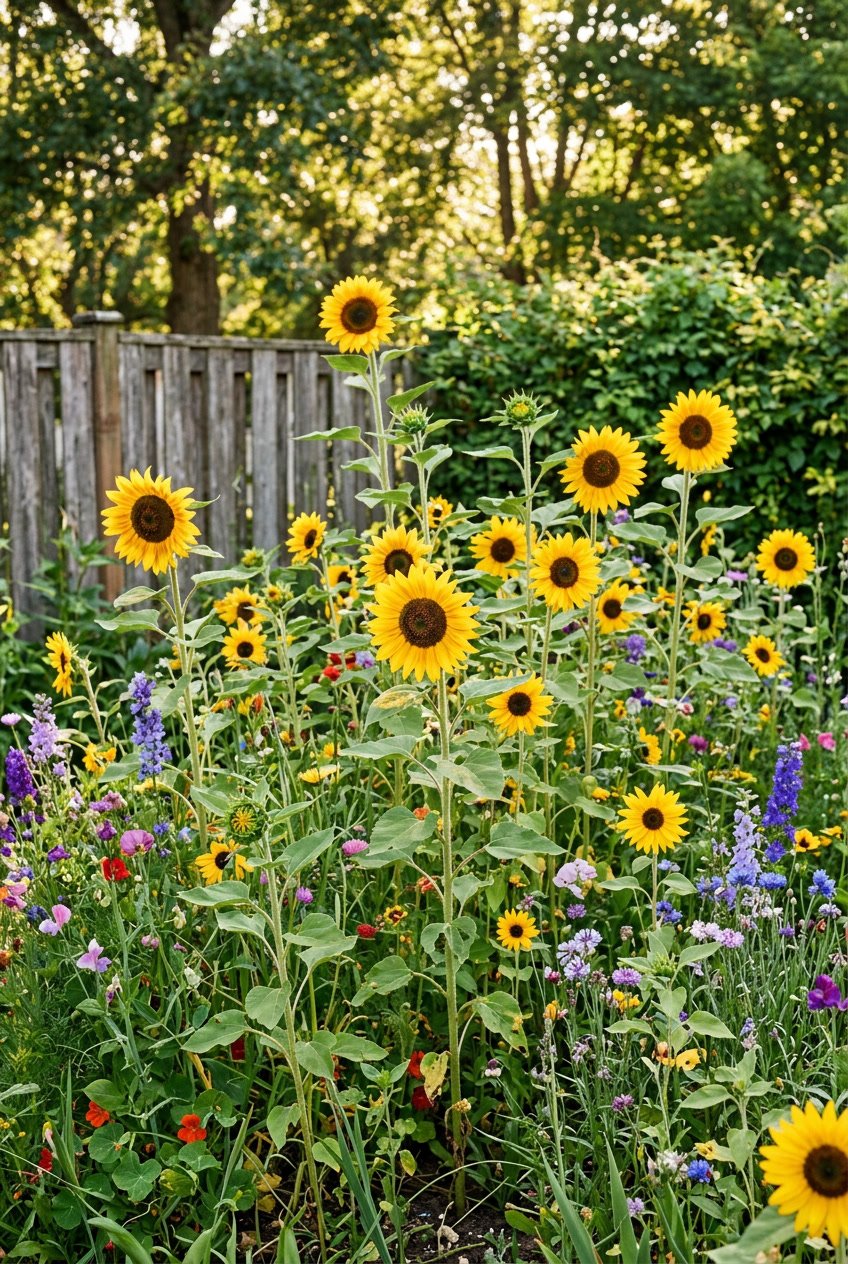
Volunteer sunflowers just show up sometimes and light up a bed overnight. Let them grow where they pop up and you’ll get tall, golden blooms that feel like party confetti.
You don’t have to plant every seed. Leave some volunteers and they’ll save you time, money, and feed bees and birds too.
If a sunflower lands in a weird spot, move it while it’s small. Pinch off weak stems so the strongest ones get the space and sun.
Expert Tip From MrPlanter: Save seeds from your favorite volunteers to replant next year. Mark the spots you liked best so you remember them.
8. Incorporate unpredictable plants like foxglove that pop up where they please
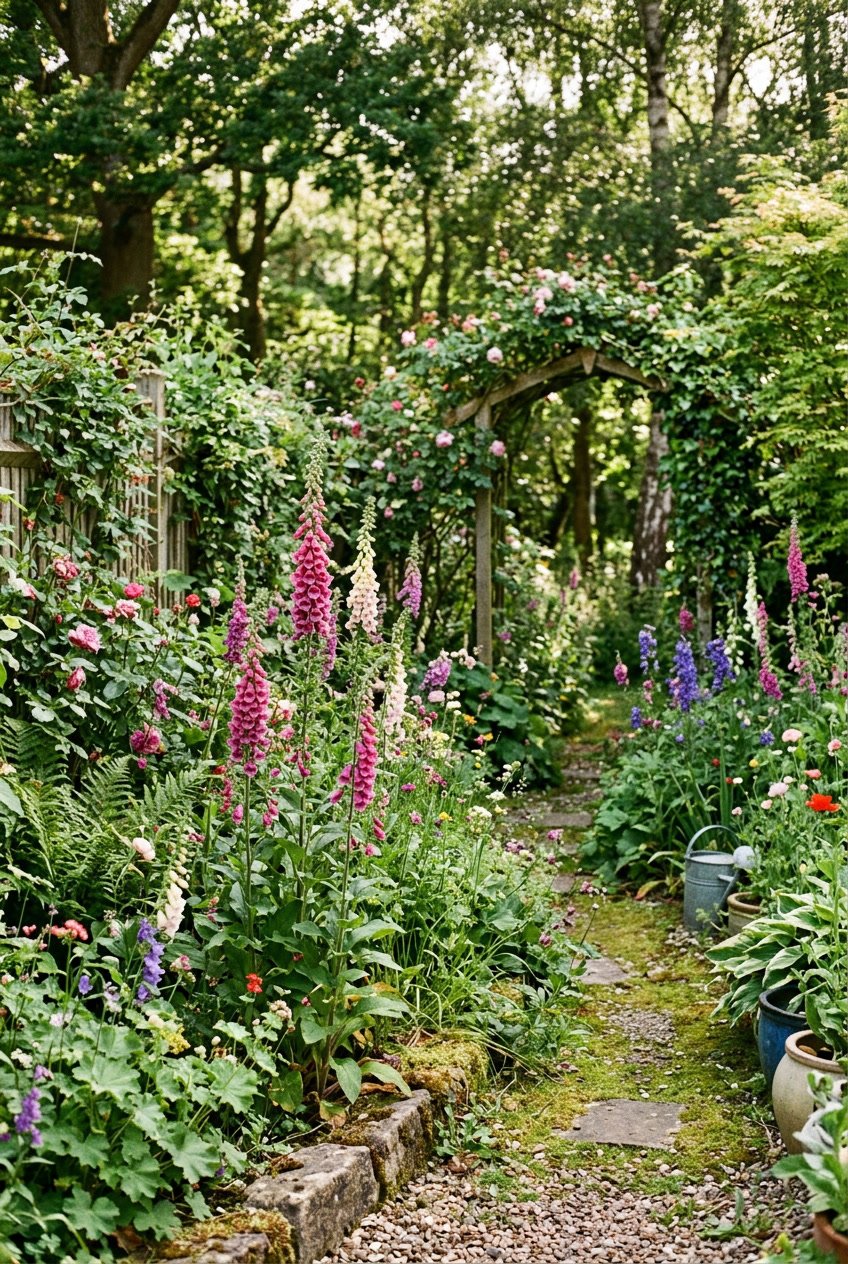
Foxgloves are wild cards—they often reseed and show up in new places without you lifting a finger. Let them do their thing, and you’ll get surprise color every year.
Tuck foxgloves into shady corners, along paths, or behind low growers. Their tall spikes give you some drama and break up flat beds with vertical flair.
They’re poisonous, so keep them away from kids’ play spots and veggie beds. But if you plant them wisely, they make the garden look like something out of a storybook.
Expert Tip From MrPlanter: Put foxglove where you won’t trip over it, and let a few go to seed each year. Save some seeds in a jar to share or move around next season.
9. Add patches of clover to feed pollinators and control weeds stealthily
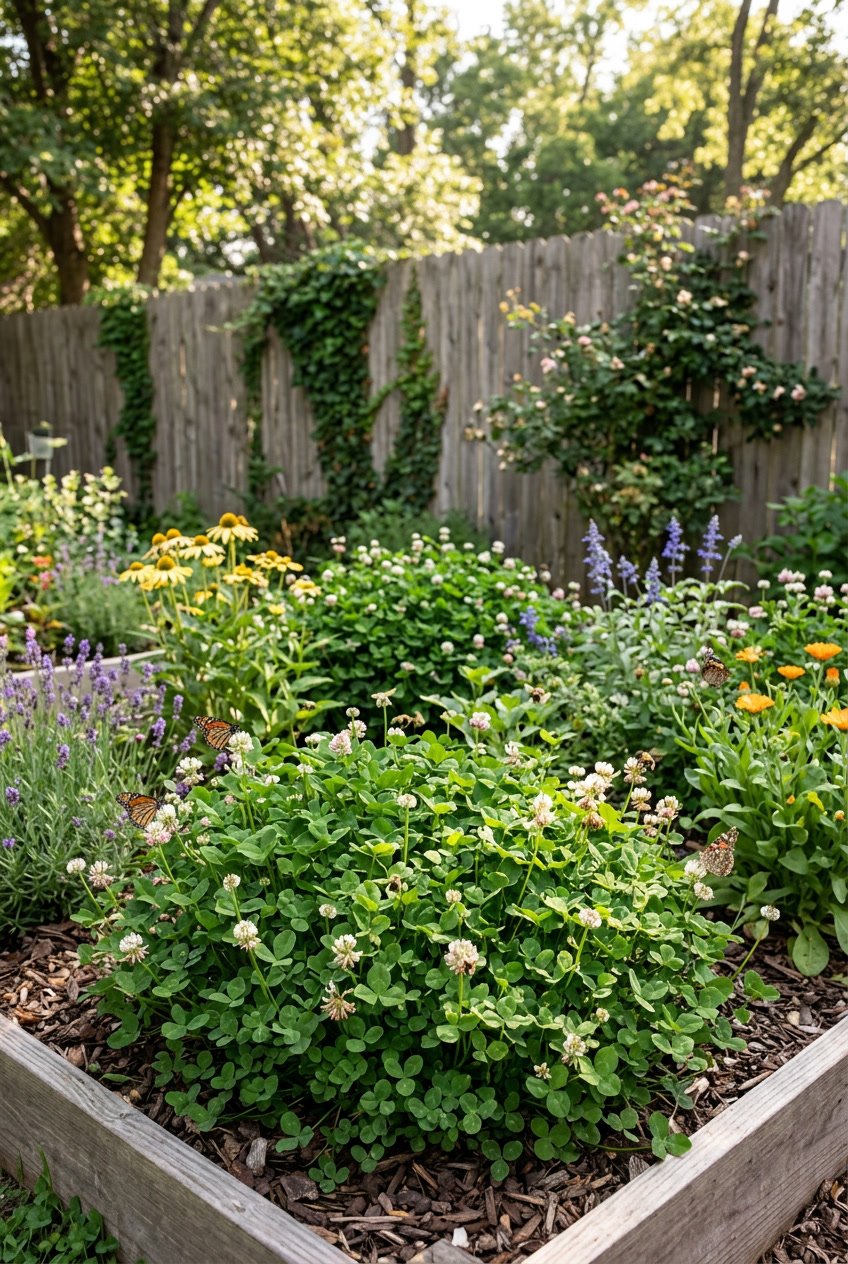
Clover can cut down your mowing time and still keep bees happy. Plant small clover patches near fruit trees or along paths and you’ll give pollinators a steady snack without losing your yard.
Clover blooms draw in bees and other helpful bugs, so your flowers and fruit will do better. It also covers bare dirt, crowds out weeds, and keeps things pretty low-maintenance.
Go for white clover or microclover for a neat look that stands up to foot traffic. Sow in cool weather, water until it settles in, and mow just enough to keep the flowers coming.
Expert Tip From MrPlanter: Try a tiny test spot first to see how it acts in your yard. Let it bloom a couple times before you go big.
10. Throw in some forget-me-nots and watch them pop up uninvited (in a good way)
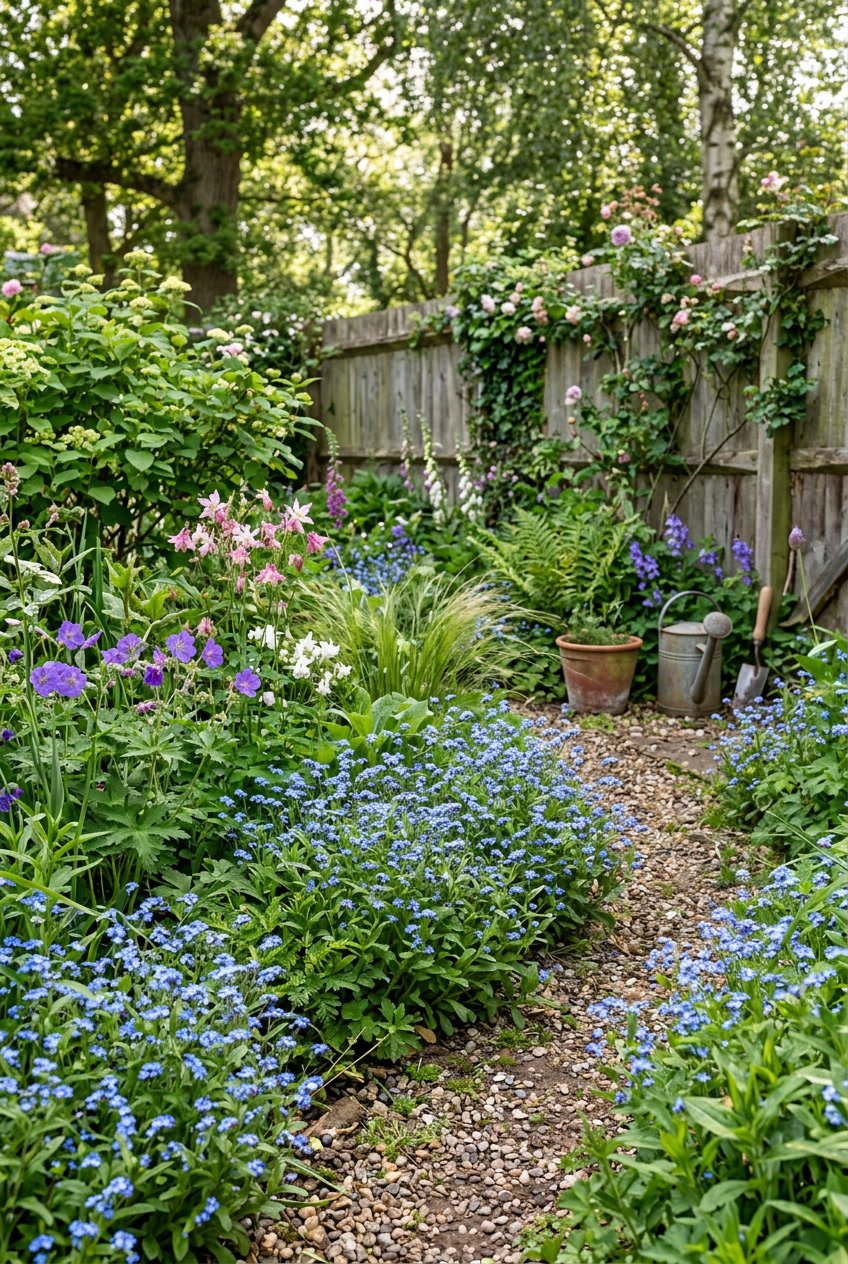
Forget-me-nots love to come back on their own, and honestly, that’s just free charm. Plant a few seeds or tiny plants along paths and near shrubs—soon you’ll spot soft blue clusters popping up like little surprises.
They spread by seed but usually don’t get out of hand. Let a few go to seed in late spring and you’ll see new plants next year in sunny or lightly shaded spots.
Mix them with taller perennials so the blue shows at ground level. They’re also great in pots if you want to keep things contained but still get that wild look.
Expert Tip From MrPlanter: “Plant in groups for a bigger splash and deadhead a few blooms to slow down spread. If you want more self-seeding, let some flowers go to seed.”
11. Allow tumbleweed-like plants to roll through and add quirky texture
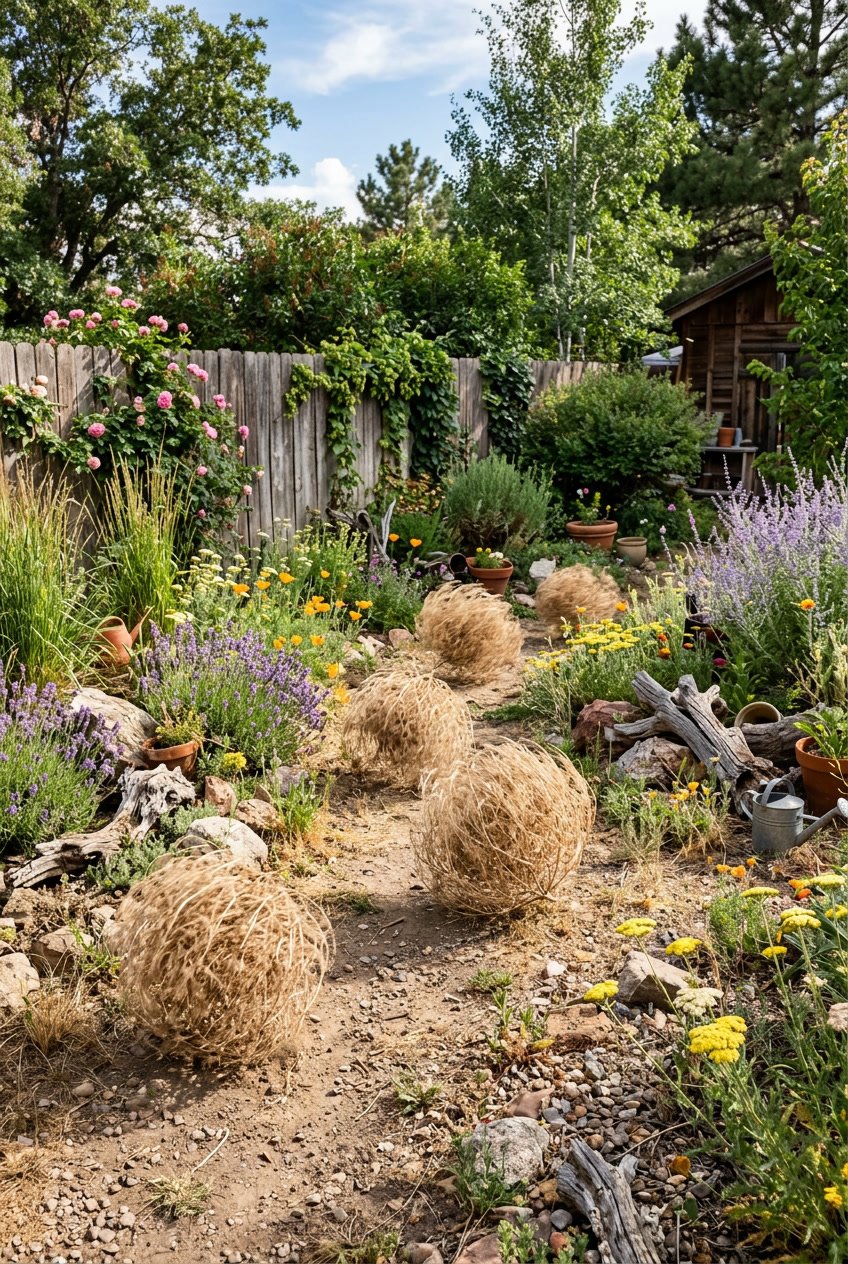
Some plants actually move—how wild is that? Letting tumbleweed-like plants grow gives your yard some playful motion and weird shapes that catch your eye.
You can plant low-maintenance types that break into fluffy balls or send out loose stems. They add texture next to bold flowers and keep things feeling light and untamed.
Put them near paths or open spots so they can roll or sway in the breeze. They look awesome with grasses and wildflowers for a layered, relaxed vibe.
Expert Tip From MrPlanter: “Stick with native, noninvasive tumbleweed-y plants so they don’t escape. Plant in loose groups to show off their movement and still keep things tidy.”
12. Plant robust daisies that laugh at uneven watering and thrive anyway
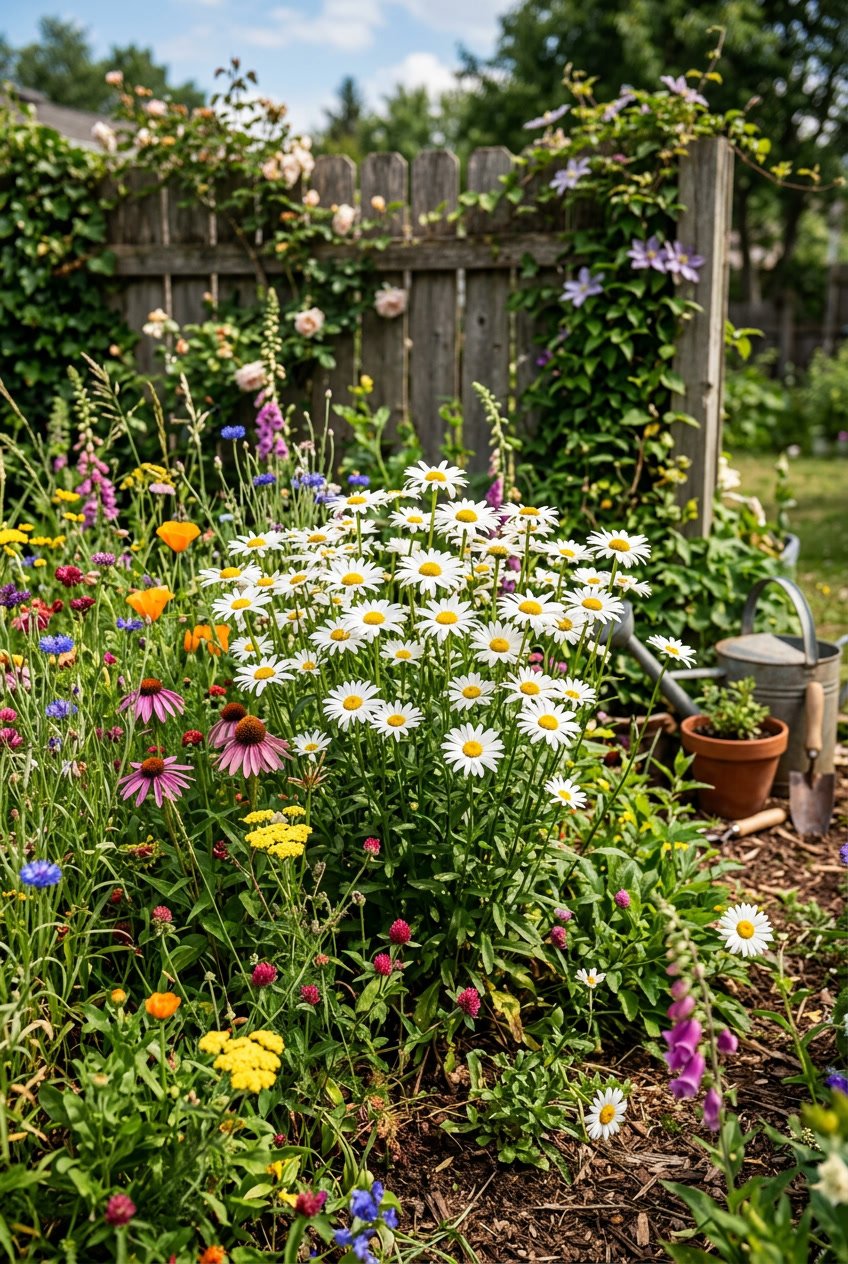
Daisies don’t freak out if you forget to water them now and then.
Pick hardy types like Shasta or oxeye—they’re cool with dry spells or soggy patches.
Plant them in well-drained soil and make sure they get at least six hours of sun. They’ll keep blooming and give your yard a cheerful, easygoing look.
Split up clumps every few years to keep them strong and stop crowding. Snip off old flowers so they keep pumping out new ones.
Expert Tip From MrPlanter: “Choose deep-rooted daisies and plant where water drains well. Deadhead often for more blooms.”
13. Invite violets to sneak into shady corners for unexpected purple vibes
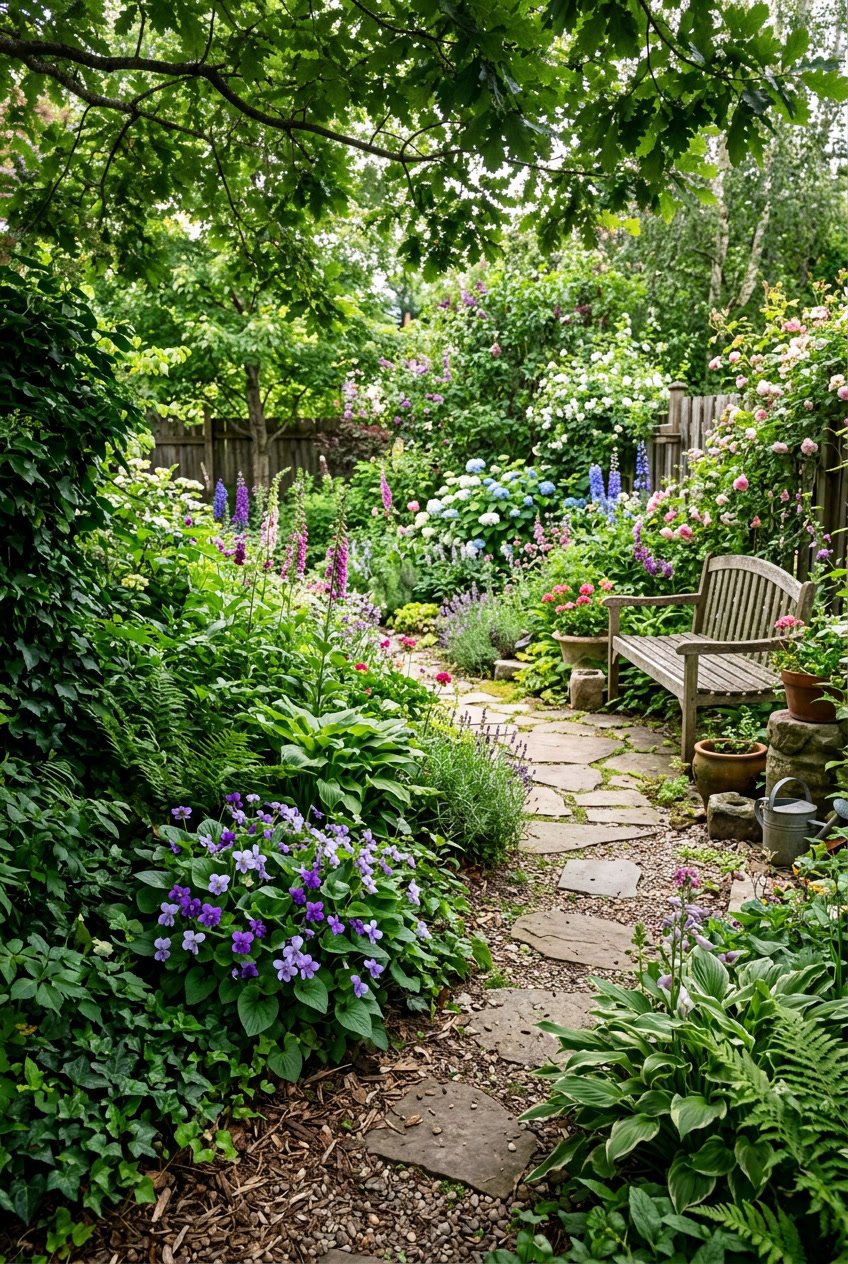
Here’s the thing: violets just love to pop up where you didn’t plan for them.
They squeeze into dark corners and toss a little purple magic along paths, lawns, and under your shrubs.
You can let them wander wild, or you can plant clusters if you want to pretend you’re in control.
Violets barely need sun or attention, so they fit right into a chaos garden.
Try mixing them with hostas or ferns for that cool, textured look in the shade.
Tiny pollinators show up for the flowers, so even your darkest corners get a little action.
Expert Tip From MrPlanter: Go for small drifts instead of single plants—it looks more natural and covers ground fast. When clumps get crowded, divide them every few years so they don’t take over and you keep those blooms coming.
14. Use bee balm loosely and let it roam freely across boundaries
Surprising Fact: bee balm is basically the life of the party—pollinators can’t stay away.
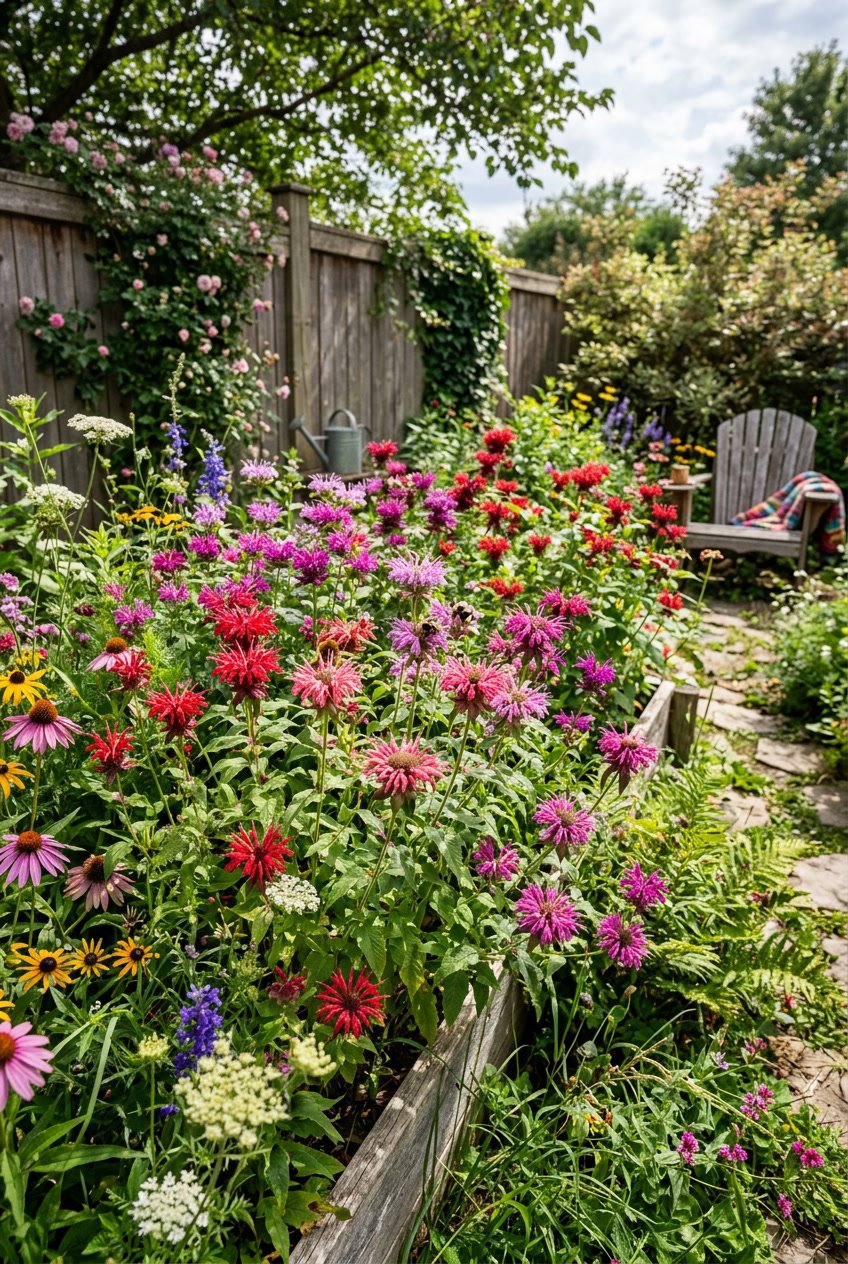
Let bee balm spill over your paths, beds, or even a low wall.
It fills in gaps with bright colors and that lemony-mint smell bees, butterflies, and hummingbirds love.
Forget about perfect lines.
Plant it near the back or along stepping stones, then let runners soften up the hard edges for a laid-back vibe.
Watch it in years two and three.
If it starts to get a little bossy, pull or split up clumps in spring so everyone gets their fair share of sun.
Expert Tip From MrPlanter: “Plant bee balm in small groups for a punch of color. Divide crowded patches every few years to keep things friendly and healthy.”
15. Toss wild carrot seeds for an eccentric, airy ferny look nobody planned
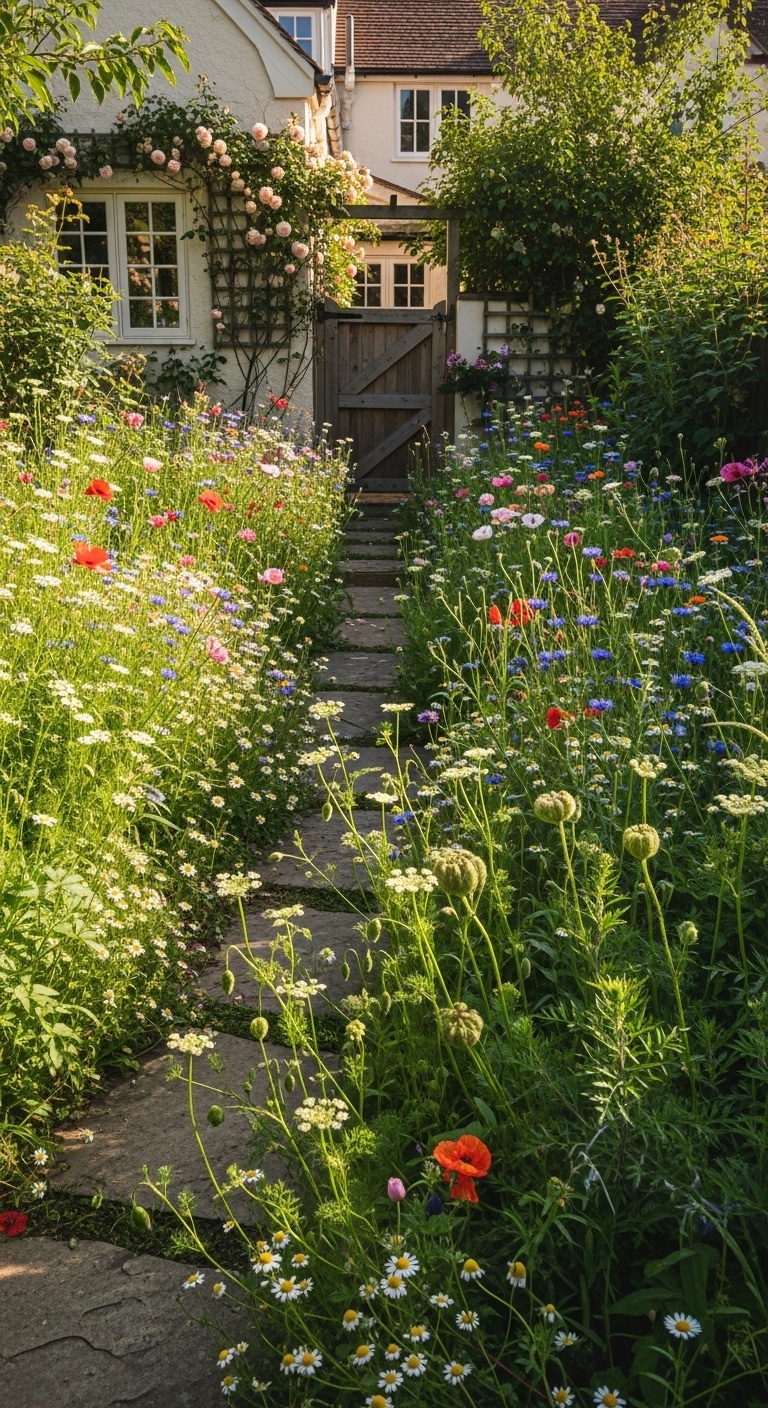
Here’s a fun one: wild carrot (Queen Anne’s lace) gives you that feathery, lacy vibe—just from tossing a few seeds around.
Sprinkle them in a sunny spot and you’ll see those delicate, umbrella-shaped flowers pop up, no rows or rulers needed.
Pick a spot where water drains well, and don’t stress about spacing.
Plants will do their own thing, thinning out and making airy clusters that dance in the breeze.
Mix wild carrot with taller blooms so the lacey leaves fill in gaps and add some movement.
It’s made for chaos gardens—fills empty spots and keeps things looking fresh.
Expert Tip From MrPlanter: “Scatter seeds in autumn or early spring for best results. Thin seedlings gently so the strongest ones shine.”
16. Scatter native grasses and watch them own their space like divas
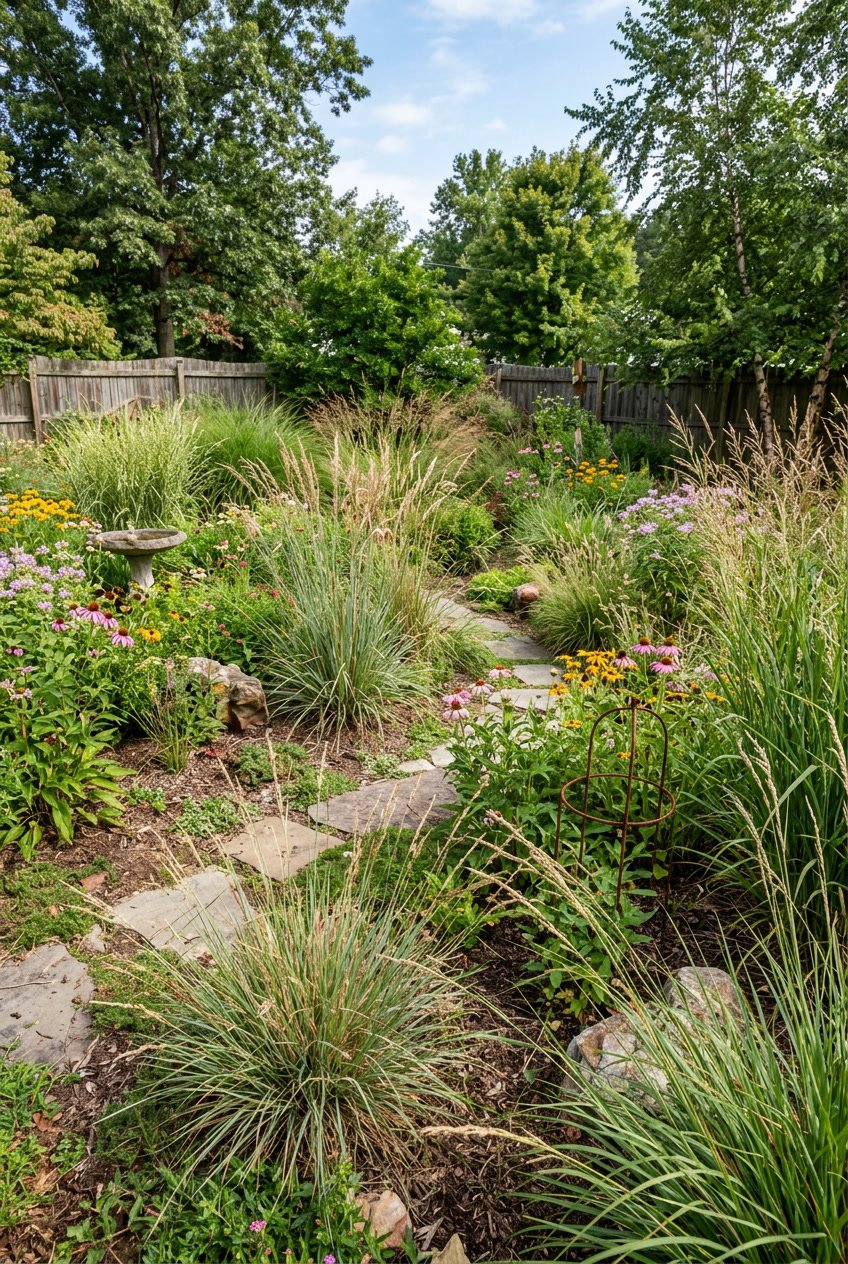
You might not believe it, but native grasses are way less fussy than you’d expect.
Just scatter seeds where the sun and soil match the grass you picked.
They settle in, spread out, and bring that soft, wavy movement your yard’s been missing.
Let a few clumps get tall before you trim.
Birds will thank you for the shelter, and wildlife will snack on the seeds.
Pull only the pushy weeds so the grasses can hang out with your flowers.
Mix up heights and colors for a wild, natural look.
Plant them in drifts, not in straight lines—nobody likes a stiff grass lineup.
Expert Tip From MrPlanter: Pick native seed mixes for your area to save water and time. Chop down seedheads late winter to help new shoots and keep things tidy.
Key Elements of a Chaos Garden
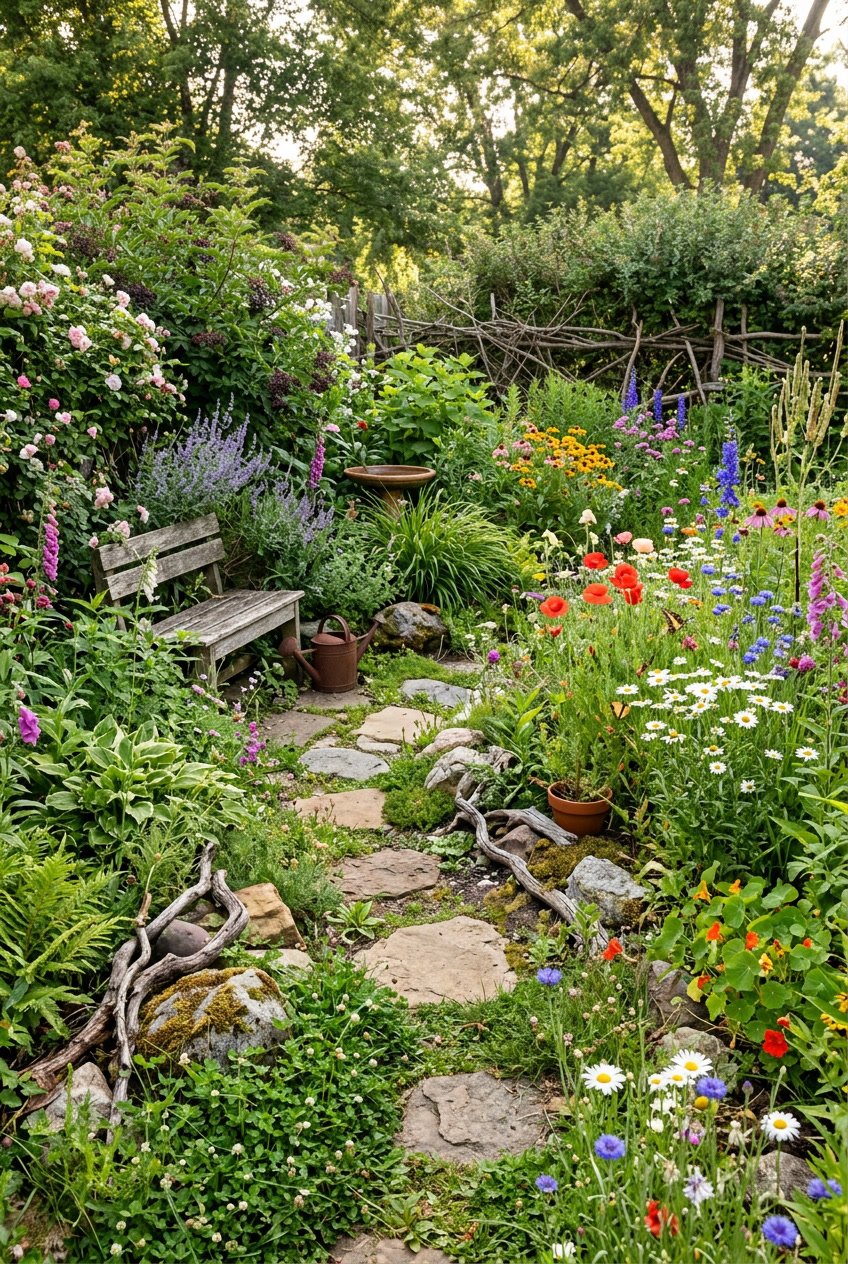
Here’s the quick playbook: pick plants that belong in your area, stack ‘em up so every bit of space works, and use natural stuff to keep your soil and critters happy.
Native Plants and Wildflowers
Go for native plants that already like your weather and dirt.
They need less water, less fuss, and local bugs and bees love them.
Find a mix of early, middle, and late bloomers so you’ve got flowers from spring through fall.
Plant in groups, not rows.
Put tall stuff like coneflowers or native sunflowers in the back or middle.
Shorter wildflowers—think asters and phlox—go up front.
Toss seed mixes in the gaps and let them fill in wherever they want.
Keep a short list of your go-to natives for your yard.
Include at least one grass for structure, two or three perennials for food all season, and a native shrub for critter shelter.
This combo brings in more life without extra work.
Layering for Biodiversity
Stack your plants up and out.
Mix in small trees or big shrubs, mid-sized perennials, groundcovers, and maybe a climber on a fence or trellis.
Each layer gives something a home and uses light and roots differently.
Use plant heights and bloom times to keep the cover and food coming.
For example: serviceberry or hawthorn (small tree), coneflowers and bee balm (mid-size), creeping thyme or native sedge (groundcover).
Pop a native honeysuckle vine on a trellis to tie it all together.
Leave some bare spots and dead stems through winter.
Insects and seeds hide out there.
Change things up, watch what happens, and only pull what’s really taking over.
Natural Mulching Methods
Use shredded leaves, straw, wood chips, or compost to keep soil damp and feed the good bugs.
Pick the mulch for the spot: wood chips for paths and around shrubs, leaf mulch or compost in beds where seeds need to sprout.
Spread mulch 2–4 inches deep but keep it away from stems and trunks.
Top off in spring and fill in bare spots in fall.
Let a few patches stay bare for volunteer seedlings and ground-nesting bugs.
Try cut-and-drop mowing in grassy spots: mow flower stalks and leave the clippings to feed the soil.
Skip plastic mulch or heavy bark near baby plants.
Natural mulches mean less work for you and a happier chaos garden.
Sustaining Your Backyard Jungle
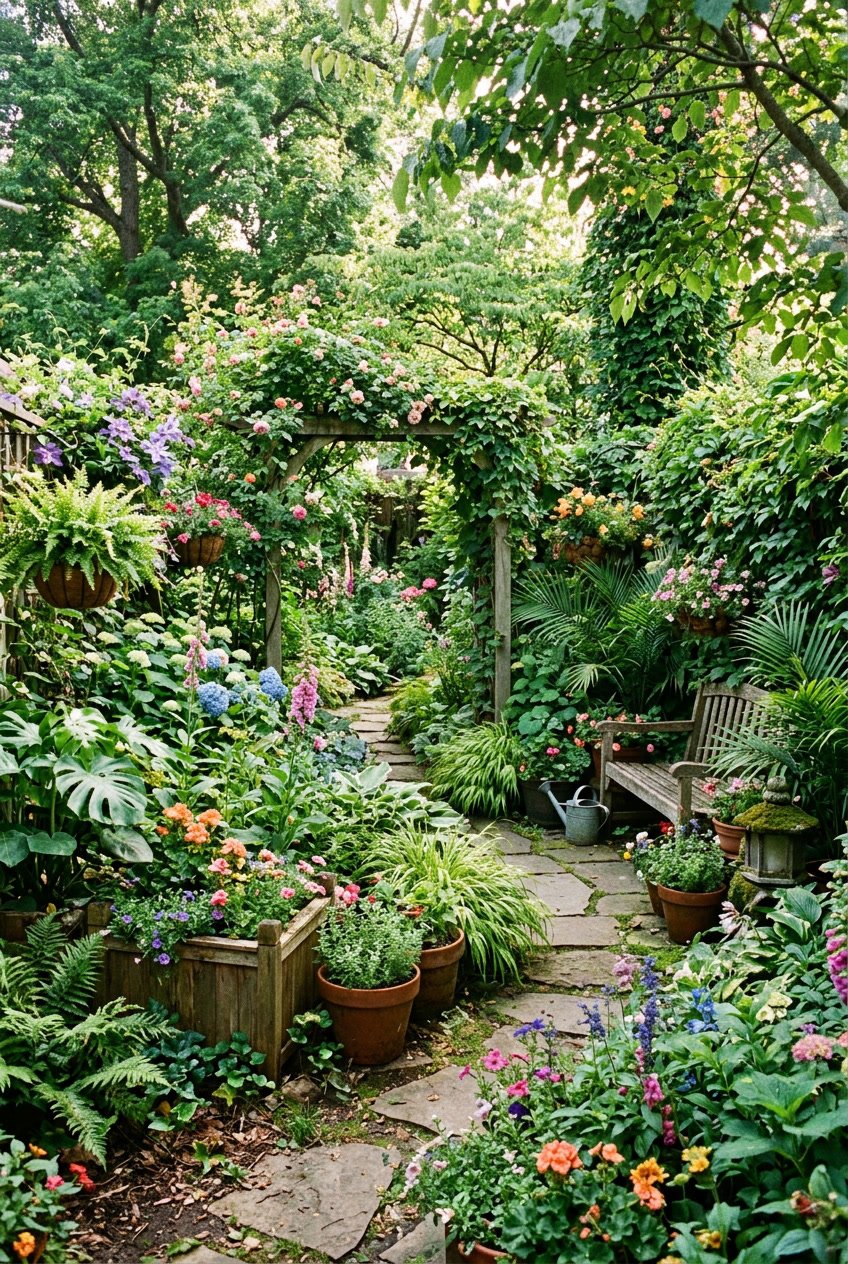
Keep water, soil, and plant balance in mind.
Pick a few easy maintenance jobs to do each season so your space stays lush but doesn’t run wild.
Embracing Controlled Wildness
You want wild, but not so wild it eats your mailbox, right?
Pick plants that spread in ways you can predict: native grasses, sturdy ferns, clumping bamboos, and self-seeders like calendula or poppy.
Group the pushy ones in raised beds or behind edging to keep them in check.
Set an easy routine: check watering spots once a week in summer, trim back wild stems every month or two, and pull baby weeds after a rain.
Mulch with 2–3 inches of shredded bark to block weeds and hold moisture.
Let some corners go wild for pollinators, but keep paths and views clear so you can walk and actually see your handiwork.
Lay down cheap barriers—like landscape fabric under paths, metal edging, or deep mulch trenches—to keep beds safe.
Label your plant clusters so you know what’s worth keeping and what needs to go.
Troubleshooting Common Mistakes
Overplanting—yeah, that’s the classic blunder. I’ve done it, too. When plants start elbowing each other, just thin them out early. Trust me, it’s way better than trying to untangle a jungle later.
Always give perennials as much space as their tags suggest. If you squish them together, they’ll just bicker over sunlight and nutrients. No one wants cranky plants.
Watering trips people up more than you’d guess. Skip those quick, daily spritzes. Instead, soak the soil deeply once or twice a week. Stick your finger in the dirt—if the top two inches feel dry, it’s time to water.
Don’t forget to adjust for things like slopes, shady spots, or a surprise downpour. Your garden’s not a one-size-fits-all deal.
If you ignore soil health, you’ll just make more work for yourself. Toss on some compost every fall. In spring, give your plants a little side-dress snack.
Got a patch that’s always soggy? Mix in some grit, or dig a shallow French drain. If pests show up, don’t panic and spray everything. Go hands-on: pick off slugs, set out some beer traps, and invite in the good bugs. Your plants will thank you—probably.