As an Amazon Associate, MrPlanter.com earns from qualifying purchases.
If your yard feels like a needy roommate who always wants something, clover might be the chill, low-maintenance swap you’ve been wishing for. It stays green with way less drama, helps out the soil, and gives your backyard a softer, friendlier look than a thirsty grass lawn.
Best part? You can make a clover lawn fit your vibe—tidy and modern, wild and cottage-y, or anything in between—without giving up all your weekends to mowing and watering.
Here are 17 clover lawn ideas, each with its own personality and practical perks. Pick whatever matches your yard, your weather, and how much energy you want to spend.
Honestly, it’s your shortcut to a greener space that looks like you meant it, not like you gave up.
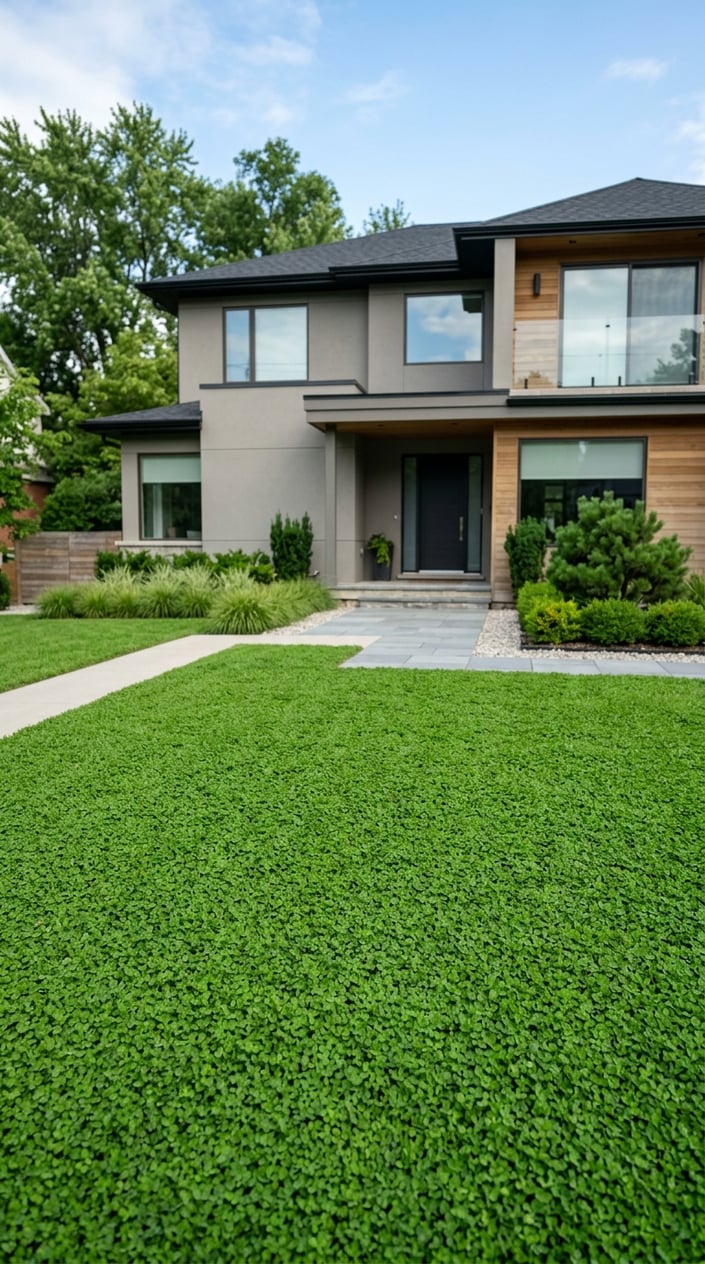
1. Pure Microclover Front Lawn For A Clean, Modern Look
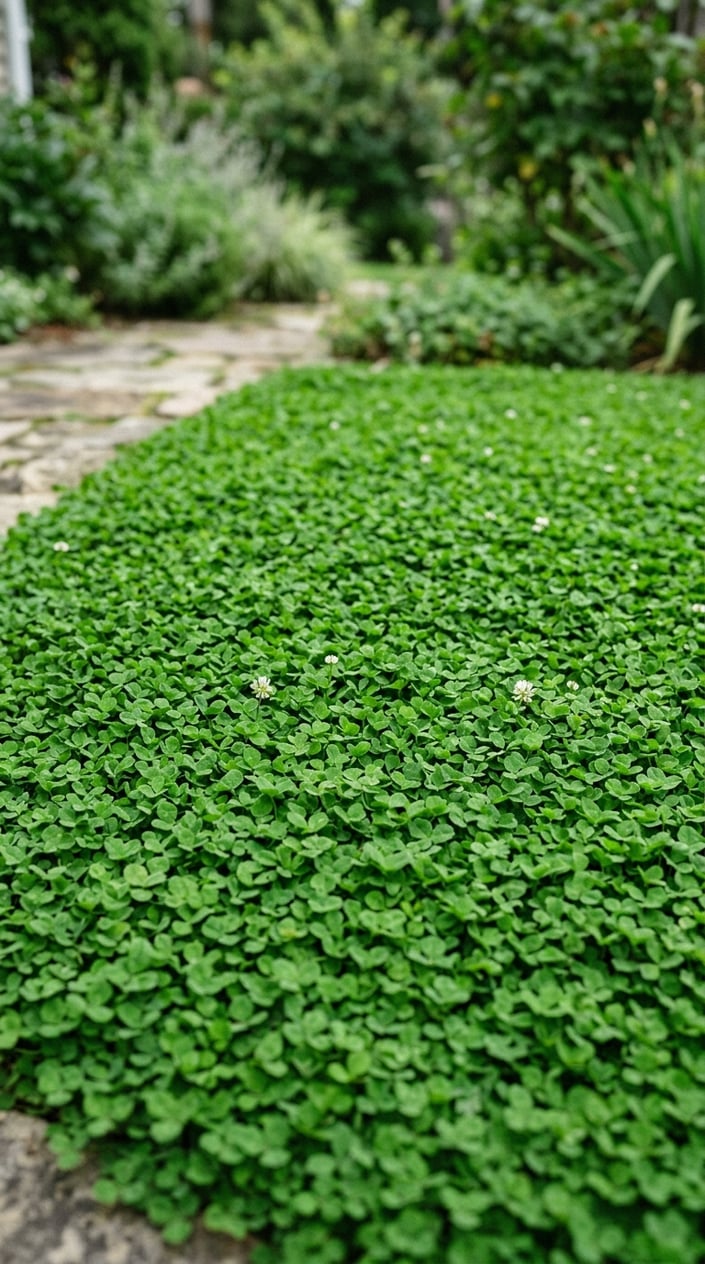
Let’s be real: your front yard wants to look sharp, but mowing every other day is for people with way more free time. Microclover gives you that neat, low, carpet-like finish with tiny leaves that look crisp from the street.
It fits right in with modern homes, simple borders, and a “less is more” plant setup. Microclover usually stays shorter than regular white clover, so your yard keeps that intentional, put-together look.
If you’re into a clean style, add metal edging, a short path, and maybe a couple of cool-looking shrubs. Expert Tip From MrPlanter: “Try a small patch by the walkway first. If you like how it looks and feels, the rest of the yard will be an easy yes.“
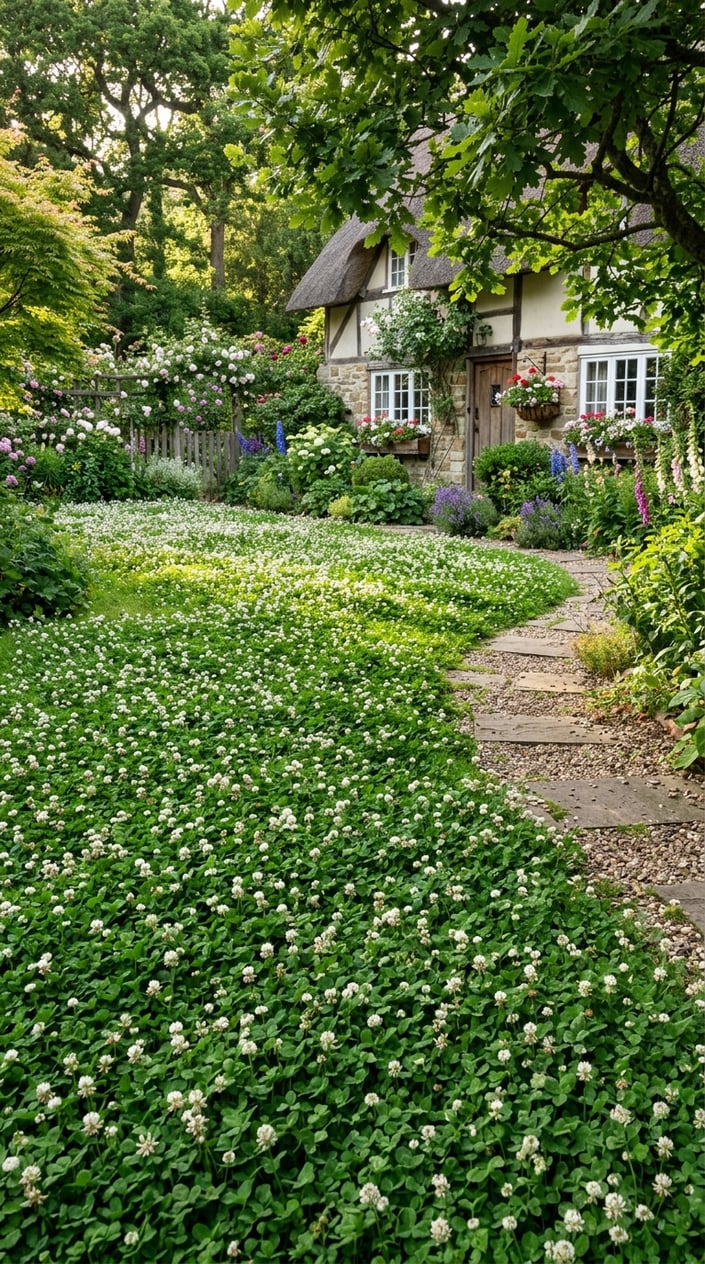
2. White Dutch Clover Backyard For A Classic Cottage Feel
Let’s bust a myth: a clover lawn doesn’t have to be trendy to look awesome. White Dutch clover brings that old-school cottage garden vibe, especially when you mix in flower borders, a bit of brick, or a white picket fence.
It fills bare spots and adds a soft, inviting texture. This style shines when you let it be a little loose.
A few flower beds, climbing roses, and curvy paths make the whole yard feel like it’s got stories to tell. Expert Tip From MrPlanter: “Keep the edges soft and plant beds full of color. Clover looks best when it blends into the garden, not like it’s trying out for a golf tournament.“
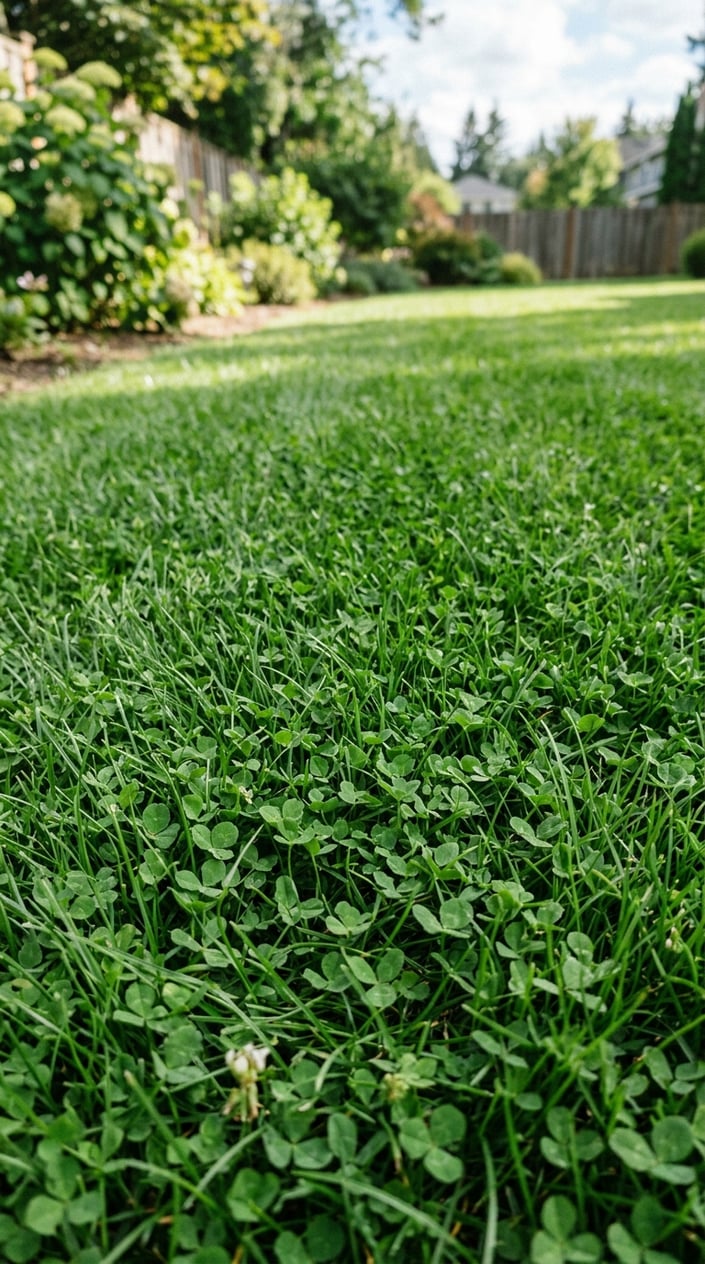
3. Microclover And Fine Fescue Blend For A Grass-Like Finish
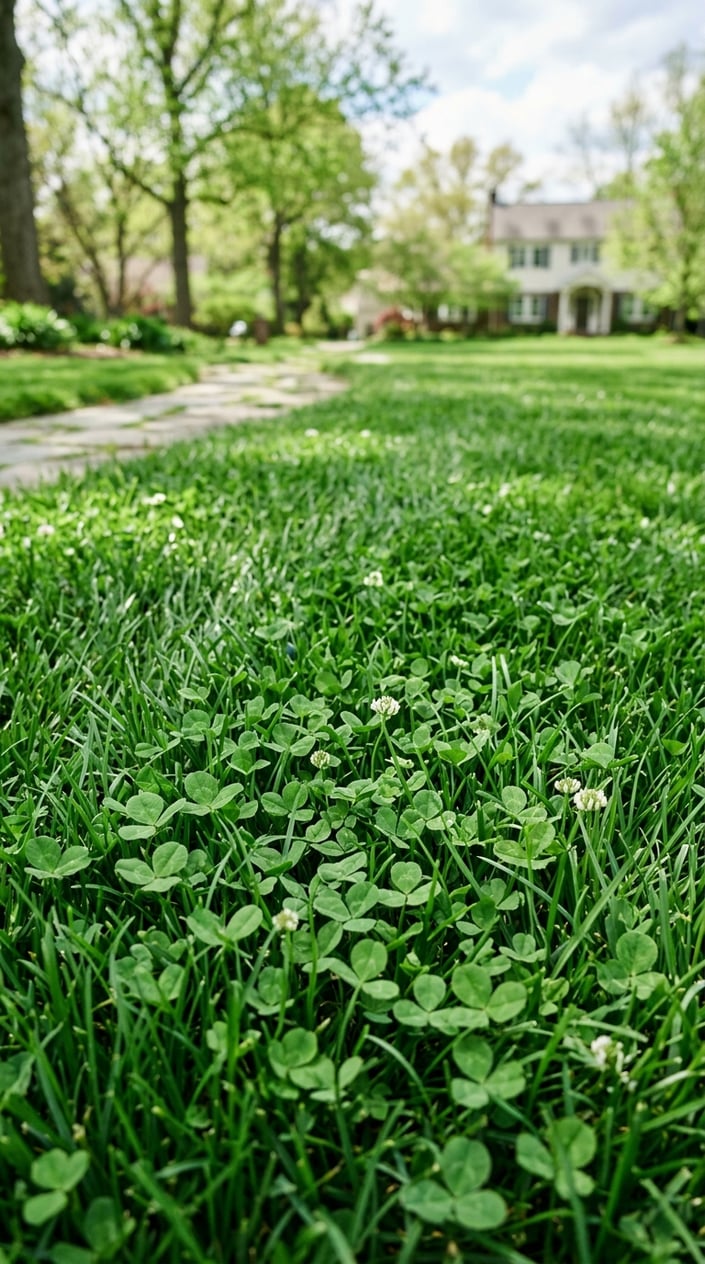
Here’s a sneaky trick: if you want your lawn to look like grass but not act like a needy diva, go for a microclover and fine fescue blend. Both have a soft, fine texture that comes together as a “real” lawn, not a weird patchwork.
It feels smoother under your feet and still looks familiar for folks who aren’t ready to ditch grass completely. This is perfect if you’re a little nervous about going full clover.
The grass keeps things full in chilly weather, and the clover adds toughness and color. It’s a happy medium for a front yard or family hangout spot. Expert Tip From MrPlanter: “Match your seed mix to how much sun you get. A good blend is like a playlist: every part should fit the mood.“
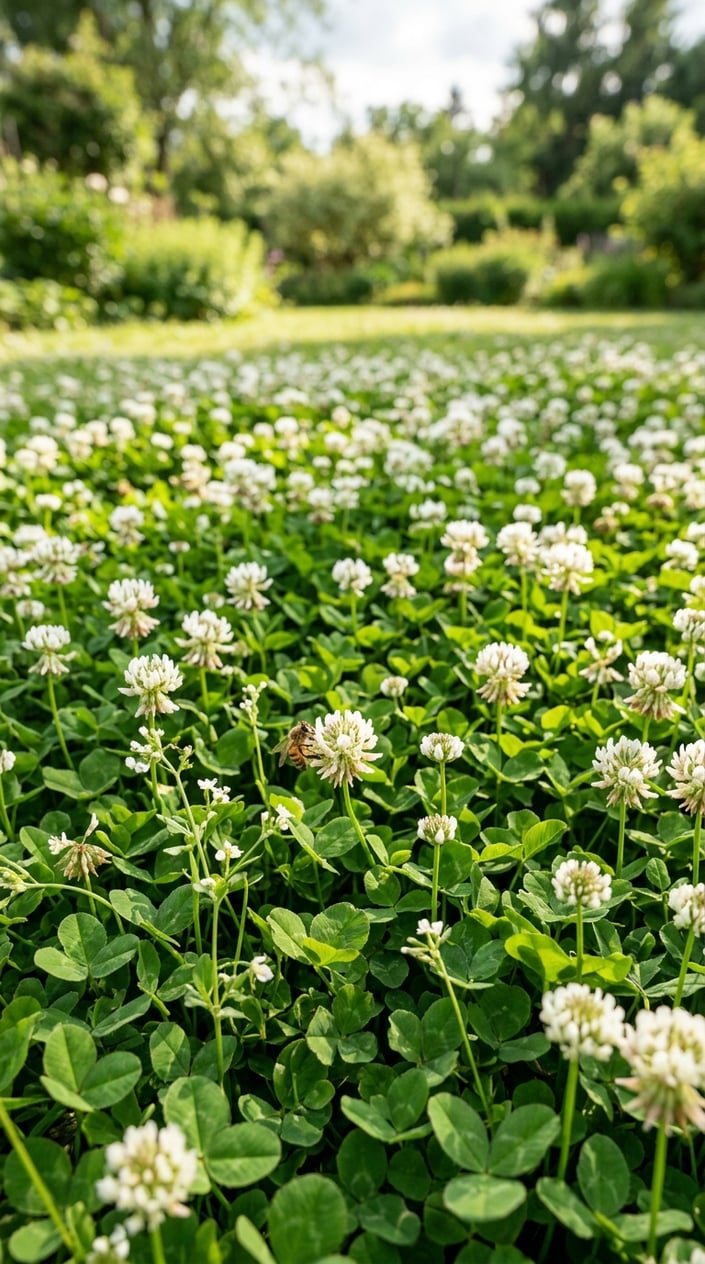
4. Pollinator-Friendly White Clover Lawn With Summer Blooms
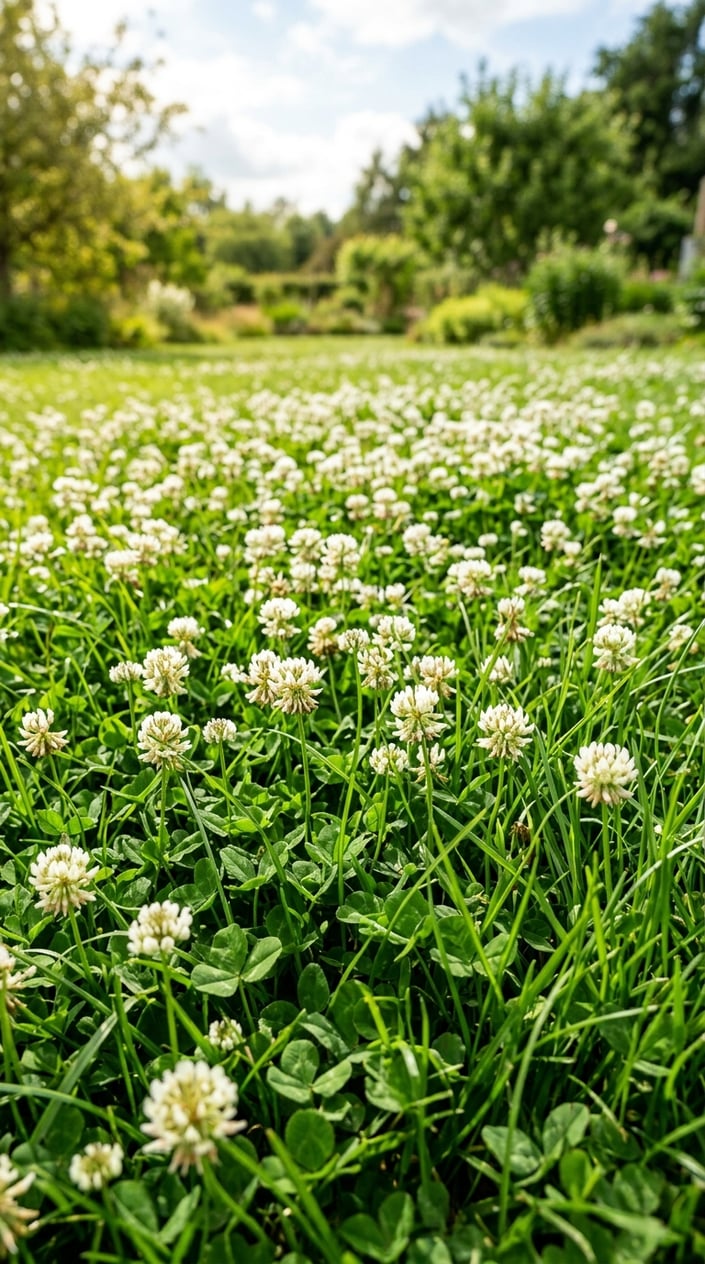
This lawn doesn’t just sit there looking green—it’s buzzing with life when the flowers pop. White clover makes tiny blooms that bees and pollinators notice right away, especially in summer.
If you love seeing your yard busy (in a good way), this is super rewarding. The flip side? More blooms mean more bees.
That’s awesome if you have a pollinator garden or veggie patch, but maybe not so great right next to a play area. You can always mow before peak bloom if you want to keep flowers and bees to a minimum. Expert Tip From MrPlanter: “Plant pollinator-friendly clover where you actually want to watch the action. It’s way more fun when the bee party happens just off to the side.“
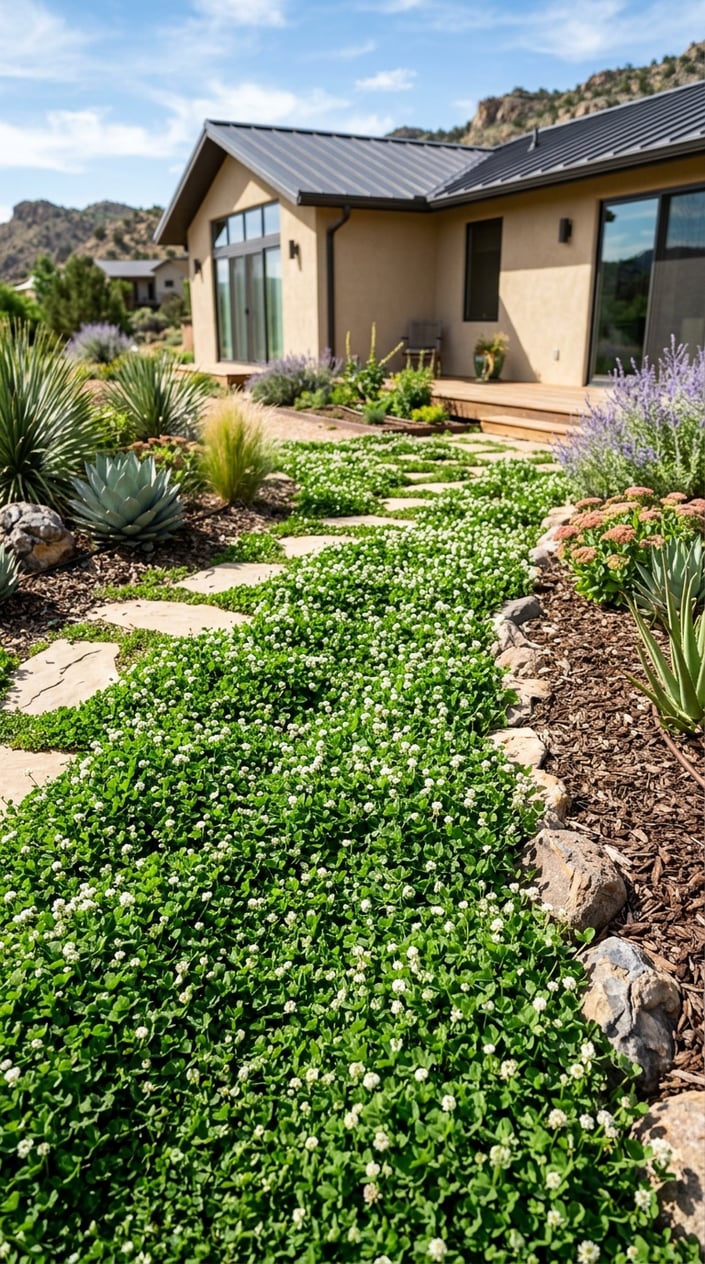
5. Low-Water Clover Lawn For Hot, Drought-Prone Yards
Raise your hand if summer heat turns your lawn into crispy confetti. A low-water clover lawn can handle dry spells way better than most grasses once it settles in, making it a solid pick for hot, drought-prone yards.
It still needs water to get started, so it’s not magic, just a bit more forgiving. This look goes great with rocks, native plants, and simple mulch beds.
If you get full sun and want to stop babysitting the hose, clover can help lower your water bill. It usually bounces back faster than grass after a dry spell. Expert Tip From MrPlanter: “Water deeply at first, then ease up once the roots are happy. Clover likes a routine, not constant pampering.“
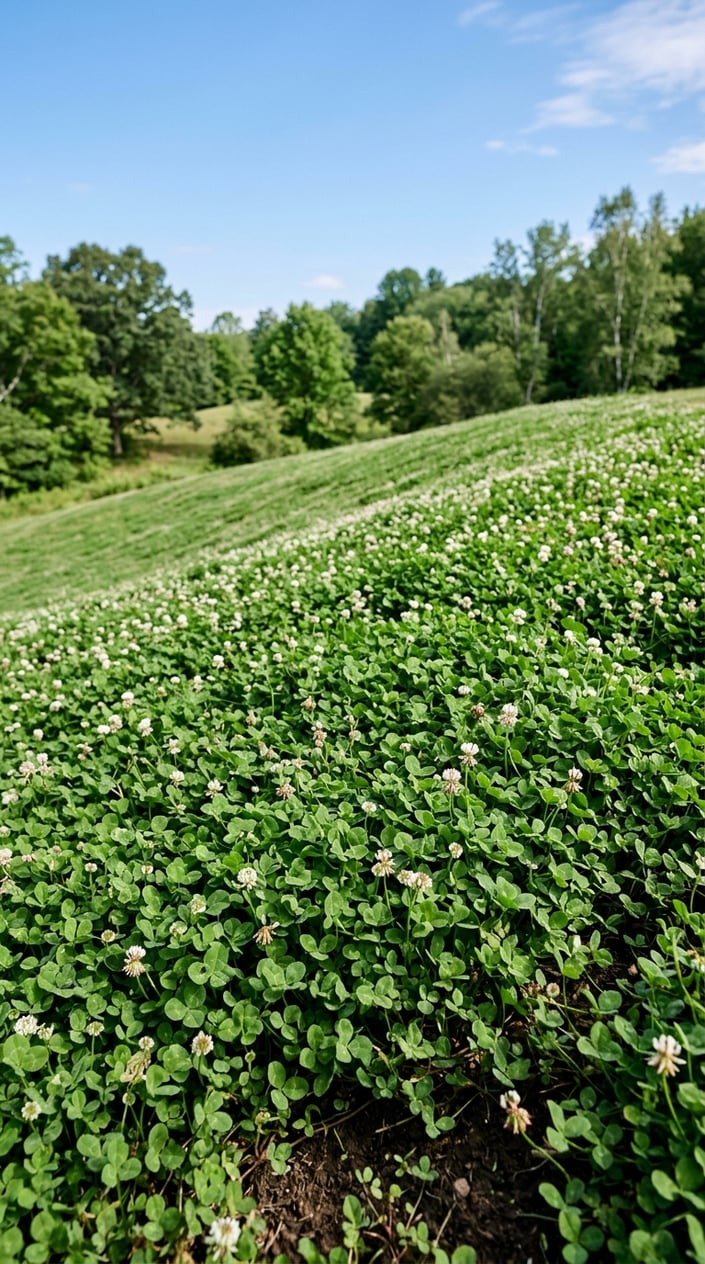
6. Clover Lawn On A Slope For Natural Erosion Control
Let’s clear something up: slopes don’t have to be sad, muddy messes. Clover helps hold soil in place because it forms a thick cover and spreads into bare spots fast.
That makes it handy for hillsides, side yards, or banks that wash out after every rain. You’ll see the best results if you prep the slope and protect new plants while they get established.
A little mulch, an erosion blanket, or careful watering can make a big difference early on. Once it fills in, the slope looks greener and doesn’t feel like a never-ending chore. Expert Tip From MrPlanter: “Break steep slopes into smaller zones if you can. Winning small battles is way easier than fighting gravity all at once.“
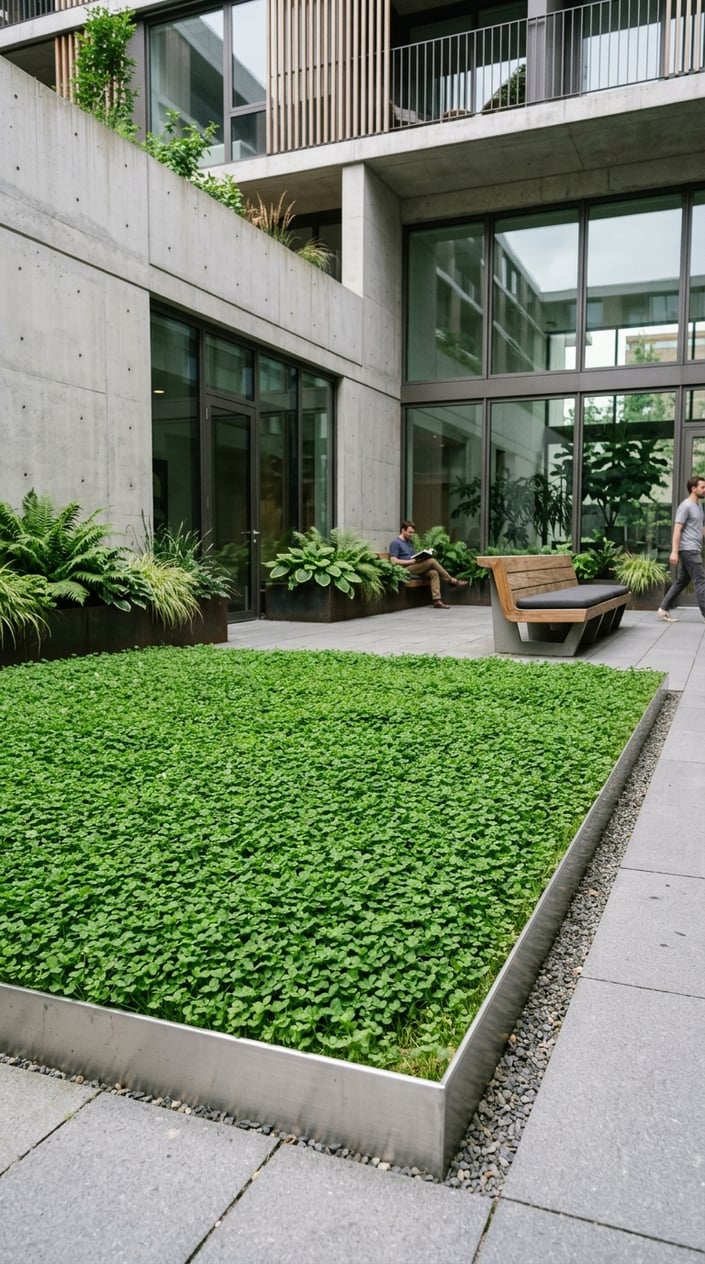
7. Urban Courtyard Microclover Patch With Metal Edging
Even a tiny courtyard can pull off a real lawn feel if you keep things sharp. Microclover works great in urban spaces because it stays compact and makes small yards look finished.
Add metal edging, and suddenly the area feels like an outdoor room instead of leftover sidewalk. This idea shines for patios, benches, or narrow side yards that need a little green.
The border keeps clover from creeping into hardscape, which matters when every inch counts. It’s tidy, low-fuss, and perfect for city life. Expert Tip From MrPlanter: “Treat edging like a picture frame. The clover is the art, and your small space looks way more intentional.“
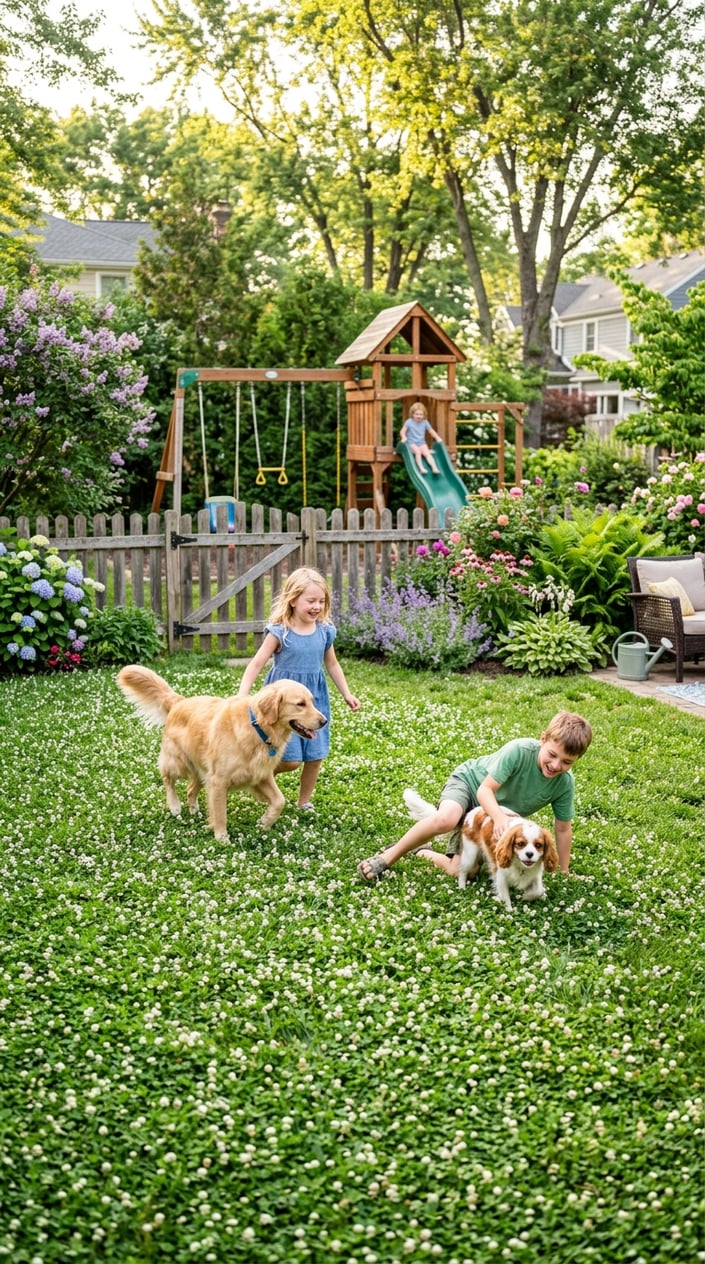
8. Backyard Play Area In Soft White Clover For Kids And Pets
Let’s be honest: kids and pets don’t care about your lawn dreams. They want soft ground and space to run. White clover makes a backyard play area feel cushier than most thin grass lawns, especially when it fills in.
It can handle foot traffic pretty well if it’s healthy and grown in. If you want a family zone, keep mowing a bit higher and try not to let it get too flowery during heavy play.
Add a path, a sandbox, or a swing set—this look fits right in. You get a lawn that feels friendly, not fragile. Expert Tip From MrPlanter: “Test a patch with bare feet before you go all-in. If your toes are happy, the kids and pets will be too.“
9. Bee-Lite Microclover Lawn For Fewer Flowers And A Tidier Look
Here’s the truth: clover doesn’t have to mean a field of flowers. Bee-lite microclover is the tidy cousin, with fewer blooms and a more even look.
It’s a strong pick if you want clover’s perks without extra bee visits or a wild “meadow” vibe. This is perfect for front yards, patios, and places where you want a neat line between lawn and garden.
Regular mowing keeps flowers down even more. It’s still clover, just dressed up a bit. Expert Tip From MrPlanter: “If you want fewer blooms, mow before flowers pop open. Timing really matters with clover.“
10. Clover Pathway Between Raised Cedar Garden Beds
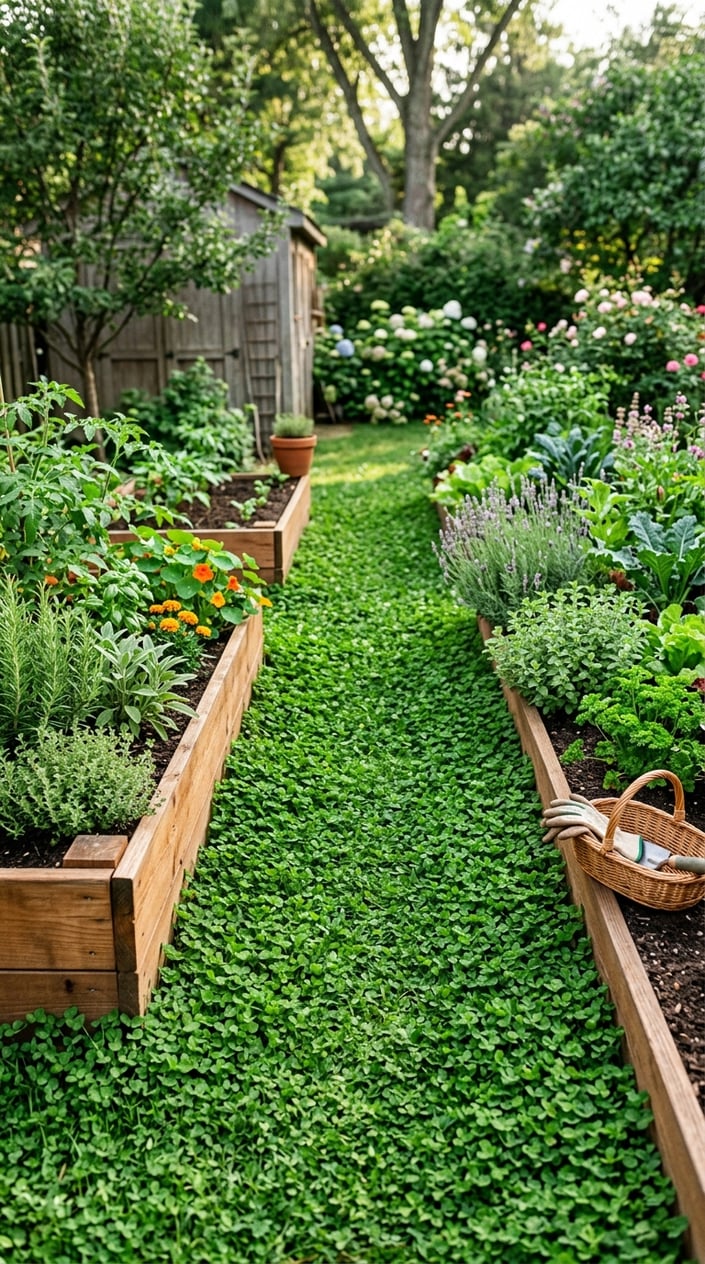
Bare soil between raised beds usually turns into mud, weeds, or both. A clover path gives you a soft, green walkway that feels way nicer than dirt and looks calmer than gravel in most yards.
It works best in spots with enough light and just light foot traffic. Clover can handle some stepping, especially if you define the edges with wood or stones.
It makes your veggie or herb garden look finished without adding much work. Expert Tip From MrPlanter: “Keep paths narrow and the edges clear. A clover walkway looks best when it knows exactly where it’s supposed to be.“
11. Mixed Clover And Kentucky Bluegrass Lawn For Easy Transition
No need to pick sides between clover and grass like it’s a soap opera. Mixing clover with Kentucky bluegrass gives you a smooth transition if you’re slowly moving away from classic turf.
The bluegrass keeps the familiar lawn look, while clover brings color and helps the soil. This is a good move if you want your yard to look “normal” to neighbors who expect grass.
It also fills in thin spots, so the lawn looks even all season. Think of it as a bridge, not a big leap. Expert Tip From MrPlanter: “Go with a blend if you want your lawn to change gradually. It’ll look like you planned it, not like you had a midlife crisis.“
12. No-Fertilizer Eco Lawn With White Clover As A Nitrogen Booster
Let’s bust another myth: a healthy lawn doesn’t need a shelf full of fertilizer. White clover adds nitrogen to the soil thanks to its helpful bacteria buddies, which is why eco-friendly yards love it.
That means you can skip a lot of heavy feeding, especially when you mix clover with grass. This style is perfect if you want a simpler, more earth-friendly routine.
You still need good soil, mowing, and basic watering, but the lawn won’t act so needy. Your weekends might thank you. Expert Tip From MrPlanter: “Start with healthy soil, then let clover work its quiet magic. Lawns that feed the soil usually demand less from you.“
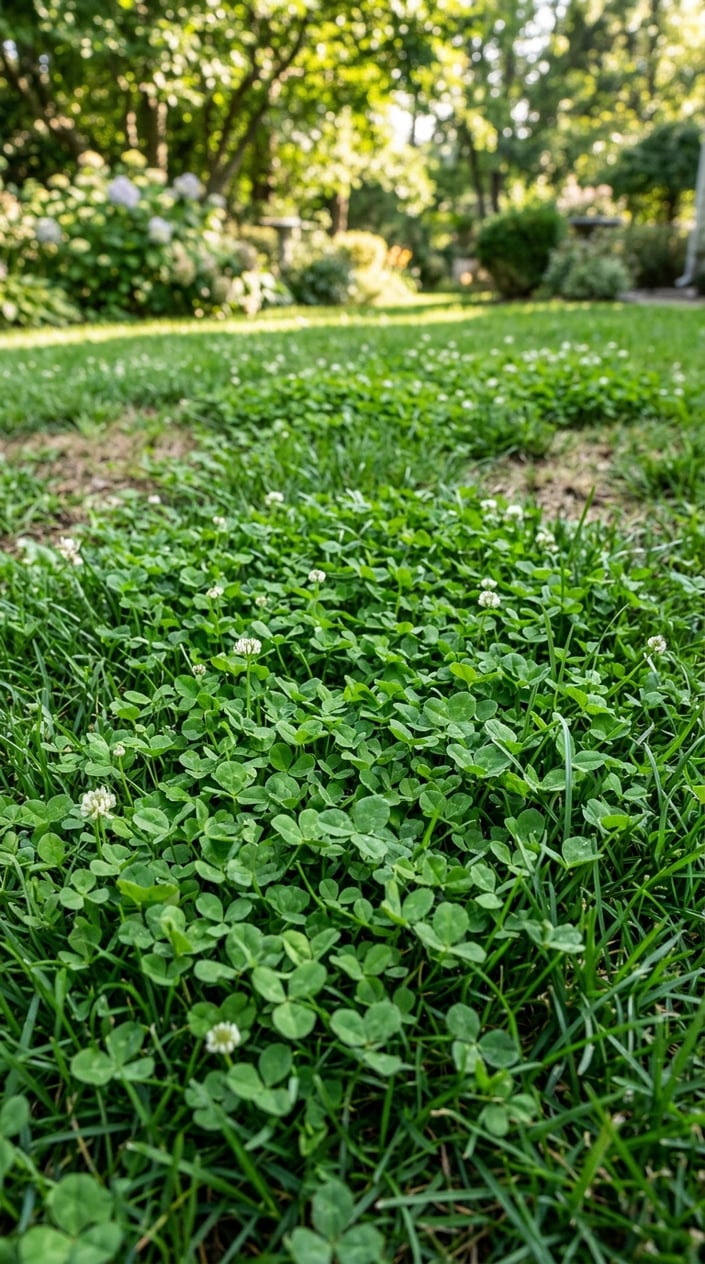
13. Weed-Smothering Clover Lawn For Bare, Patchy Problem Areas
Let’s be real—every yard has that one weird patch that just refuses to grow anything decent. Clover jumps in like a hero and fills those bare spots fast, making a thicker mat that weeds can’t squeeze into.
You’ll want to yank out the worst weeds first and loosen up the dirt a bit, so the seeds actually have a shot. Once clover settles in, it turns a sad patch into a living green cover instead of a scraggly mess.
It’s not magic, but wow, it can really change the vibe in a hurry. Expert Tip From MrPlanter: “Treat bare spots early instead of waiting for them to become permanent characters in your yard. Clover loves a comeback story.“
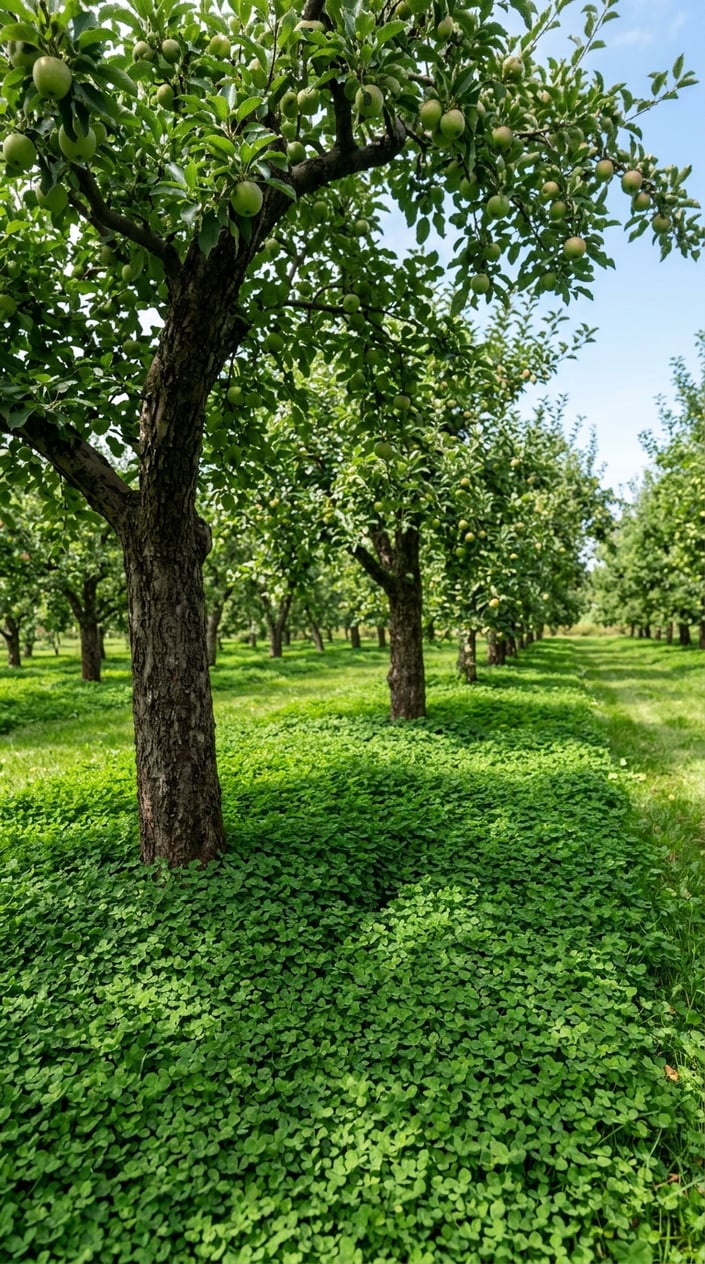
14. Microclover Around Fruit Trees For A Living Green Mulch Look
Picture this: your fruit trees look like they’re standing on a soft green blanket. Microclover makes that happen, acting like living mulch and covering up the dirt while looking way nicer than plain soil.
Just remember to keep a little space around each trunk—don’t let the plants crowd the bark. You want a tidy ground cover, not a tree-hugging contest.
This trick shines in sunny, low-maintenance fruit patches where you want things to look sharp but not fussy. Expert Tip From MrPlanter: “Leave breathing room around the trunk. The clover should frame the tree, not try to hug it too hard.“
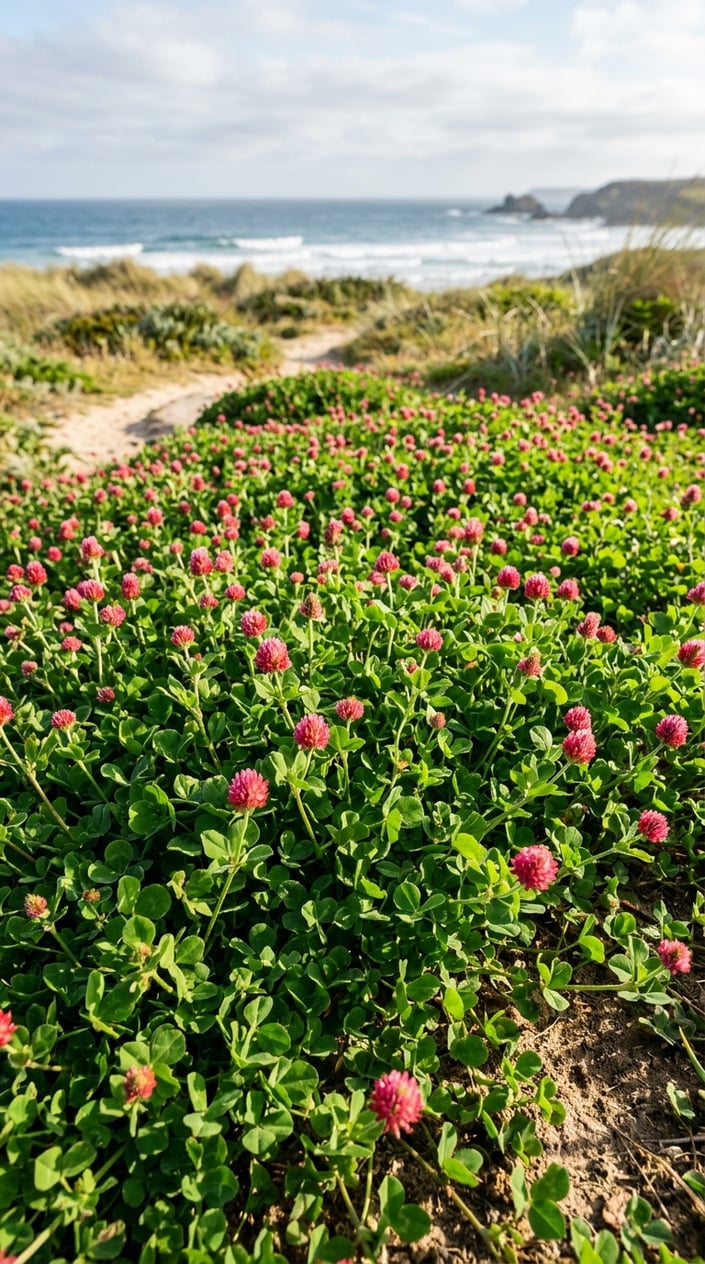
15. Strawberry Clover Lawn For Coastal Or Slightly Salty Soils
Here’s something you might not know: some plants don’t freak out when the soil’s a bit salty. Strawberry clover actually handles coastal yards or slightly salty dirt like a champ, and it brings a soft, low-growing feel with pops of color.
If you’re stuck with sandy soil or your regular grass keeps quitting, strawberry clover might just save the day.
It works especially well in open, sunny spots. Plus, since not everyone uses it, your yard gets a unique personality—nothing too wild, just a little different.
Live near the coast? This could be your easygoing, low-stress fix. Expert Tip From MrPlanter: “When your yard has salty soil, choose plants that don’t act personally offended by it. Strawberry clover is usually more easygoing than grass.“
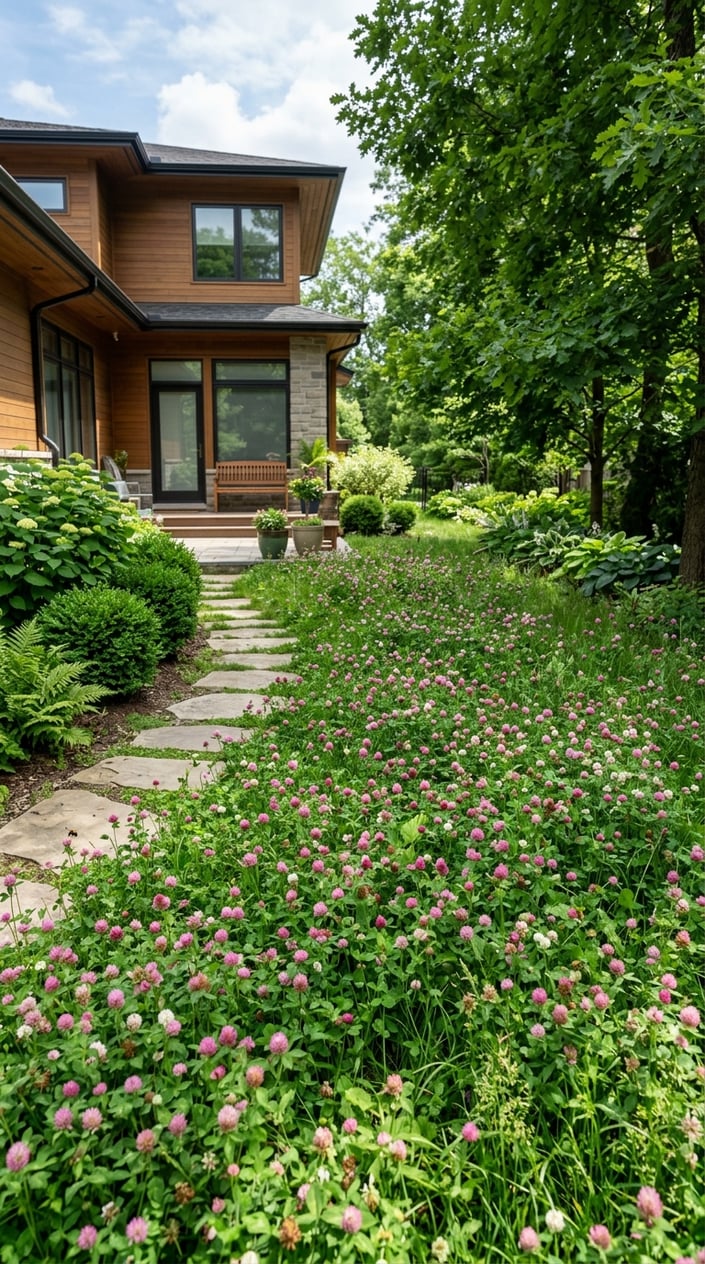
16. Red Clover Meadow-Style Side Yard For A Wilder Aesthetic
Let’s bust a myth: side yards don’t have to be boring just because they’re skinny. Red clover brings a meadow vibe with taller stems and richer blooms, perfect for a space that wants to feel a little wild.
It can turn that ignored strip into a mini habitat with way more color and movement.
This works better in spots where you don’t walk much—definitely not the best for play zones or the front entry. If you like that natural, free look, mix in some native grasses or wildflowers for extra texture.
Honestly, it feels more like a polite little field than a lawn. Expert Tip From MrPlanter: “Use red clover where you can let the garden be a little free. Some spaces look better when they stop trying so hard.“
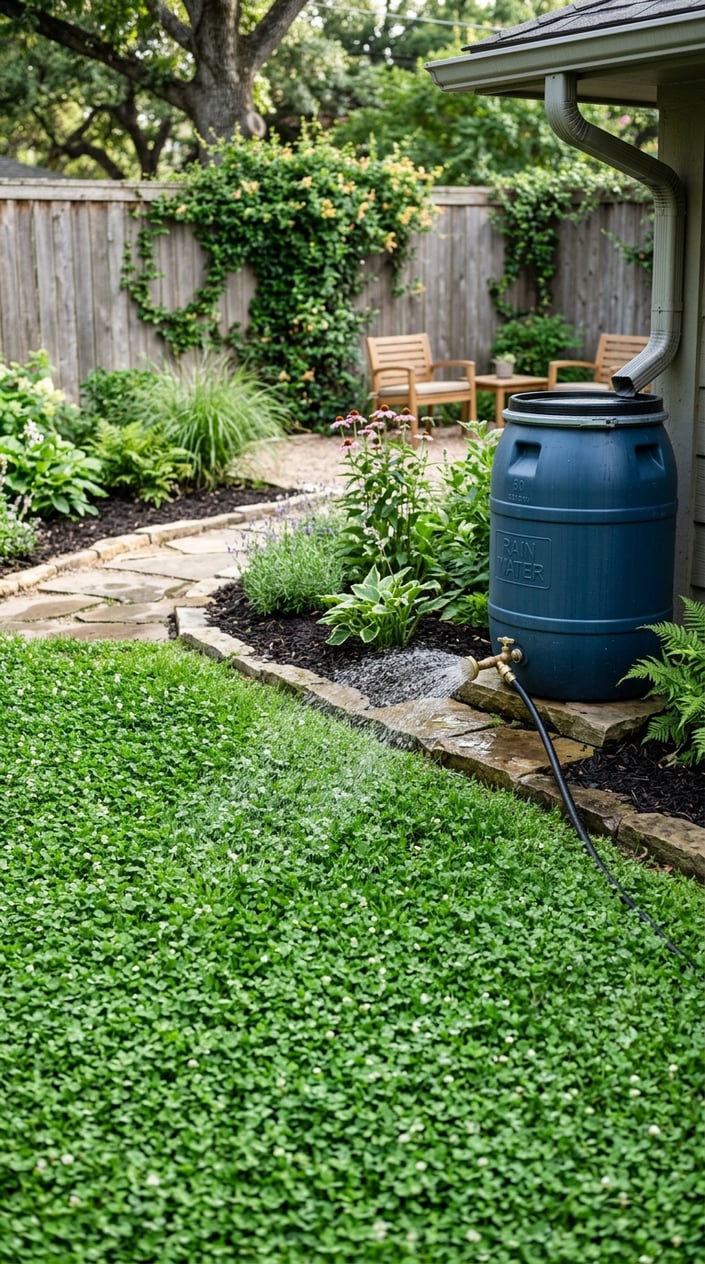
17. Rain-Barrel-Watered Clover Lawn In A Sustainable Backyard Design
We’ve all been there—you want a lush yard, but you don’t want to feel bad every time you turn on the hose. A rain-barrel-watered clover lawn fits right into a sustainable backyard, especially if you add native plants and mulch beds.
Clover doesn’t need much water once it’s settled in, so it pairs perfectly with rain barrels.
This setup feels especially smart where rain comes and goes or if you’ve got watering rules in your area. Use the collected water for new seeds, dry spells, or just to touch up rough patches—no need to rely on the main supply as much.
It’s a simple way to make your yard feel thoughtful instead of thirsty. Expert Tip From MrPlanter: “Set the rain barrel up where watering feels easy, not heroic. Good habits stick when the system is simple enough to use on a busy day.“
How To Choose The Right Clover Lawn Idea
Microclover Vs White Clover
Microclover gives you a neater, tighter look with tiny leaves and fewer flowers. White clover goes bolder and usually blooms more, which is awesome for pollinators and laid-back gardens.
If you want a crisp, tidy lawn, microclover usually feels safer. If you’re after charm and happy bees, white clover’s got more spunk.
Full Clover Vs Grass Mix
A full clover lawn is easier to keep up in a lot of yards and can look lush in a hurry. Mixing clover with fine fescue or Kentucky bluegrass gives you a softer look and might feel more like what you’re used to.
Go all-clover if you want less mowing and a stronger eco vibe. Choose a mix if you want to keep some classic turf texture.
Best Picks For Shade, Sun, And Foot Traffic
Clover gets tricky if you ignore light and how much you use the space. Shady spots often handle clover better than grass, but full sun helps most clover lawns stay thick.
For areas with lots of feet, try microclover or a blended lawn near play spaces and walkways.
When Pollinator Appeal Helps Or Hurts
Clover that’s great for pollinators shines near flower beds, orchards, and out-of-the-way corners. It’s not always the best right next to a kids’ play spot or a busy patio if you’d rather not have bees buzzing around your ankles.
The key is matching the bloom level to how you use the space.
What To Know Before You Plant
Climate And USDA Zone Fit
Clover lawns do best when your weather matches the seed you pick. White clover and microclover work in a bunch of U.S. regions, while special types like strawberry clover fit better in coastal or salty spots.
Check your USDA zone and local weather before you buy seeds.
Watering And Mowing Expectations
Clover is low-maintenance, not no-maintenance. You still need to water during germination and dry spells in the beginning, plus mow now and then if you want things neat or want fewer flowers.
Once it’s settled in, clover usually asks for less than regular grass.
Bee Safety And Flower Management
If kids or pets run around your lawn, you’ll want to keep an eye on blooms. Mow before peak flowering to cut down bee activity in busy spots, but leave blooms in quieter areas to help pollinators.
You can even split your yard into zones—makes life a lot easier.
Seeding Timing And Soil Prep
Honestly, cooler seasons usually give clover seeds their best shot. Young clover just seems to love mild weather and a bit of steady rain, don’t you think?
I always start by pulling out any big weeds. Then I grab a rake to loosen up the top layer of soil.
If I spot any bald patches, I’ll level those out too. When the seeds actually touch the dirt, they sprout way better.
A clean start? It almost always leads to a thicker, happier lawn down the road.
I’m Anirban Saha, the Founder and Owner of MrPlanter.com. I pay the bills as a software developer, although my BTech is actually in Electronics and Communication. I really love my day job, but what gives me energy every day is interacting with my indoor plants and taking care of them. I have been successfully nurturing and maintaining houseplants for over 10 years now.
📚🔍 Our content undergoes thorough review and fact-checking before publication. For additional details, explore our strict Editorial Policy to deliver helpful content. 📝🔒