As an Amazon Associate, MrPlanter.com earns from qualifying purchases.
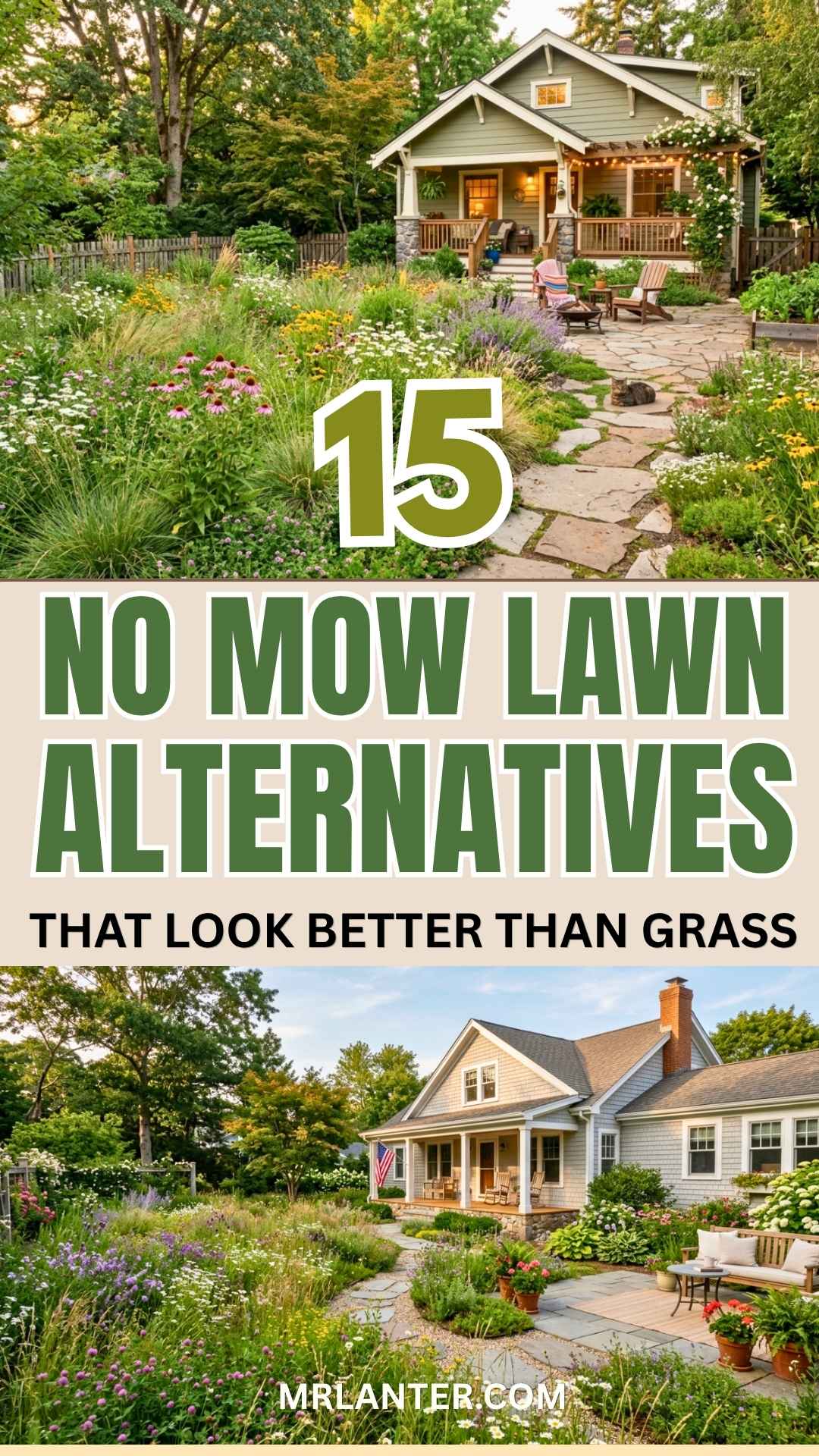
If your lawn keeps begging for water, mowing, fertilizer, and, honestly, a little bit of emotional therapy, it might be time for a new game plan. The cool part is, a no-mow yard doesn’t have to look like you gave up or forgot what a rake is.
You can swap out grass for ground covers, garden beds, and easy-care stuff that actually looks better, uses less water, and lets you spend your weekends doing literally anything else.
The real trick? Find the right choice for your sun, shade, soil, and how much your family tromps around out there.
Some of these options stay soft and green. Some bring in flowers or fun textures. A few can even turn your yard into a crisp, modern space—without all the hassle.
Let’s check out the best no-mow lawn alternatives so you can pick one that fits your yard and, honestly, your sanity.
1. Creeping Thyme
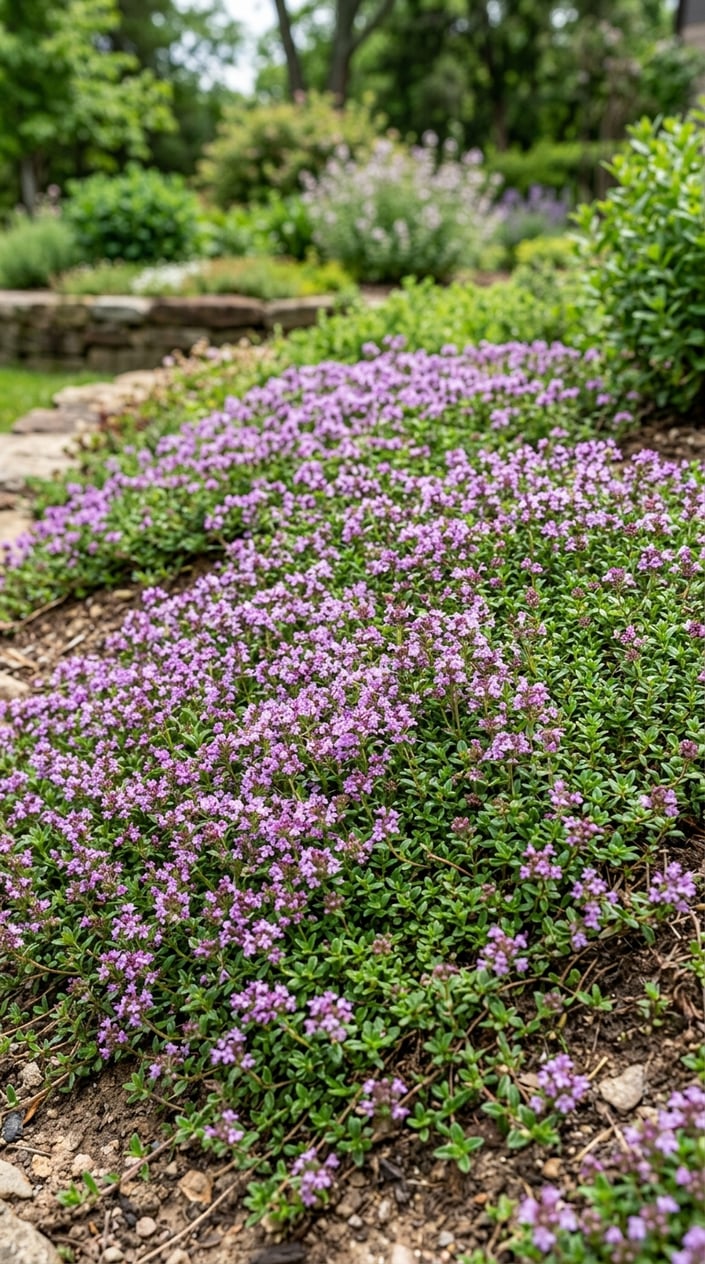
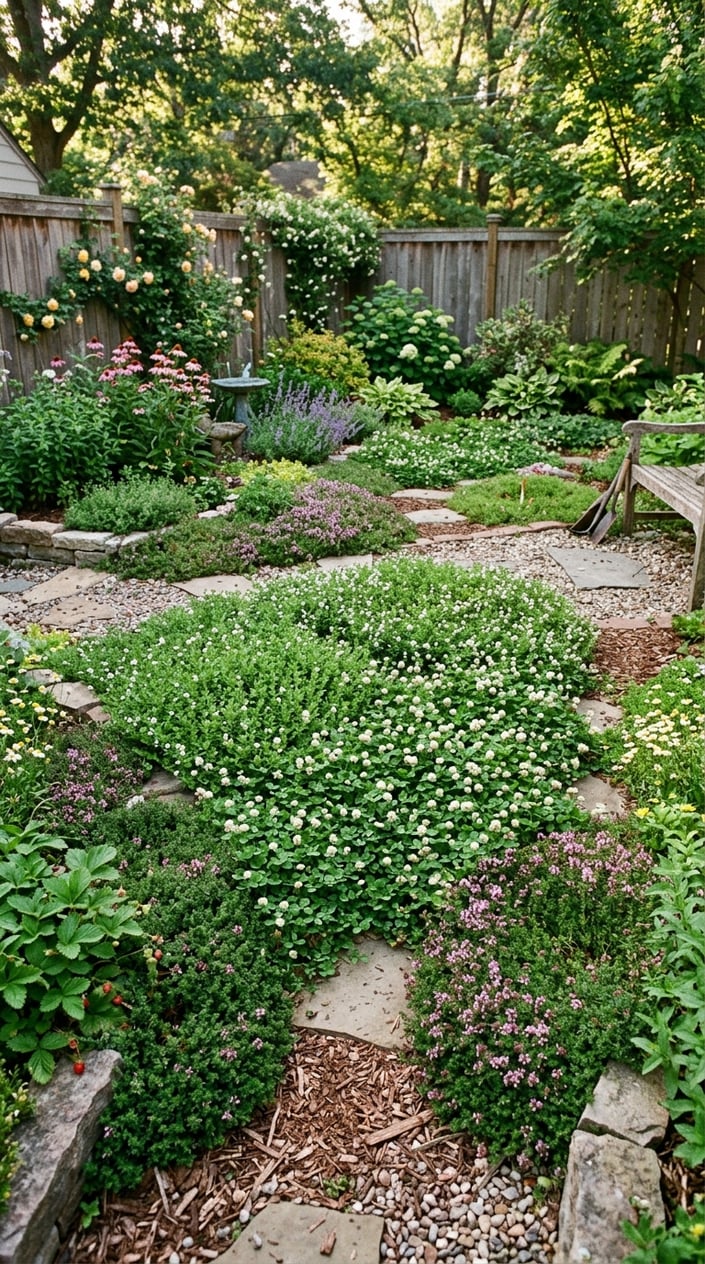
Creeping thyme is what happens when your yard decides to be both useful and smell amazing. It forms a low mat, handles a bit of foot traffic, and sends up tiny purple or pink flowers in summer.
In full sun, it can look like a soft, flowering carpet instead of sad old turf. This plant works well between stepping stones, along borders, and in dry spots where grass just gives up.
It likes well-drained soil and barely needs watering once it settles in. If you want a fragrant lawn substitute that stays neat and looks a little magical, thyme is a solid choice.
Expert Tip From MrPlanter: “Plant creeping thyme where you walk most often, not where you expect it to act like a sports field. It does best with sun, drainage, and a little room to spread.“
2. Microclover
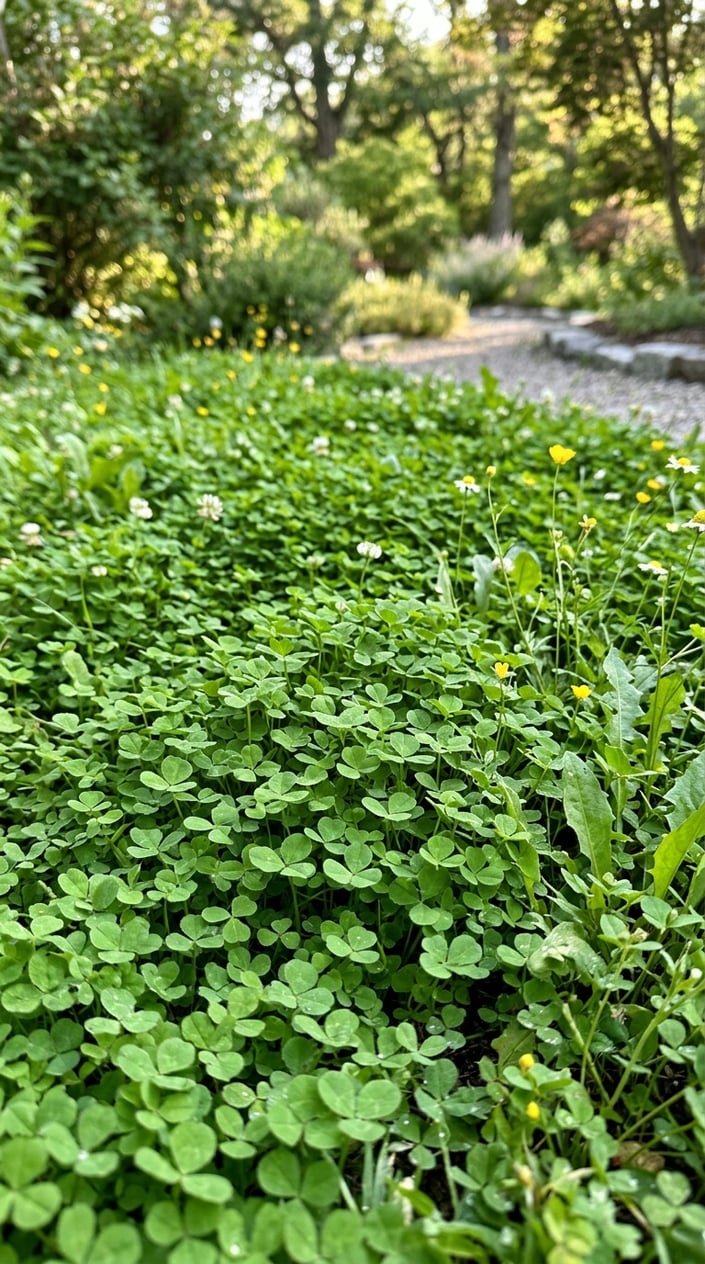
Microclover is for folks who still want that classic green lawn vibe, but without all the drama. It stays low, fills in the gaps, and even adds nitrogen to the soil—kind of like the helpful neighbor of the plant world.
It handles light foot traffic and usually stays greener than turf when things get dry. Lots of people mix it with turf grass for a softer, easier lawn.
If you want that familiar green look but less mowing and less fuss, microclover is one of the easiest swaps you can try.
Expert Tip From MrPlanter: “Use microclover in a test patch first if you are nervous about the full switch. It blends nicely with grass, so you can ease into a low-mow yard without a big leap.“
3. Moss Lawn
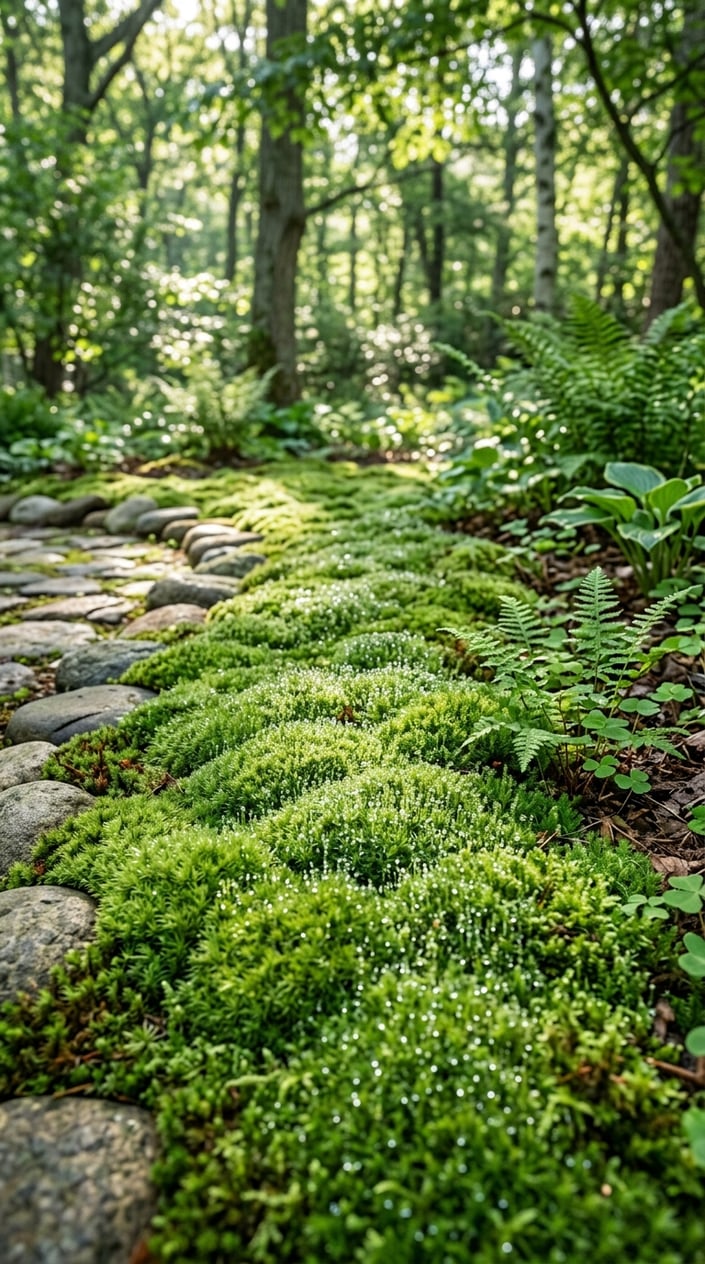
Moss is the quiet overachiever for shady yards. It never asks for mowing and gives you a soft green pad that looks calm and finished where grass just throws in the towel.
In the right damp, shady spot, it can feel like a real-life green carpet. Moss works best where you don’t get much direct sun and the soil stays a bit moist.
It doesn’t love heavy traffic, so treat it like a showpiece, not a playground. If your yard has a cool, woodland vibe, moss can make it look intentional instead of forgotten.
Expert Tip From MrPlanter: “Keep moss clean of leaves and debris, especially in fall. A little shade and steady moisture go a long way, and too much foot traffic will wear it down fast.“
4. Irish Moss
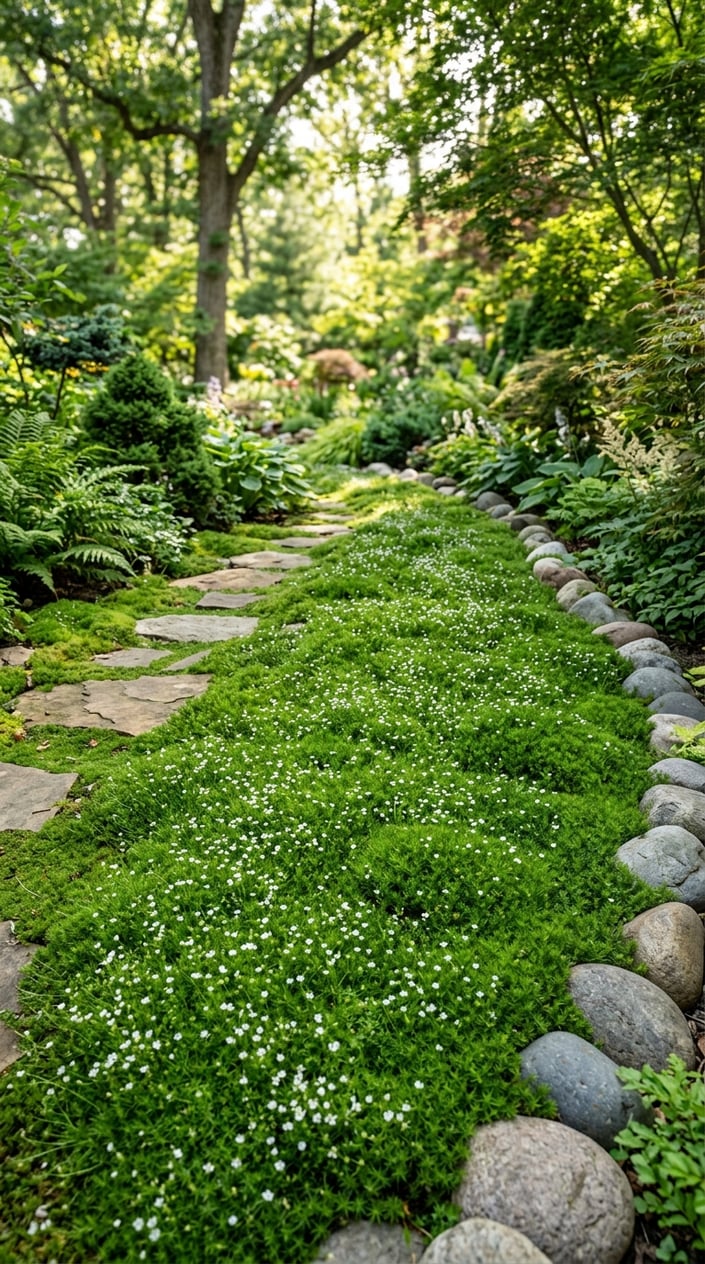
Irish moss sounds like something you’d sprinkle on soup, but it’s actually a low-growing ground cover that gives you a dense, soft look. It makes tiny white flowers and creates a neat, plush effect along borders and between stones.
Funny enough, it’s not a true moss. Irish moss likes moist soil and partial shade to full sun if it’s not blazing hot.
It’s a great pick for spots that stay evenly damp and don’t get trampled. If you want a compact, polished look without mowing, Irish moss is worth a shot.
Expert Tip From MrPlanter: “Do not let Irish moss dry out during establishment, or it may sulk. Water it well at first, then keep the soil lightly moist until it settles in.“
5. Sedges
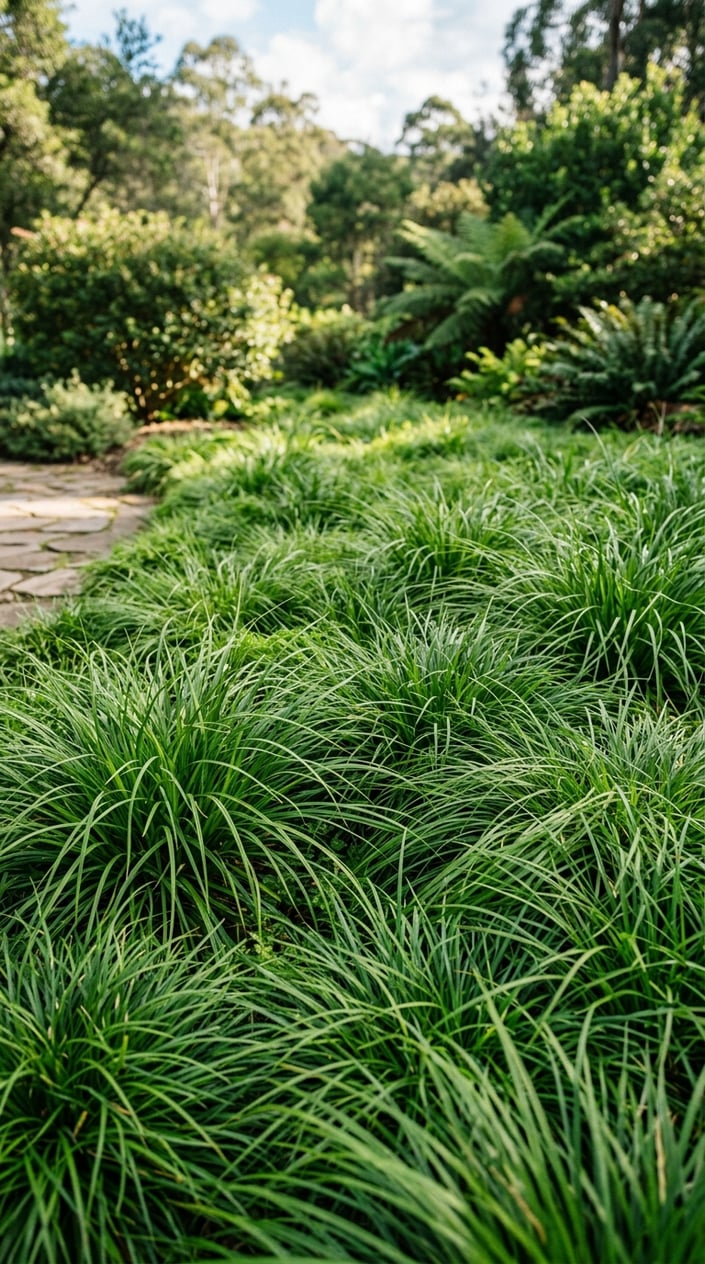
Sedges are like grass’s cooler cousins that don’t need constant babysitting. Many types form grassy clumps or soft, flowing drifts and skip the whole mowing thing.
They bring a natural look that feels more relaxed than a typical lawn, but still keep things green. Depending on the species, sedges can handle shade, wet spots, or dry patches better than turf grass.
That makes them perfect for tricky zones under trees, along paths, or mixed into other plantings. If you want a low-maintenance ground layer with a more graceful look, sedges deliver.
Expert Tip From MrPlanter: “Pick your sedge species for your site, not just for looks. Shade-loving sedges and sun-loving sedges are not interchangeable, even if the nursery tag looks friendly.“
6. Kurapia
Kurapia is a lawn replacement that honestly deserves its own fan club. It’s a sterile ground cover that spreads low and dense, perfect for people who want a green yard with less mowing and less watering.
Once it fills in, it creates a neat, uniform look that’s hard to beat. Kurapia handles drought and heat better than most lawns, so folks in warmer spots really love it.
If you want a “green yard” from the street but way less work, Kurapia is a practical pick.
Expert Tip From MrPlanter: “Kurapia works best when you give it time to fill in. Keep weeds out early, and it can become one of the easiest parts of your yard to live with.“
7. Creeping Phlox
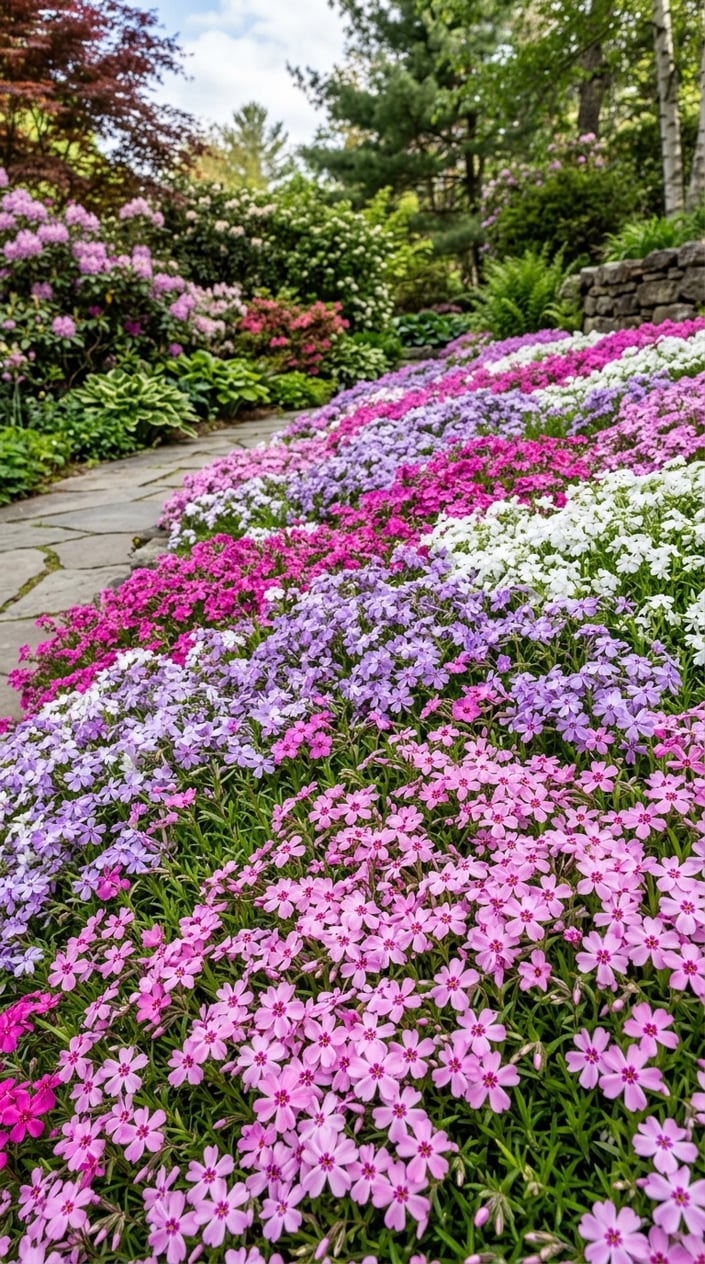
Creeping phlox doesn’t just quietly cover ground—it rolls in with a flower parade. In spring, it puts on a showy mat of pink, purple, or white blooms that can spill over edges and soften up the yard.
It’s a top pick if you want something prettier than plain grass, but don’t want a ton of work. This ground cover loves sun and well-drained soil.
It’s great for slopes, borders, and rocky spots, but it’s not built for heavy foot traffic. If your yard needs more color than green, creeping phlox can make a big difference.
Expert Tip From MrPlanter: “Trim back old blooms after flowering if you want a cleaner look. That little haircut helps the plant stay dense and tidy for the rest of the season.“
8. Sedum Ground Cover
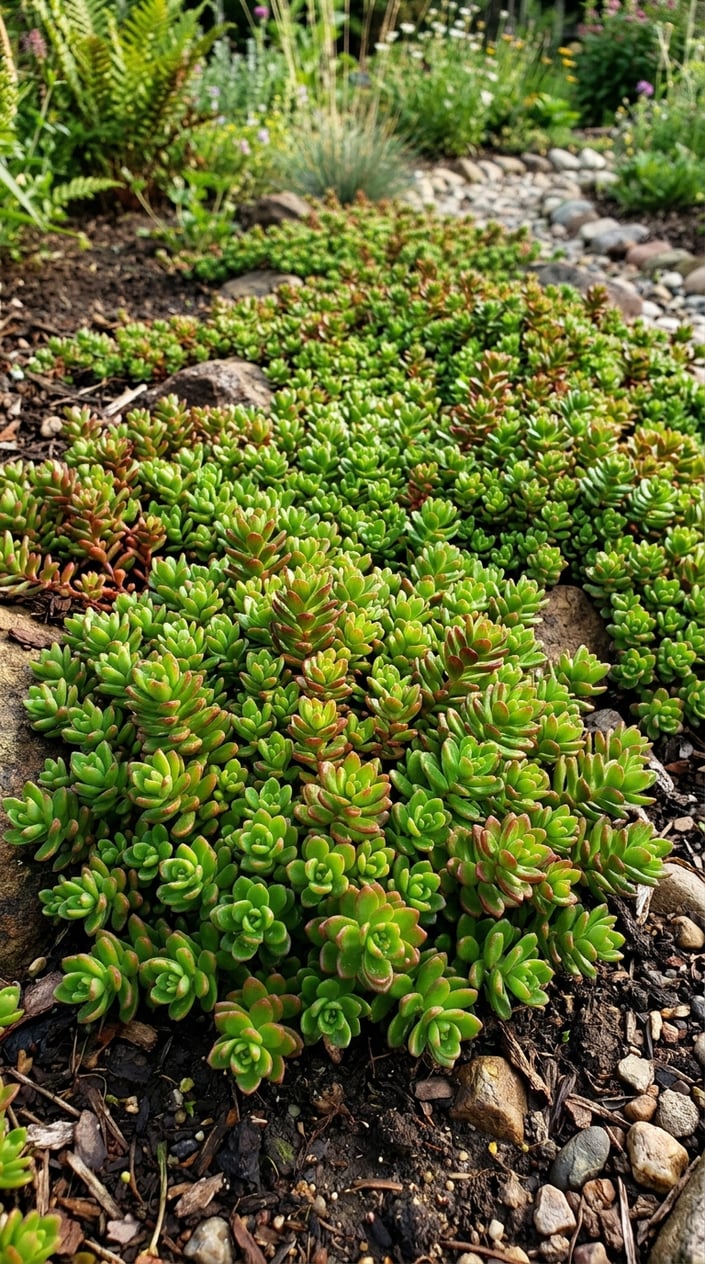
Sedum is the tough kid who never seems to need any help. This succulent ground cover stores water in its leaves, so it’s perfect for dry, sunny spots.
You get different textures and colors, so the yard won’t look flat or boring. Sedum thrives in rock gardens, around stepping stones, and anywhere the soil drains fast.
Once established, it barely needs water and honestly doesn’t ask for much. If you want a low-care, drought-friendly lawn alternative, sedum is a smart pick.
Expert Tip From MrPlanter: “Do not pamper sedum with rich soil and too much water. It likes a lean, dry setup, and that is exactly why it behaves so well.“
9. Corsican Mint
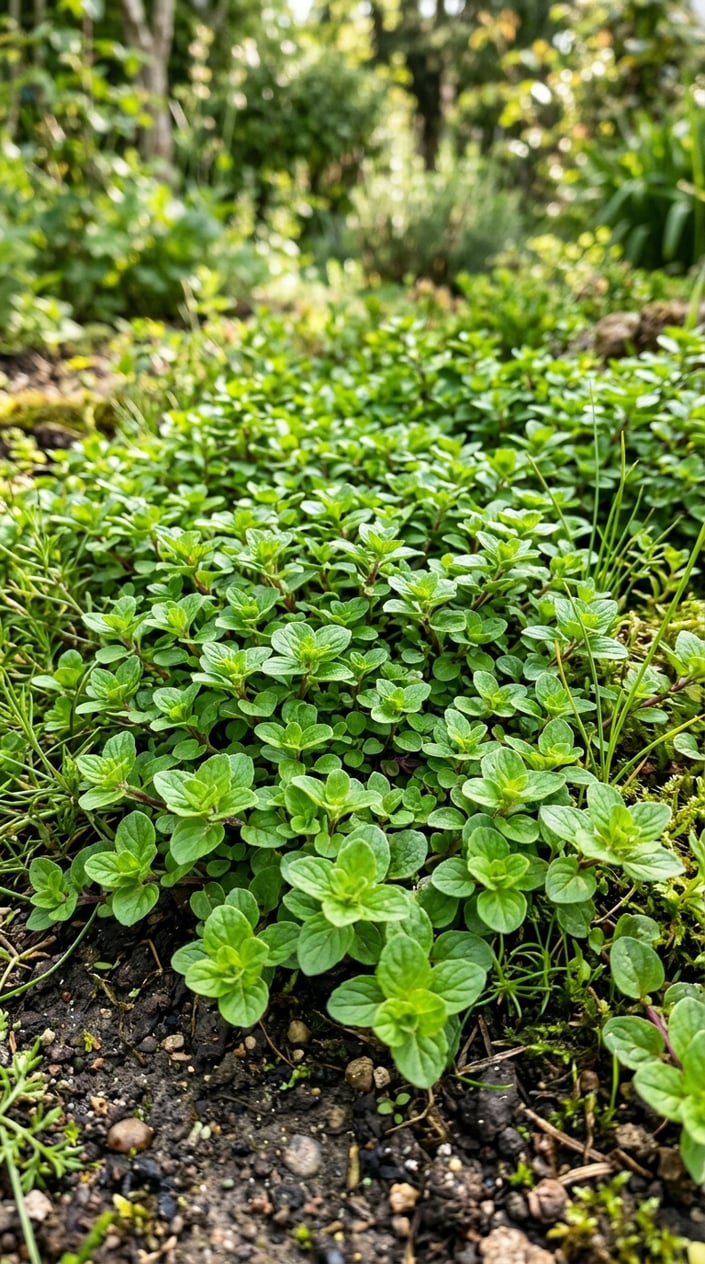
Corsican mint is tiny, polite, and honestly kind of unforgettable. It forms a low mat of small leaves and gives off a minty scent when you step on it—pretty fancy for such a little plant.
It loves moist soil and light shade, so it’s not a fan of hot, sunny spots. It works best in protected nooks where it won’t get trampled or baked.
For small areas where you want a soft, fresh, almost patio-like feel, Corsican mint is a sweet choice.
Expert Tip From MrPlanter: “Think of Corsican mint as a ground cover for gentle places, not a rough-and-tumble lawn. Keep it moist and shaded, and it will reward you with one of the nicest scents in the yard.“
10. Lamb’s Ear
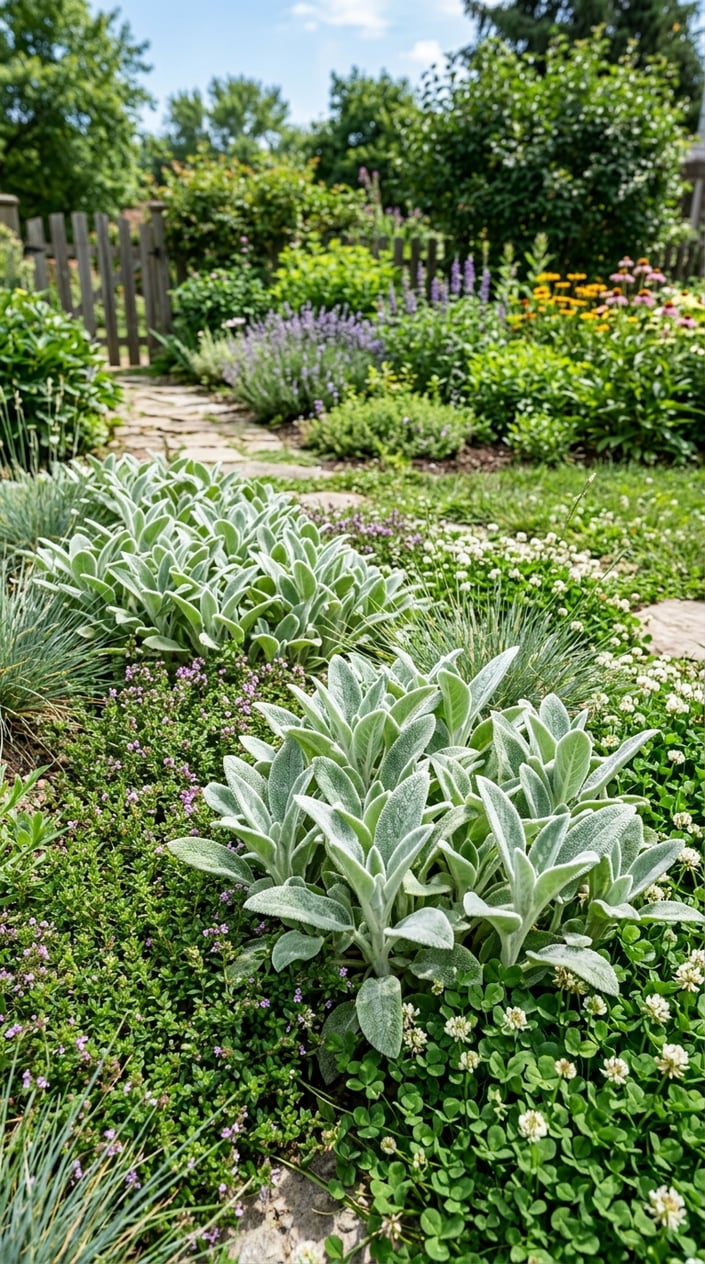
Lamb’s ear is basically a soft blanket you can plant. Its fuzzy, silvery leaves create a low, velvety patch that adds both color and texture.
It doesn’t look like a lawn, and that’s kind of the point. Lamb’s ear likes sun and well-drained soil, and it fills out borders or dry beds nicely.
It’s not meant for a lot of stomping, so give it a spot where folks can admire it instead of using it as a shortcut. If you want something to break up all the green, lamb’s ear adds a calm, silvery vibe.
Expert Tip From MrPlanter: “Plant lamb’s ear where drainage is good, or the leaves can get messy. A sunny, airy spot keeps it looking crisp and soft.“
11. Ornamental Grasses Like Bouteloua Gracilis ‘Blonde Ambition’
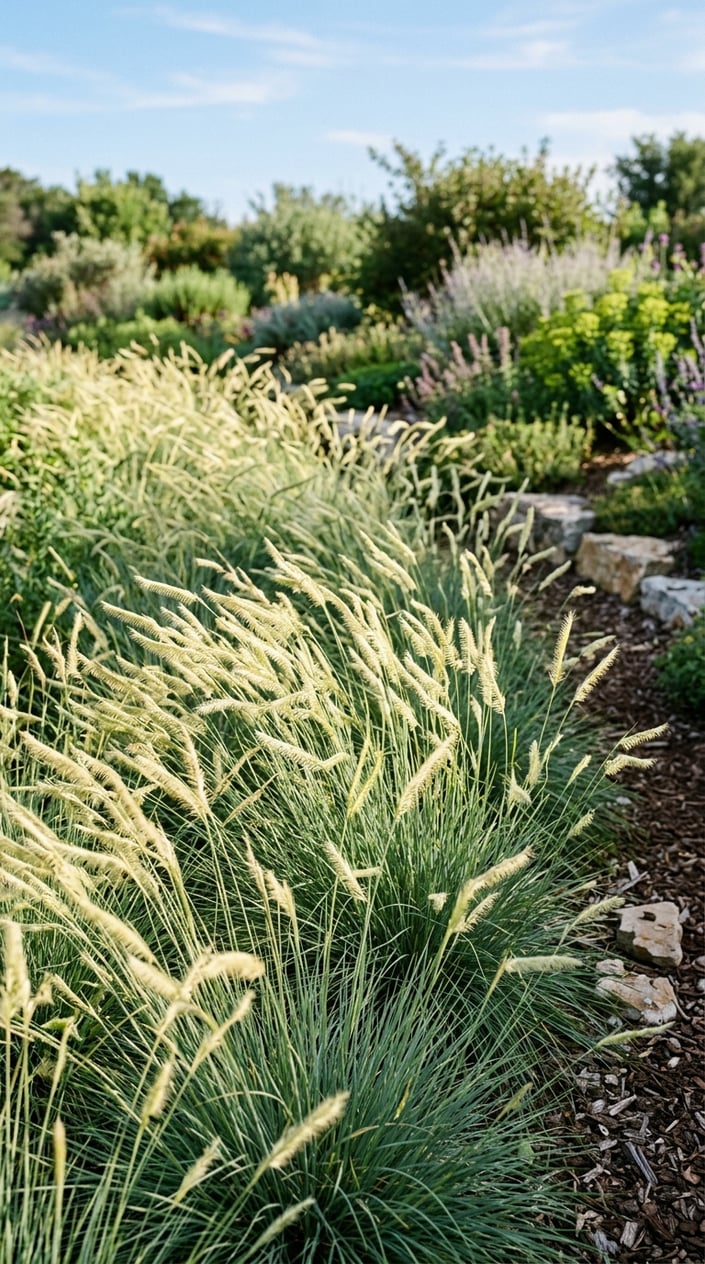
Ornamental grasses bring movement to the yard in a way that turf just can’t. Bouteloua gracilis ‘Blonde Ambition’, or blue grama grass, has seedheads that look like tiny blonde eyebrows waving in the breeze.
Sounds a little silly, but it totally belongs in a serious landscape when it grows up. This grass works great in native and drought-tolerant gardens.
It loves sunny, dry spaces and gives you texture without a weekly mowing ordeal. If you want a natural look that feels alive and seasonal, ornamental grasses are a great option.
Expert Tip From MrPlanter: “Use ornamental grasses in groups so they look intentional, not accidental. A few repeated clumps make the yard feel designed instead of random.“
12. Xeriscape Planting Beds
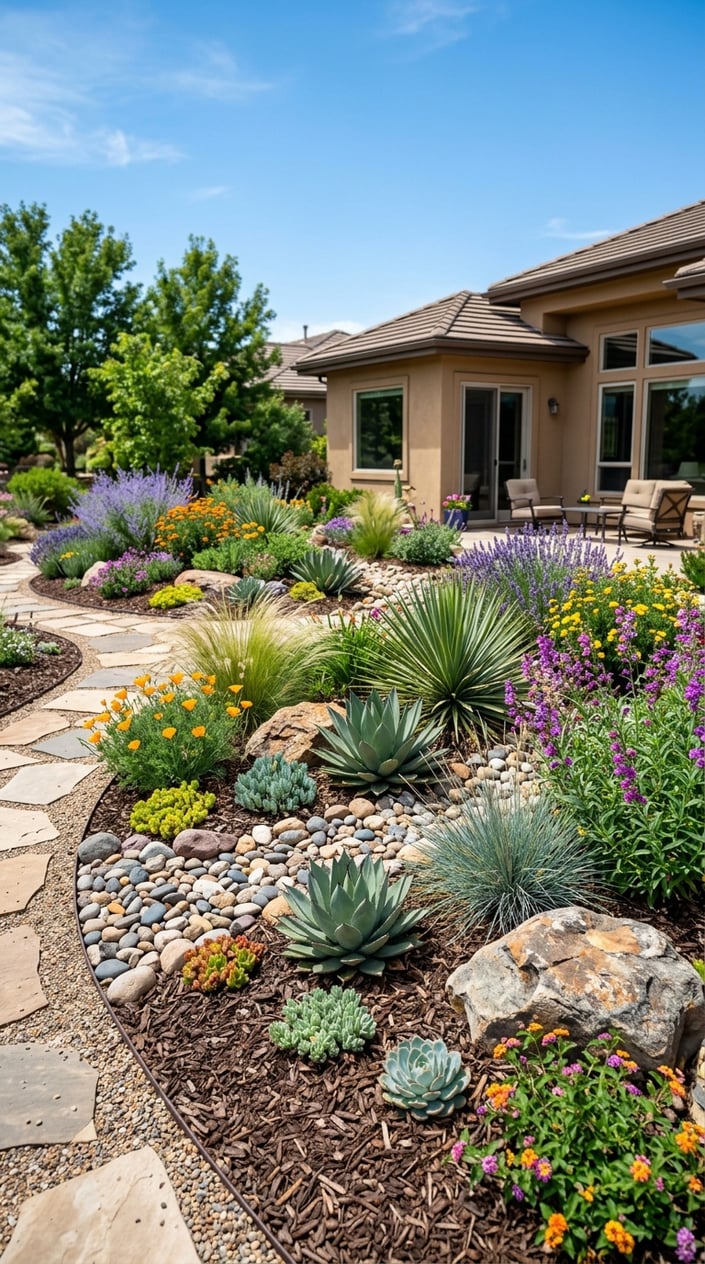
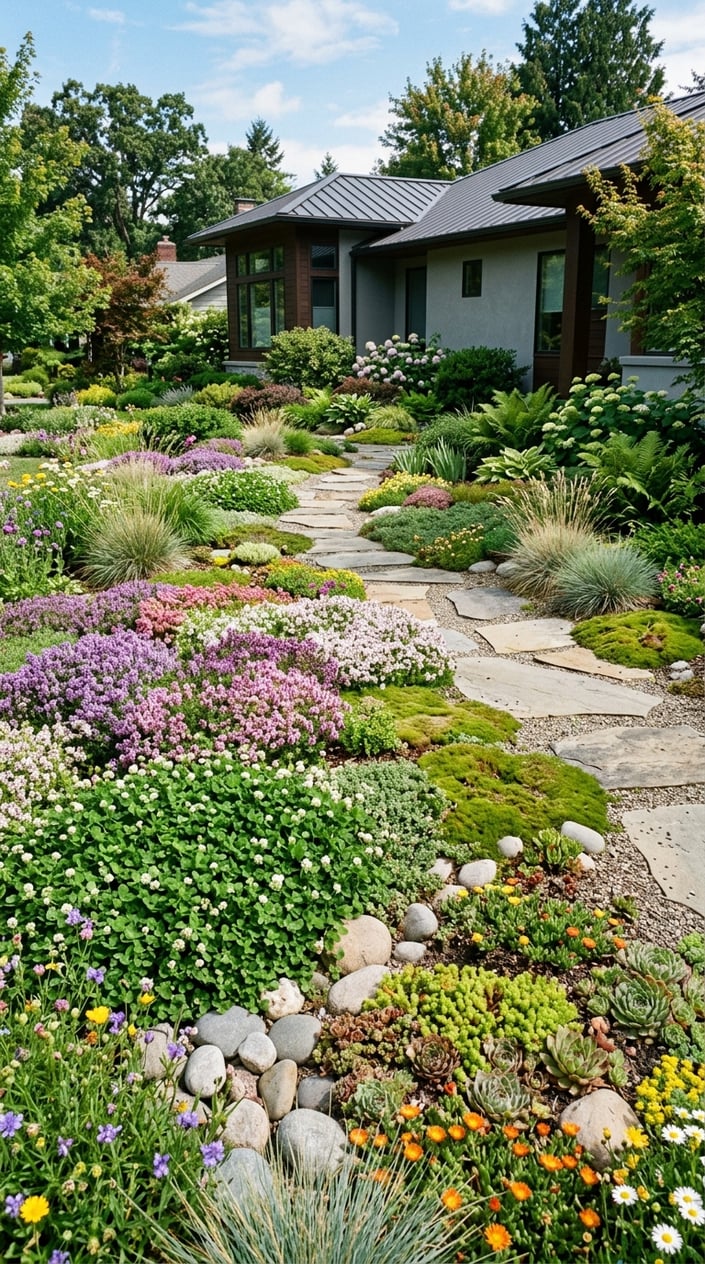
Xeriscape planting beds happen when you stop pretending your yard needs a big green blanket. Instead, you use drought-tolerant plants, mulch, gravel, and some clever spacing to build a landscape that sips water instead of guzzling it.
The look can be modern, clean, or totally natural, depending on what you plant. This works especially well in hot, dry places and for folks who want to cut way back on watering.
It also gives you more room for native plants, pollinators, and layered textures. If you like structure and want your yard to actually work with your climate, xeriscaping is a smart way to go.
Expert Tip From MrPlanter: “A xeriscape looks best when you repeat plants and shapes on purpose. That simple rhythm makes the space feel calm, not crowded.“
13. Rock Gardens
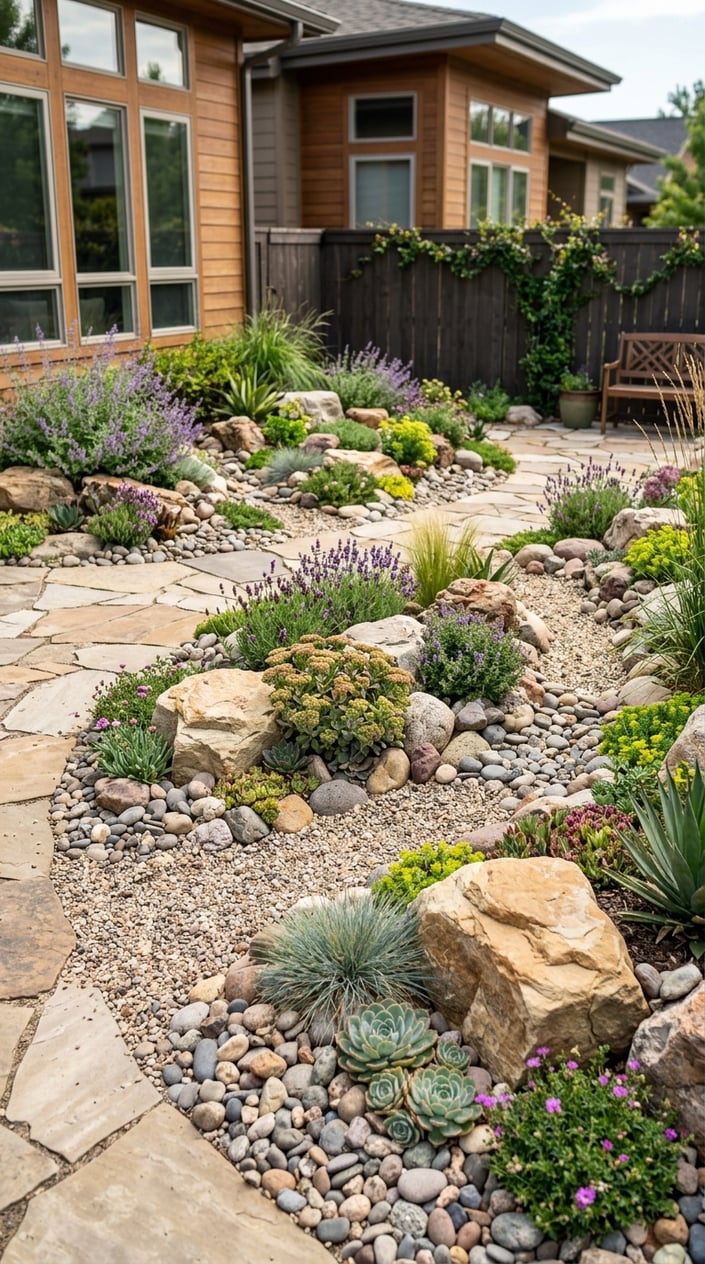
Rock gardens totally prove you can have a chill yard that still looks like you tried. When you mix stones with drought-tolerant plants, you get texture, good drainage, and something way more interesting than plain old grass.
I love how the whole thing just feels steady and tidy. You get to skip all that chasing-lawn-perfection stuff and still enjoy your yard.
Rock gardens shine on slopes, in sunny spots, or anywhere the soil makes grass throw a fit. You can show off succulents, small perennials, or native plants—whatever feels right.
If you’re after a no-mow option that’s more “landscape” and less “lawn wannabe,” this one’s a winner. It’s got personality.
Expert Tip From MrPlanter: “Use a few stone sizes, not just one, so the garden looks natural. Then tuck plants into the gaps and let the rocks do the heavy lifting.“
14. Crushed Gravel
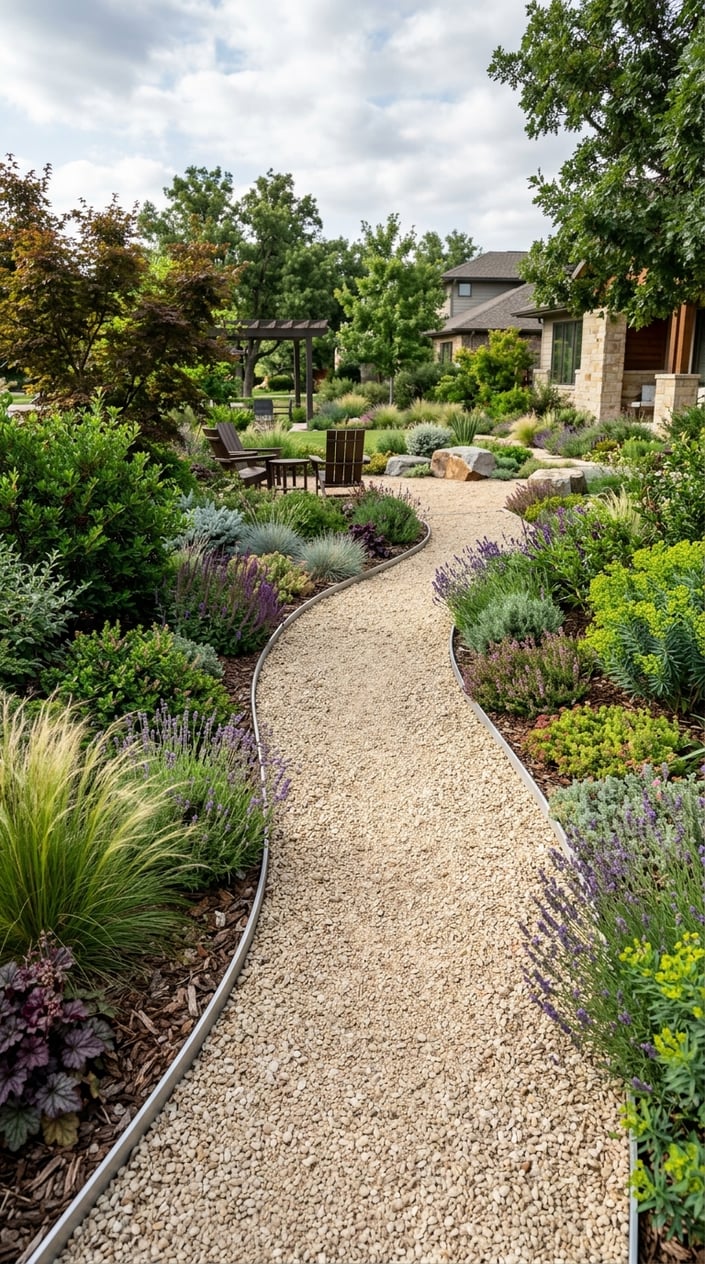
Crushed gravel is like the clean-cut cousin of grass. It never needs mowing and handles drainage like a champ.
You get a crisp, tidy surface for paths or patios, and it’s perfect for modern yards. Plus, it barely asks for any upkeep.
You’ll want to put it over a proper base and edge it well. Otherwise, you might find yourself chasing pebbles and pulling weeds for fun (and who wants that?).
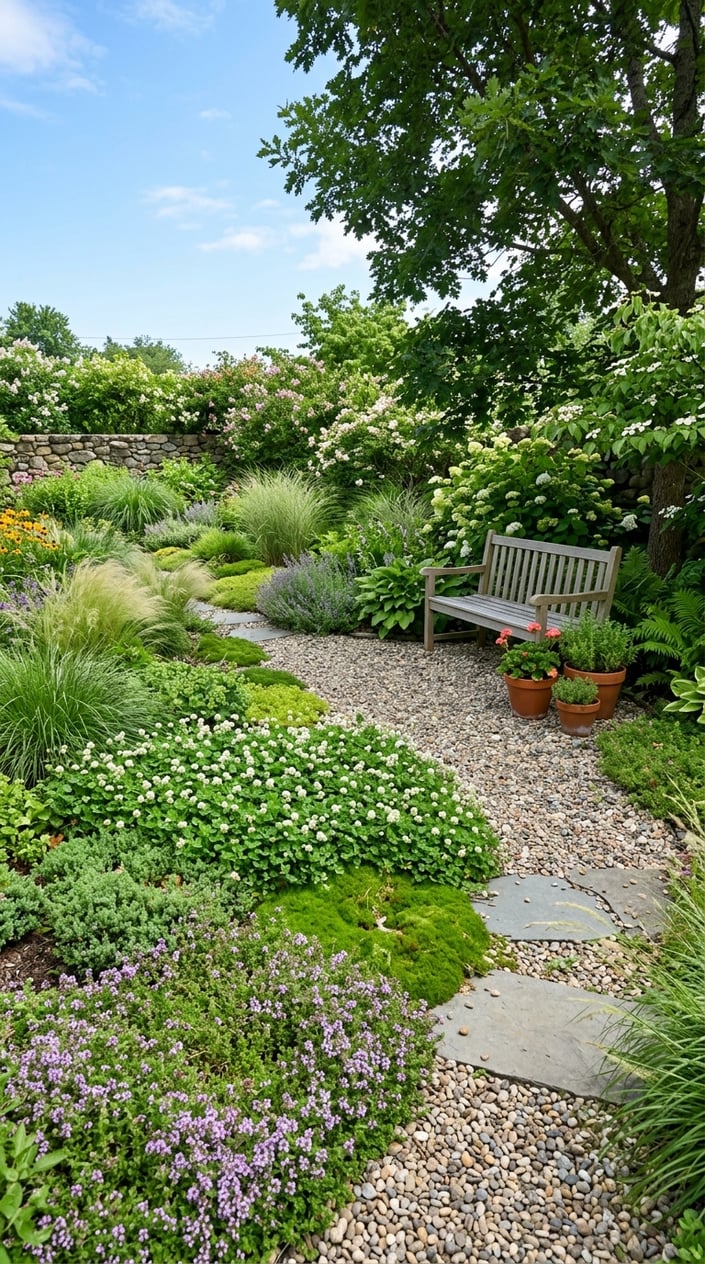
Pair gravel with stepping stones and some drought-tolerant plants for a look that feels balanced but still laid-back. If you just want less yard work, gravel gets right to the point.
Expert Tip From MrPlanter: “Install edging from the start if you use gravel. It keeps the material where you want it and saves you from sweeping pebbles out of places they should never be.“
15. Wood Chip Mulch
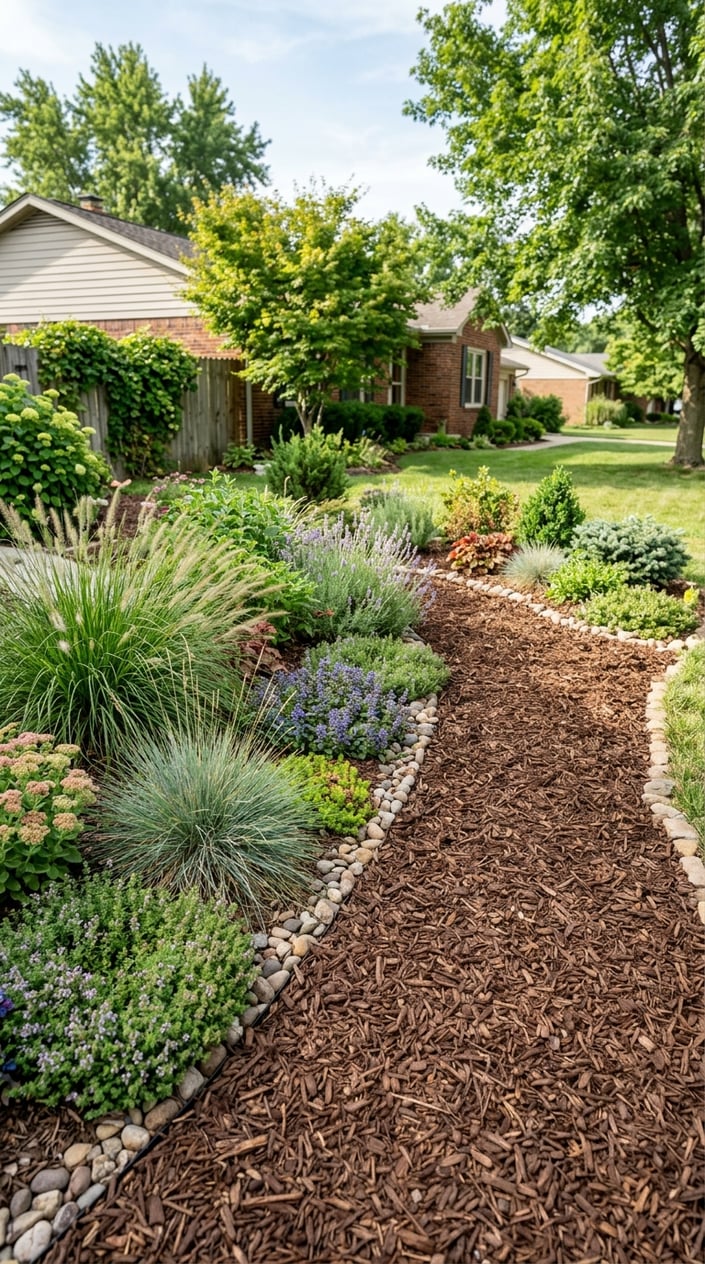
Wood chip mulch is one of the easiest no-mow swaps out there, and it won’t empty your wallet. It smothers weeds, locks in soil moisture, and gives shady or tree-heavy spots a finished, cozy vibe.
Honestly, it doesn’t even pretend to be grass, and that’s part of what makes it cool.
Wood chips work great in play areas, under trees, and around beds where grass just gives up. You’ll need to top it up as it breaks down, so it’s low-maintenance—not totally maintenance-free.
If you want a natural surface that’s simple to install and looks clean, wood chips are a solid pick.
Expert Tip From MrPlanter: “Use a thick enough layer to block weeds, usually around 2 to 4 inches. That depth helps the mulch work for you instead of disappearing into the soil in a hurry.“
Picking the right option isn’t just about what looks good on Instagram. You’ve gotta think about how you actually use your yard.
A plant that loves shade might roast in the sun, and a pretty surface could flop if you walk on it all the time. Start with what your space actually needs before you go wild with ideas.
Sun Vs. Shade
The amount of light in your yard will narrow your choices fast. Creeping thyme, sedum, and lots of ornamental grasses love full sun.
Moss, Irish moss, Corsican mint, and some sedges are happier in shade or part shade. Trust me, matching plants to your light saves a lot of headaches.
Foot Traffic Needs
If kids, pets, or guests run through your yard, you’ll want something tough like microclover or creeping thyme. Or mix in some paths.
Soft ground covers look great but don’t love getting stomped, so keep those for borders or places you just want to look at.
Dry Vs. Moist Soil
Got dry, fast-draining soil? Sedum, thyme, and xeriscape beds are your friends.
If your soil stays moist and shady, moss, Irish moss, and Corsican mint could be perfect. It’s way easier to match plants to your soil than fight nature every week.
Climate And Hardiness Zone
Yeah, your USDA hardiness zone matters—a lot. Warm, dry climates fit Kurapia, sedges, and drought-tolerant stuff.
Cooler or wetter areas work better for moss, phlox, or some native grasses. Check your zone before you get attached to a plant.
Planting Budget And Installation Effort
Ground covers and seed mixes usually cost less. Rock gardens and gravel need more materials and elbow grease up front.
Wood chips are super easy to spread. Full-on lawn replacements (especially with irrigation changes) can cost more, so pick what fits your budget and patience.
What To Know Before Replacing Grass
Swapping out grass works best if you treat it like a real project, not just a weekend whim. If you skip the prep, weeds and patchy spots will absolutely remind you who’s boss.
A little planning at the start saves a lot of groaning later.
How To Remove Existing Sod
You can yank up sod by hand, rent a sod cutter, or smother it with cardboard and mulch. The right method depends on how quickly you want results and how much sweat you want to put in.
Clear soil makes planting way easier and helps your new plants settle in.
When To Plant Ground Covers
Planting time depends on the plant and your climate, but spring or early fall works for most ground covers. Cooler weather helps roots get cozy before summer shows up.
Always check if your pick wants warm soil, cool weather, or a special planting window. It’s worth a quick Google.
Watering During Establishment
Even tough, drought-loving plants need regular water at first. Deep, steady watering in the first season helps roots grow deep, which makes everything tougher later.
After that, you’ll probably water a lot less.
Weed Control Without Extra Work
Weeds love bare dirt, so cover new spots fast with plants, mulch, or landscape fabric if it fits. Thick planting, good spacing, and early hand-weeding save you time down the road.
Starting weed-free is way easier than fighting a jungle later.
Mixing Plants With Hardscape
You definitely don’t have to swap out every bit of grass for just one thing. Try tossing in some gravel, a few stepping stones, mulch, and maybe some ground covers.
That mix gives your yard a fresh look, plus it makes paths and drainage way easier. Honestly, it usually turns out looking more natural and takes less work than wrestling with one giant patch of grass.
I’m Anirban Saha, the Founder and Owner of MrPlanter.com. I pay the bills as a software developer, although my BTech is actually in Electronics and Communication. I really love my day job, but what gives me energy every day is interacting with my indoor plants and taking care of them. I have been successfully nurturing and maintaining houseplants for over 10 years now.
📚🔍 Our content undergoes thorough review and fact-checking before publication. For additional details, explore our strict Editorial Policy to deliver helpful content. 📝🔒