You can turn any outdoor nook into a productive, pretty garden without a lot of fuss.
Here are 18 raised bed ideas that cover everything—tiny patios, big yards, awkward corners, or even if you want to move things around. Just pick what fits your space and your energy level.
You’ll spot easy DIY builds, wallet-friendly upcycles, snazzy modern looks, and clever space-savers for veggies, herbs, flowers, or climbers.
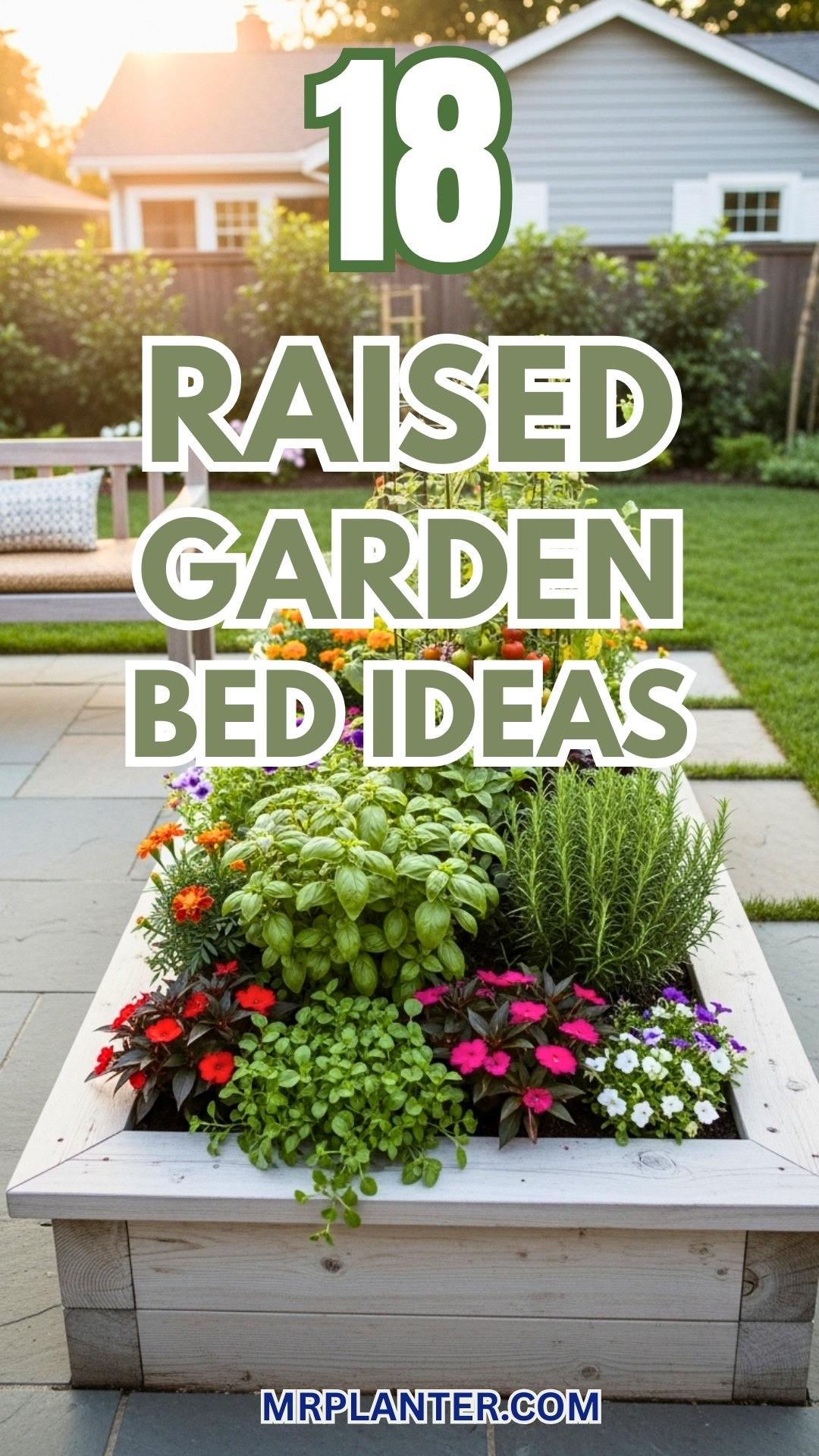
Honestly, it’s like a Pinterest board for your next gardening adventure.
1. Classic Wooden Raised Bed with Cedar Planks
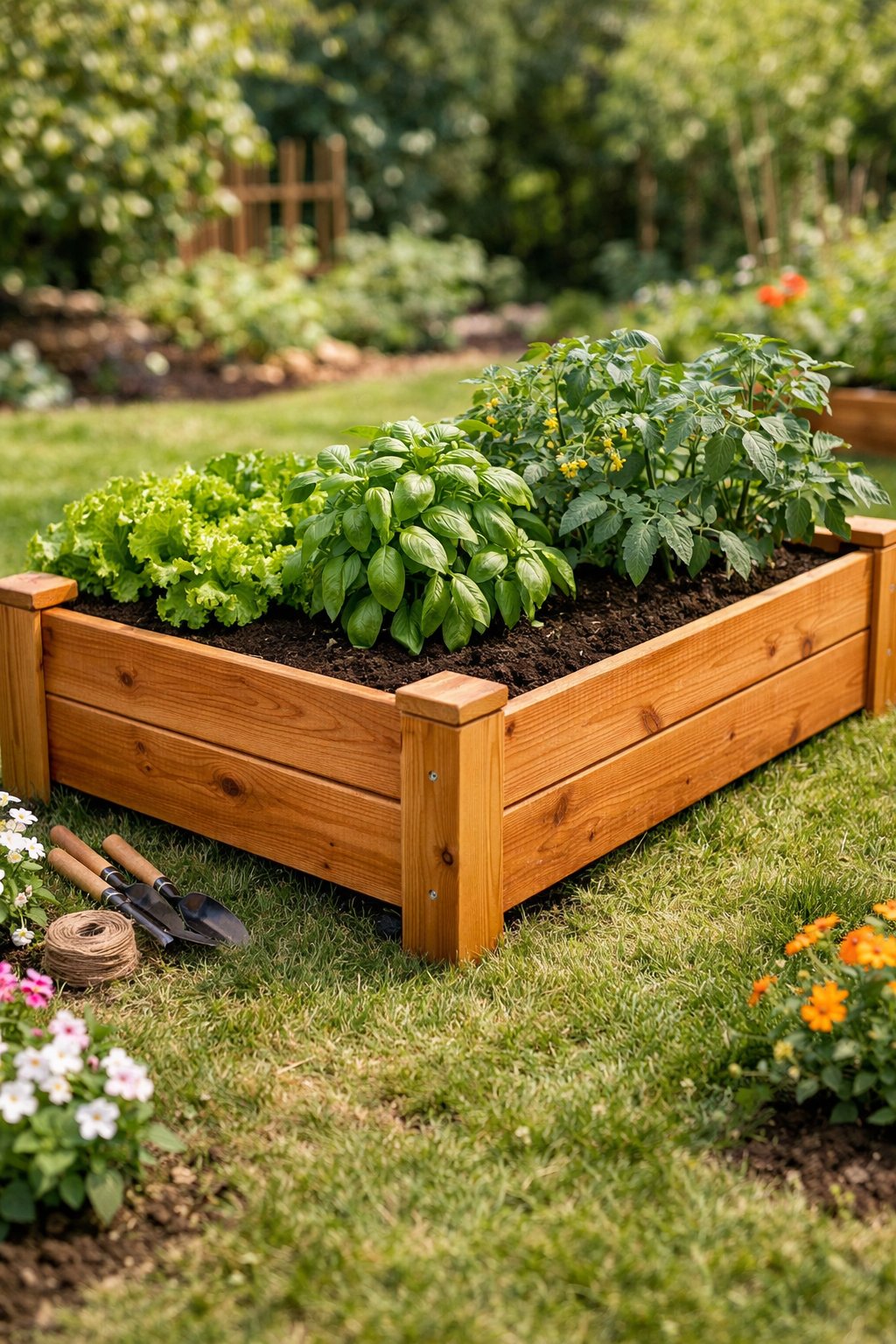
Let’s get this out of the way: cedar won’t last forever, but it sure laughs in the face of rot and bugs way longer than most woods.
You get that cozy, natural look that just works in almost any backyard, plus it’s gentle on roots.
Building it? Super simple. Grab straight cedar planks for the sides, anchor them with sturdy corner posts, and you can make it as big (or tiny) as you want.
Cedar shrugs off moisture and keeps pests at bay, so your soil stays happier for longer.
Stack two boards for extra depth or tack on a bench for lazy-day weeding.
Expert Tip From MrPlanter: Go for 1×6 or 1×8 cedar boards and keep pressure-treated stuff away from your veggies. Leave a little gap between planks for drainage and to let the wood breathe.
2. Recycled Pallet Raised Garden Bed
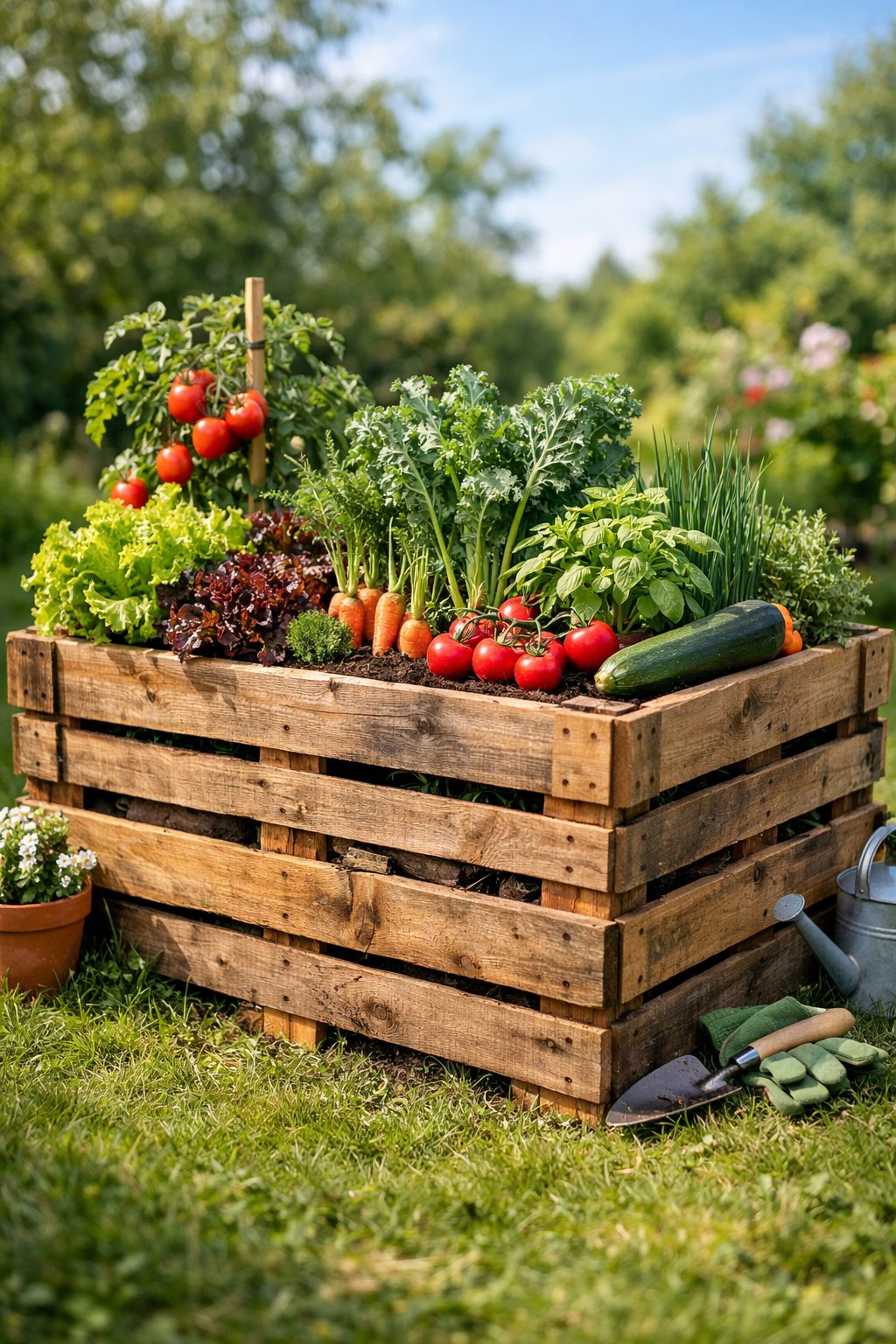
Let’s be real—gardening can get pricey, but pallets let you cheat the system.
They give you a tough, cheap frame you can shape to fit your spot. Line them, fill with good soil, and you’re in business for veggies, herbs, or flowers.
Stack ‘em, cut ‘em, make them tall or short. Just sand off splinters, double-check for chemicals, and use a weed barrier inside.
A splash of paint or stain keeps them looking sharp and lasting longer. Wheels or legs? Sure, if you like rearranging things every season.
Expert Tip From MrPlanter: Pick heat-treated pallets marked “HT” to dodge chemicals. Line with heavy fabric, then add a mix of compost and soil for happy plants.
3. Brick-bordered Raised Bed for that Rustic Vibe
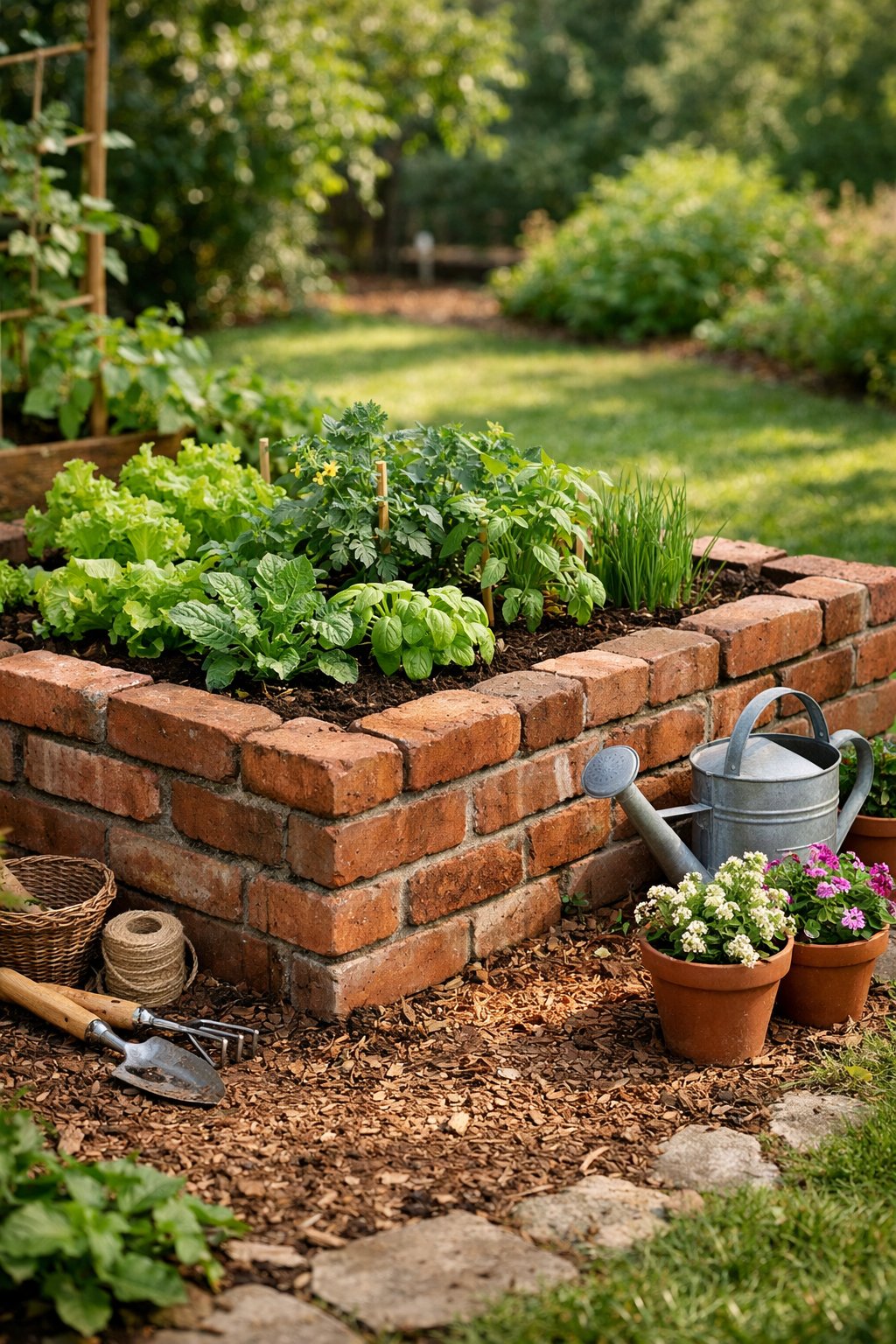
You want that old-school cottage garden look, but hate when new beds look fake? Bricks to the rescue.
A brick border brings instant charm and ages like a fine cheese—er, wine.
Lay bricks flat or on edge to build a low wall. Curve it for a soft look, or keep things straight and tidy.
Bricks soak up the sun and release warmth at night, which plants love.
Grab reclaimed bricks for more character (and to save a few bucks). Toss gravel and landscape fabric underneath to help with drainage and keep bricks from wandering.
Expert Tip From MrPlanter: “Use old bricks for that lived-in feel and push them into a gravel base. Leave little gaps for drainage and tuck in thyme or herbs between bricks for soft, green edges.“
4. Tiered Raised Beds for the Vertical Garden Fanatic
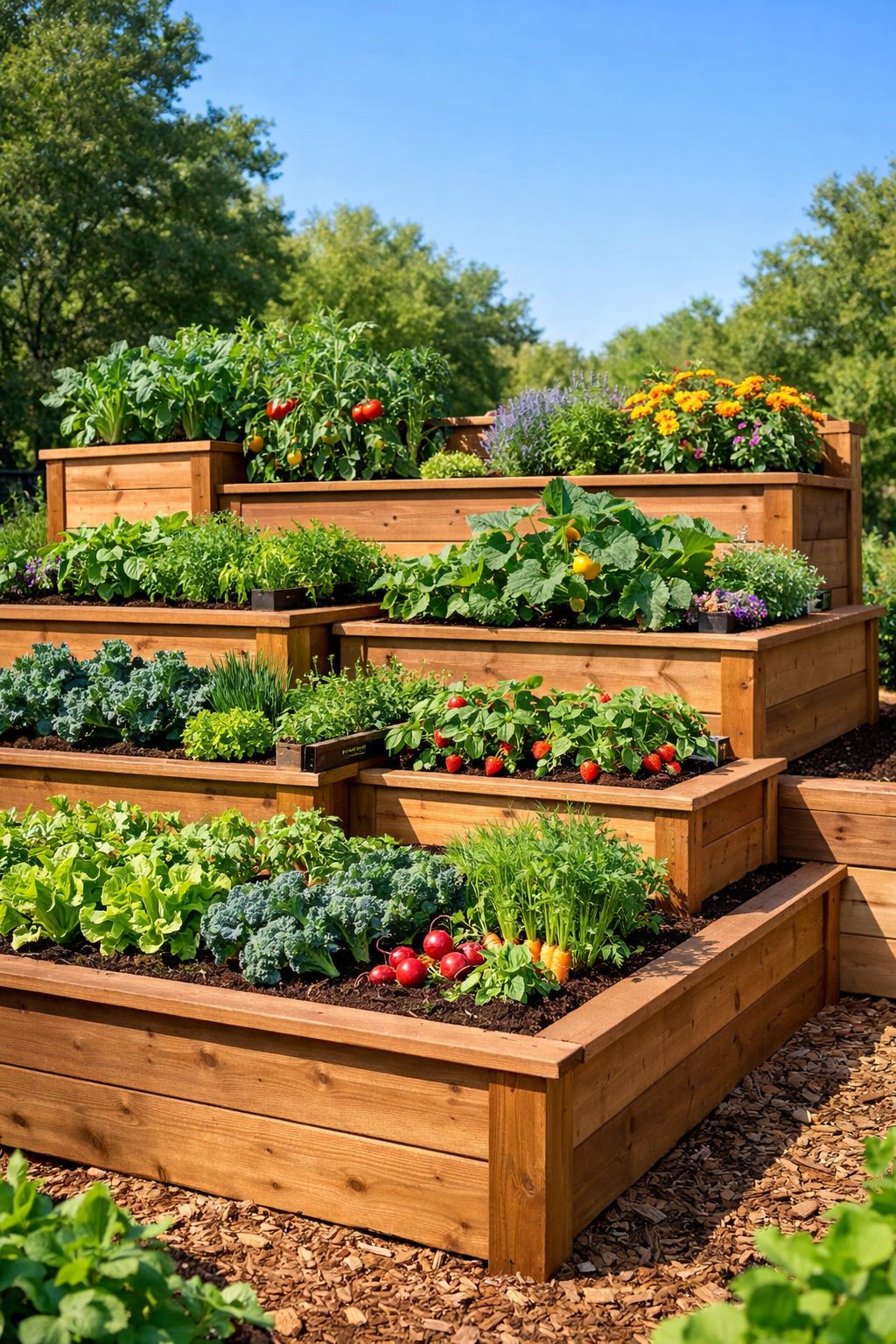
Stacking beds lets you squeeze way more plants into a small spot.
Tiered raised beds give you layers—herbs up top, salad greens in the middle, root veggies below. They’re perfect for patios, balconies, or tiny yards.
Tiers help with drainage and make watering less of a headache. Plus, they look neat and show off all your plant colors.
Expert Tip From MrPlanter: Use sturdy, rot-resistant wood and level each tier for happy watering. Put the tall stuff at the back or top so everyone gets some sun.
5. Metal Frame Raised Bed—Hello, Industrial Chic!
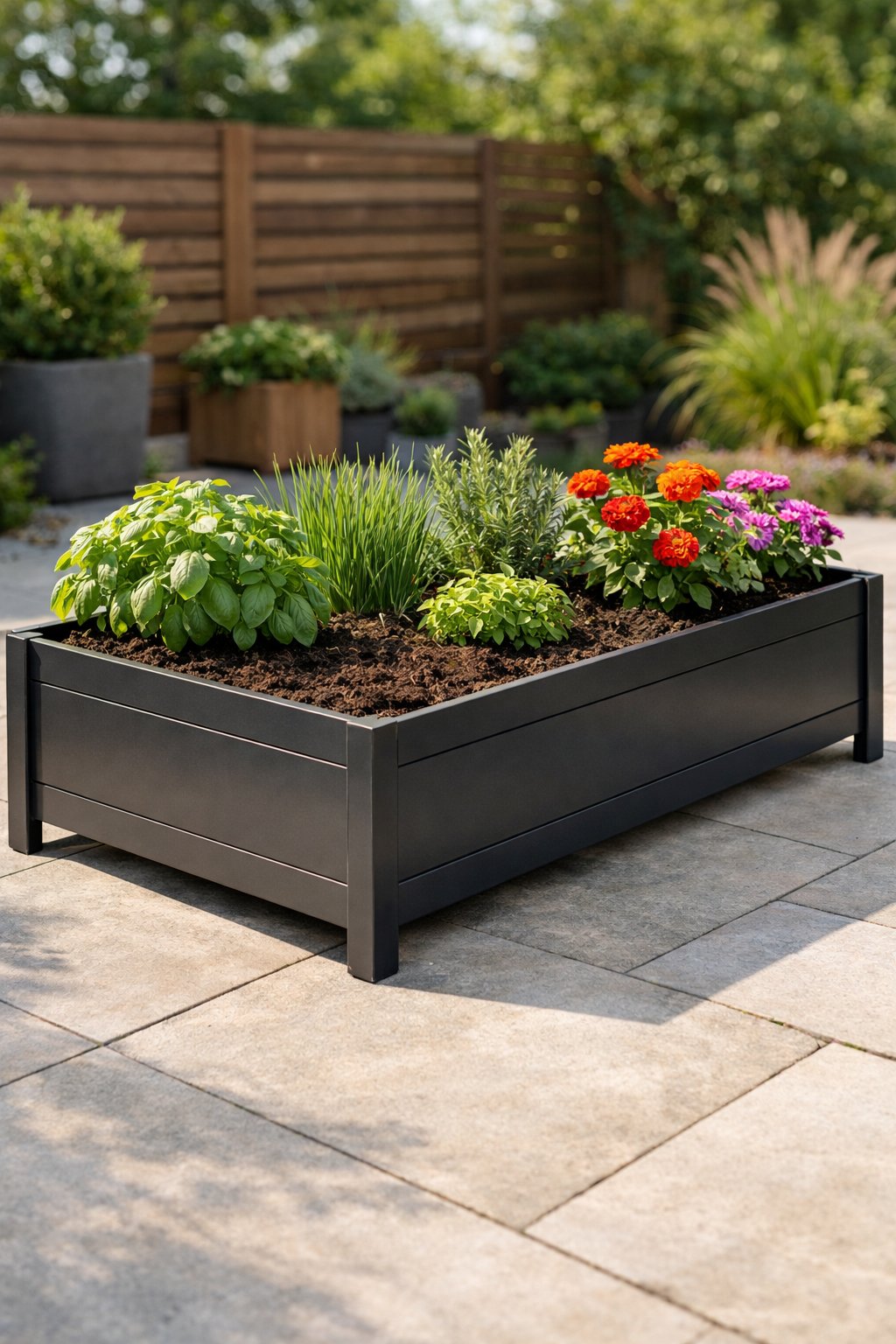
Metal beds don’t have to rust—pick the right finish and they’ll outlast your garden gloves.
They bring sharp lines and a modern vibe to any patio or small yard.
Metal heats up fast in spring, so your soil wakes up early. That means you plant sooner, but thirsty plants might need extra water on hot days.
These beds are tough. Galvanized steel just shrugs off rust.
Stack ‘em, wedge them in corners, or group for a cool effect.
Pair with wood or stone for a softer look. Pop in herbs, lettuce, or shallow veggies—metal’s best for those.
Expert Tip From MrPlanter: “Slip a weed barrier under the metal bed to keep your soil in check. Water early so roots don’t overheat.“
6. Half-Moon Raised Bed for Curvy Garden Borders
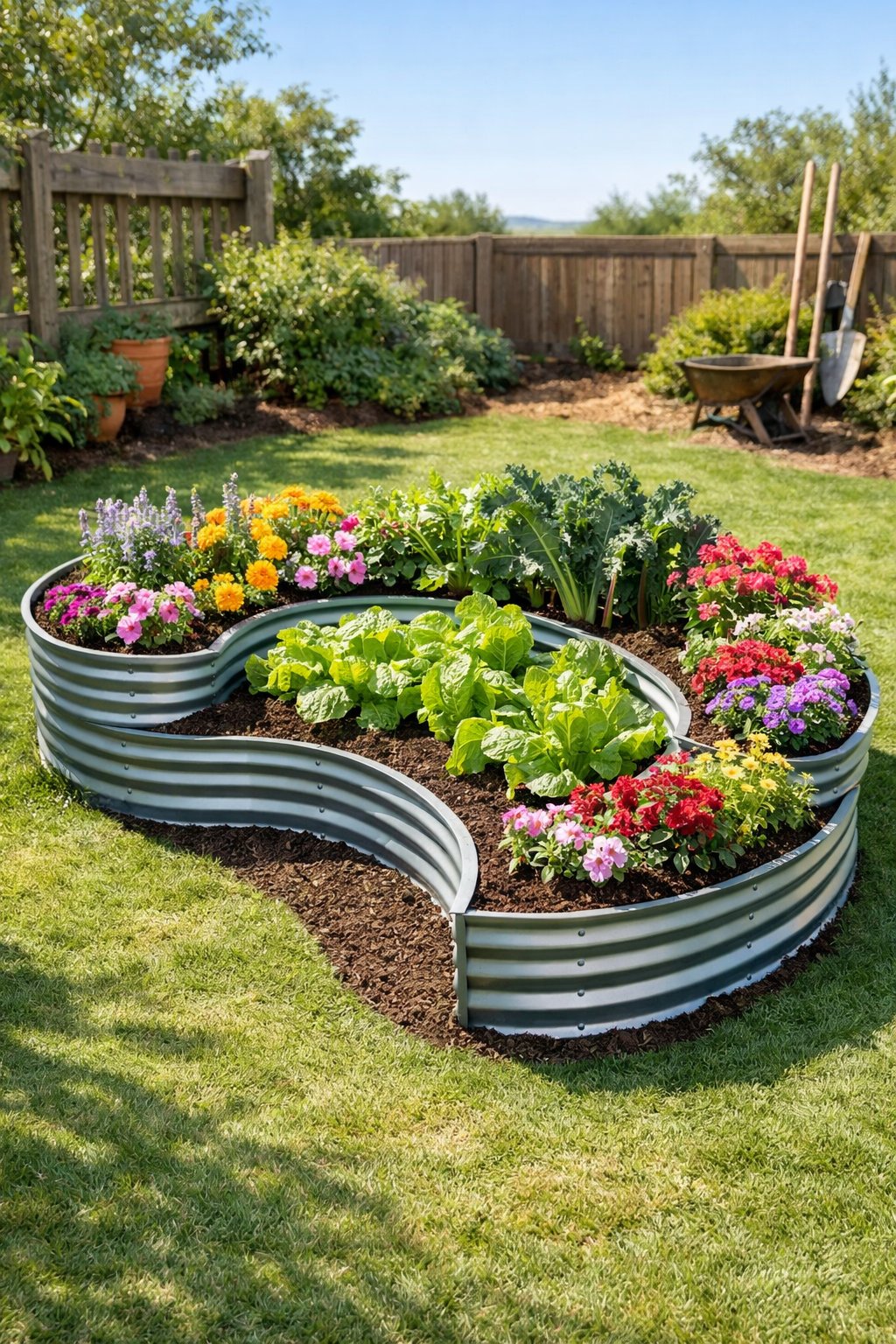
Curved beds look fancy but aren’t hard to build. A half-moon raised bed hugs a path, fence, or wall, turning tight spaces into real showstoppers.
Plant tall flowers or herbs in the back, shorter stuff up front. You get a layered look that’s easy to see from the walkway.
The curve helps with drainage and creates a warm little pocket for sun-loving plants.
Pick materials that match your vibe—wood for cozy, metal for modern. Stake the long side so the soil doesn’t try to escape.
Expert Tip From MrPlanter: Build the half-moon on flat ground and use landscape fabric to block weeds. Plant in clumps for drama and water more often the first year.
7. L-Shaped Corner Raised Bed to Maximize Space
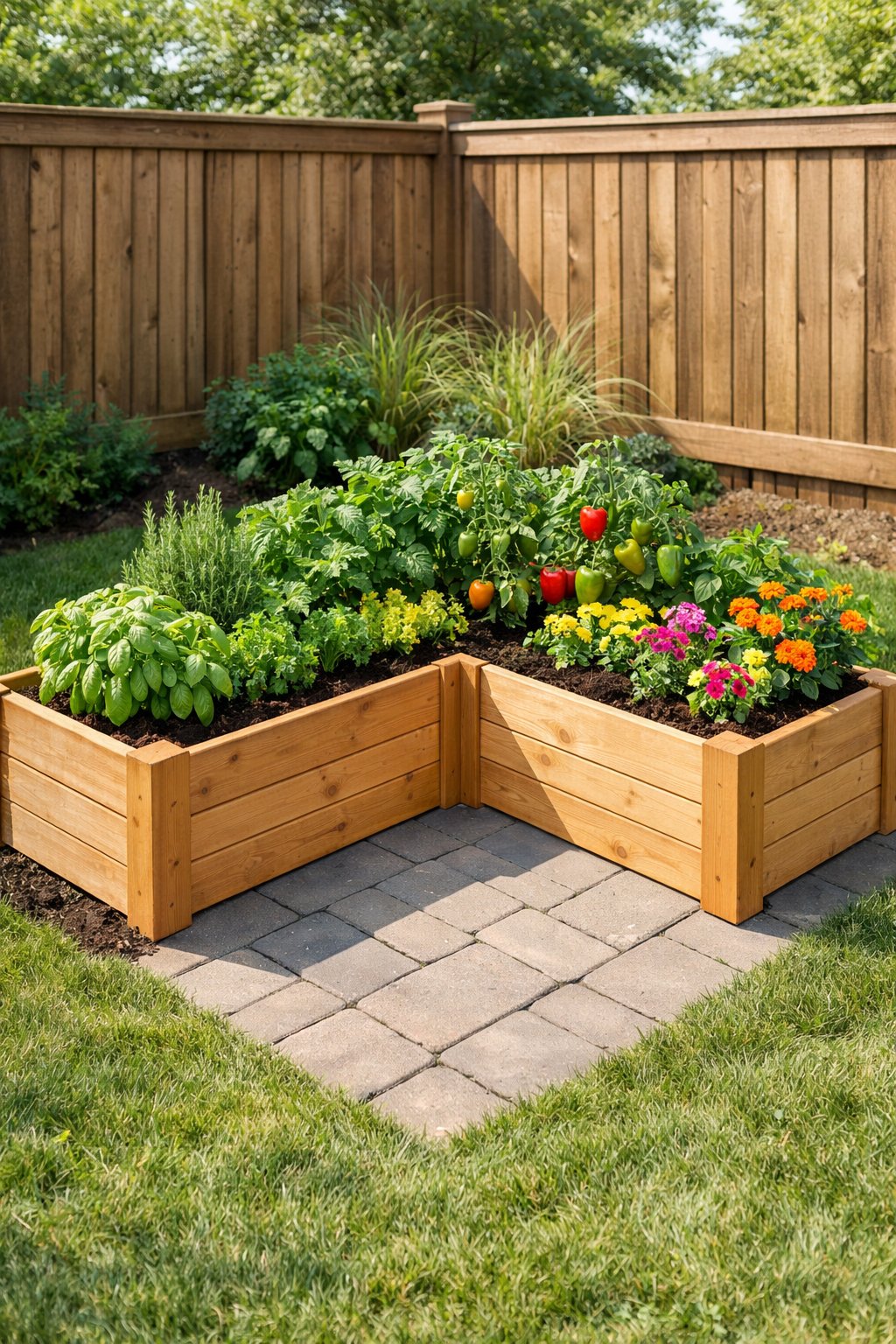
Tired of sad, wasted corners? An L-shaped bed slides right in and turns that dead zone into a plant party.
You get two faces to play with—tall crops on one, low herbs on the other.
It’s easy to reach everything, so you won’t stomp on your soil and the roots stay loose.
Build it from wood, composite, or just grab a kit. Dump in good soil, mulch, and a drip line, and you’re set.
Expert Tip From MrPlanter: “Plant sun-lovers on one side, shade fans on the other. Use a soaker hose so you water the bed, not your shoes.”
8. Herb Spiral Raised Bed for Aromatic Adventures
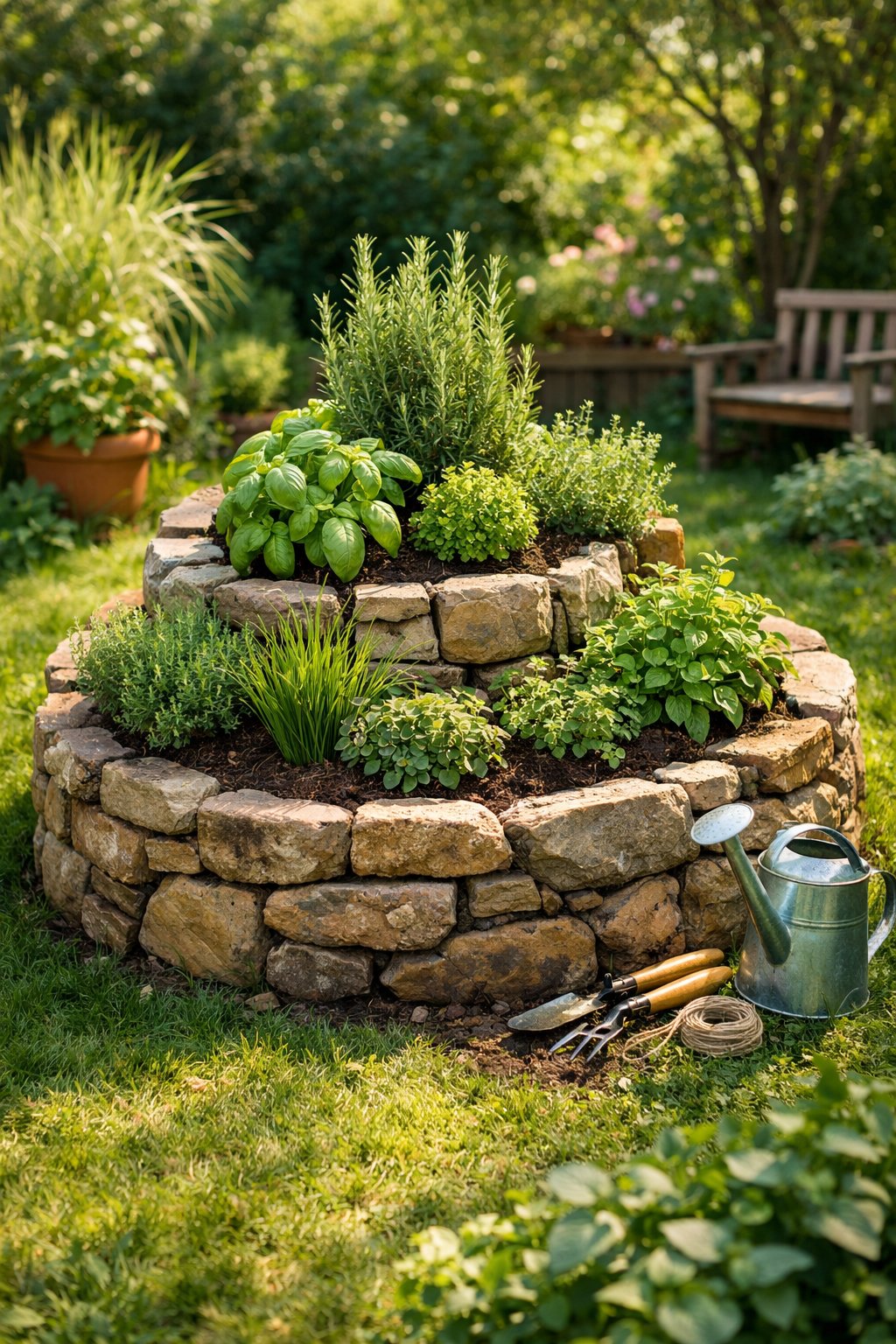
You don’t need a farm to grow a spice rack. Herb spirals cram tons of flavor into a small, twisty mound you can reach from every side.
Build a spiral with bricks, stones, or wood, then fill with soil. The top stays sunny and dry for rosemary and lavender. The bottom’s shadier and damper, perfect for parsley and mint.
Different spots in the spiral make little microclimates, so you can grow all sorts of herbs close together.
Expert Tip From MrPlanter: “Face the sunny side south or west for happy herbs. Water gently at the base—keep the top dry, bottom moist.”
9. Straw Bale Raised Beds—Cheap & Composting in Action
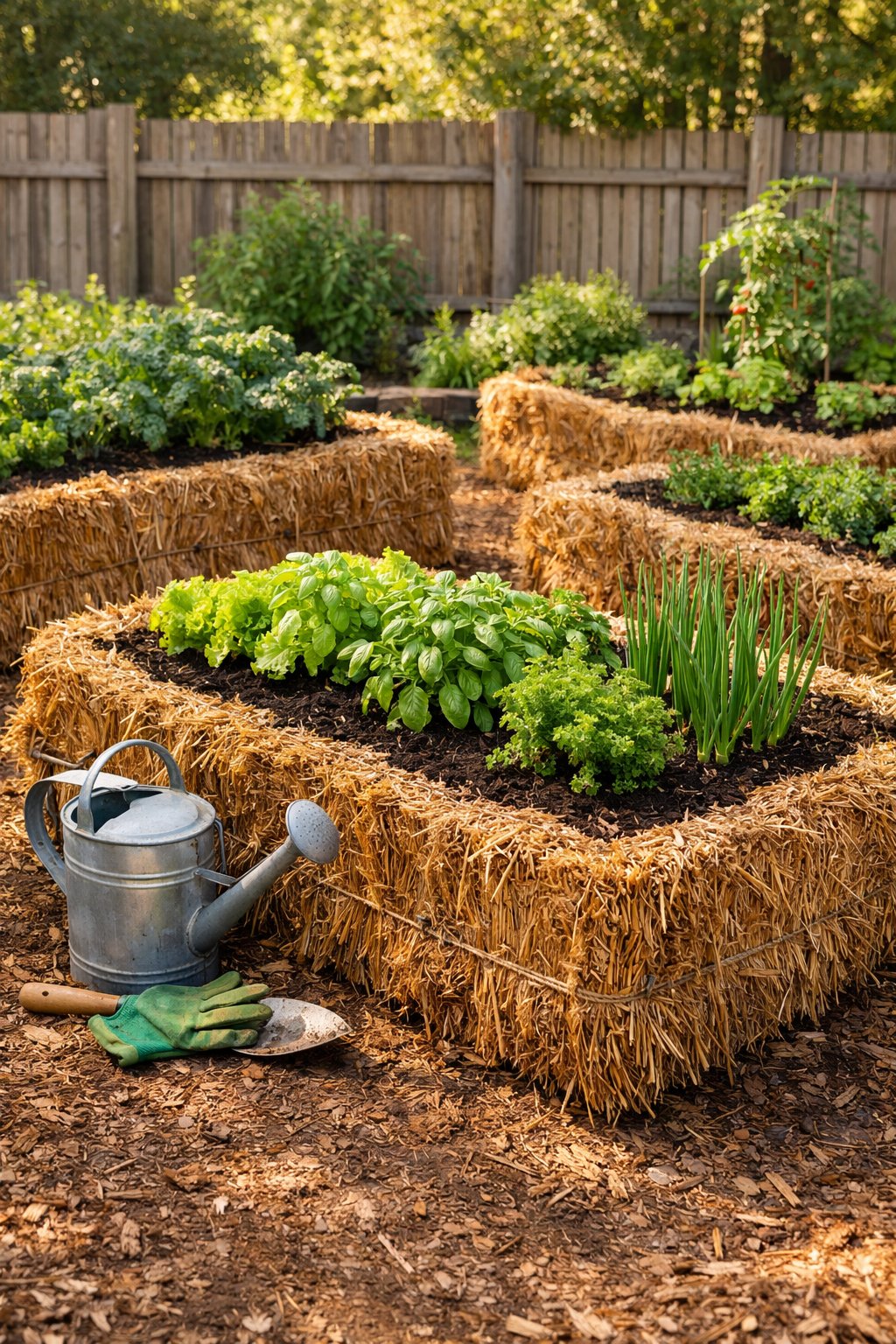
You can whip up a raised bed in under two weeks with straw bales—wild, right?
Set bales in the sun, add fertilizer or compost, and water. Microbes break down the straw, making a warm, cozy spot for seedlings.
It’s way cheaper than lumber beds and doesn’t need heavy lifting. When the season ends, the bales turn into compost and mulch for your garden.
Expert Tip From MrPlanter: “Set bales on flat ground in full sun and check moisture every day while they break down. After planting, top with a few inches of potting mix so roots have a soft start.“
10. Concrete Block Raised Beds with a Modern Twist
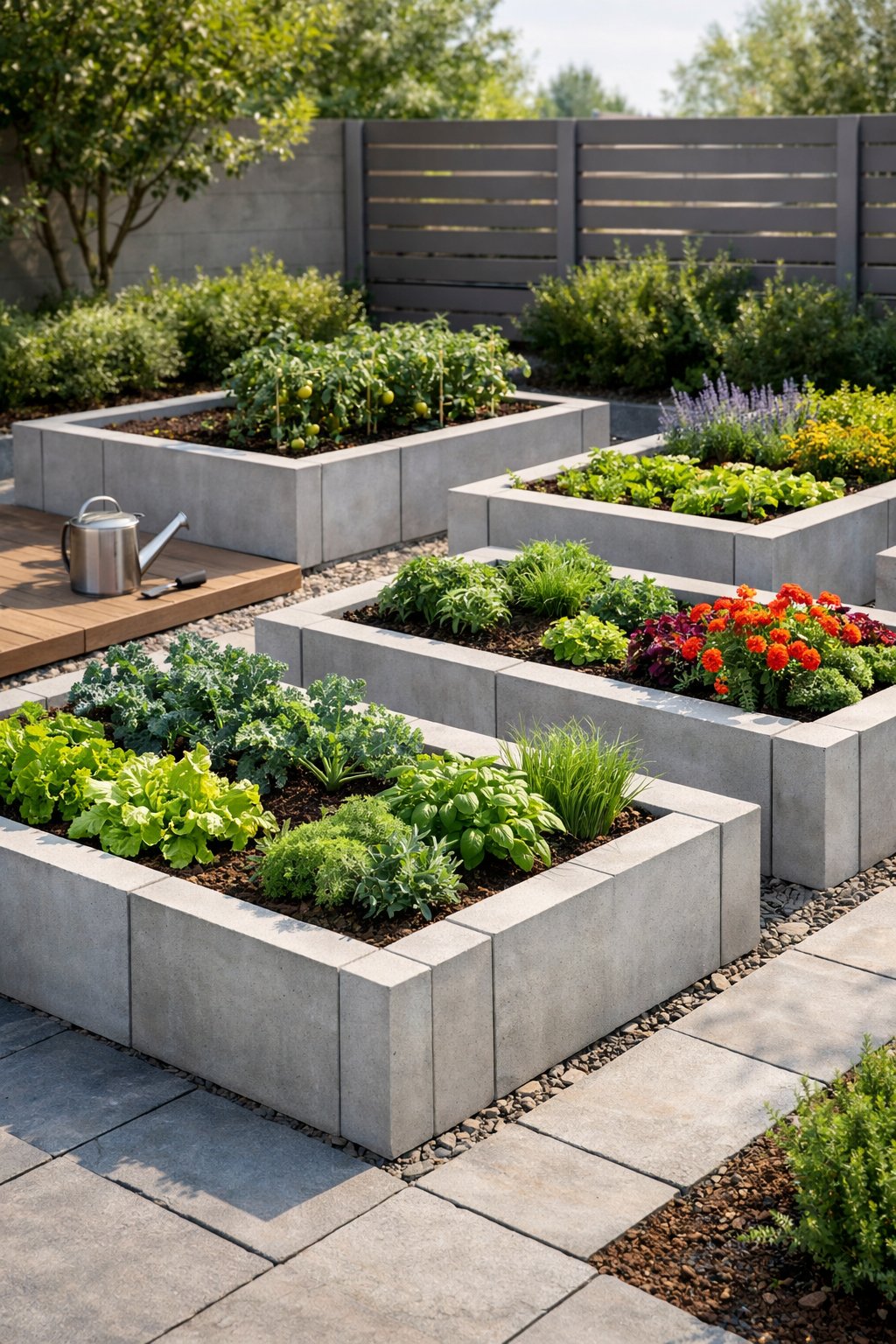
Concrete blocks don’t have to look boring. Stack them in neat lines for a sharp, modern bed that still feels welcoming.
Paint them a soft color or leave them raw for an industrial vibe. Stagger the heights or cut corners for fun shapes, and tuck herbs or succulents into the block holes.
Use the hollow cores as bonus planting spots, or fill with soil and bulbs. Line or seal the inside if you’re worried about moisture, and slap a weed barrier underneath to keep things tidy.
Expert Tip From MrPlanter: Pick lighter blocks if you might move the bed later. Add a coat of exterior paint to protect and brighten things up.
Surprising Fact: Sunken beds actually keep more moisture than raised ones, so you water less and your plants chill out more.
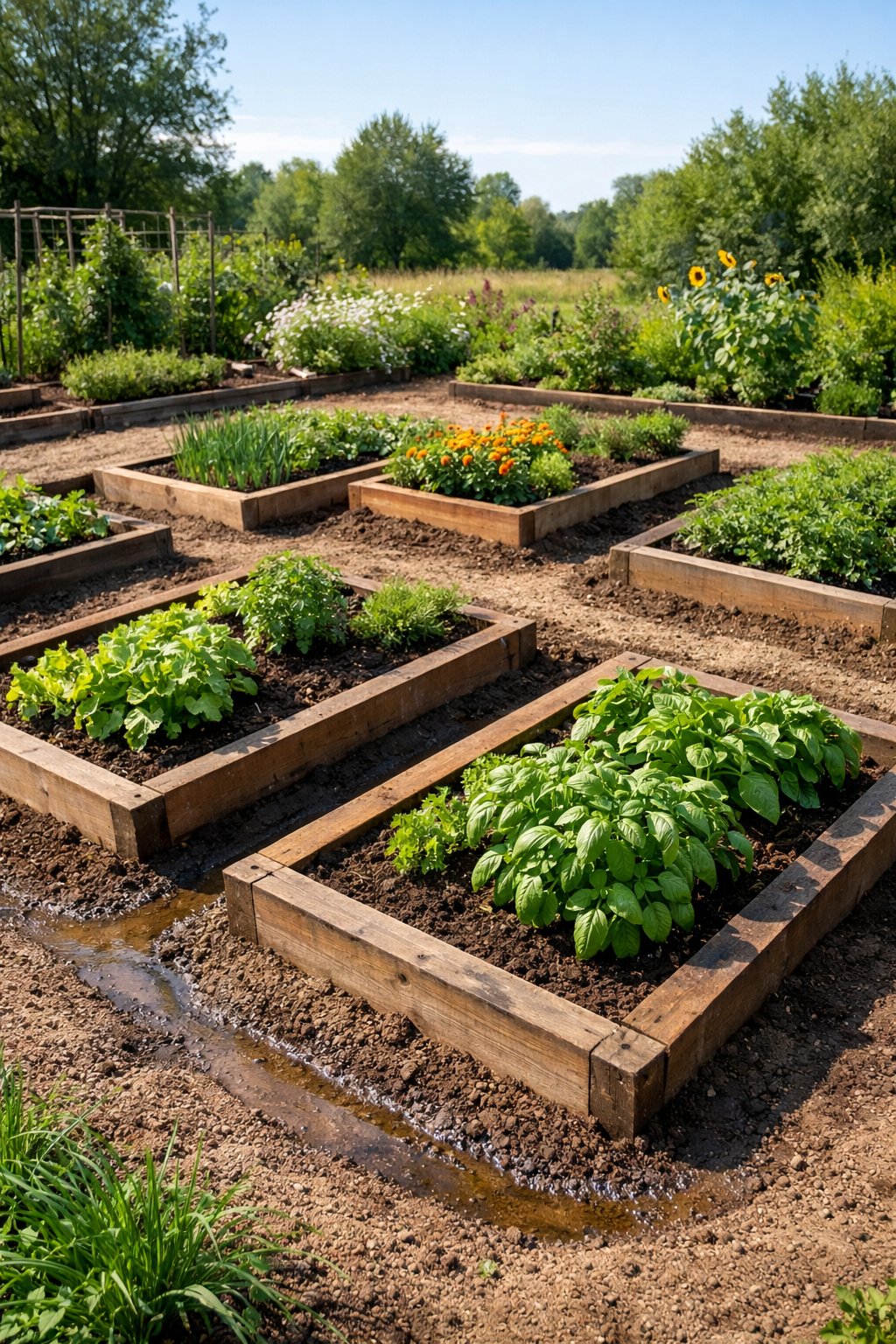
11. Sunken Raised Beds for Better Water Management
With a sunken raised bed, you get easy-care edges and a center that sits just a bit lower to trap water.
Roots stay moist longer, so you’re not running outside every dry weekend.
These beds shine in hot, dry spots because the sunken center keeps evaporation down.
Add mulch and drip lines to lock in water right where plants need it.
Dig a shallow pit, frame it with wood, stone, or whatever you’ve got. Plant deep-rooted veggies in the middle, shallow ones around the edges.
Expert Tip From MrPlanter: Only dig the pit a few inches deeper than your yard to avoid drainage headaches. Pile on compost and mulch for steady moisture and happy plants.
Surprising Fact: You can build a cute, rustic raised bed with just twigs and a bit of patience.
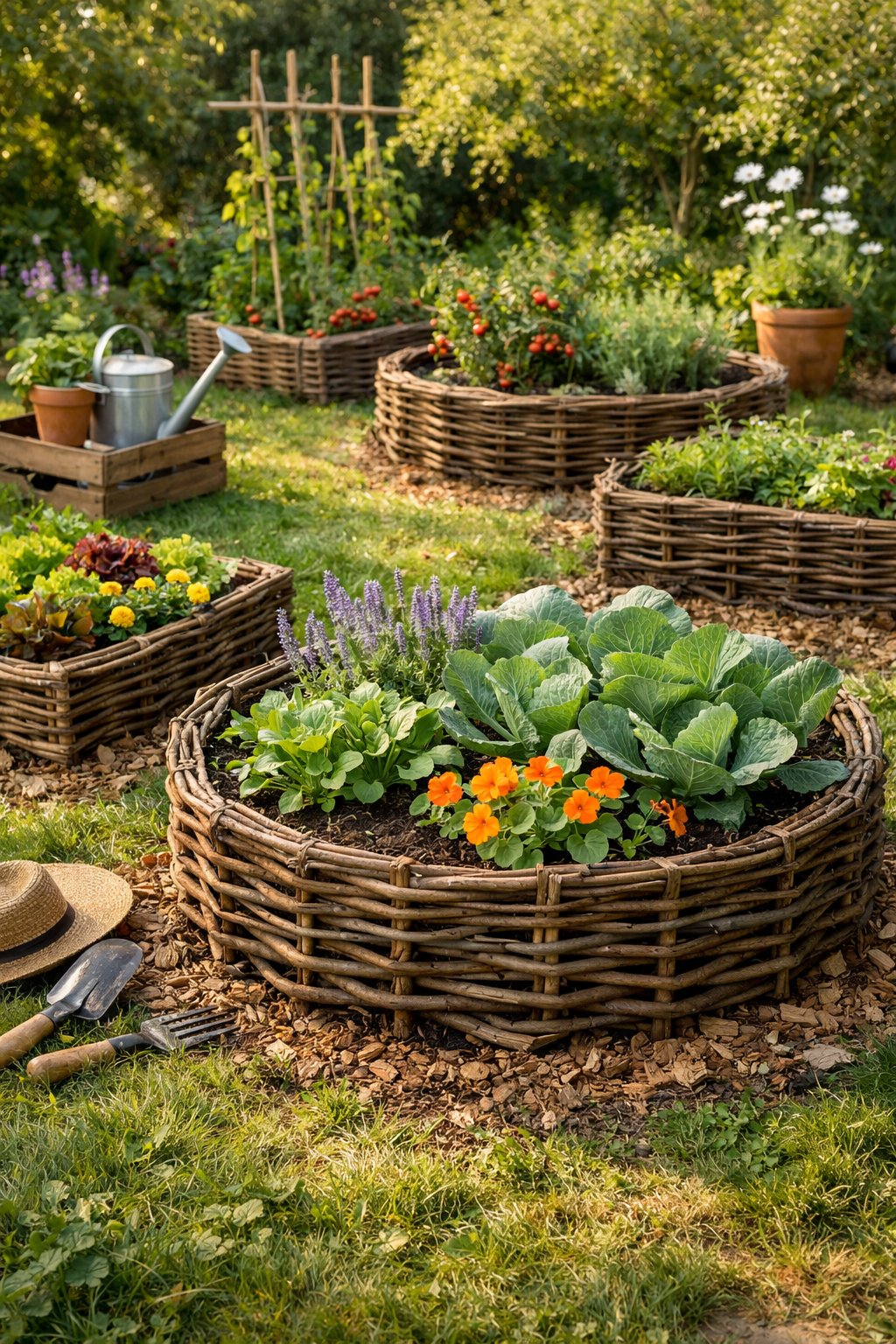
Wattle or twig beds bring a fairy-tale vibe without emptying your wallet.
Weave flexible branches into a low fence, fill with soil, and you’re good to go.
Willow, hazel, or whatever bendy twigs you’ve got from pruning work great.
They fit herbs, lettuce, and small flowers. They drain well and warm up quickly in spring.
Eco-friendly and a fun way to reuse yard scraps, but yeah, weaving takes some time.
The finished bed fits snug spots and natural gardens.
Expert Tip From MrPlanter: Start with stakes close together and weave damp twigs tight for strength. Swap out any rotten bits each year to keep things sturdy and looking fresh.
13. PVC Pipe Frame Raised Beds for Easy Assembly
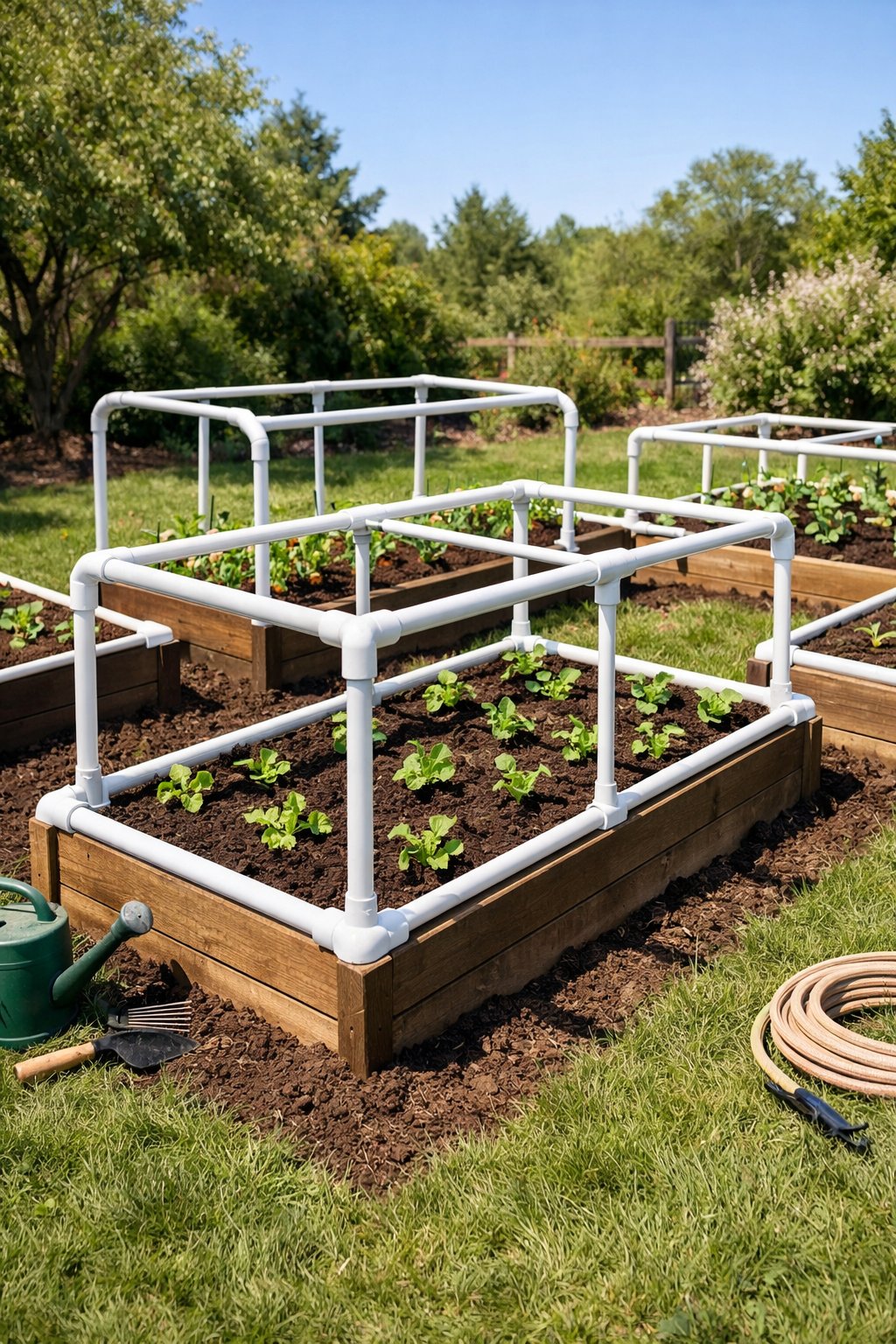
Ever wish you could snap together a raised bed in an afternoon and not worry about it falling apart next spring? PVC frames make that possible.
You just click the pipes together and—bam—you’ve got a sturdy rectangle or box. They’re super light, so if you want to chase the sun or just change things up, you can pick up the whole frame and scoot it somewhere else.
Line the inside with landscape fabric to keep your soil inside the bed. If you want a tougher edge, slap on a wood or composite top rail.
PVC doesn’t rust or rot, but if you’re building a big bed, grab thicker pipe and solid fittings. Trust me, skinny pipes sag and nobody wants a droopy garden.
You can toss a hoop cover or netting over the same frame. That’ll keep frost and hungry squirrels away.
If you like to mix up your garden or try weird shapes, this setup is a total win.
Expert Tip From MrPlanter: Go for 1.5–2 inch schedule 40 PVC. It’s strong but won’t break the bank. Cut your angles and dry-fit before gluing, or you’ll end up with a wobbly mess.
14. Mobile Raised Beds on Wheels—Garden on the Move
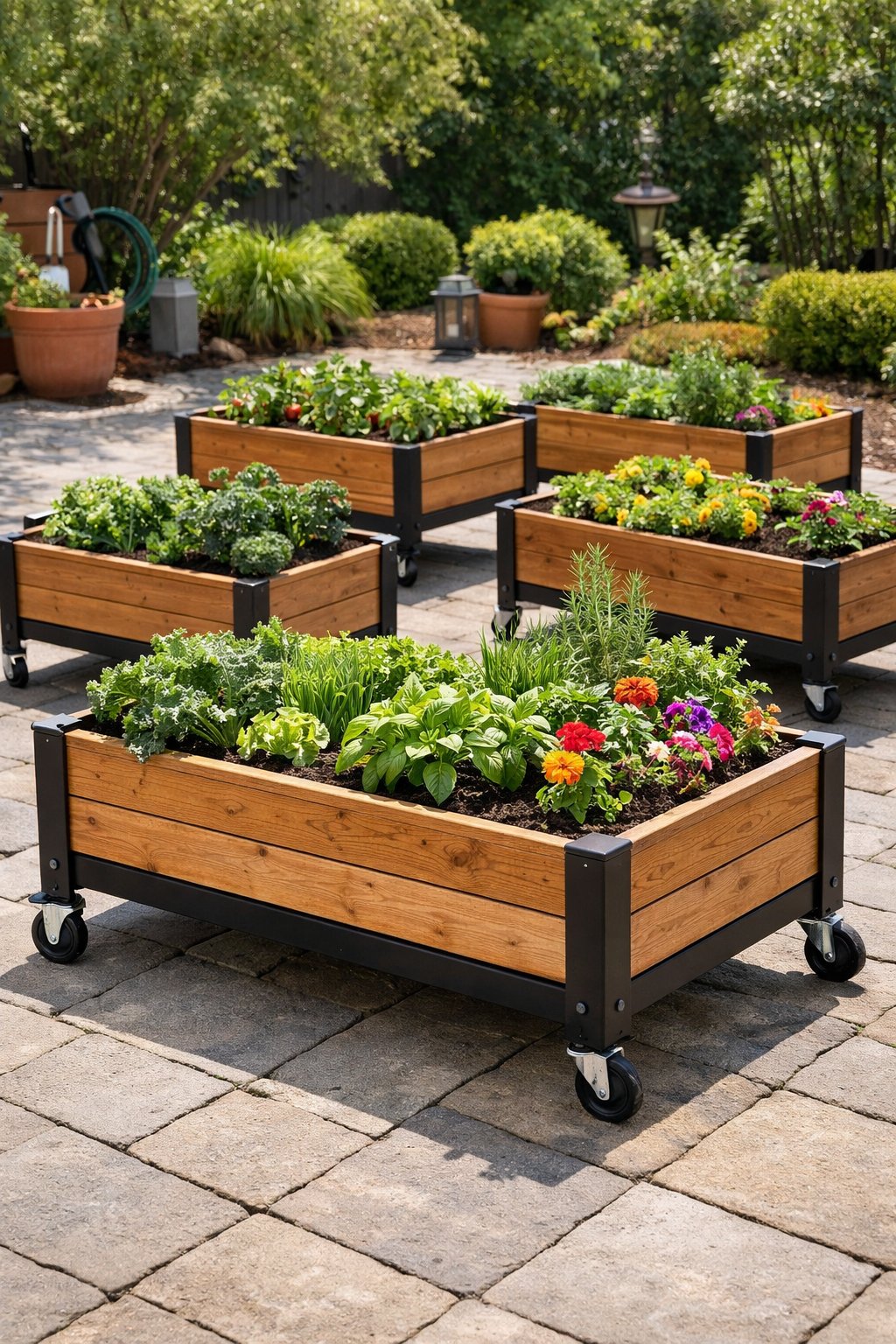
Who says raised beds have to stay put? With wheels, you can roll your garden wherever the sun goes, dodge that one weird shady patch, or even wheel plants indoors if a cold snap sneaks up.
Wheeled beds come in all sizes, from tiny herb carts to big planters you can barely budge. Your back will thank you, and you can change your whole layout without breaking a sweat.
Make sure you pick sturdy wheels and a solid frame, or you’ll tip the whole thing the first time you add soil. Add a liner and poke a few drainage holes to keep your wood safe and roots happy.
Tomatoes, herbs, lettuce—these beds handle them all. They fit on patios, balconies, or even that weird spot by the garage.
Expert Tip From MrPlanter: Locking casters are your best friend. You don’t want your bed rolling away in a breeze. Wheel it into the morning sun, then chase the afternoon shade—your plants will love you for it.
15. Self-Watering Raised Beds with Built-in Reservoir
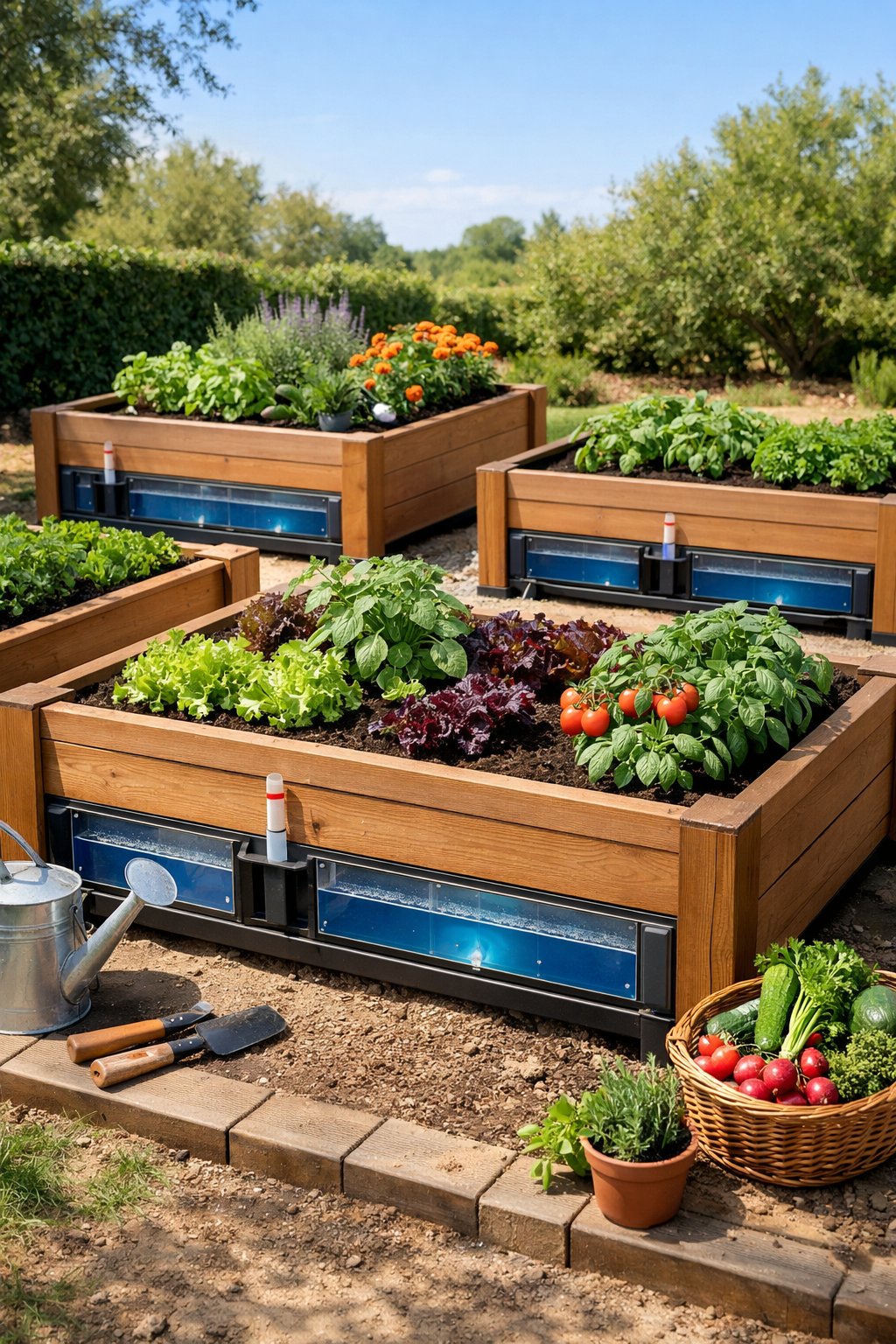
Did you know a self-watering bed can save your plants even when you forget to water for a day or two? It’s like magic for busy folks (or, let’s be honest, the forgetful ones).
A water reservoir sits under the soil and feeds the roots from below with a wick or a porous layer. That steady moisture helps seedlings stay strong and keeps leaves from getting splashy diseases.
These beds don’t waste water—roots get what they need, right where they need it. They work for veggies, herbs, and just about any plant you’d put in a container.
You can buy a kit or build your own—just add a liner, reservoir, and a fill tube so you don’t have to dig around to water. Match the reservoir depth to your soil and plant picks for best results.
Expert Tip From MrPlanter: “Check the reservoir once a week and top it up if it’s low. Your roots will thank you, and your plants will look way happier.”
16. Half-Barrel Raised Beds for Petite Planting
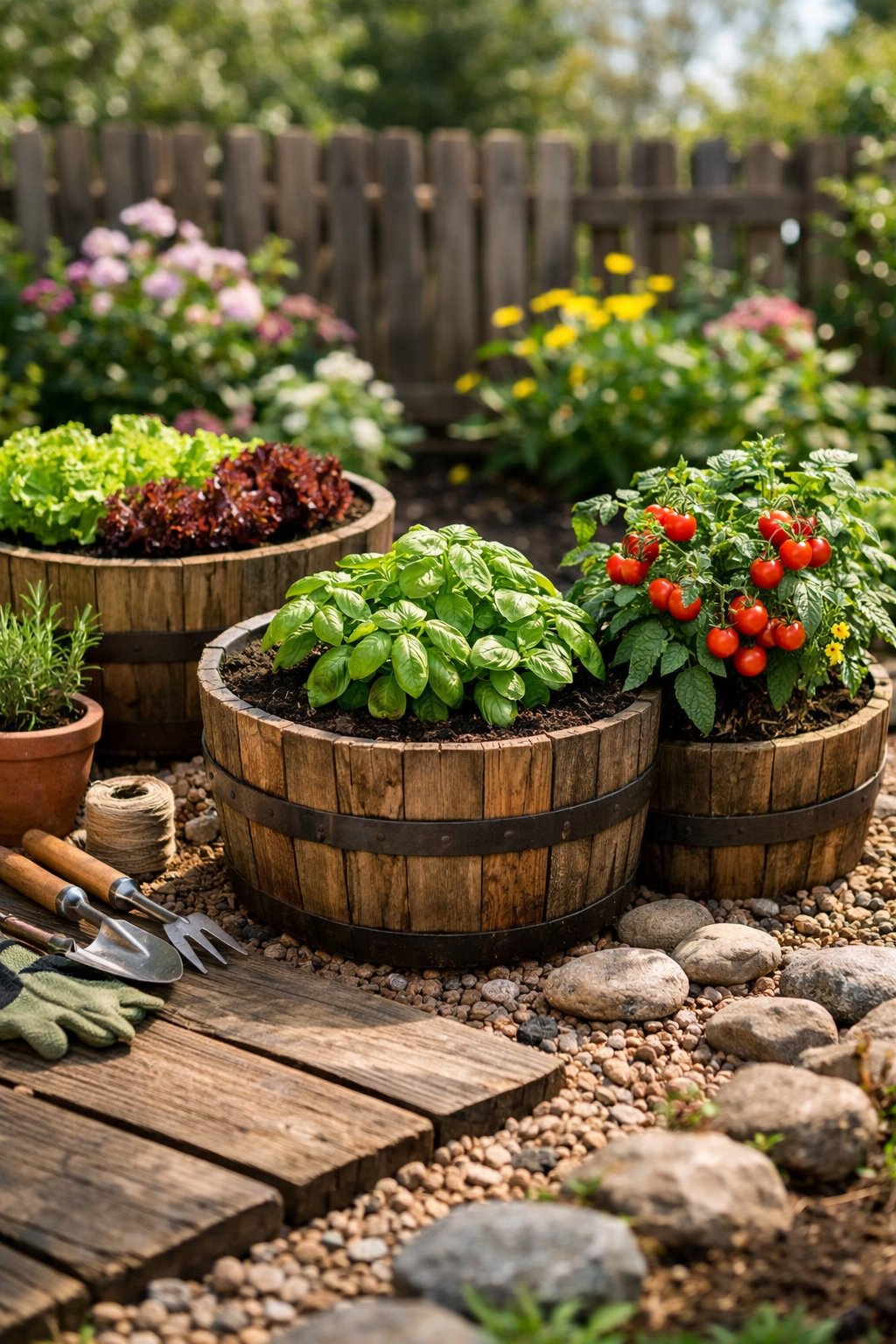
Let’s bust a myth: Half-barrel planters aren’t just cute—they save space and pack in the plants. You can squeeze one onto a balcony, porch, or that sunny corner you never use.
They’re deep enough for tomatoes, peppers, herbs, and even some root crops. The round sides help with drainage, and the wood or metal holds in warmth, which your plants love.
You can move them if the sun shifts, so you don’t have to worry when the seasons change. Plus, they add a little rustic charm with almost zero effort.
Grab a barrel with a liner or drill a few holes for drainage. Fill it with good potting mix, and don’t forget to mix up what you plant each season so the soil stays happy.
Expert Tip From MrPlanter: Pick a half-barrel with at least 12–18 inches of depth. Add gravel at the bottom and compost-rich soil on top—your roots will be living the good life.
17. Raised Beds with Trellises for Climbing Veggies
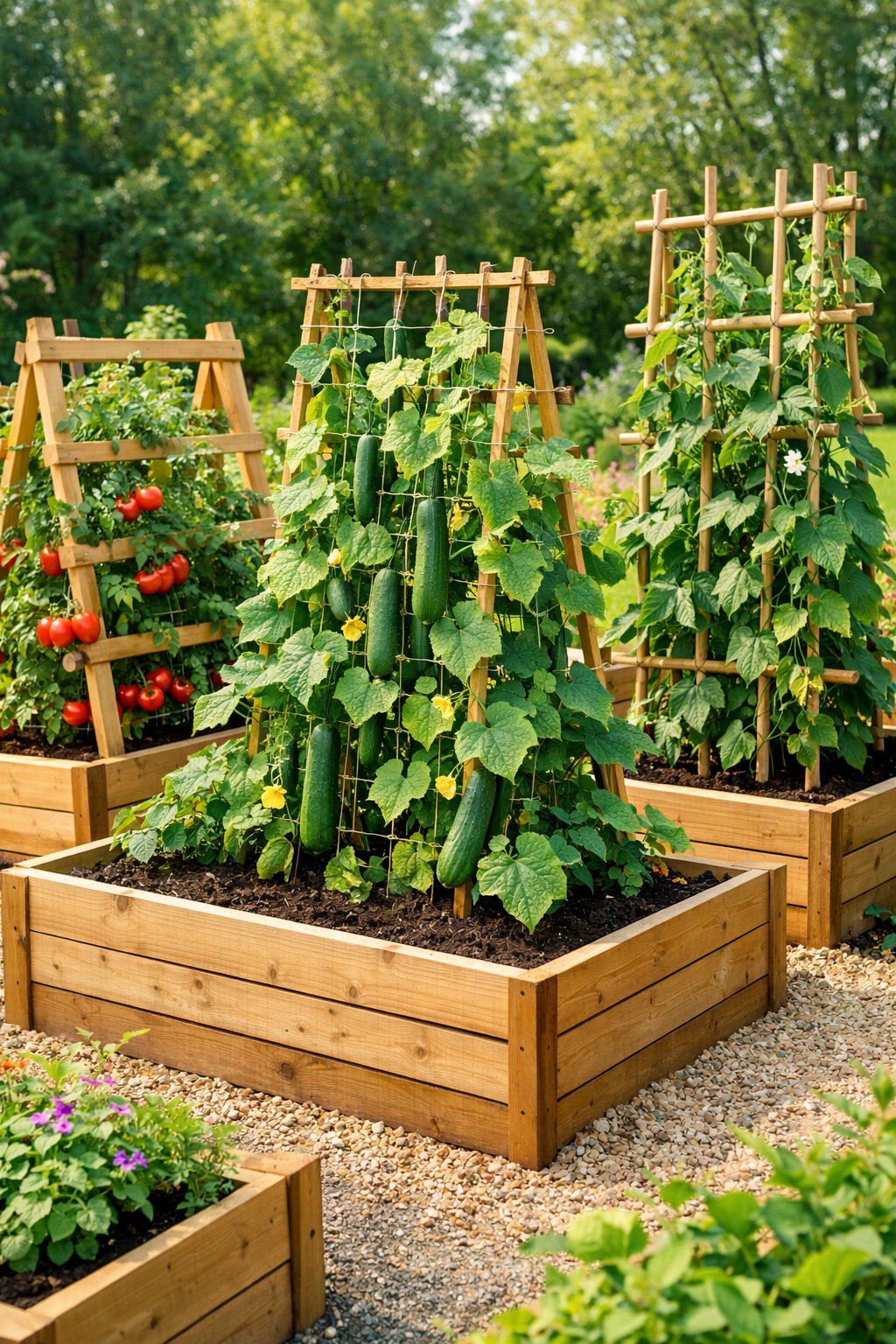
Here’s the deal: climbing plants don’t need a ton of ground space. You can grow peas, pole beans, cucumbers, and even vining tomatoes up a trellis, then plant something else right next to them.
Trellises pull plants off the dirt, so fruit stays cleaner and doesn’t rot as easily. Harvesting gets way easier, too—you just reach out and pick, no bending or digging around.
Pick strong, weather-resistant supports and attach them to your bed or right behind it. Start training vines early and tie them gently so they grow up, not sideways.
Expert Tip From MrPlanter: “Put your trellis on the south or west side of the bed so shorter plants still get sun. Use soft ties and check the vines every week—they’ll wander if you let them!”
And here’s a fun surprise: you can actually tweak the sun angle for each season—no screwdriver needed.
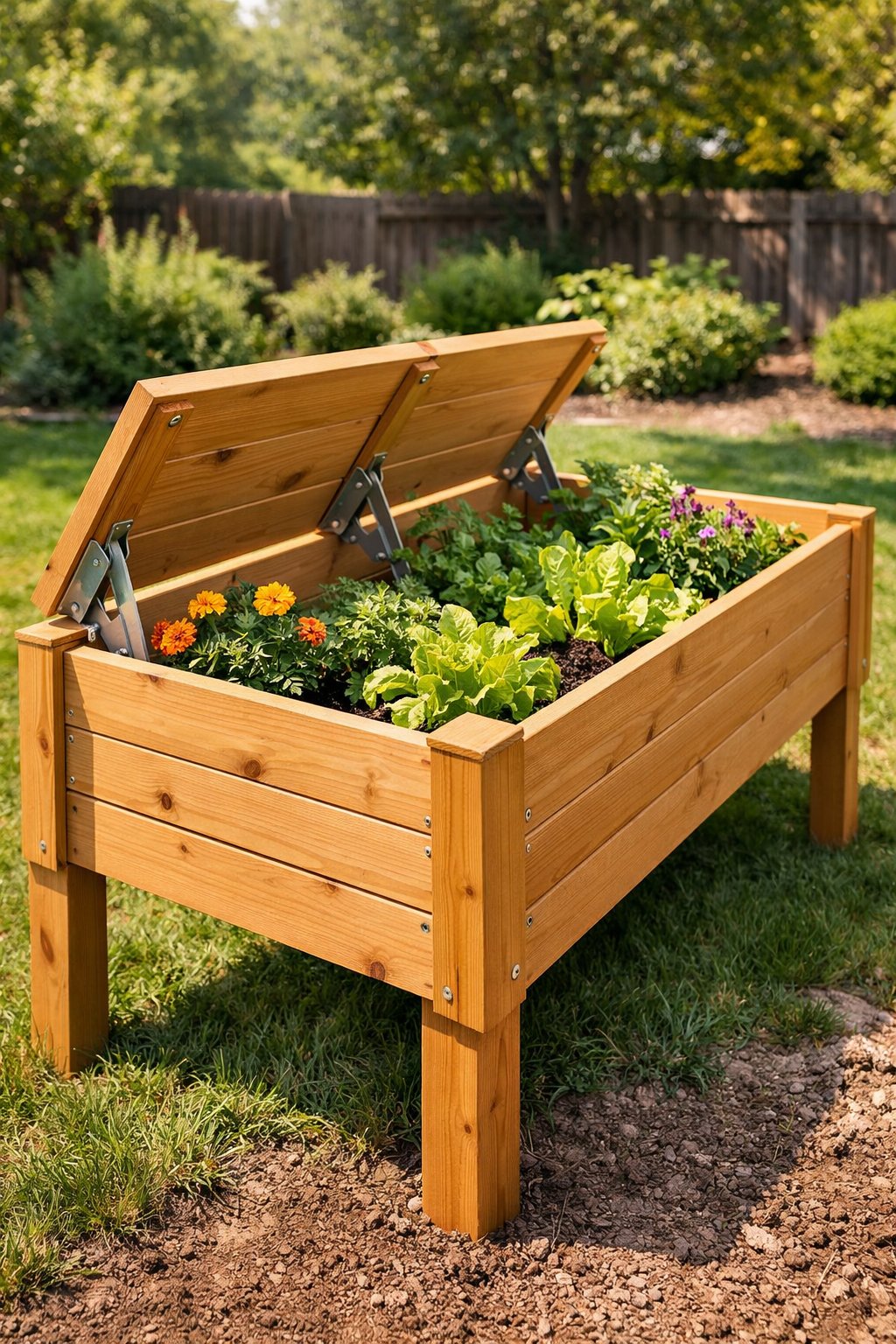
18. Hip Hinge Raised Bed with Adjustable Angles
Imagine a raised bed that you can tilt toward the sun when your plants beg for more light. When you want a bit of shade, just lay it flatter.
I love this for sloped yards, patios, or honestly, whenever I feel like switching up what I’m growing. One side has a hinge, so the whole box rocks back and forth. You just pop in a pin or latch to hold it at whatever angle you want.
You can build the frame with wood or metal—whatever you’ve got handy. I’ve even seen folks use legs of different lengths to get the tilt just right.
Watering and harvesting get way easier because you can angle the bed toward yourself. It’s one of those “why didn’t I think of that?” ideas. Plus, you get to mess around with different microclimates right in your own yard.
Expert Tip From MrPlanter: Start with a small prototype first. It helps you figure out the angles and make sure it’s stable. After your first season, tweak the hinge position to chase that perfect sun.