You can turn any little patch of yard into a wildflower wonderland that buzzes with pollinators and honestly makes you smile every time you look outside.
Here are 13 easy, fun ideas to help you pick plants, plan your layout, and choose flower mixes that fit your sun, soil, and, well, your personal style.
Maybe you want a meadow look, a neat cottage border, or a tough little rock garden that doesn’t mind a drought.
You’ll find something here that matches your vibe and your schedule.
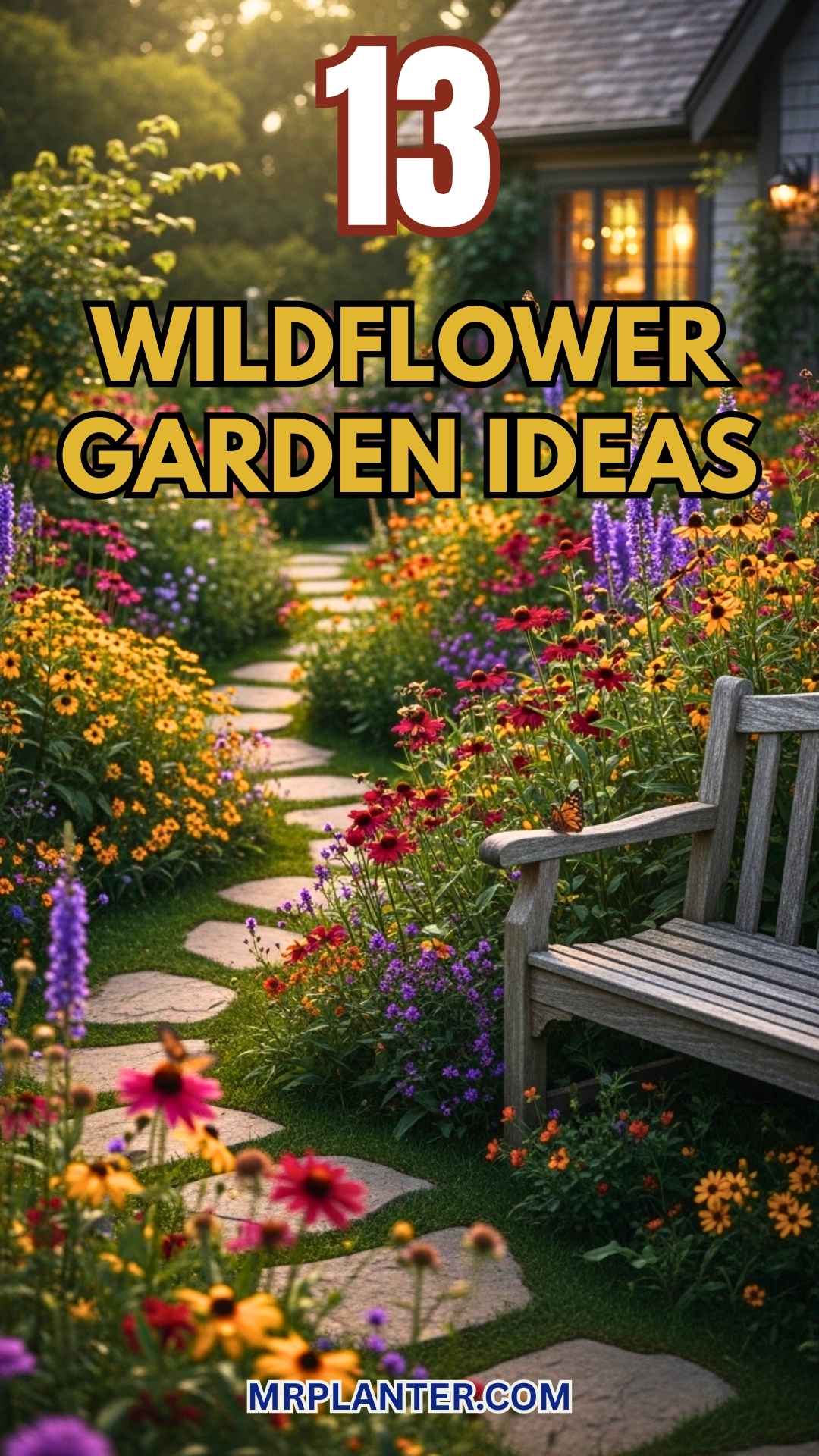
I packed in tips that make starting or updating a wildflower garden feel simple, not stressful.
1. Plant native wildflowers like black-eyed Susan and coneflowers to support local pollinators
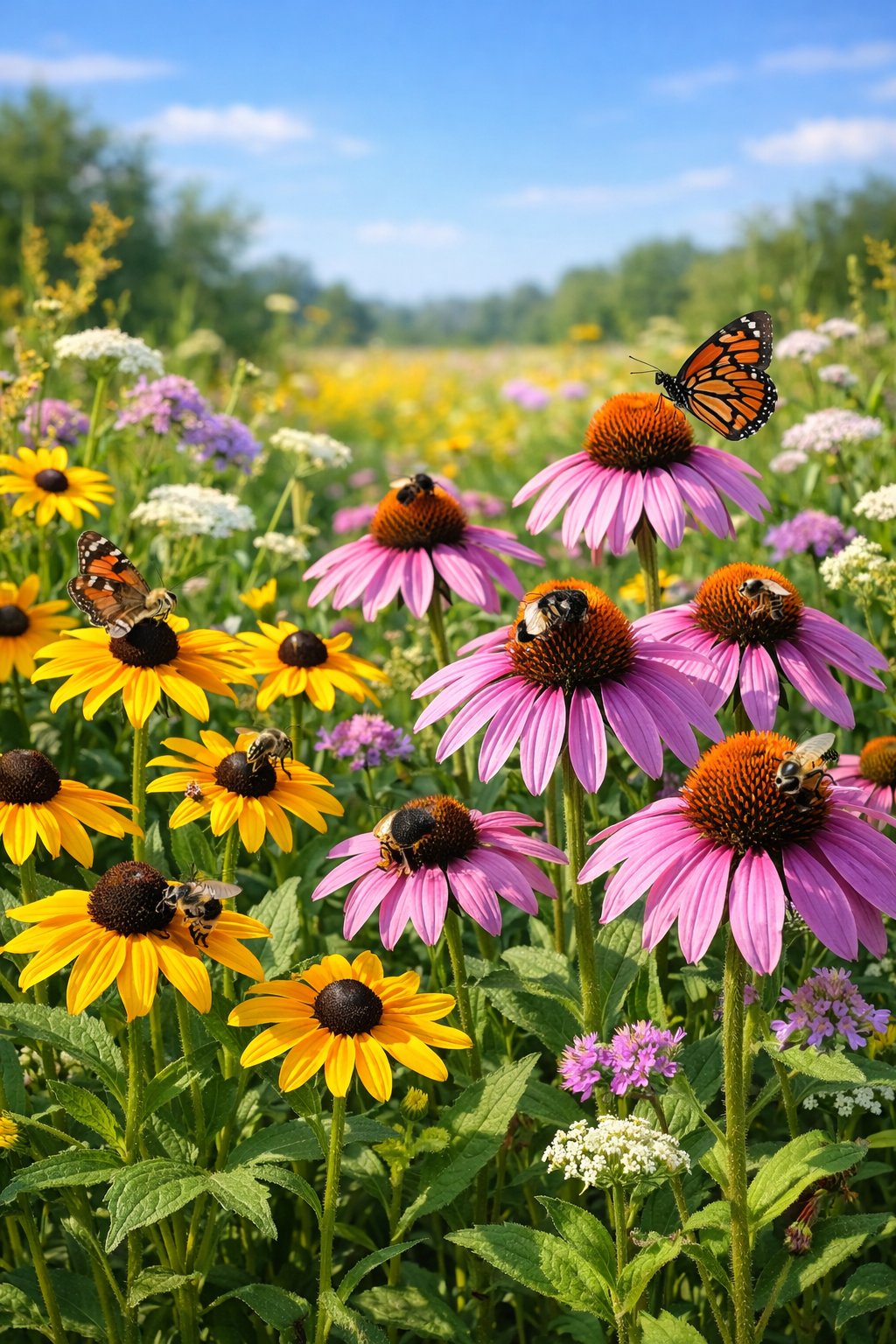
You don’t need a perfect yard to be a hero to bees and butterflies.
When you plant natives like black-eyed Susans and purple coneflowers, you’re giving pollinators the good stuff—nectar and pollen they actually want.
These flowers are tough cookies.
They come back every year and make your garden feel alive.
I like to plant them in patches so pollinators can find a snack without getting lost.
If you mix up the heights and bloom times, you’ll have flowers from spring all the way to fall.
Once they settle in, they barely need water or fussing.
So you get a cheerful, low-maintenance garden that helps wildlife.
Expert Tip From MrPlanter: Start with a little patch and see who visits. Add more natives that bloom at different times to keep the party going.
2. Create a wildflower rock garden with drought-tolerant yarrow and blanket flowers
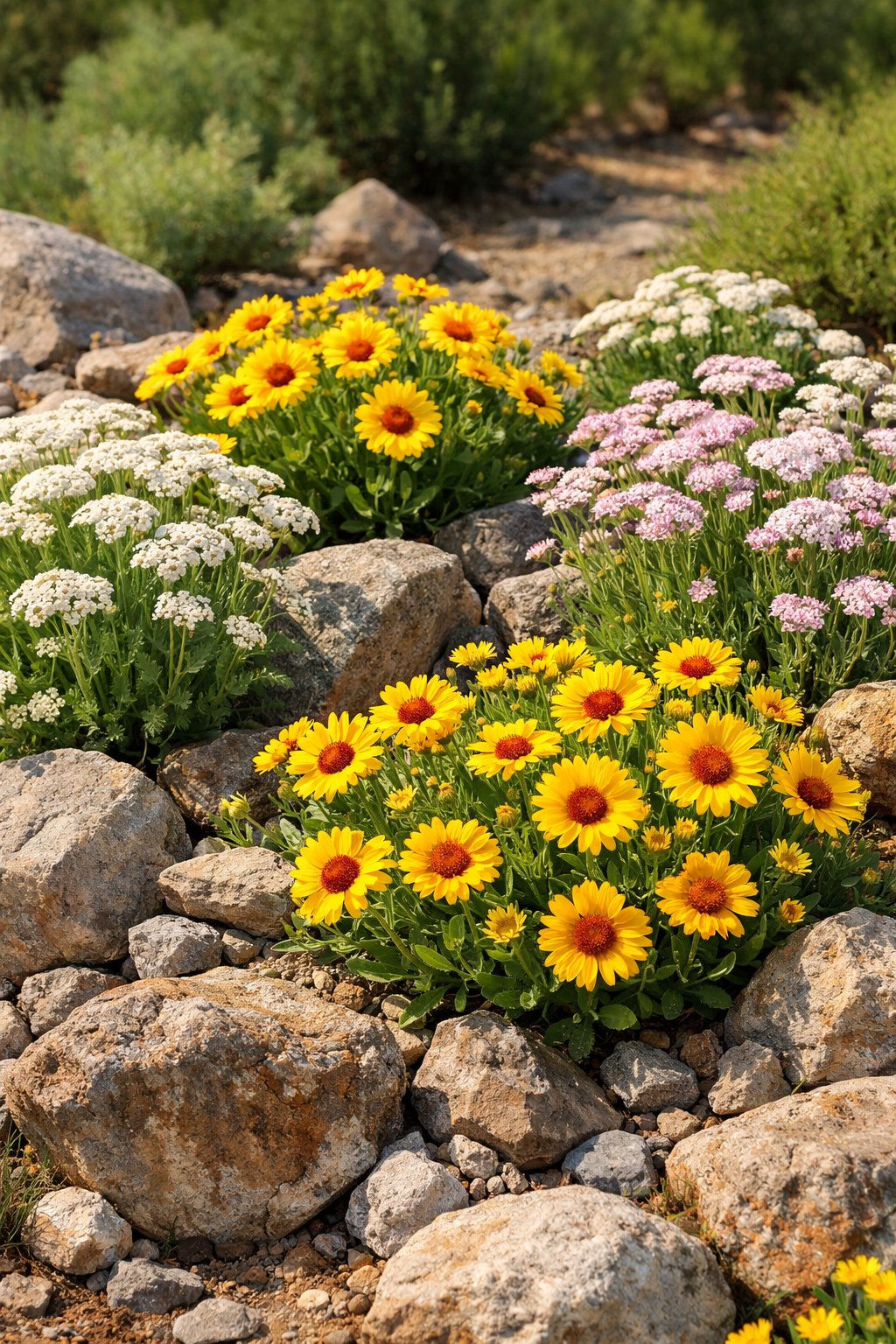
Rock gardens aren’t just for mountain plants.
You can make them bright, easy, and super low-water by tucking yarrow and blanket flowers between the stones.
Yarrow and blanket flowers handle poor soil and heat like champs.
They thrive where water is scarce, so you don’t have to stress about sprinklers.
I like to place rocks to make little pockets of shallow soil.
Plant in groups for more color punch.
Mix up the heights and colors—it keeps things lively.
A light layer of mulch helps keep weeds out, and you only need to water until the plants settle in.
Expert Tip From MrPlanter: Put yarrow on slopes to help keep soil in place and add color. Blanket flowers look awesome with some gravel for that cottage-meets-desert vibe.
3. Scatter wildflower seeds along garden paths for a vibrant, natural border
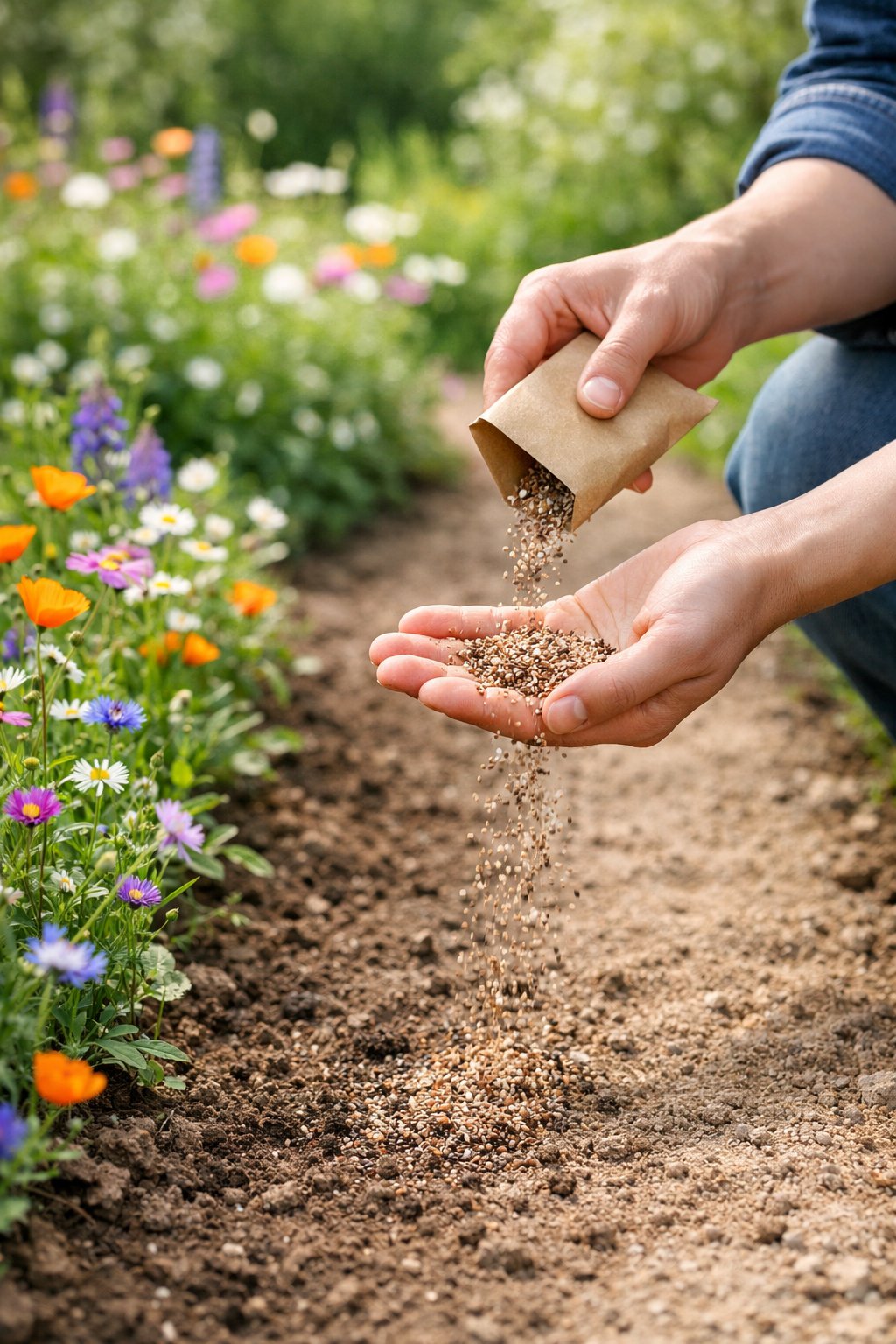
Wildflower borders don’t have to be wild and crazy to look good.
Just toss some seed mixes along your paths for a neat, cheerful edge that still feels natural.
I like to pick low growers for the very edge, with taller blooms behind.
That way, you don’t block your view but still get pops of color.
Mix in some self-seeding annuals and tough perennials.
That way, color comes back year after year with barely any work.
Coreopsis and black-eyed Susans stay compact and keep paths clear.
Water gently after sowing and press seeds into the soil for better luck.
Expert Tip From MrPlanter: Try a narrow strip first to see how it goes. Check seed labels for the right planting depth and timing.
4. Mix bee orchids and ragged robin for a magical meadow vibe
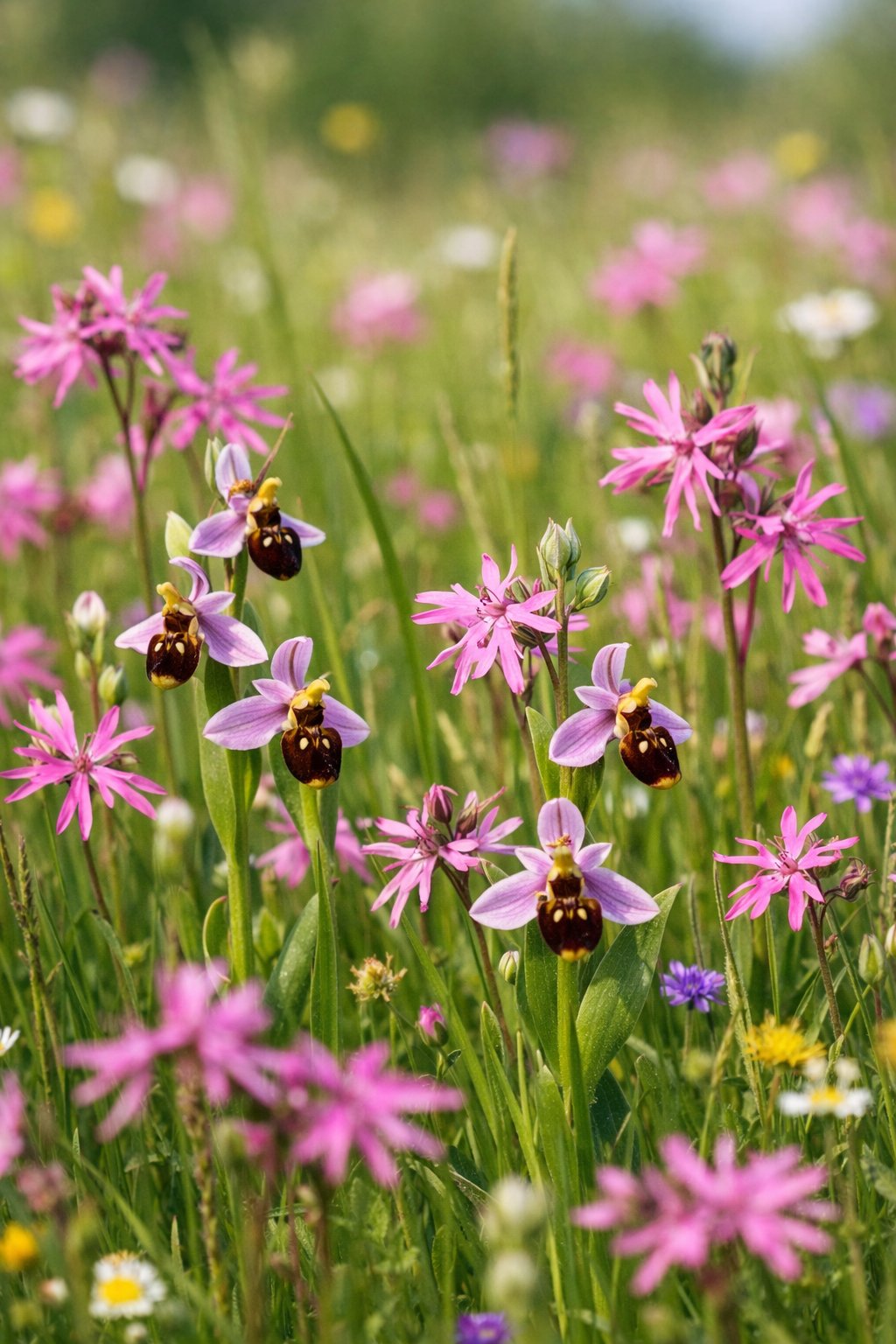
Bee orchids are sneaky—they look like bees to attract pollinators, and that makes them a real show-off in any meadow.
Plant them near ragged robin, which has those loose, pink flowers that add soft movement and a wild look.
You want a dreamy, natural feel here.
Let bee orchids have well-drained soil and partial sun, and give ragged robin some moist spots.
Scatter seeds in loose drifts instead of rows.
It looks relaxed and bees seem to love the mix.
Expert Tip From MrPlanter: Plant bee orchids in little clusters and surround them with ragged robin. It hides bare stems and helps pollinators find the flowers.
5. Design a cottage-style border bursting with foxgloves and daisies
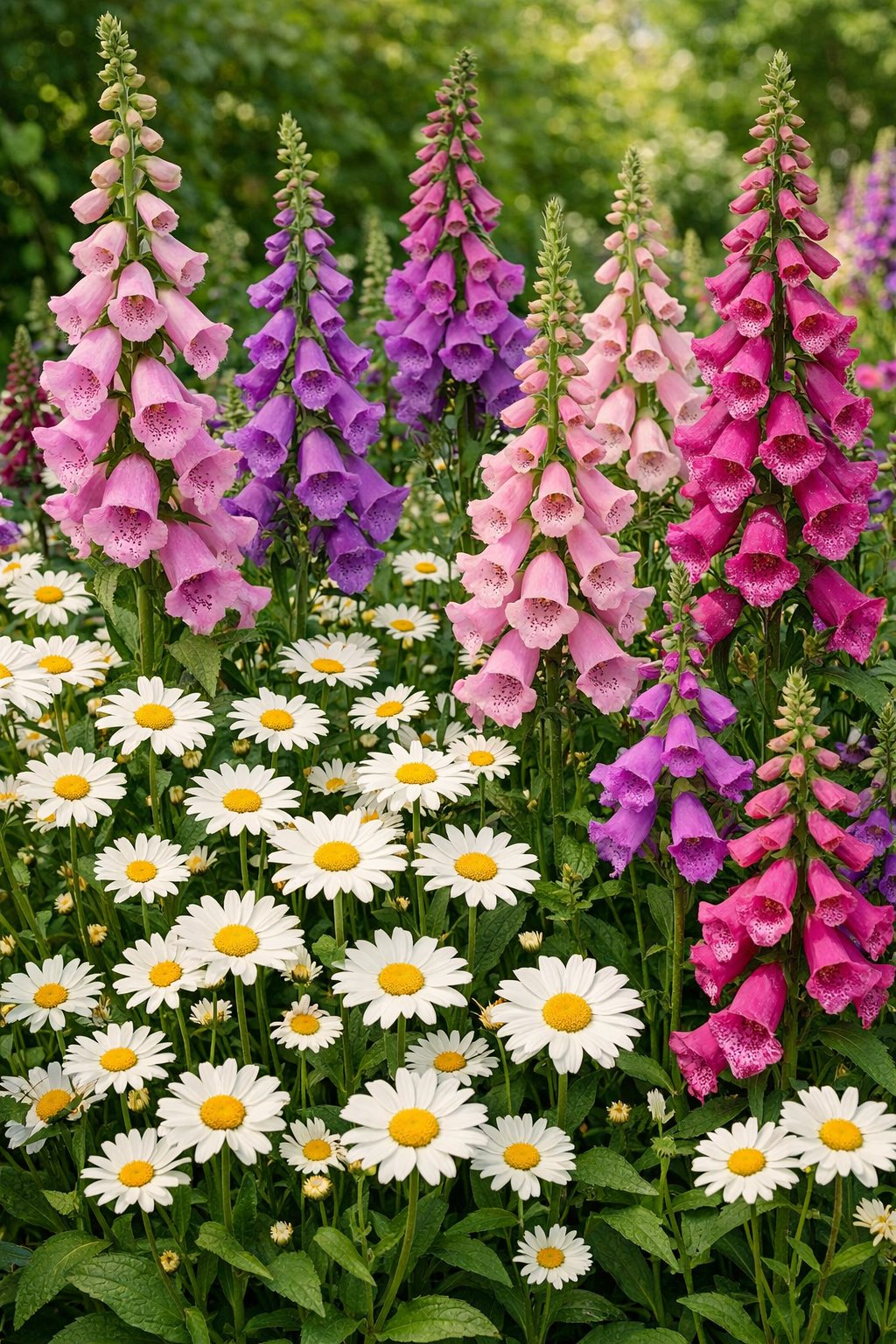
Cottage borders don’t have to be wild to feel charming.
I plant foxgloves for drama and daisies for that happy, classic look, then tuck in low herbs or geraniums to soften the edges.
Tall spires and round blooms together always look lively.
Put foxgloves in the back or middle so they stand tall without blocking the view.
Skip the straight rows—let the plants fill gaps naturally.
Leave space for pollinators to zip around.
Foxgloves like a bit of shade, daisies love sun, so pick your spots.
You’ll end up with a border that feels wild but cared for.
Expert Tip From MrPlanter: “Plant foxgloves in small groups for big impact. Deadhead daisies gently to keep the flowers coming.“
6. Use poppies and cornflowers for bursts of irresistible color
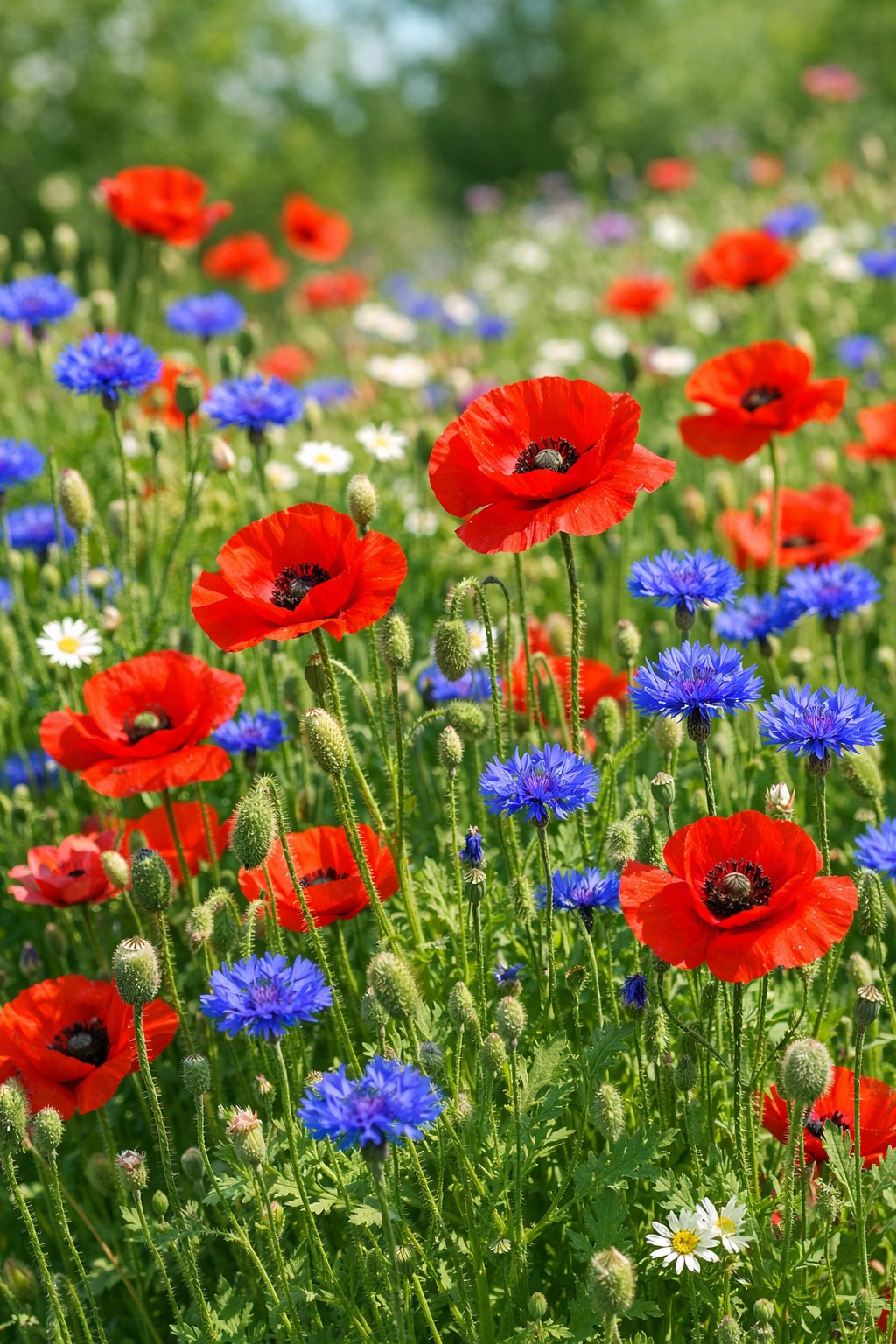
Wildflower beds can be neat and still knock your socks off.
Poppies and cornflowers bring that bright orange and blue without asking for much in return.
Poppies bloom fast in spring and early summer.
They’re easy and mix well with daisies or chamomile for a softer look.
Cornflowers add contrast and draw in pollinators.
Their tidy shape fills gaps and keeps things playful.
Stagger your seeds so you get blooms at different times.
That way, you don’t have to replant every season.
Expert Tip From MrPlanter: Sow poppy and cornflower seeds in well-drained soil and full sun. Deadhead spent flowers to get more blooms and keep things tidy.
7. Start a wildflower patch in a sunny, low-maintenance corner of your yard
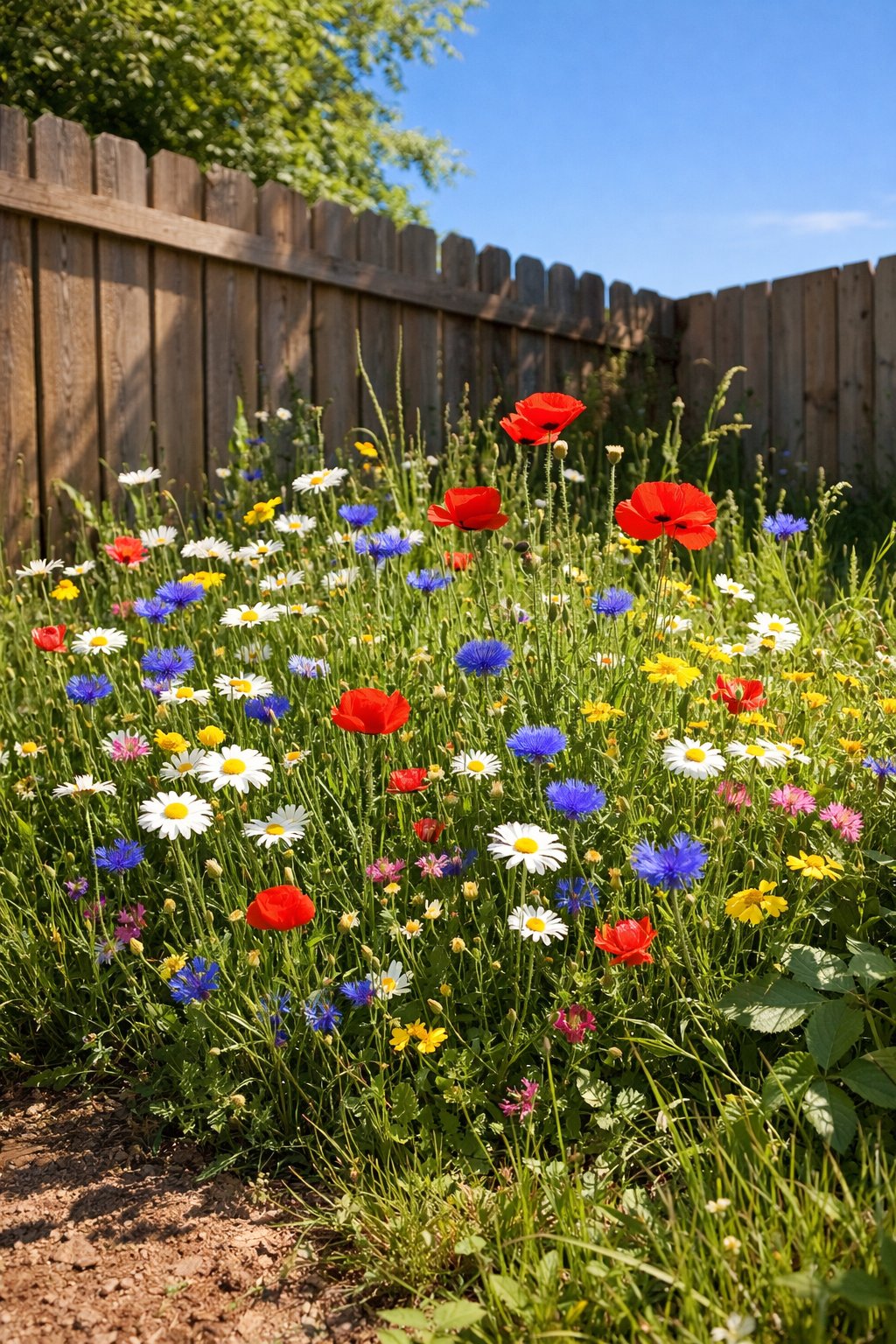
You want color but not a ton of work, right?
Find a sunny spot that gets at least six hours of sun and clear out the grass or weeds.
Loosen up the soil and grab a native seed mix for your area.
They need less water and care, and local bees and butterflies love them.
Scatter seeds in fall or early spring, press them in, and keep the soil just damp until they sprout.
After that, let them go wild—just pull the worst weeds the first year.
Pick a mix with different bloom times for color all season.
Let dead stems stand into winter for birds and seed drop.
Expert Tip From MrPlanter: “Start small so you don’t get overwhelmed. Watch and tweak each year—it’s a slow, fun project.”
8. Combine meadow cranesbill and wild mignonette for a fragrant floral mix
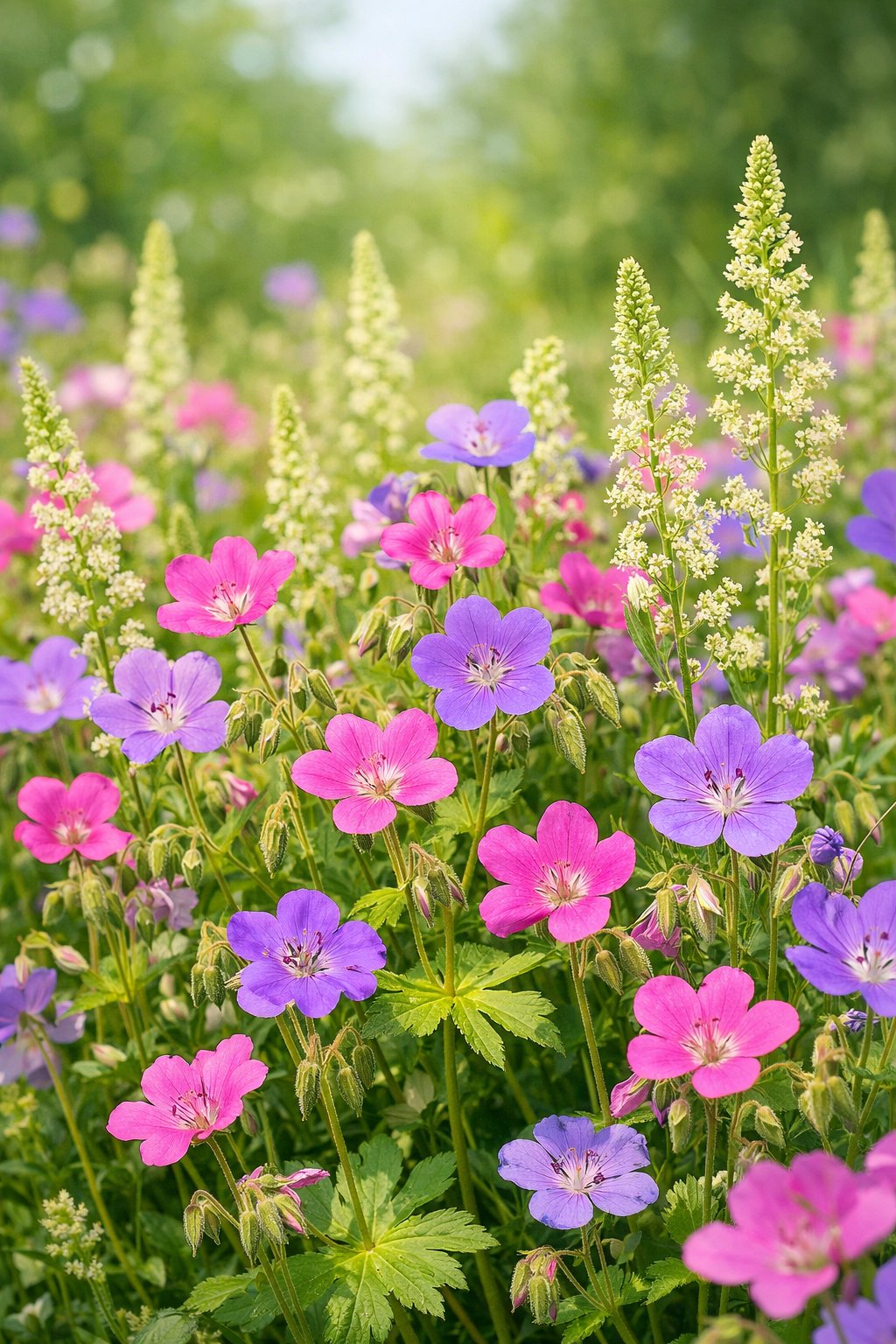
Some flowers smell so good you want to tell everyone.
Meadow cranesbill gives soft, long-lasting blooms, while wild mignonette brings a sweet, honey scent that drifts on warm afternoons.
Plant cranesbill where it gets sun and a little shade.
It spreads gently and makes a soft backdrop for other flowers.
Put mignonette in small drifts near paths or seats so you catch the scent.
It reseeds itself, so you’ll get new plants every year without much work.
Mix up colors and heights for a loose, meadow look.
Leave some space for bees and butterflies—they’ll pay you back with more flowers.
Expert Tip From MrPlanter: Plant mignonette near walkways so you catch the scent as you walk by. Divide cranesbill every few years to keep it looking its best.
9. Plant a pollinator-friendly oasis with milkweed and purple coneflowers
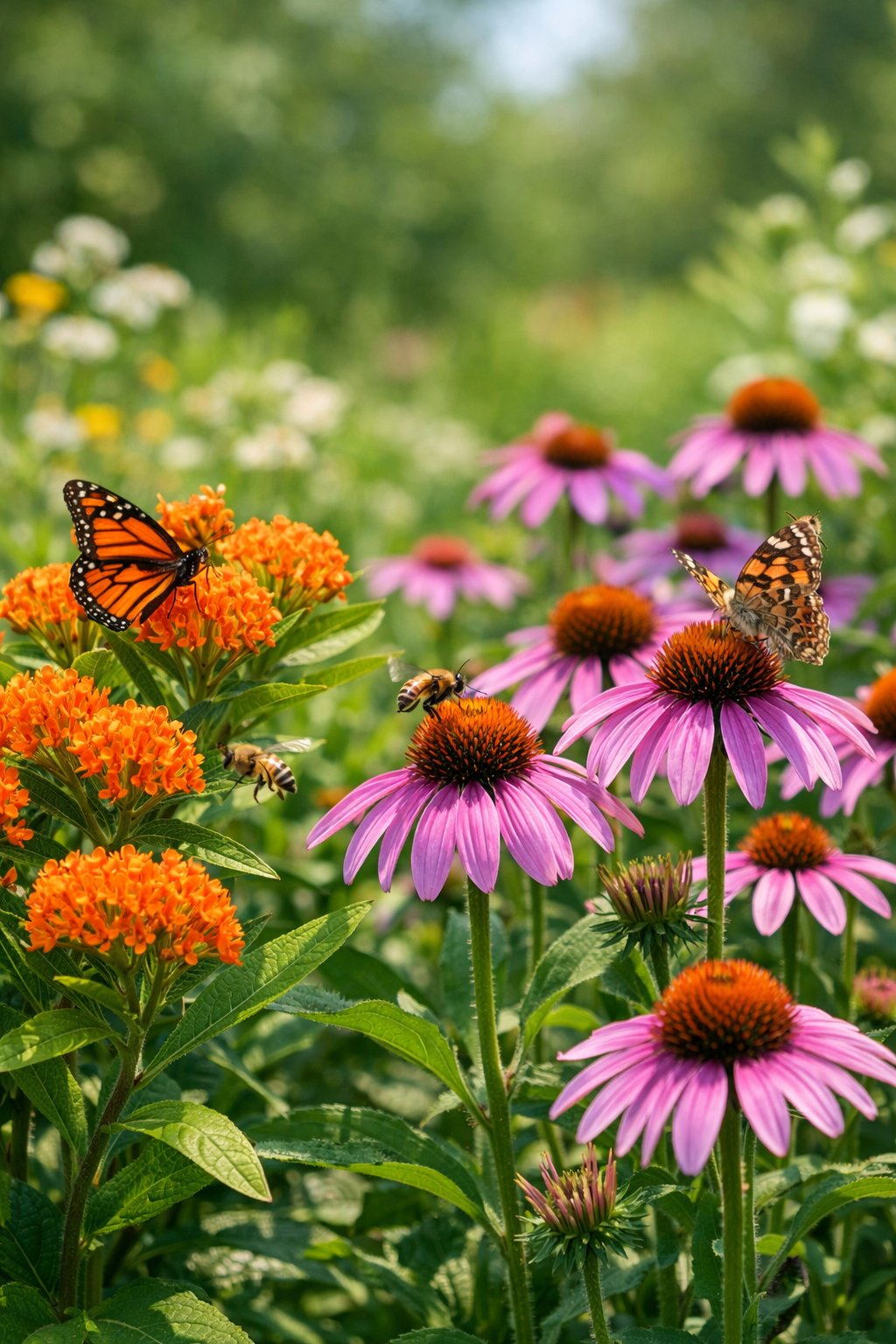
A single patch of milkweed can host a whole bunch of monarch caterpillars.
If you plant milkweed and purple coneflowers, you’ll spot butterflies, bees, and even hummingbirds.
Milkweed is for the monarchs, coneflowers for bees and butterflies.
Both are tough and need little water once they settle in.
Add goldenrod or asters to stretch your color into fall.
Put them in sunny spots and let some seed heads stand for winter birds.
Skip pesticides and set out shallow water dishes with stones for pollinators to land on.
You’ll have a real wildlife hangout.
Expert Tip From MrPlanter: Start small and add plants each year. Watch what shows up—pollinators will tell you what they like!
10. Incorporate tall, swaying foxgloves for added garden drama
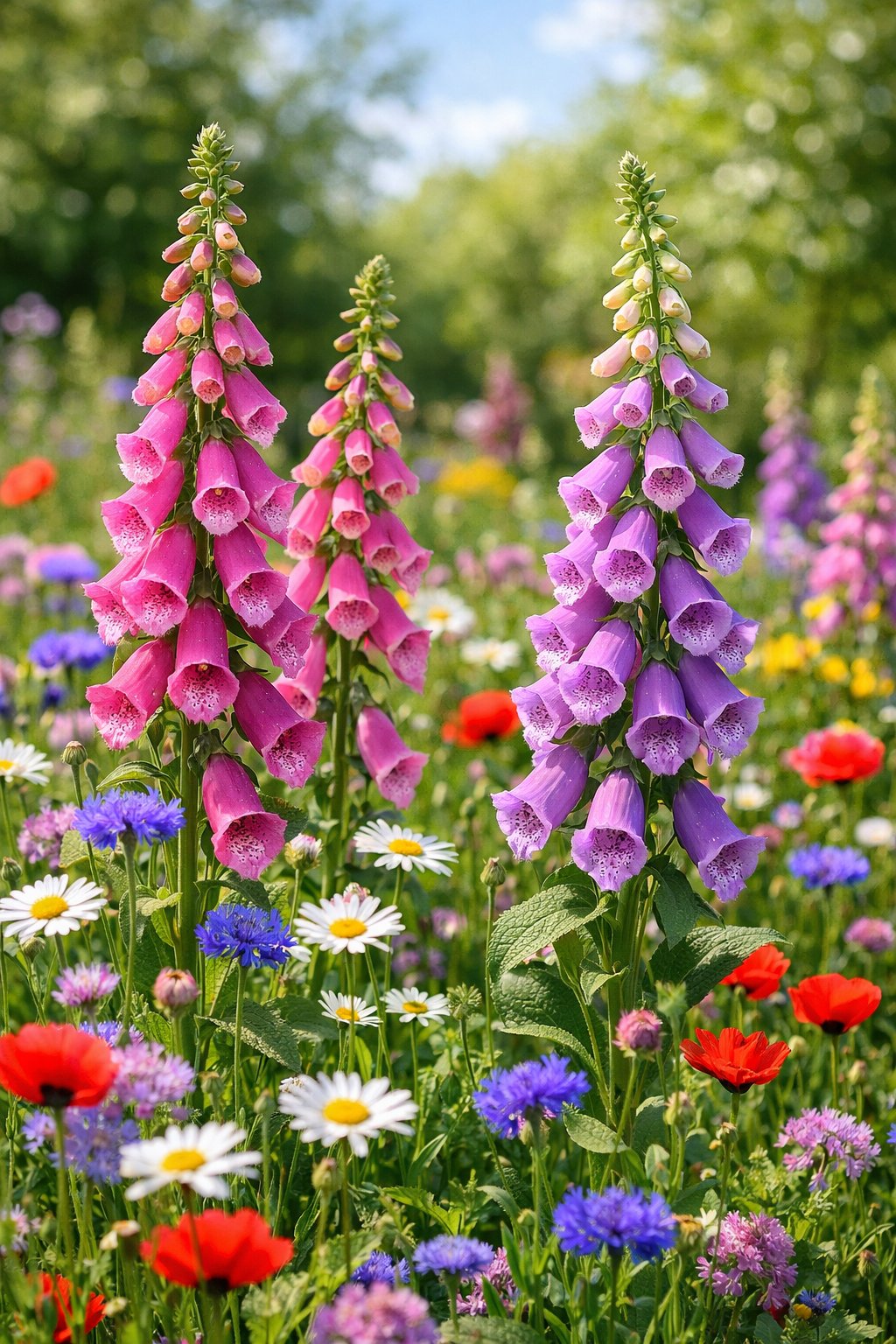
Foxgloves can steal the spotlight without hogging the whole show.
Plant them where they can rise above lower blooms and bring some vertical magic.
Their bell-shaped flowers sway in the breeze and give a dreamy, storybook feel.
Tuck foxgloves behind shorter perennials like lavender or daisies to make layers and keep the border interesting.
They’re bee magnets too, so you’ll get more pollinators.
Sow a mix of colors and add new seeds each year.
Foxgloves often self-seed, so you’ll get natural drifts over time.
Keep soil moist at planting and give them part shade in hot spots.
Expert Tip From MrPlanter: Start foxgloves from seed in late summer for blooms next year. Pinch the first flower spike to get more side shoots and a fuller look.
11. Build a layered wildflower garden by mixing perennials and annuals
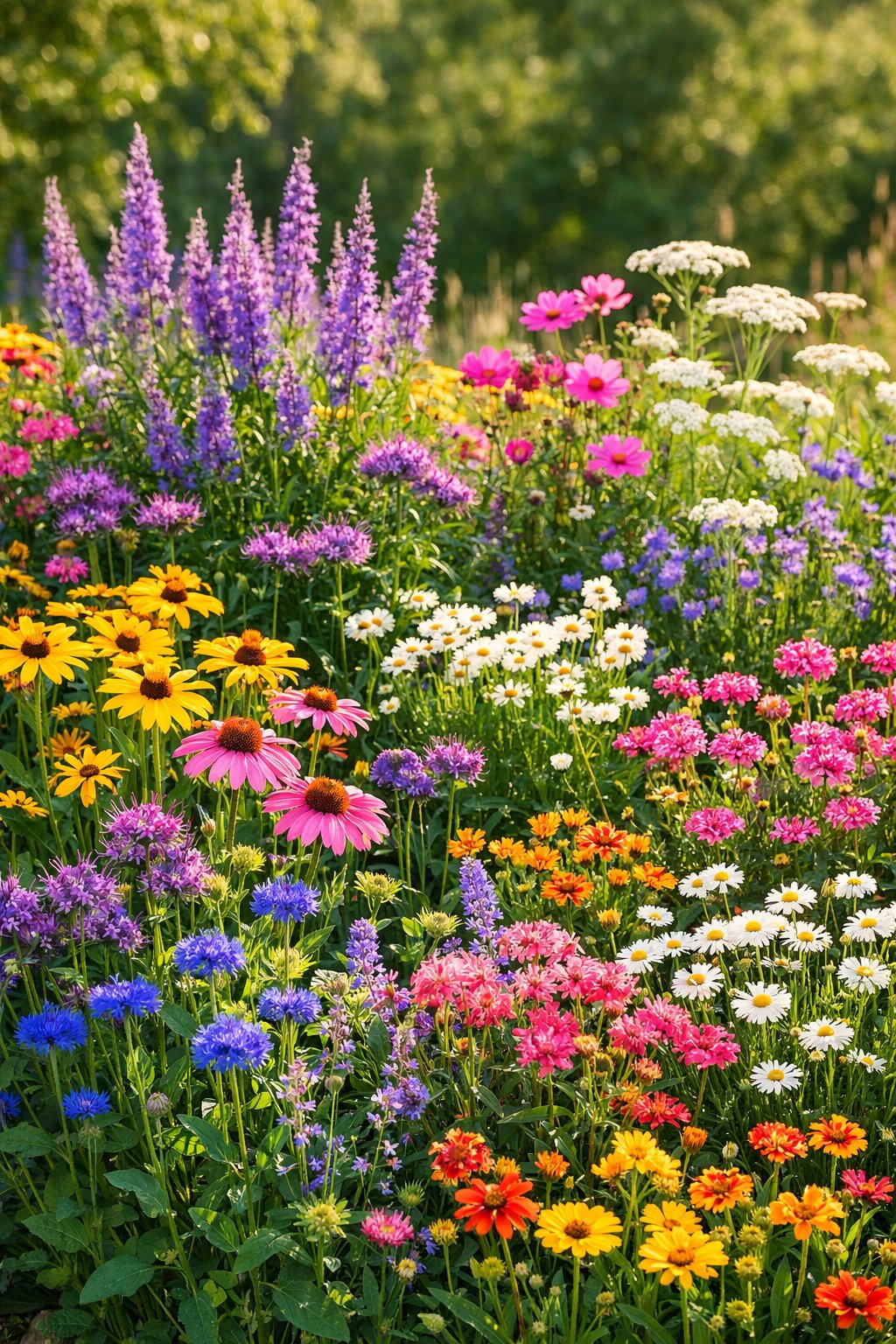
A wildflower garden doesn’t have to be a free-for-all.
You can plan layers that look natural and keep you in blooms from spring through fall.
Perennials make a steady backbone.
They come back every year and give you structure—think coneflowers and yarrow.
Annuals fill in the gaps and boost the color.
They bloom fast and keep things fresh, so you never have bare spots.
Mix up heights and bloom times for interest.
Put taller perennials in the back, mid-height in the middle, and lower annuals or self-seeders in front.
Expert Tip From MrPlanter: “Mix at least two fast-blooming annuals with three perennials for steady color. Snip off spent flowers to keep the show rolling.”
12. Transform bare patches with a splash of colorful, easy-care asters
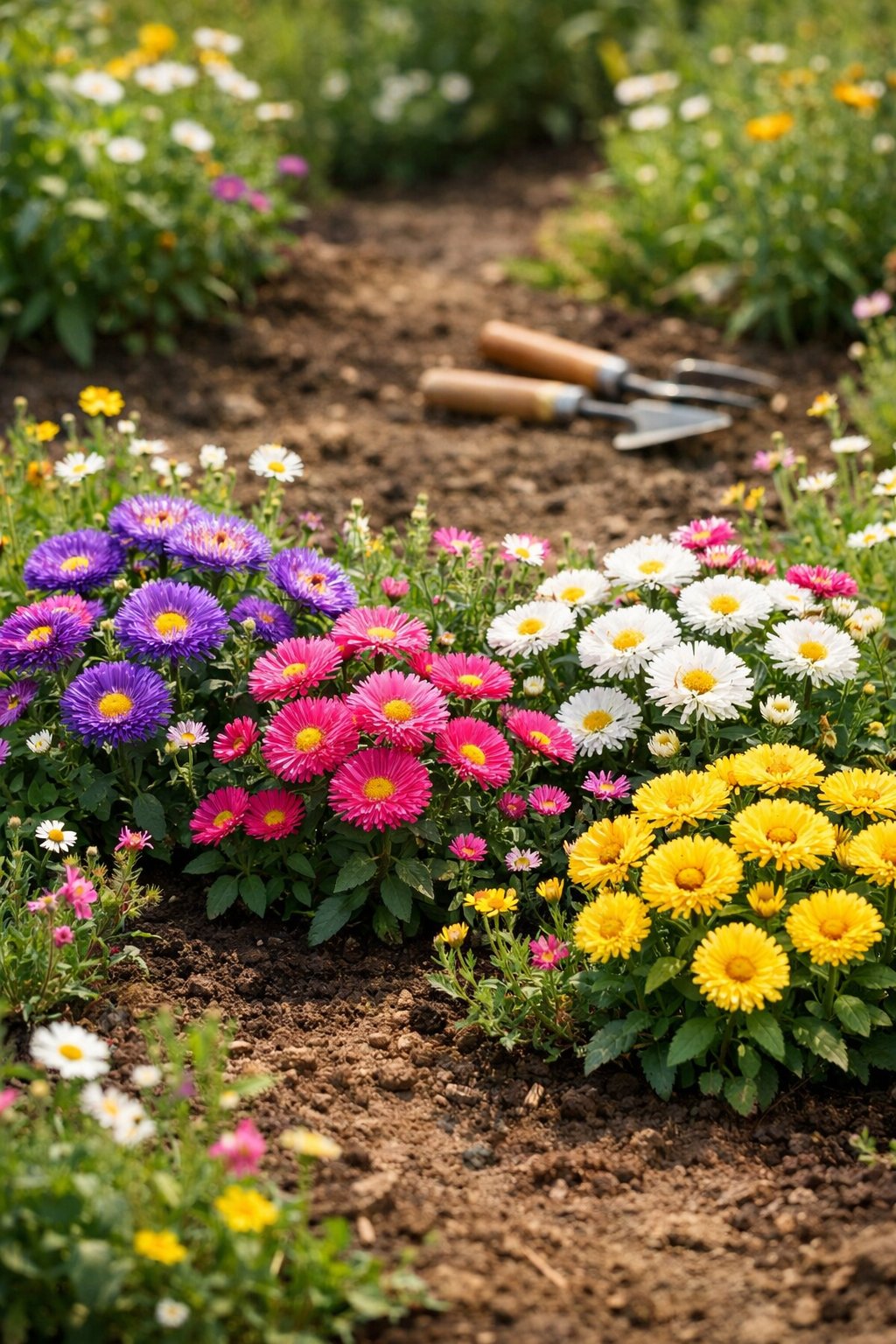
Let’s be honest—bare patches in the yard just look sad. You want a quick fix that adds color, but you definitely don’t want to babysit fussy plants every weekend.
Asters totally get that. They show up in late summer and fall, bursting with purples, pinks, and whites that wake up any tired spot.
I love how easy asters are. Just tuck them into a sunny spot with some well-drained soil, toss in a bit of compost, and you’re basically set.
If you pinch back young stems, asters get bushier—almost like they’re showing off. And if you snip off old blooms, they’ll keep sending out fresh flowers.
Bees and butterflies can’t resist them, so your garden will buzz with life. For tiny spaces, go with the short varieties, but if you’ve got room, the tall ones make a great backdrop.
Expert Tip From MrPlanter: Pop asters in the ground after the last frost. Give them a deep drink once a week until they settle in.
13. Try a wildflower mix designed specifically for water-saving gardens
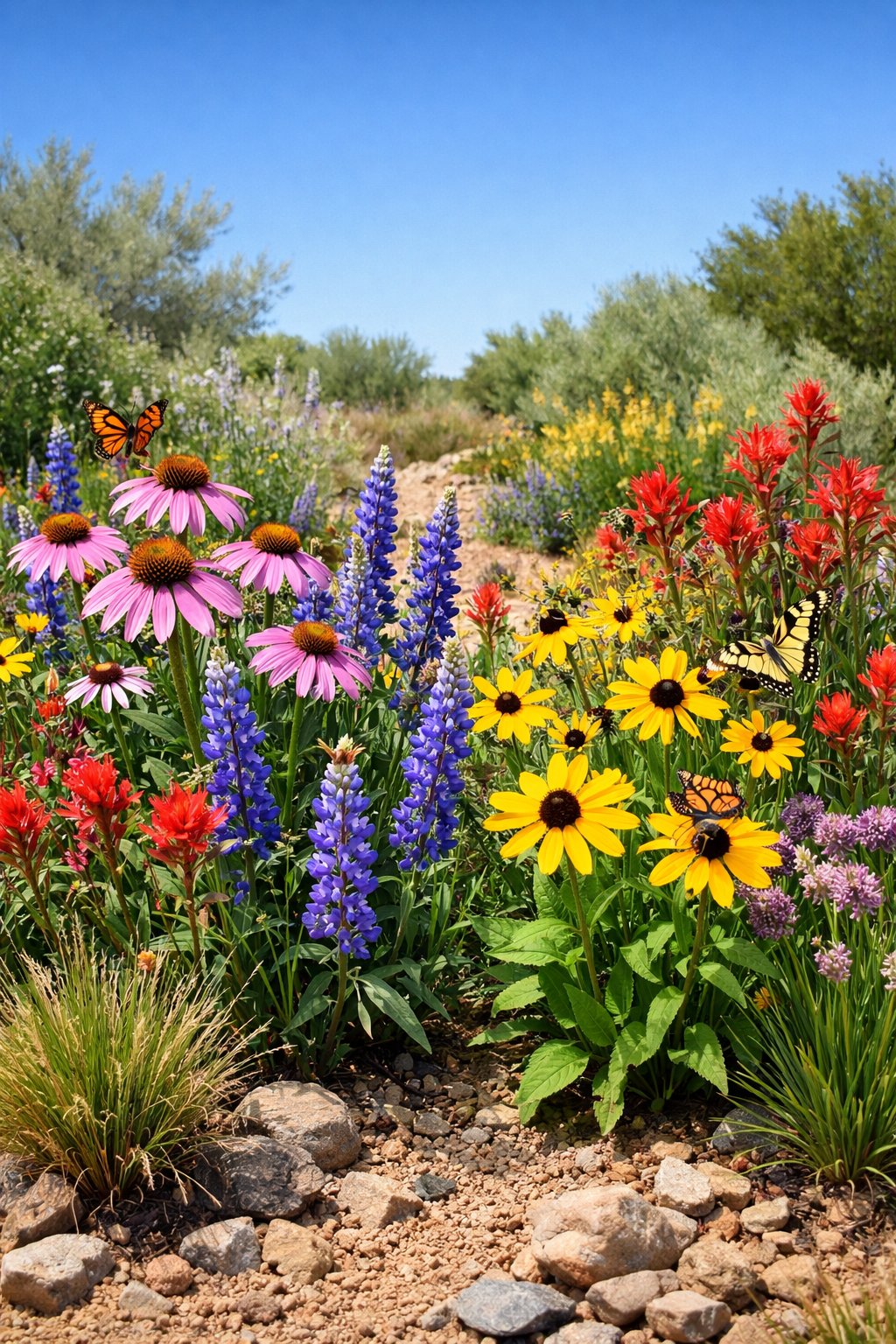
Here’s something that might surprise you: wildflower mixes made for drought can still throw a garden party of color, even if you barely water them.
You’ll cut back on both watering and effort by picking seeds that actually like dry soils and don’t mind low rain.
Grab a packet labeled for dry areas or low rainfall, or just go with native wildflowers that don’t need much pampering.
Most of these mixes have both annuals and perennials, so you get waves of blooms at different times.
Your garden stays interesting, and you don’t have to hover over it with a hose every day.
Go ahead and plant in soil that drains well.
Throw down a little mulch to help keep in some moisture.
Once your flowers settle in, you can forget about daily watering—just give them a deep drink now and then.
Expert Tip From MrPlanter: Snag seeds meant for dry climates and give them a good start with regular water the first season. After that, only water when the dirt feels dry about an inch down.