As an Amazon Associate, MrPlanter.com earns from qualifying purchases.
You know that awkward patch of yard that just can’t decide what it wants to be? A berm sorts that out fast, turning a boring, flat spot into something with shape, height, and a real sense of purpose.
Pick the right berm and suddenly you’ve got privacy, better drainage, and a yard that looks like you actually planned it—no more “we’ll get to it later” vibes.
Berms work pretty much anywhere—front yard, backyard, side yard. They solve problems and still look sharp.
You can go natural, formal, colorful, low-maintenance, or even edible if you want your landscaping to multitask like a superhero.
The trick? Find a berm style that fits your space, your house, and the amount of yard work you’re actually willing to do.
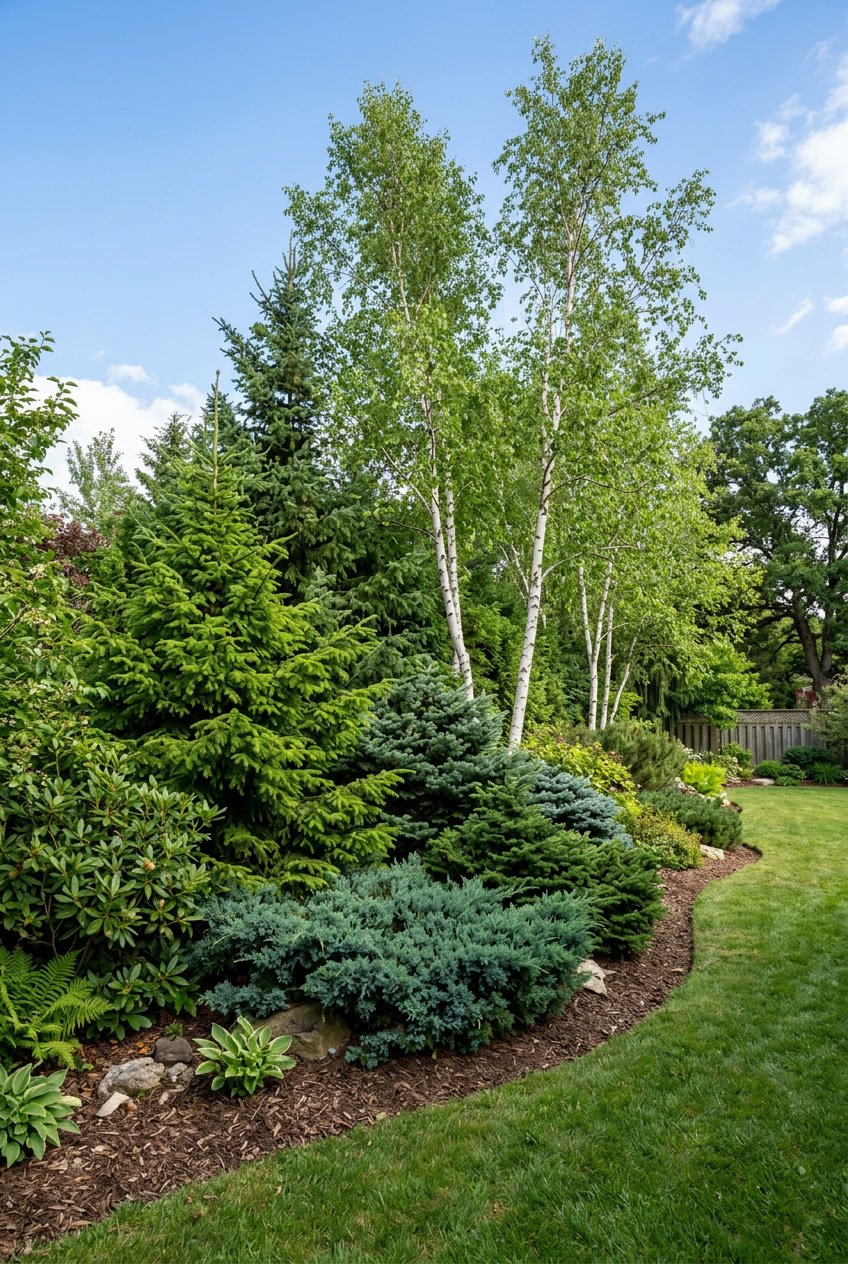
1. Privacy Berm With Spruce, Juniper, And Birch
Got a nosy neighbor? A berm can become your living privacy wall in no time.
Spruce gives you dense evergreen cover, juniper fills in the middle, and birch adds those light, upright trunks so things don’t get too heavy.
This combo works best on a gentle slope with enough space for roots and room to grow. I like to plant the trees in layers so the berm looks full but not crowded.
Toss some mulch around the base to keep things tidy and cut down on weeds.
Expert Tip From MrPlanter: Go for plants with different heights so your privacy screen feels full all the way up and down. And give those trees room to stretch out, or your berm will turn into a traffic jam.“
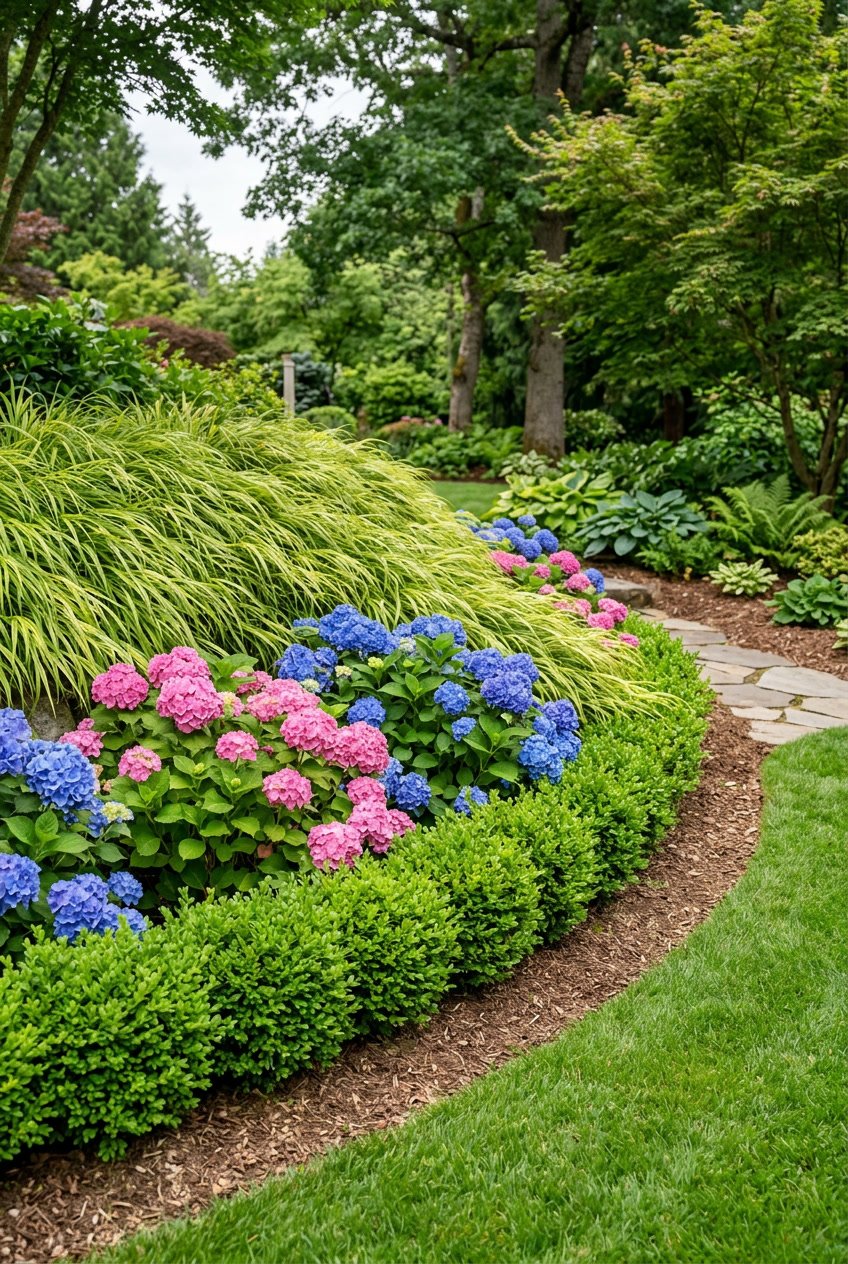
2. Layered Berm Planting With Boxwood, Hydrangea, And Hakone Grass
A flat row of plants can look like it needs a nap. Your berm deserves better.
Layer boxwood, hydrangea, and Hakone grass for structure, color, and that soft, flowing movement.
Boxwood gives you the backbone, hydrangea brings the blooms, and Hakone grass drapes over the slope like a green ribbon.
I’d use this look in the front yard where you want curb appeal but not a rigid vibe. Keep the boxwoods neat, then let the grass and hydrangea do their thing.
Expert Tip From MrPlanter: Repeat each plant a few times so the design feels calm and connected. Berms look better with rhythm, not chaos.“
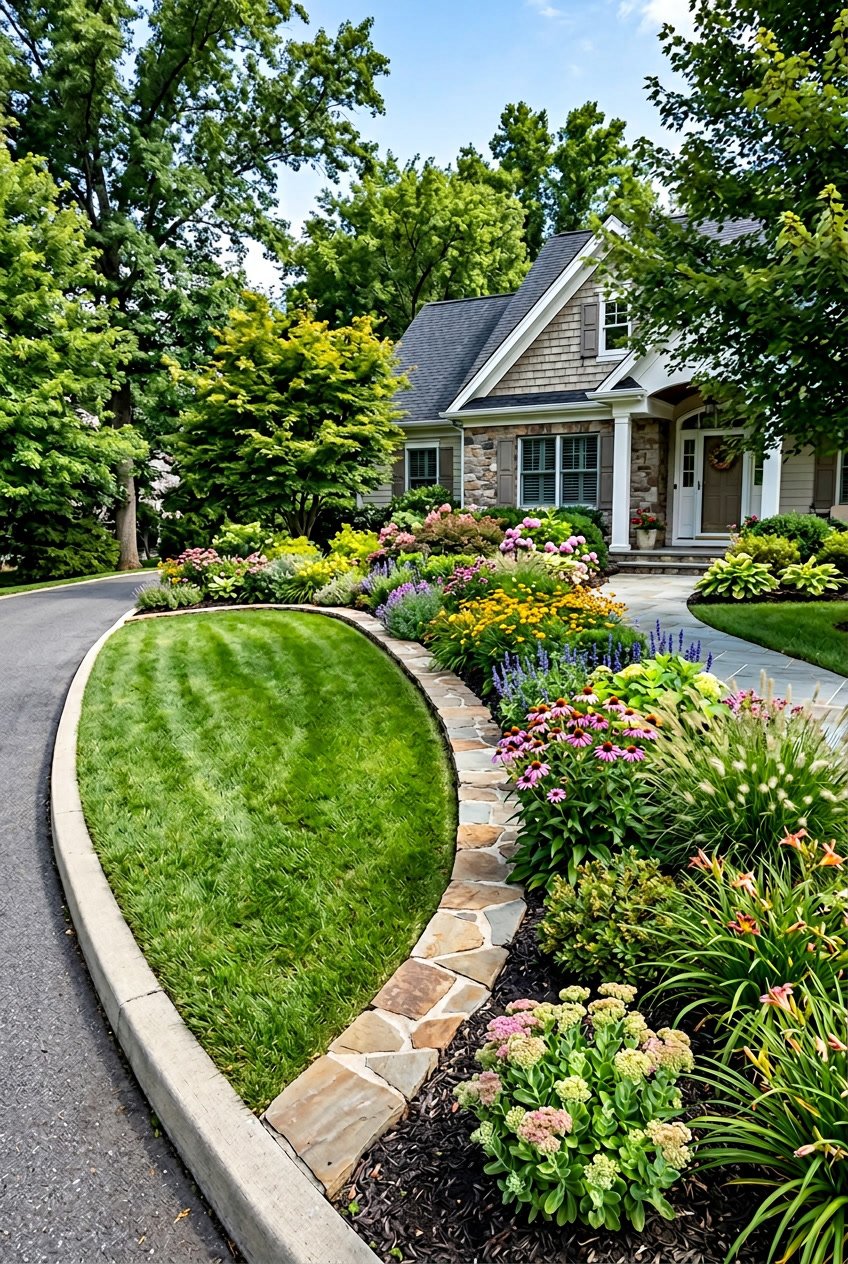
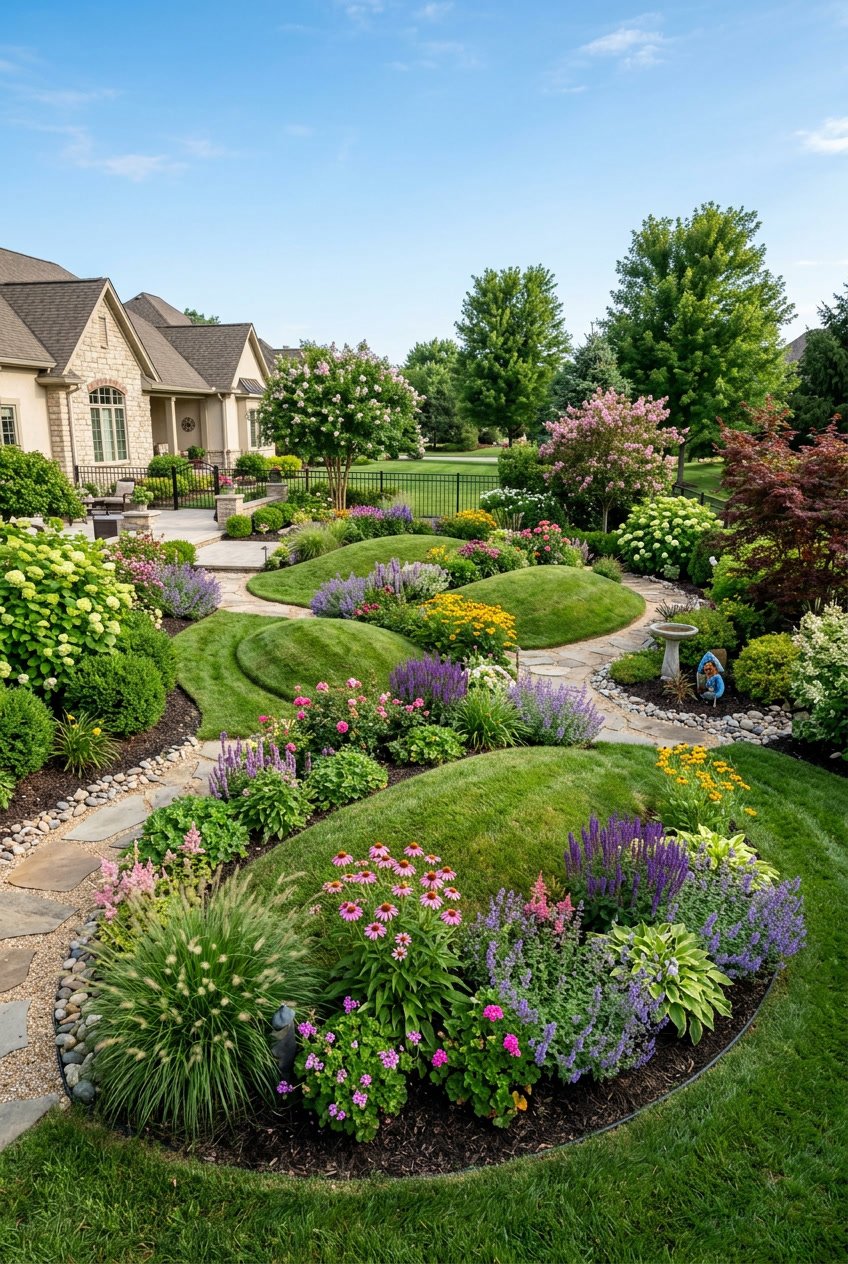
3. Curved Front-Yard Berm With Landscape Edging
Straight berms in the front yard? Kinda look like dirt speed bumps.
Curving the shape softens everything and feels way more natural, especially with stone, steel, or brick edging to finish it off.
That border keeps mulch where it belongs and makes the berm look like it’s meant to be there, not like a pile of soil that wandered in early.
Curves also guide your eye toward the house or walkway. Keep the slope gentle so mowing doesn’t become a wrestling match.
Expert Tip From MrPlanter: Lay out a garden hose or rope first to test your curve before you start digging. Saves a lot of “oops” moments later.“
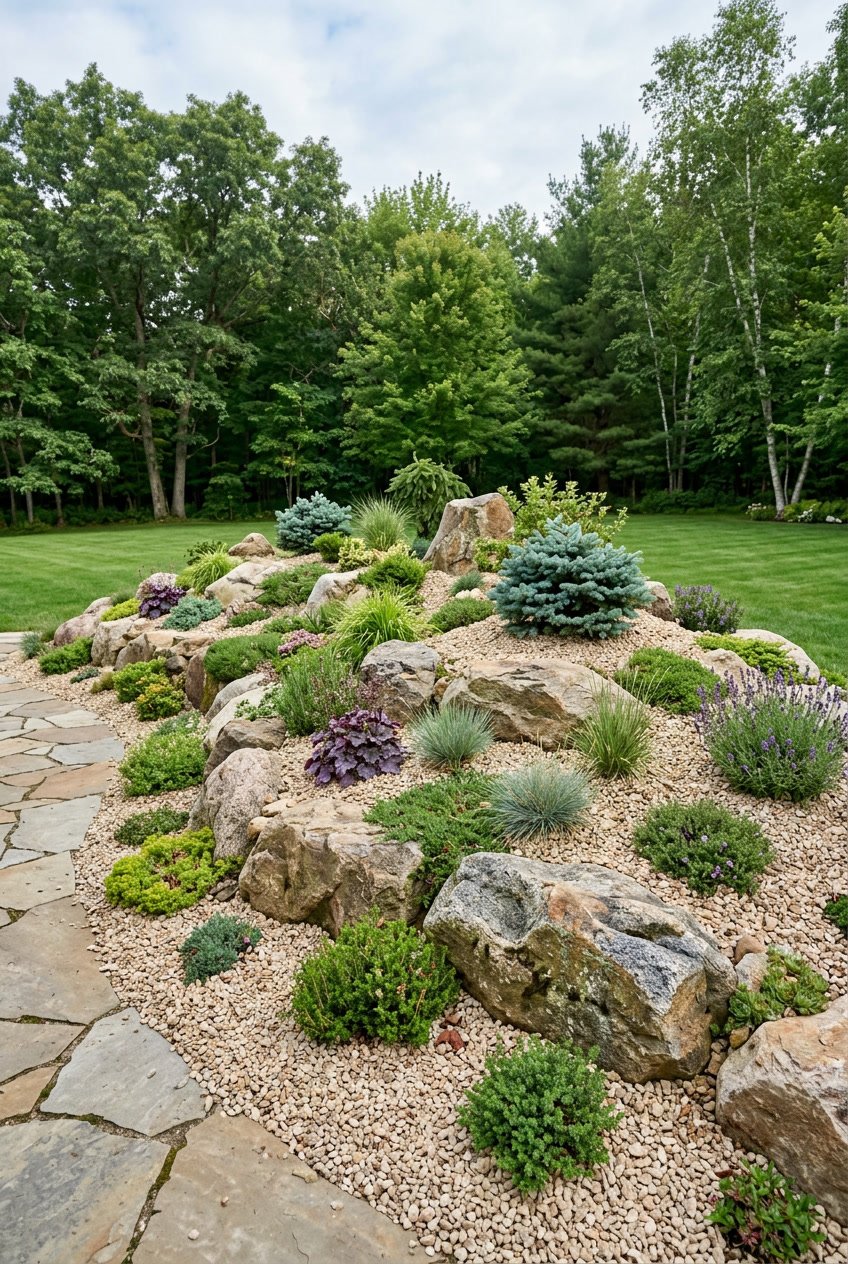
4. Rock Garden Berm With Boulders And Crushed Stone
If your yard floods or you’re tired of mowing, try a rock garden berm.
Big boulders anchor the space, crushed stone fills in the gaps, and small shrubs and grasses break up the hard look.
This style works great in sunny spots or places where you want to use less water. I’ve seen it look especially sharp near driveways and walkways.
Expert Tip From MrPlanter: Set your biggest boulder first and bury part of it so it looks settled. Rocks need to look like they belong, not like they fell off a truck yesterday.“
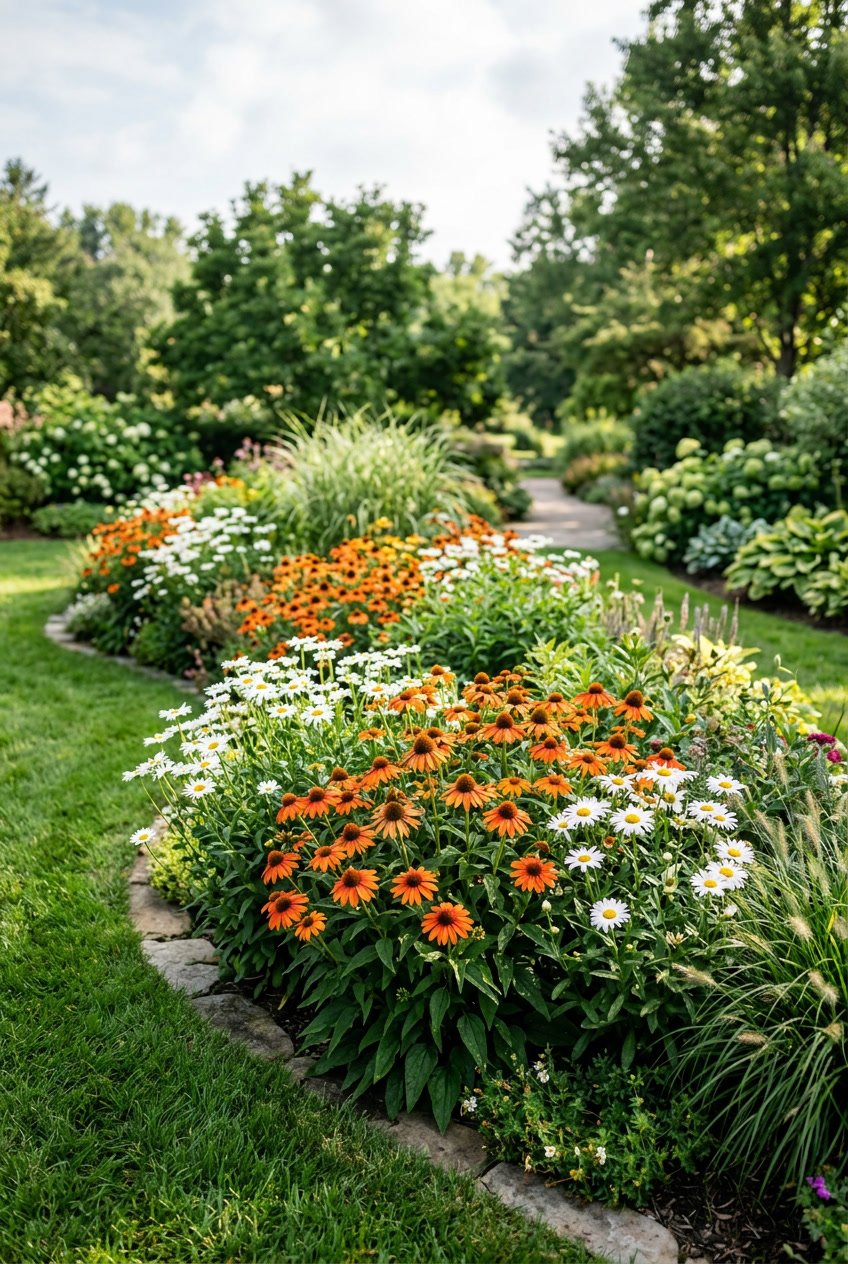
5. Flowering Berm With Daisies And Coneflowers
Sometimes you just want a berm that grins at you all summer.
Daisies and coneflowers are classic for a reason—they bring color, attract pollinators, and don’t act like divas.
I plant them in clusters so the blooms make a real impact. This works best on a sunny berm with good drainage.
Add some grasses or low evergreens behind so your berm still looks good when the flowers take a break.
Expert Tip From MrPlanter: Mix plants that bloom at different times so your berm stays colorful longer. A flower bed with a schedule is way more fun to look at.“
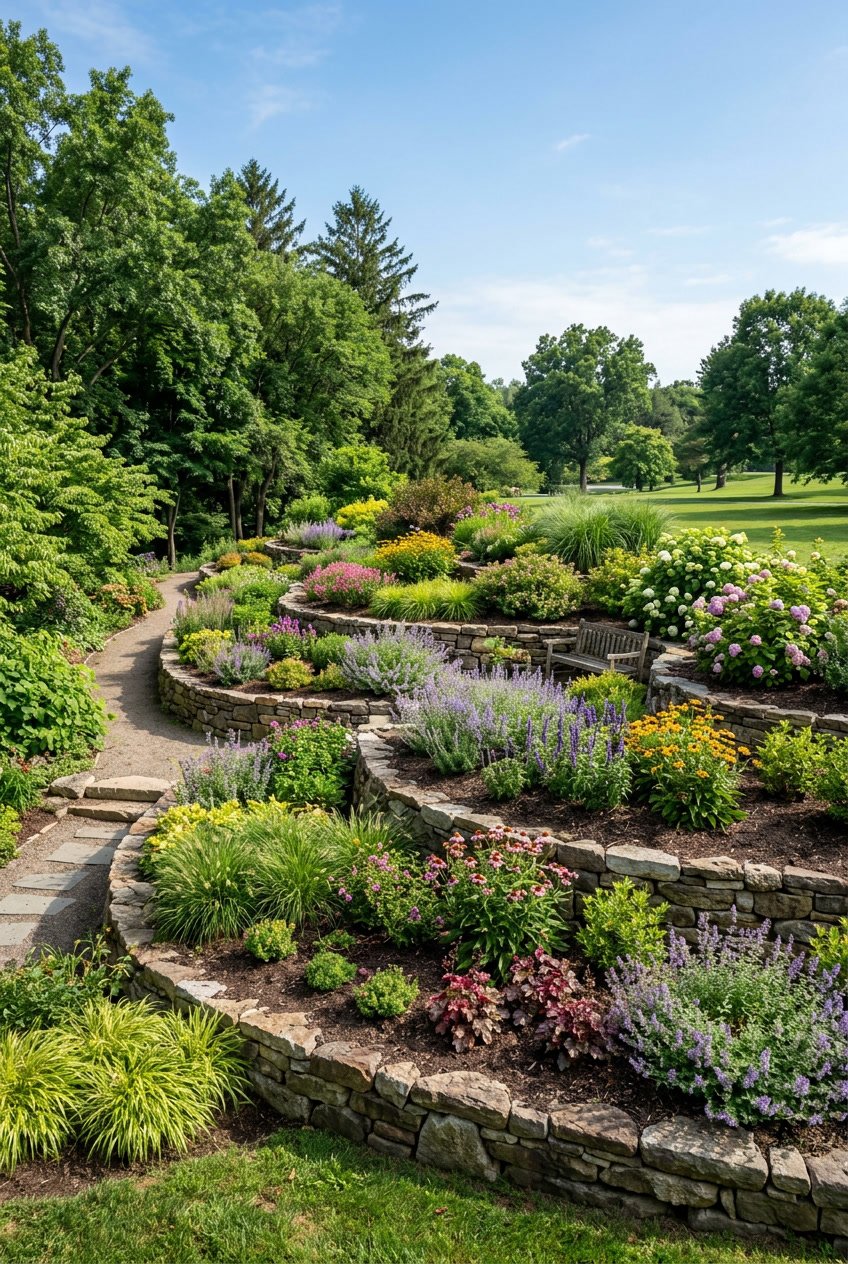
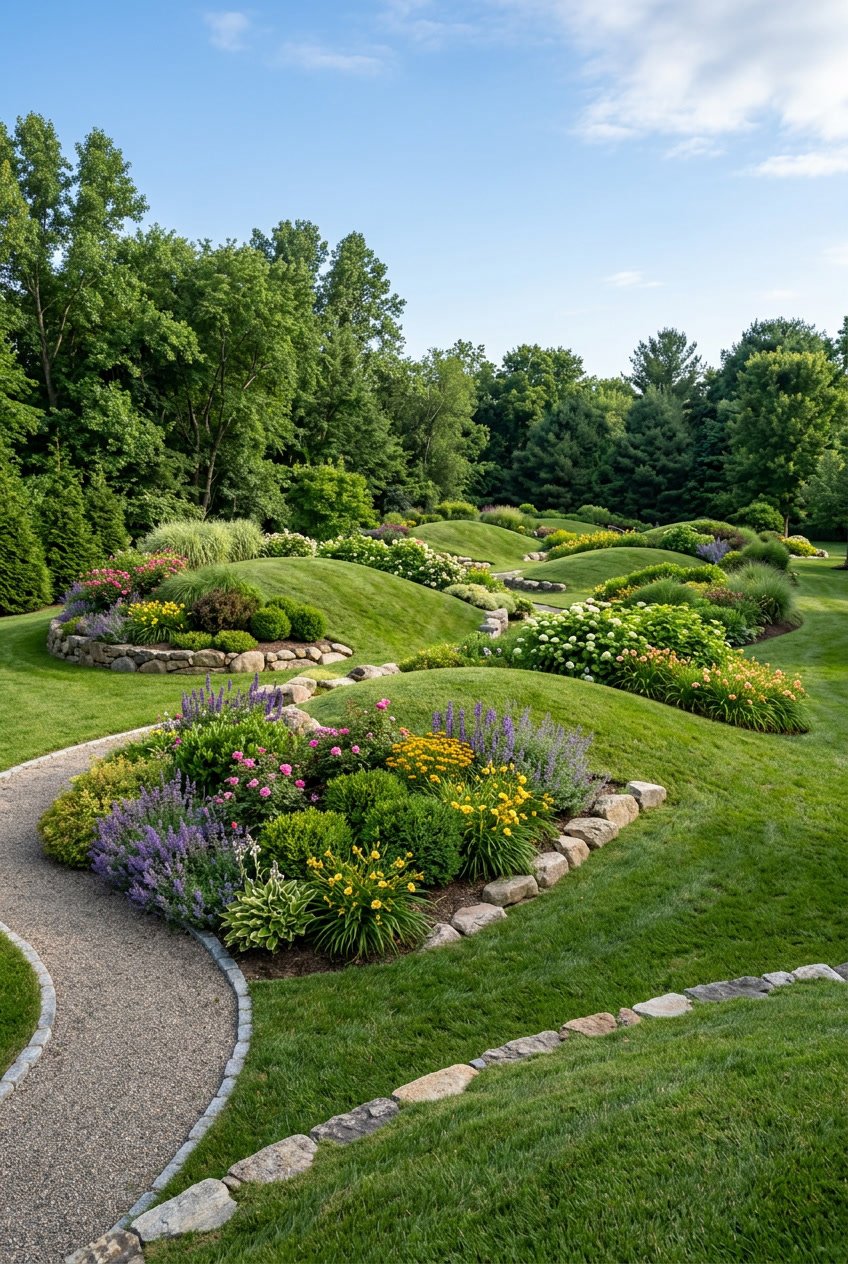
6. Multi-Level Berm With Terraced Planting Pockets
Tall berms can get awkward if you treat them like a single hill.
Terraced planting pockets break them up into zones, making planting and watering a lot easier.
Use stone, timber, or packed soil to hold each level in place. I like this for bigger yards where you can mix shrubs, flowers, and groundcovers without everything sliding down.
It also just looks more finished and is easier to keep tidy.
Expert Tip From MrPlanter: Keep the top terrace simple and fill out the lower ones. That way your berm feels balanced, not like it skipped leg day.“
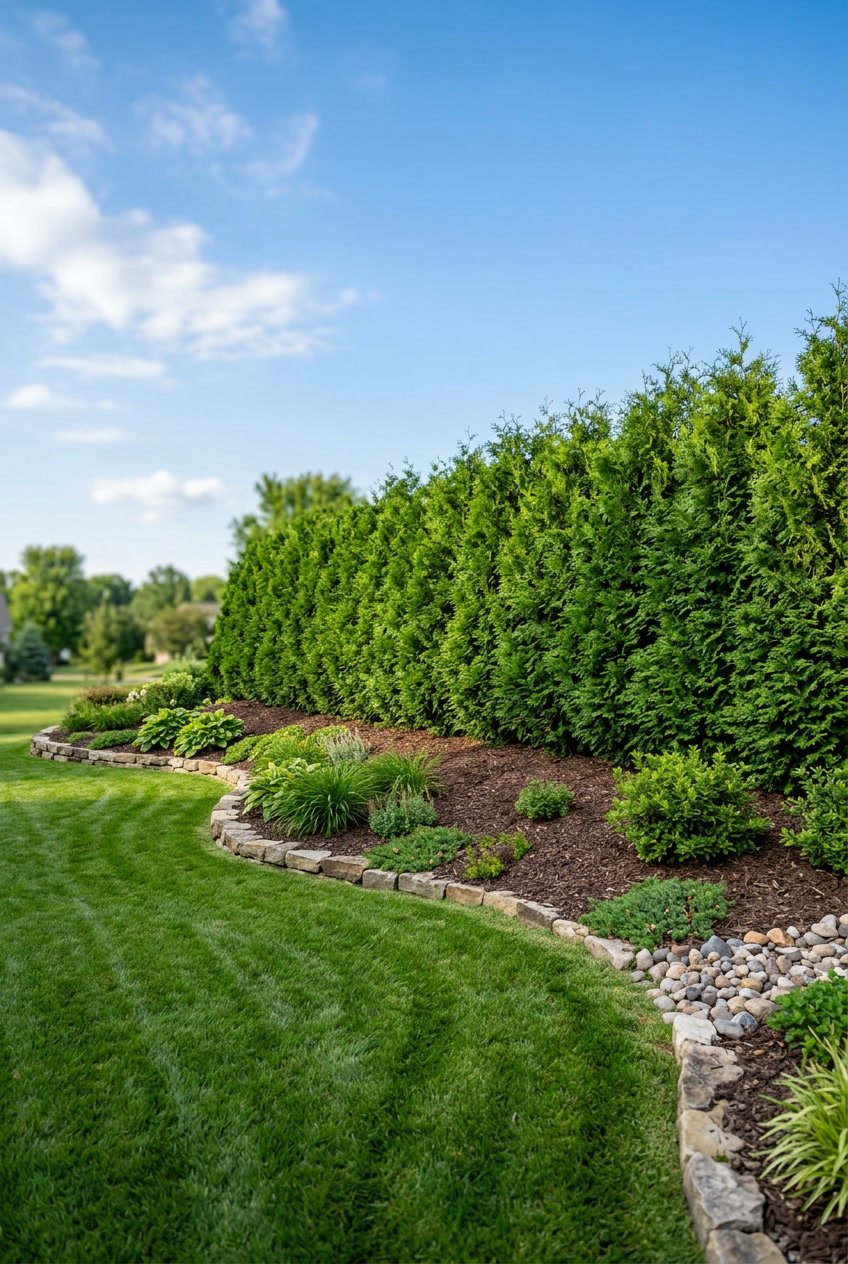
7. Evergreen Privacy Screen Berm With Emerald Green Arborvitae
If you want privacy all year without a lot of fuss, arborvitae is your friend.
Emerald Green arborvitae stays narrow and neat, which is perfect for property lines and small yards.
On a berm, it brings height and privacy but doesn’t make the space feel boxed in.
Give the roots plenty of room, and underplant with mulch or low groundcover to keep things tidy.
Expert Tip From MrPlanter: Check how wide they get before you plant. Arborvitae starts polite and then suddenly wants to take over the world.“
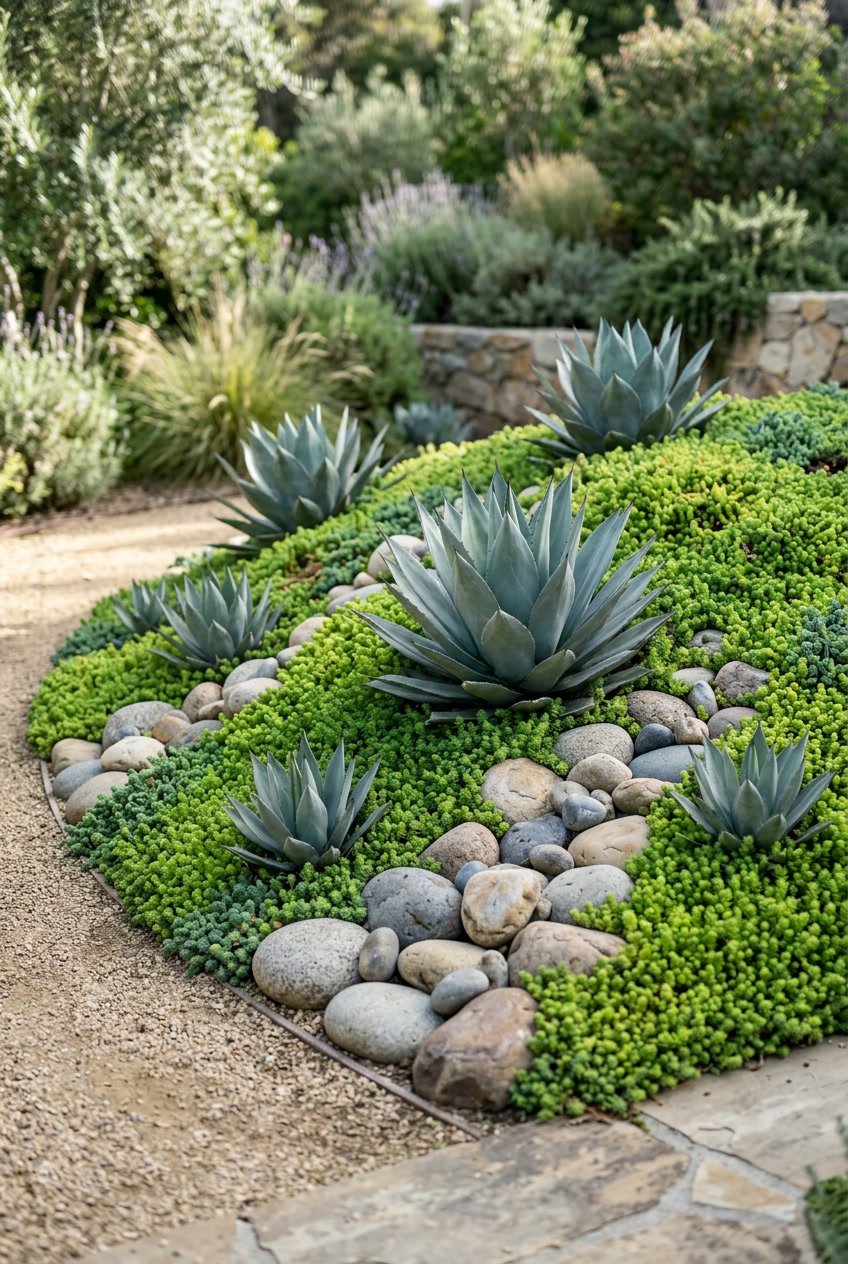
8. Minimalist Berm With Sedum, Agave, And River Rock
Too many plant choices can make a berm look like it’s trying too hard.
Sedum, agave, and river rock keep things clean and simple. Sedum softens the edges, agave brings bold structure, and river rock keeps the design crisp.
This is perfect for sunny, dry spots where you want a modern look and less work.
Stick with a repeated pattern so the berm feels calm and not busy.
Expert Tip From MrPlanter: Leave space between plants so each one can shine. Minimalist berms need breathing room, not extra clutter.“
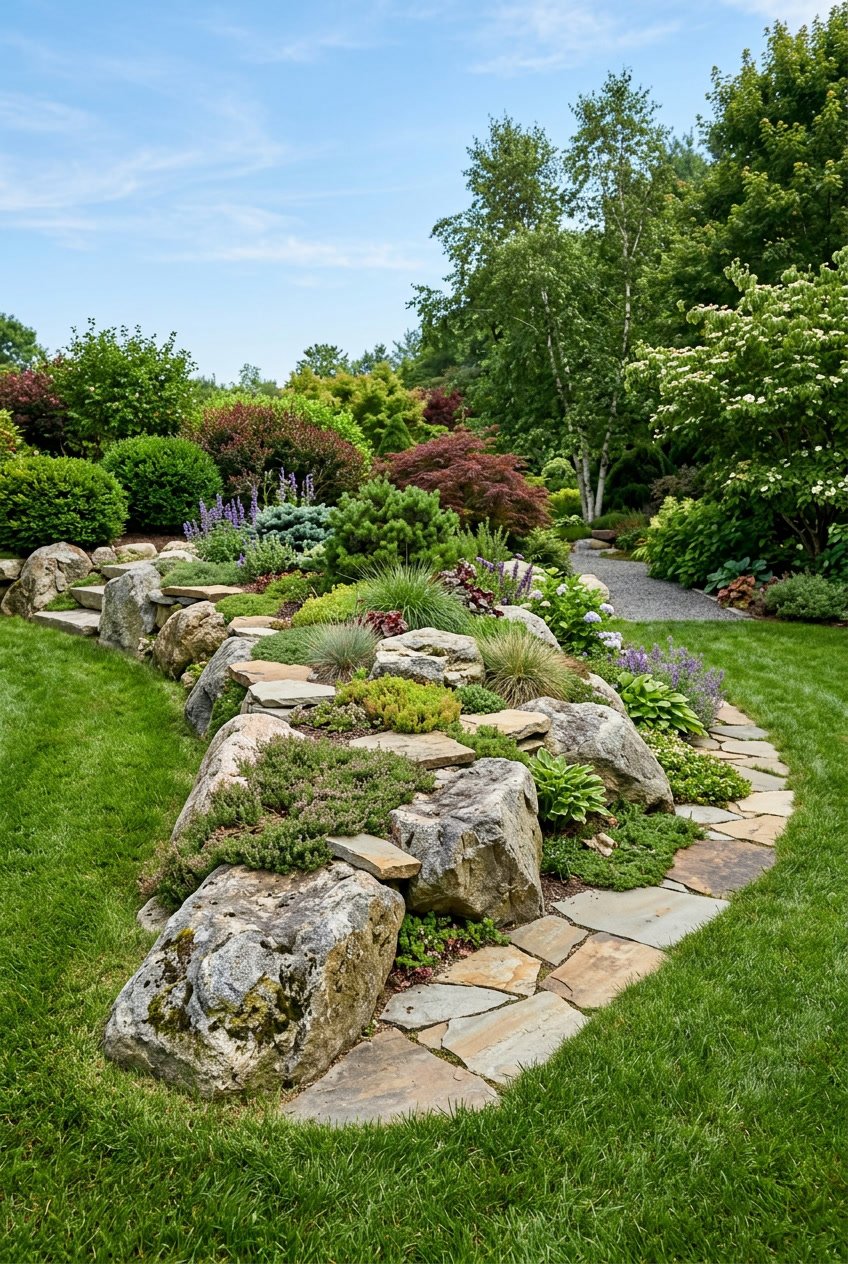
9. Natural Stone Berm With Granite Boulders And Flagstone Accents
Stone gives a berm that backbone it sometimes needs.
Granite boulders add weight and make it feel permanent, while flagstone accents work as stepping points or just break up the slope.
I like this style when your yard already leans natural. Pick plants that play nice with the stones—grasses, low shrubs, and natives usually work.
The berm ends up feeling like it’s always been there.
Expert Tip From MrPlanter: Use stones in different sizes and colors. Variety keeps your berm from looking like a showroom sample.“
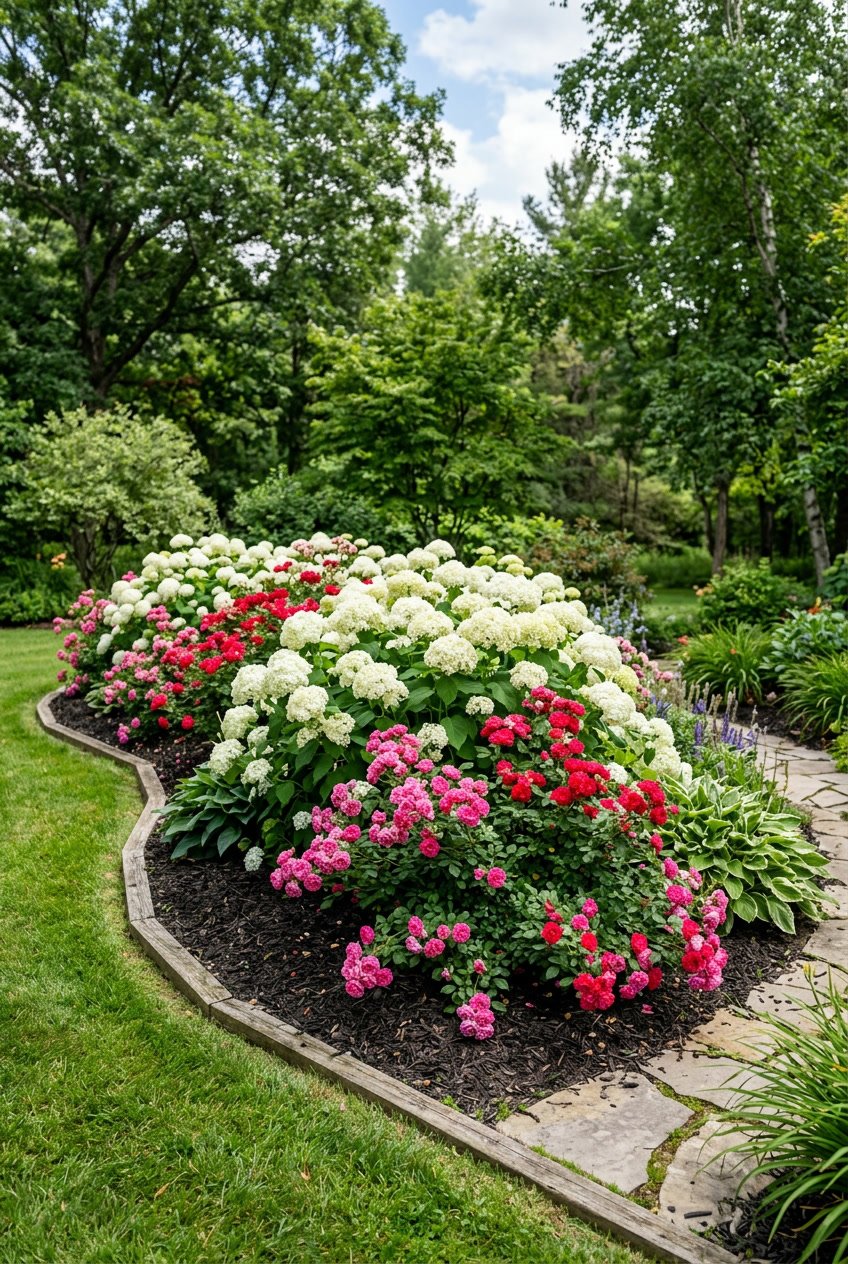
10. Seasonal Color Berm With Annabelle Hydrangeas And Flower Carpet Roses
A berm can be the star of your yard if you plan for blooms all season.
Annabelle hydrangeas bring big summer flowers, and Flower Carpet roses keep the color coming.
Mix in some evergreens or grasses so your berm still has shape when the flowers take a break.
This works great in front yards where you want curb appeal that changes through the year.
Expert Tip From MrPlanter: Pair flowering shrubs with something that stays green. If everything blooms at once, you’re left waiting for the next show.“
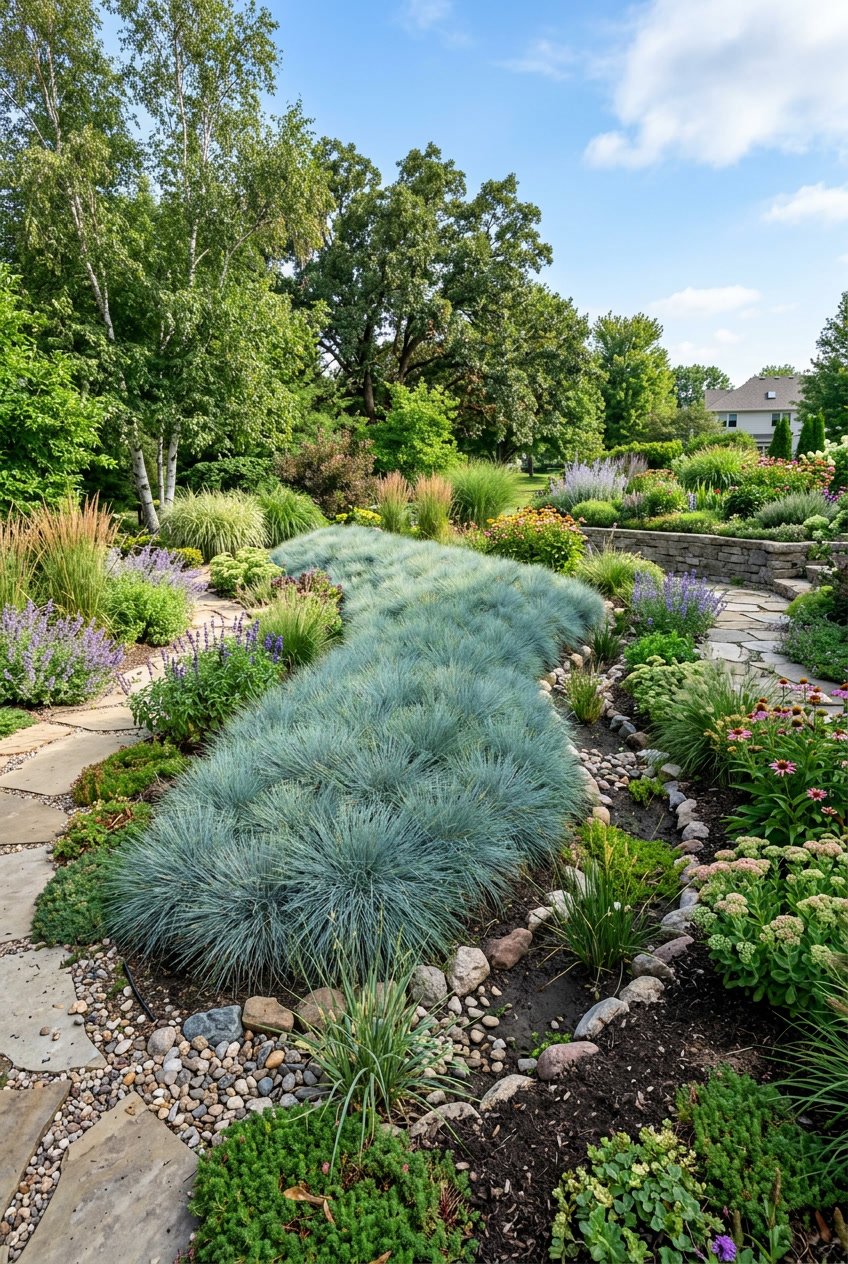
11. Water-Friendly Berm With Swale Edges And Blue Fescue
Berms and swales can be a dream team for drainage.
The berm sends water where you want it, and the swale edge slows it down and helps it soak in.
Blue fescue gives you a tidy, drought-tolerant look with soft blue-green color that holds the slope together.
This is a lifesaver if you get heavy rain or have soggy spots. Keep the slope gentle so water moves slowly and plants stay in place.
Expert Tip From MrPlanter: Watch where water goes after a rain before planting. The ground never lies, even if your yard looks ready for a magazine cover.“
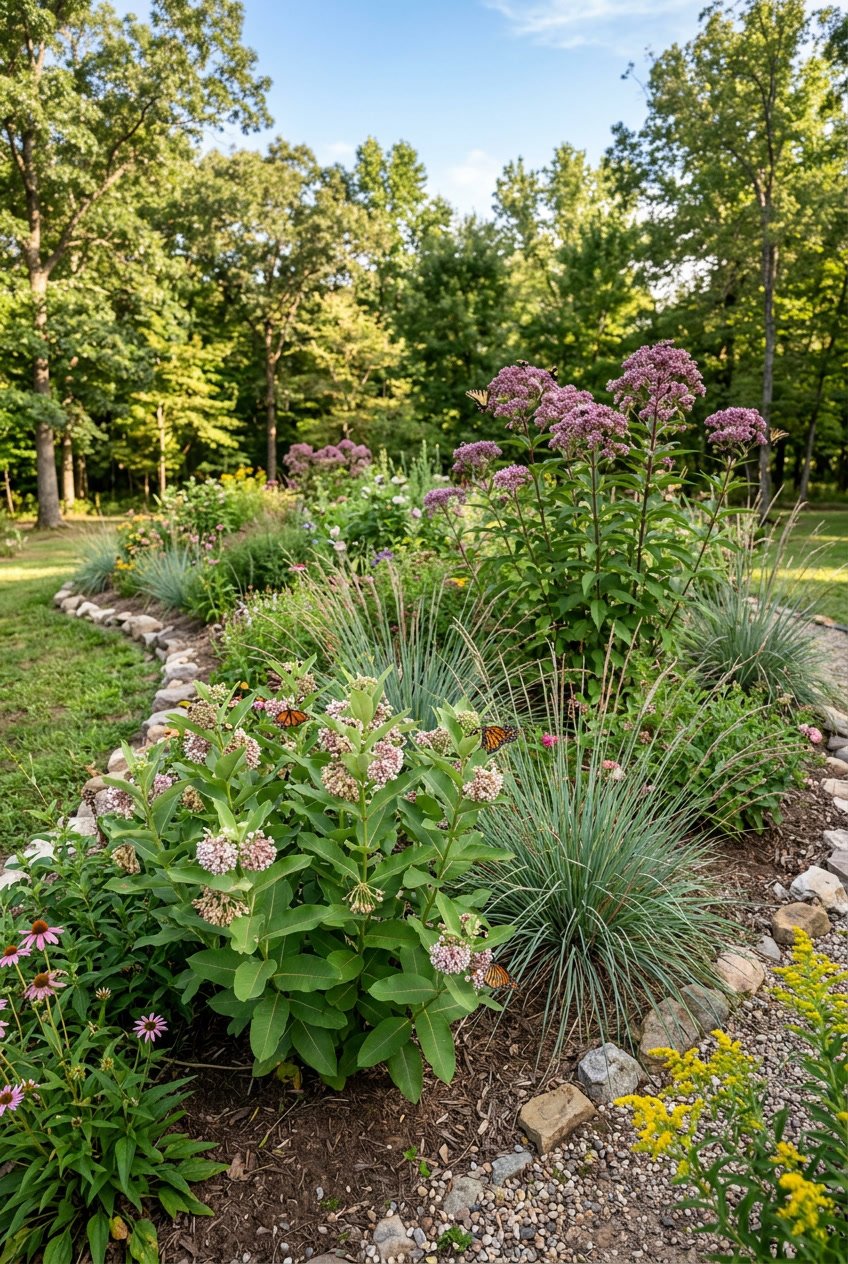
12. Wildlife-Friendly Berm With Milkweed, Joe-Pye Weed, And Little Bluestem
Want a berm that does more than just sit there? Try this mix for butterflies, bees, and birds.
Milkweed brings in monarchs, Joe-Pye weed adds tall summer flowers, and little bluestem gives you movement and native texture.
Native plants usually handle your local weather better, so you get less hassle. I like this for backyards or big front edges where a wild, meadow look fits.
The berm ends up buzzing with life instead of looking overly polished.
Expert Tip From MrPlanter: Plant in big groups so pollinators can find the flowers. Scattered berms are confusing for wildlife and harder for you to enjoy.“
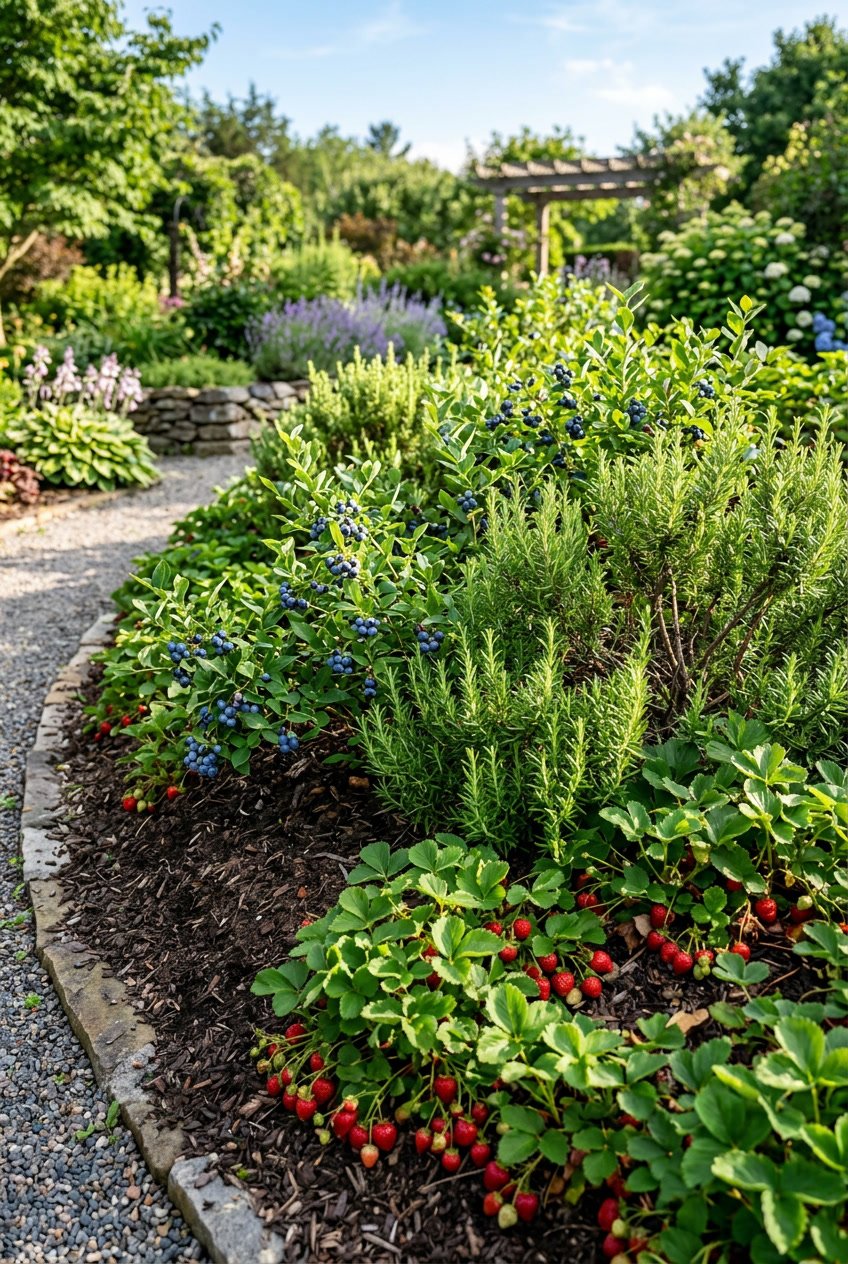
13. Edible Berm With Blueberry Bushes, Rosemary, And Strawberry Groundcover
The edible berm is kind of the unsung hero in a garden. Blueberry bushes stand tall and give you fruit, rosemary adds that lovely smell and stays green all year, and strawberries crawl across the slope, making a living carpet that also tastes great.
This combo works best in a sunny spot, and you’ll want to check that your soil makes the plants happy—blueberries are kind of picky. Make the berm wide enough so you don’t have to do gymnastics to pick your berries.
You end up with a spot that looks good and gives you snacks. That’s a win in my book.
Expert Tip From MrPlanter: Group edible plants by water and soil needs, not just by what looks cute together. Your berm will be easier to care for if the plants agree on the basics.“
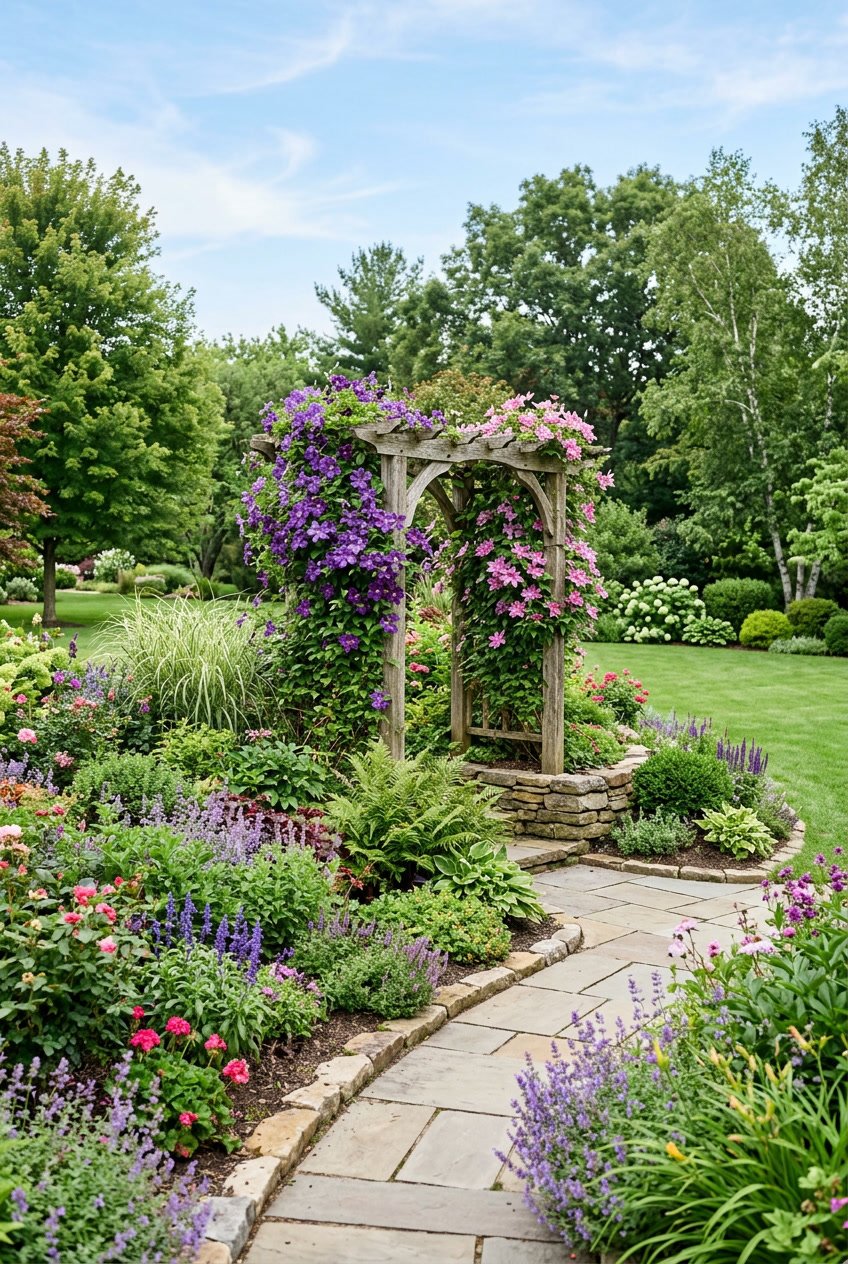
14. Climbing Vine Berm With Arbor And Clematis
Who knew a vine-covered berm could steal the show? Pop an arbor on the slope, and suddenly your clematis has somewhere to go wild.
Those blooms climb up and bring color right at eye level, so the berm feels taller without eating up more yard. I like putting this near a path or entryway—just enough drama, but not a Broadway production.
Plant some low shrubs or groundcover at the base so the arbor doesn’t look like it’s floating. The vines do the showing off, and the berm quietly holds everything together.
Expert Tip From MrPlanter: Give vines a sturdy support from the start. A wobbly arbor can turn your pretty plan into a maintenance project nobody asked for.“
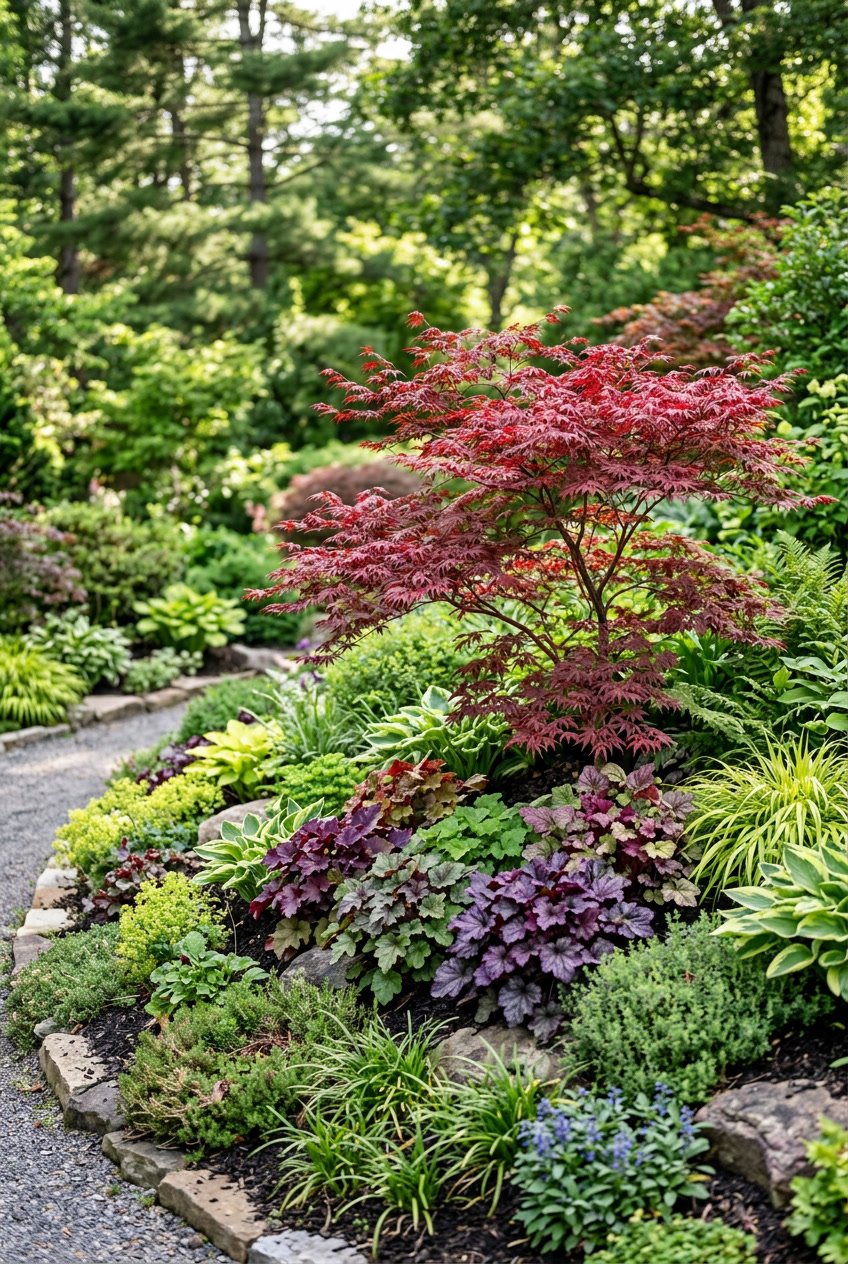
15. Foliage-Focused Berm With Japanese Maple And Heuchera
Not every berm needs to be a flower parade. Sometimes, it’s all about the leaves.
Plant a Japanese maple for that graceful centerpiece, then fill in with heuchera for pops of color close to the ground. The slope ends up layered and calm, kind of like a yard that’s just had its morning coffee.
This style is great if you want something classy and not too loud. It even works in those tricky spots with only part-day sun.
Expert Tip From MrPlanter: Choose leaf colors that contrast a little, not a lot. Your berm should feel coordinated, not like every plant got dressed in the dark.“
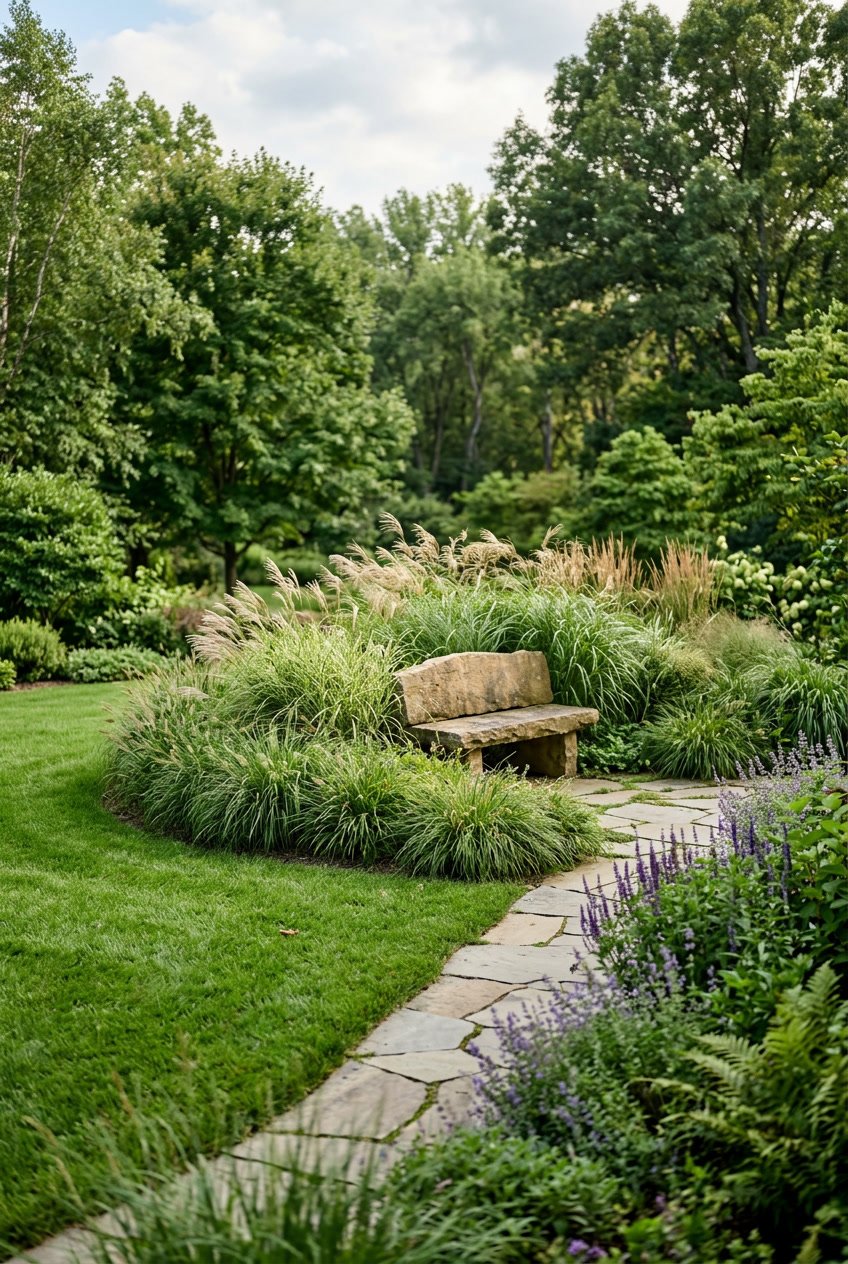
16. Seating Area Berm With Stone Bench And Ornamental Grasses
A berm isn’t just for plants—it can be a perfect spot to sit and take it all in. Set a stone bench on the slope, and suddenly you’ve got a place to rest those tired gardening legs.
Ornamental grasses around the bench move in the wind and soften up the look. Just make sure the berm is wide enough so you don’t feel like you’re perched on the edge.
I love using this idea in a quiet corner or along a garden path. Surround the bench with a few sturdy plants so it feels cozy, not lonely.
Expert Tip From MrPlanter: Place the bench where you can see the best part of the yard, not just where it fits. A good seat should feel like an invitation, not leftover furniture.“
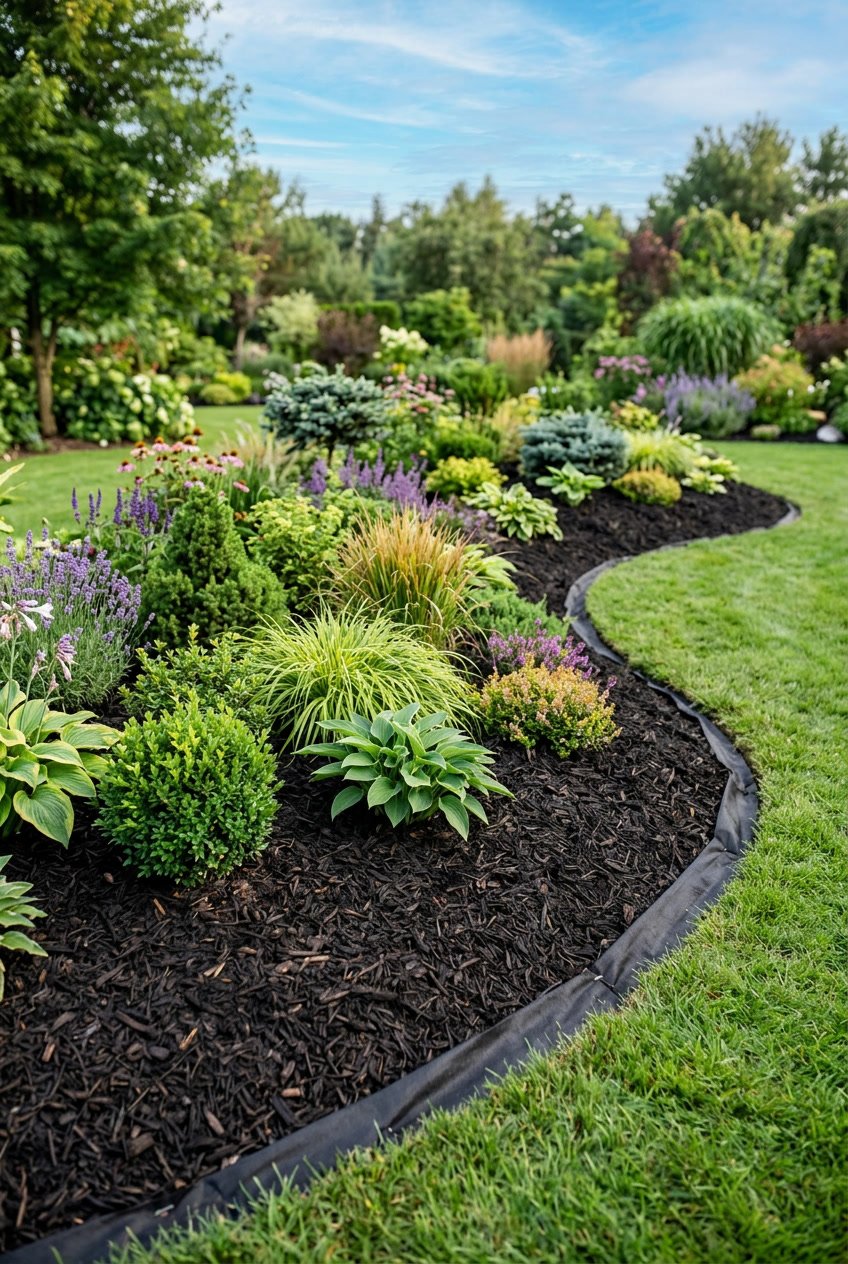
17. Mulched Berm With Organic Bark And Weed Barrier Fabric
Sometimes a mulched berm is all you need to make the yard look finished. Organic bark gives the slope a tidy look, helps keep water in, and tells weeds to take a hike.
Lay weed barrier fabric under the mulch for even more weed control, but only if you do it right—nobody wants that stuff peeking out. This trick is perfect if you want something easy or you’re still thinking about what else to plant.
It also makes new berms look sharp right away. Just keep the mulch fresh and the surface even, and you’re golden.
Expert Tip From MrPlanter: Use mulch to frame the plants, not bury them. A berm looks sharp when the mulch finishes the bed instead of swallowing it.“
How To Choose The Right Berm Idea
Match The Berm To Privacy, Drainage, Or Curb Appeal
First, ask yourself what you want from your berm. Need privacy? Go for tall evergreens and thick shrubs.
Dealing with drainage issues? Shape the berm so rainwater heads away from trouble spots. Want to impress the neighbors? Curves, layers, and a nice edge do the trick.
Scale The Berm To Yard Size And House Style
Small yard? Keep the berm low and wide—it’ll look more natural. If you’ve got space to spare, you can go bigger, add more plant layers, or even work in some stone.
Try to match the berm’s vibe to your house. Modern homes love simple plants and rocks, while traditional houses look great with classic shrubs and flowers.
Pick Plants For Four-Season Structure
You want your berm to look good year-round, right? Mix in evergreens, flowering shrubs, grasses, and perennials so there’s always something happening.
That way, the yard doesn’t look empty in winter or sad after the flowers are done.
What Makes A Berm Look Professional
Use Gentle Slopes Instead Of Steep Mounds
Gentle slopes win every time. They look more natural, are easier to plant, and don’t wash away in the first big rain.
If the berm is too steep, it can look out of place and make gardening a pain. Keep things gradual for the best results.
Repeat Plants In Groups For A Cleaner Look
Your eyes love a little order. Plant three or five of the same shrub together, and suddenly the berm looks planned.
Big mix-ups with lots of singles just feel messy. Repeat your favorites and the whole thing comes together.
Anchor The Design With Stone, Mulch, Or Edging
Every good berm needs a strong finish at the bottom. Stone, mulch, or edging keeps the slope neat and the plants in line.
These touches make even a young berm look like it belongs, and you don’t have to fuss with it every weekend.
Common Berm Mistakes To Avoid
Planting Without A Drainage Plan
Trust me, you don’t want a soggy berm. Before you plant, watch where the water goes when it rains and figure out a path for runoff.
Good drainage keeps roots happy and your berm from sliding away.
Using Too Many Random Plant Varieties
It’s tempting to grab one of everything at the nursery, but that’s a recipe for chaos. Stick with a handful of plant types and repeat them across the berm.
You’ll get a cleaner look and spend way less time trying to keep up with all the different needs.
Building The Berm Too Tall Too Fast
You might pile up a giant mound and feel pumped at first, but it can look pretty odd once it settles in. Tall berms eat up a ton of soil, and you’ve got to deal with more grading and keep an eye on erosion.
Start small. Shape it just enough, then tweak the size as you figure out what actually works in your yard.
I’m Anirban Saha, the Founder and Owner of MrPlanter.com. I pay the bills as a software developer, although my BTech is actually in Electronics and Communication. I really love my day job, but what gives me energy every day is interacting with my indoor plants and taking care of them. I have been successfully nurturing and maintaining houseplants for over 10 years now.
📚🔍 Our content undergoes thorough review and fact-checking before publication. For additional details, explore our strict Editorial Policy to deliver helpful content. 📝🔒