As an Amazon Associate, MrPlanter.com earns from qualifying purchases.
You know that feeling when a yard has room for more than a patch of grass, but you want something that actually brings birds, frogs, dragonflies, and maybe a few curious ducks into view? A large wildlife pond can do that, and it can still look good from your kitchen window.
The best ideas mix gentle edges, native plants, safe entry points, and a little open water so wildlife can use it without the pond looking fussy.
The good news is that you do not need a formal, perfect shape to make it work. In fact, the most inviting ponds usually look a little wild on purpose, with curves, rocks, shelves, and plant zones that give animals places to feed, hide, and drink.
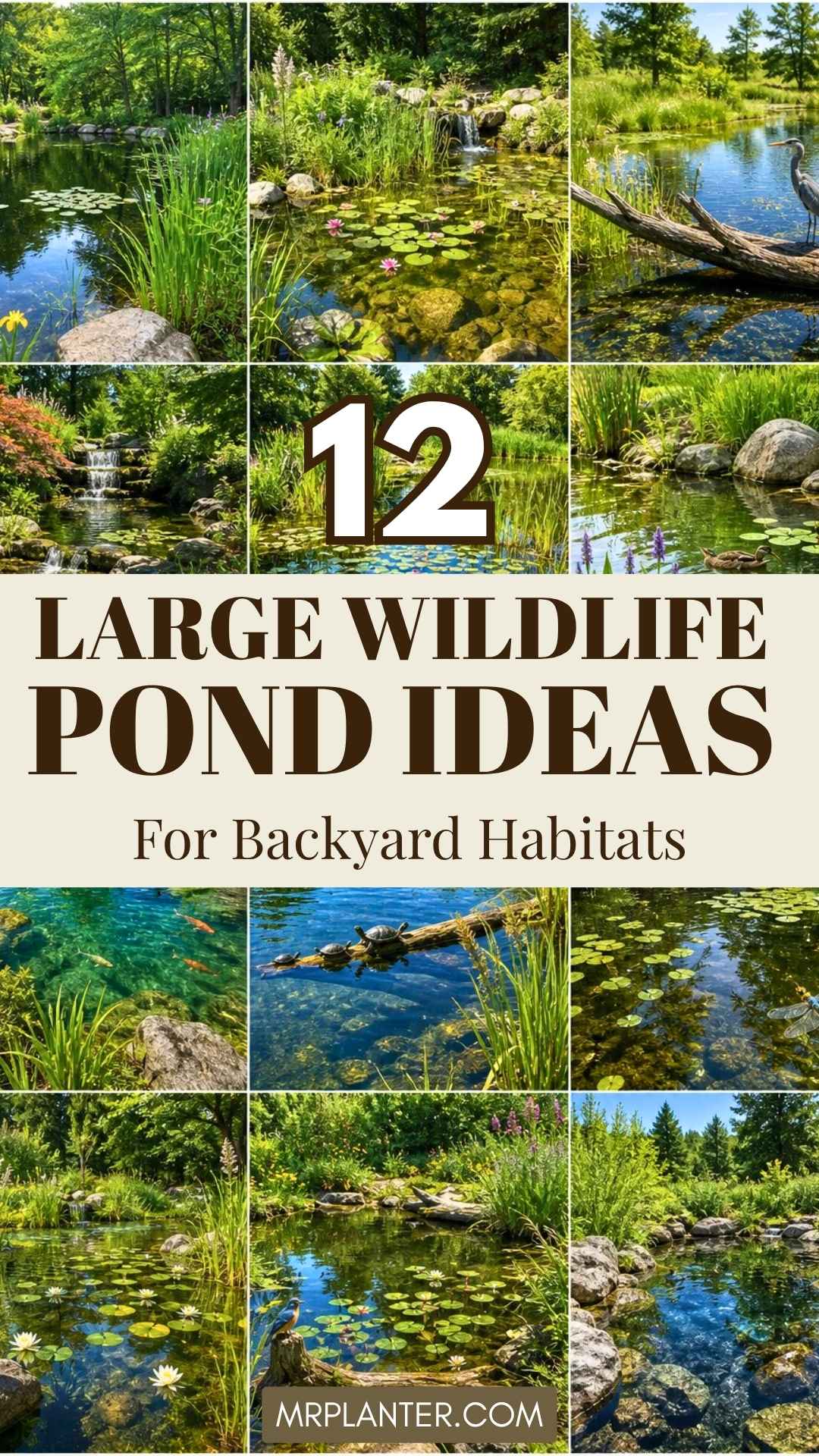
If you are exploring 12 large wildlife pond ideas, you can pick a style that fits your space, your family, and the kinds of creatures you want to welcome.
1. Organic-Shaped Pond With Curved, Sloping Beaches
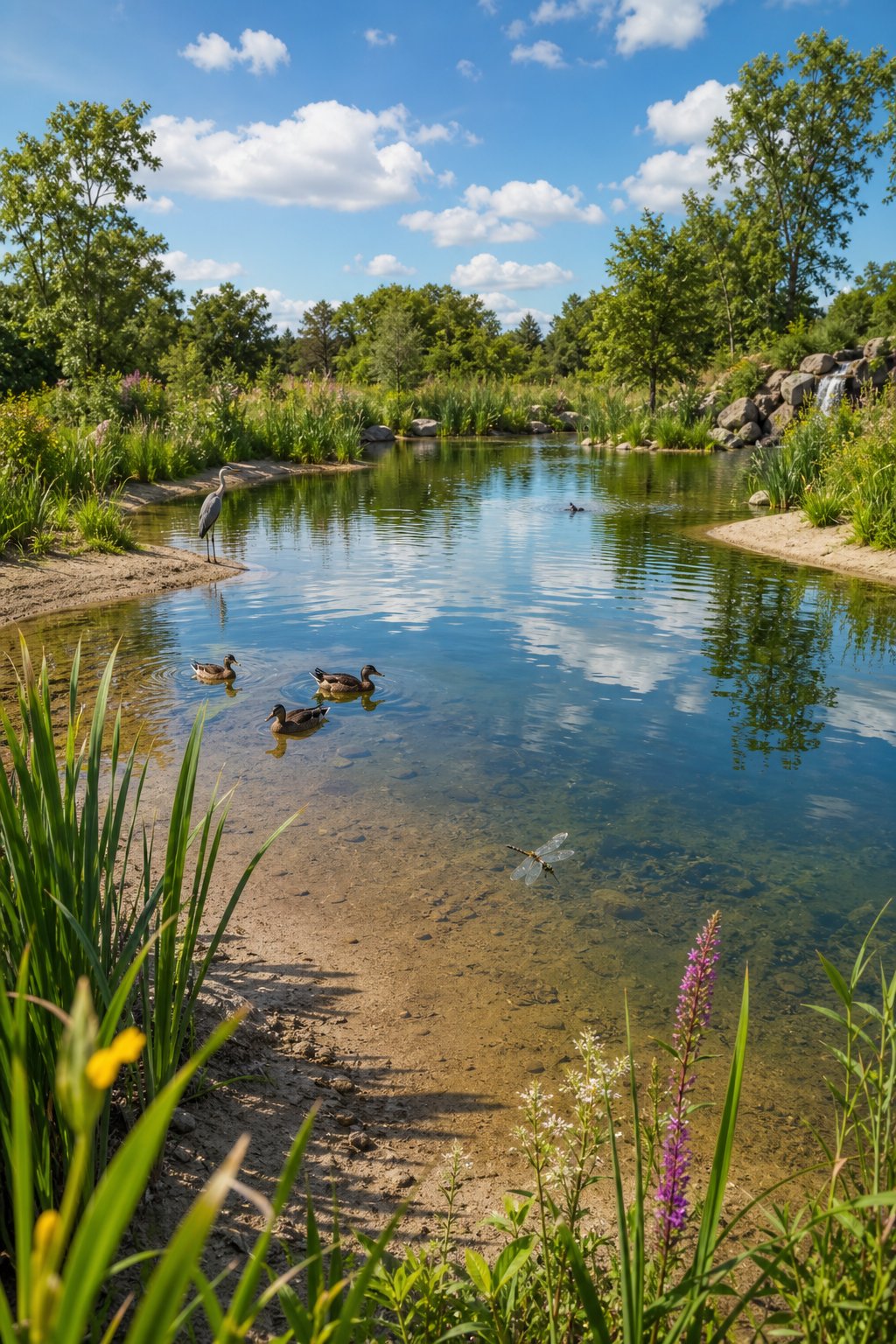
A straight-edged pond can feel a little stiff, like it’s wearing a tie to a picnic. Curved shorelines look more natural and give frogs, birds, and insects plenty of spots to use.
A sloping beach also makes entry and exit easier, which matters more than people think. I like this idea for backyards where you want the pond to feel calm and open.
Use sand, gravel, or fine stone to create soft edges, then add a few clumps of native plants near the bank. That mix gives you a relaxed look and helps wildlife feel safe.
Expert Tip From MrPlanter: “Keep the slope gentle enough that a small animal can walk in and out without a struggle. A few planted pockets near the beach help the edge feel natural instead of bare.”
2. Natural Stone-Edged Pond With Native Marginal Planting
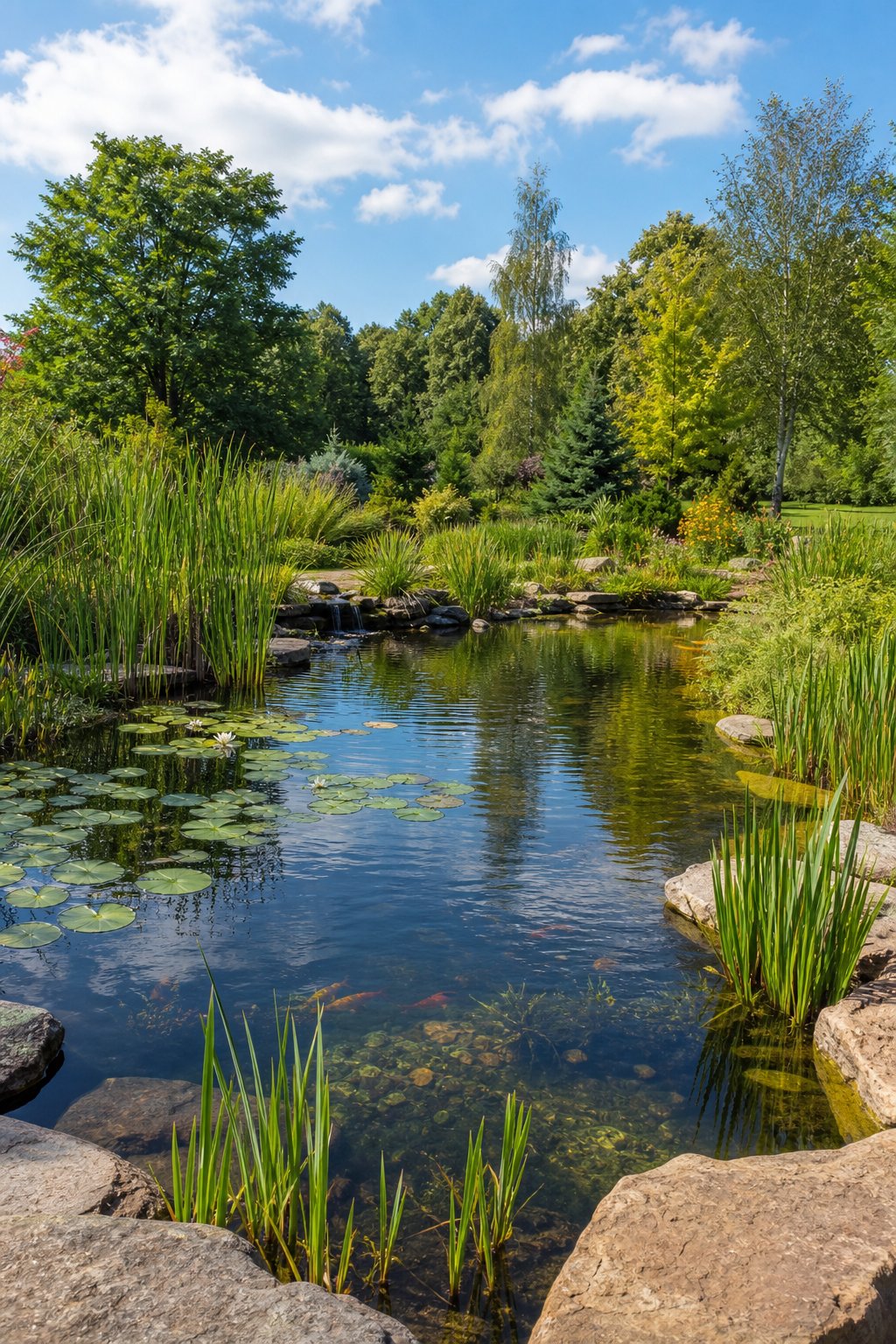
A stone edge does not have to look stiff or fancy. If you use irregular stones and tuck native marginal plants around them, the pond starts to feel like it grew there on its own.
Birds love the open edge, and insects love the plant cover right beside it. This works well in front yards and side yards because the stones give structure without feeling heavy.
Pick plants that suit your region and can handle wet feet, then mix in a few lower stones so wildlife can rest near the water. You get a clean look that still feels alive.
Expert Tip From MrPlanter: “Use stones of different sizes so the edge does not feel flat. Leave small gaps for plants to spill through, since wildlife likes soft places more than perfect lines.”
3. Large Wildlife Pond With A 2-Foot Deep Refuge Zone
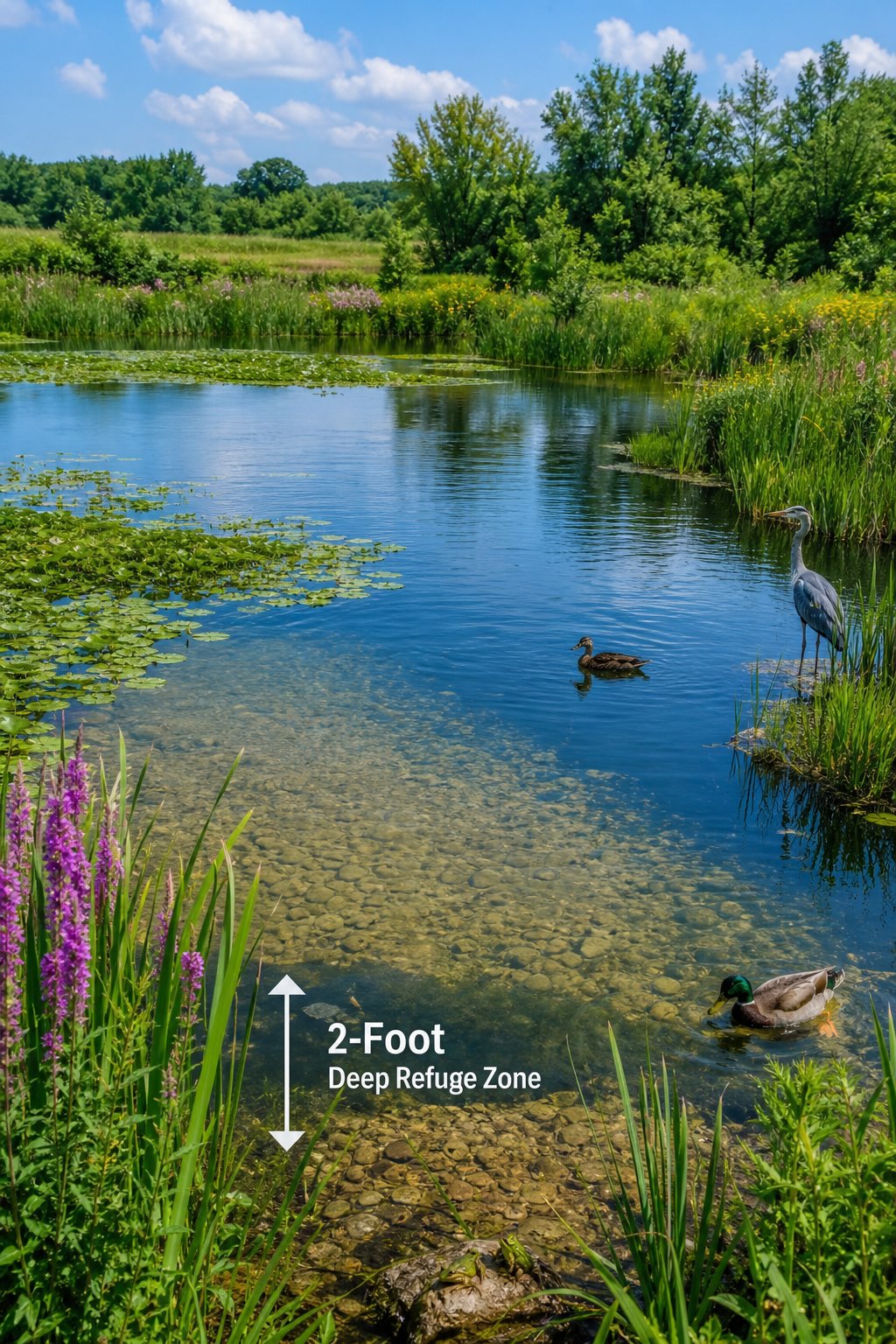
A deeper zone can make a pond friendlier, not less friendly. A 2-foot refuge area helps the water stay steadier through heat and cold, and it gives fish, tadpoles, and other pond life a place to retreat.
It also helps the pond feel less like a puddle and more like a habitat. You can pair that deeper pocket with shallow edges for drinking and landing.
That mix is handy in a backyard habitat because different animals need different water depths. Ponds with one deeper area and lots of shallows tend to stay more useful through the seasons.
Expert Tip From MrPlanter: “Keep the deep zone near the middle so the edges still feel safe for birds and insects. Add plants around it so the water does not feel too open or empty.”
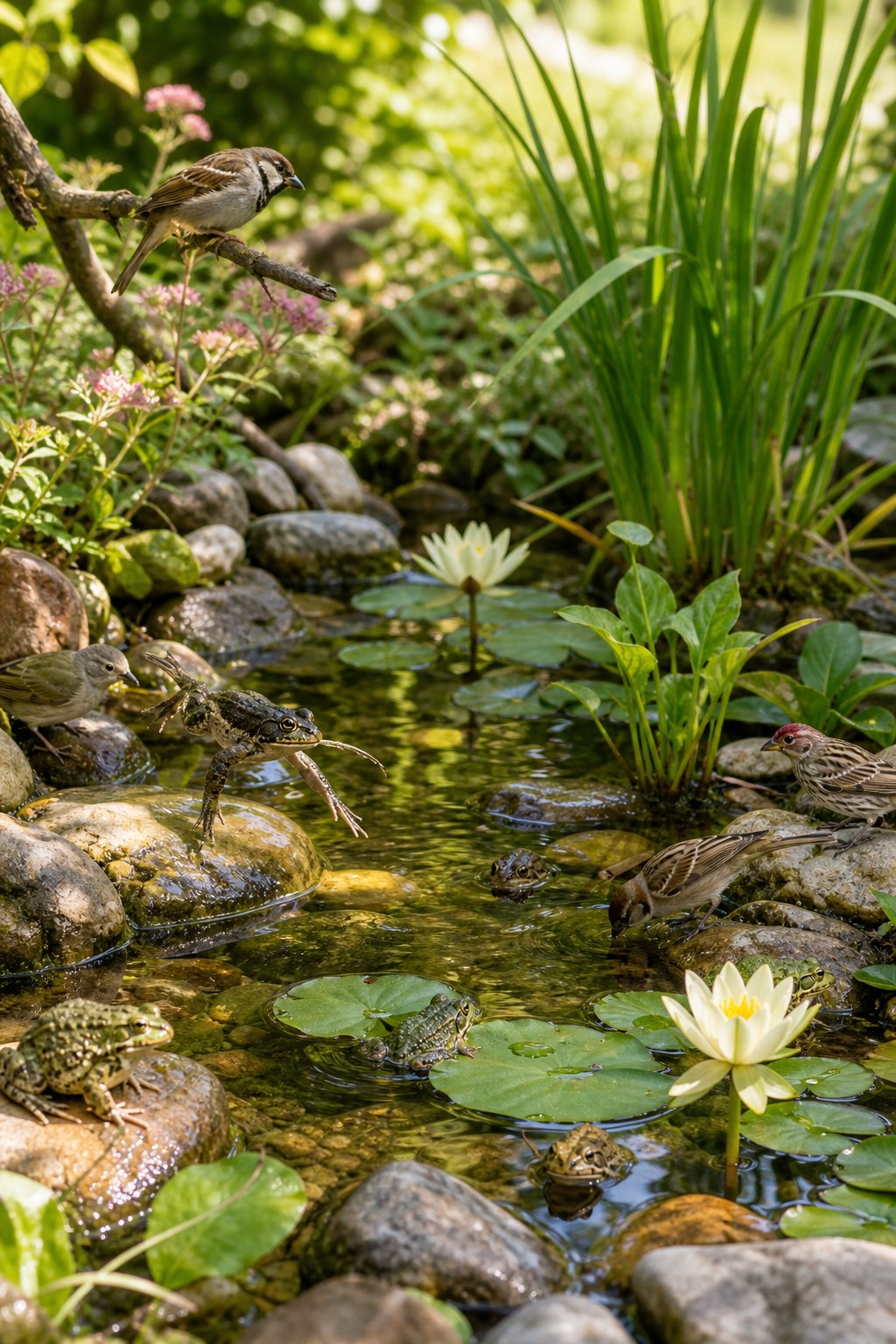
4. Shallow Shelf Pond For Frogs, Toads, And Drinking Birds
If your pond is too deep everywhere, the small stuff gets left out of the party. A shallow shelf solves that by giving frogs, toads, and birds a safe spot to stand, rest, and drink.
It also makes the pond feel more active because you can see more life at the edge. This idea works well near patios or garden seating areas.
Keep the shelf wide enough for a bird to land and a frog to hop, then plant a few low natives nearby for shade. A couple of flat rocks on the shelf can turn into favorite perch spots fast.
Expert Tip From MrPlanter: “Make the shelf broad, not skinny, so animals can use it without feeling crowded. A few stones with warm sun in the morning can become tiny wildlife magnets.”
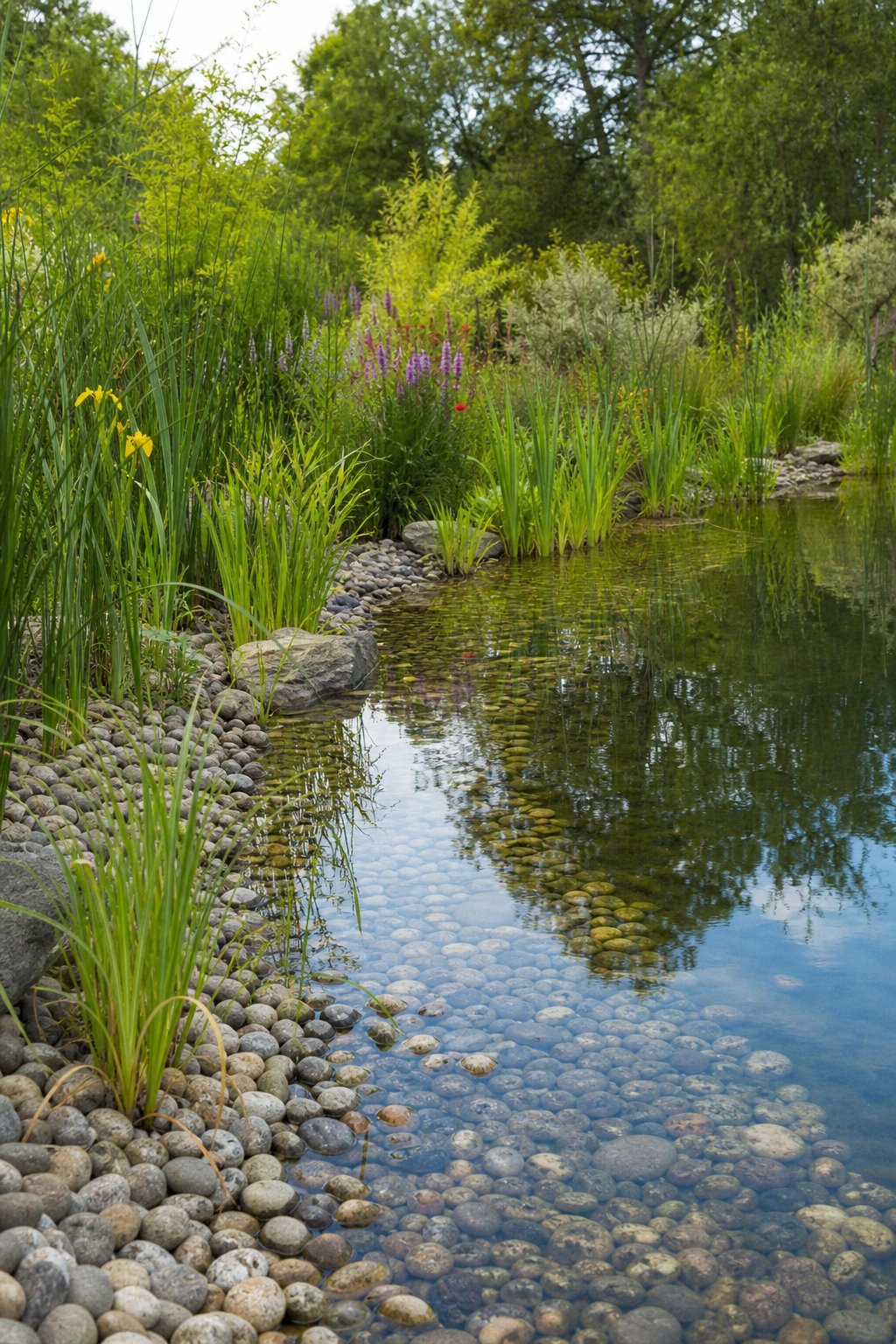
5. Pond With A Pebble Bog Margin And Marsh Plant Zone
The pebble margin is the pond’s welcome mat, and the marsh plants are the friendly neighbors waving from the porch. This setup gives you a soft transition from water to land, which wildlife uses for cover and feeding.
It also helps the pond look less like a hole in the yard and more like a living edge. Pebbles help stabilize the shoreline, while marsh plants handle the wet zone and create hiding places.
I’d use this near a lawn edge or open garden bed where you want a natural bridge between spaces.
Expert Tip From MrPlanter: “Mix pebbles with a few larger stones so the edge feels varied and safe. Dense marsh plants near the water can give small animals a place to slip out of sight.”
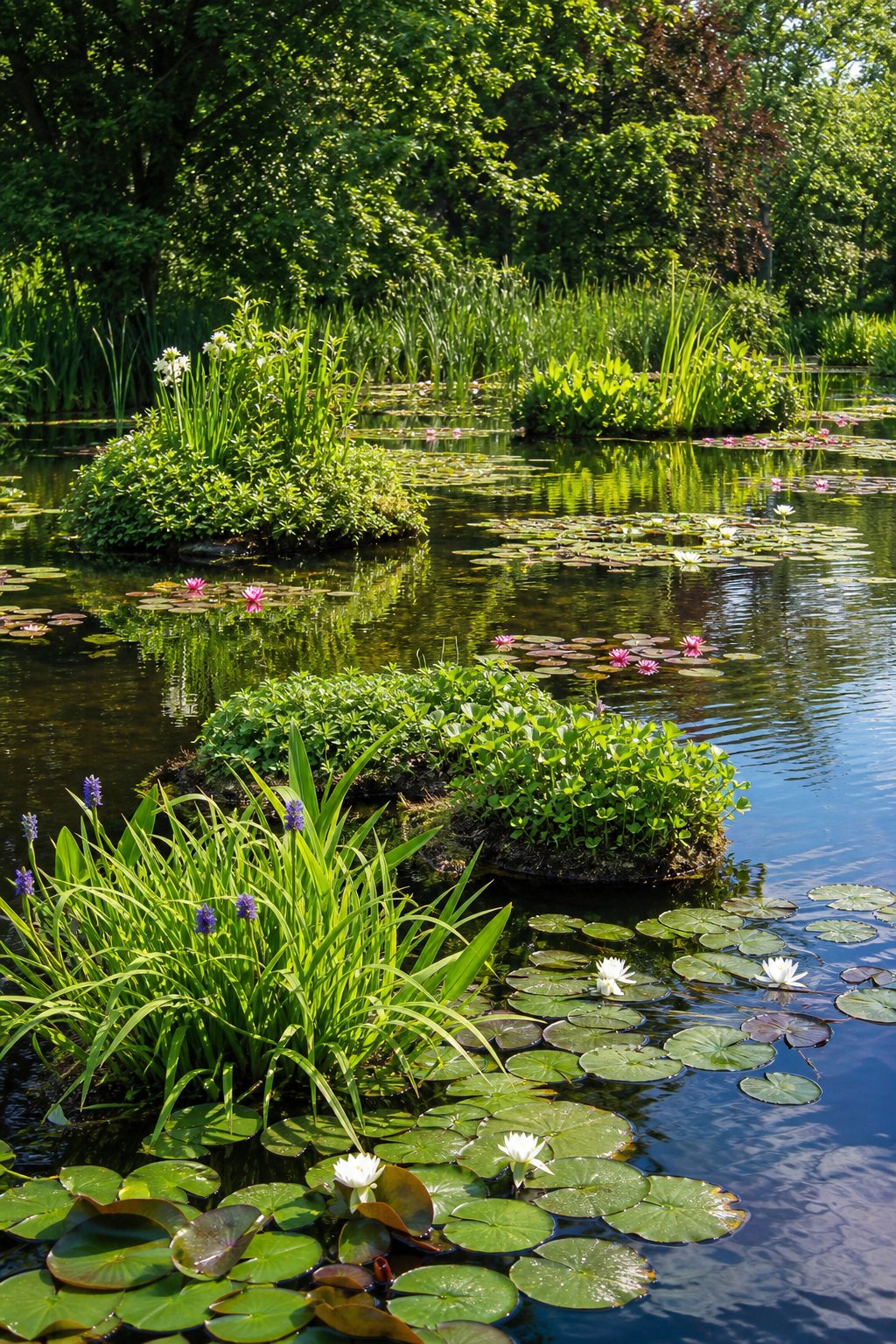
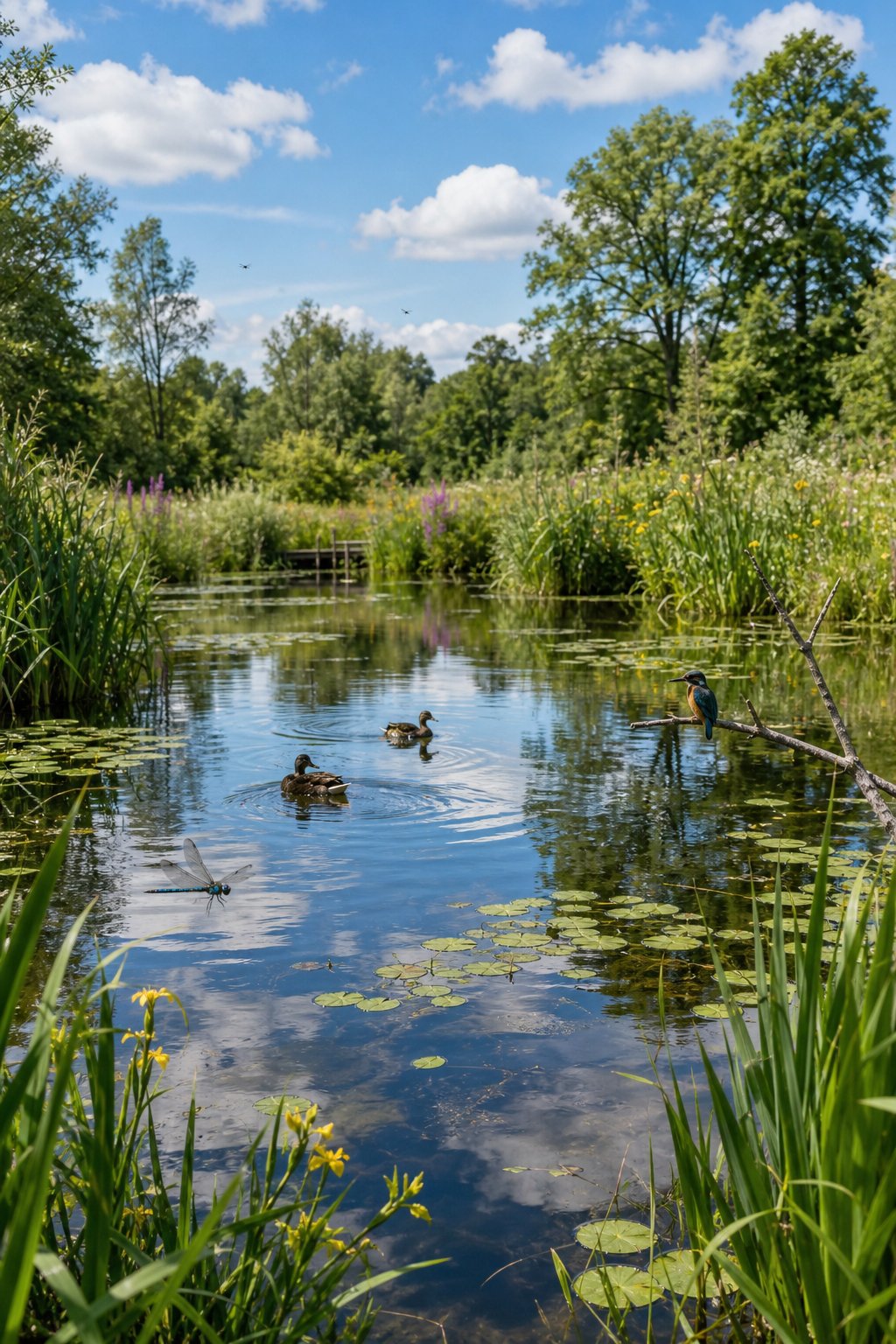
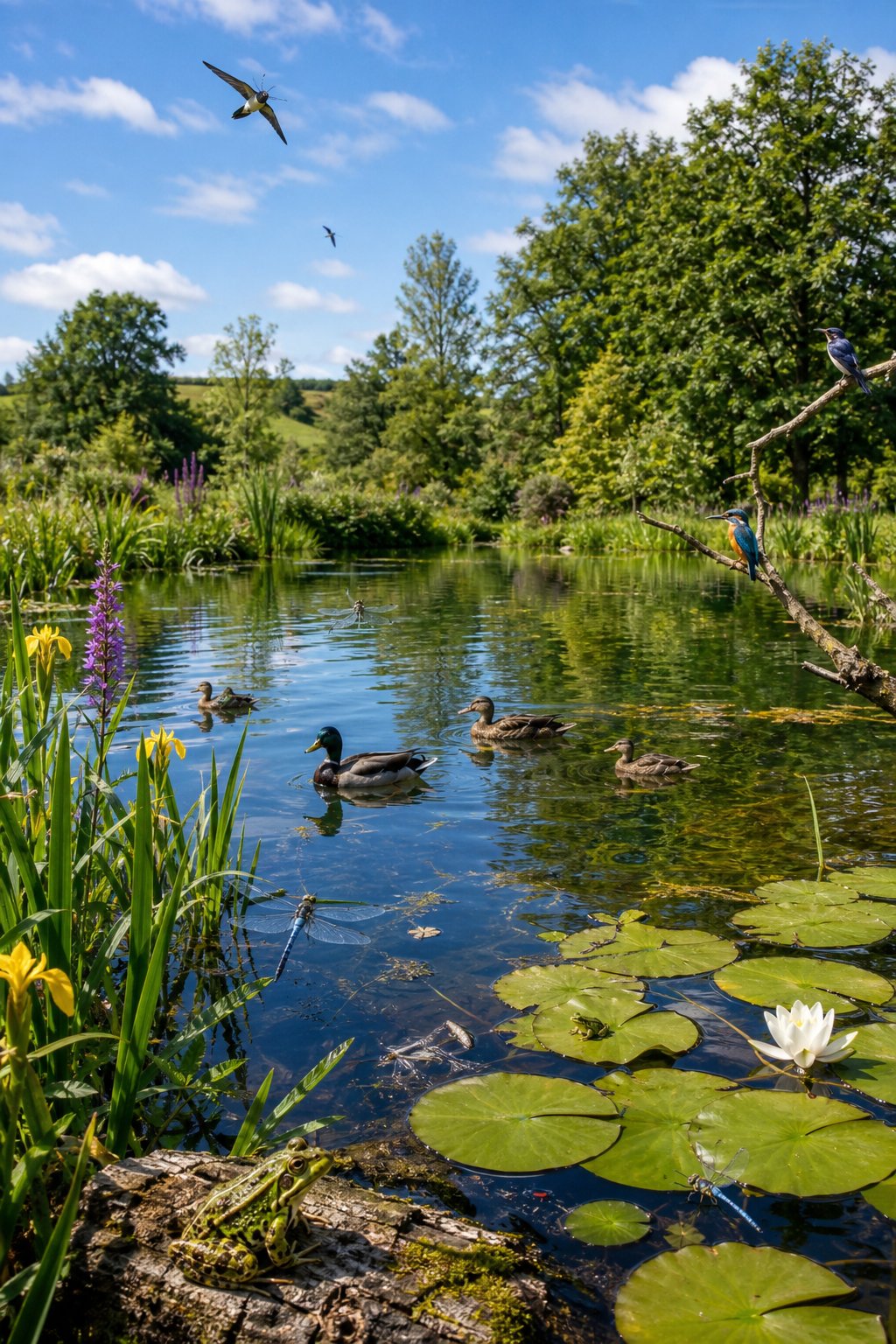
6. Wildlife Pond With Floating Plant Islands And Lily Cover
Floating plants do more than make the pond look pretty. They shade the water, help keep it cooler, and give tiny creatures places to hide.
Lily cover also breaks up the surface, which can make birds feel safer landing nearby. This idea works best if you want a pond that feels lush without packing every inch of the shore with plants.
Floating islands can sit in open water and still leave room for birds to drink and insects to skim across. In a larger yard, that open-and-covered mix looks balanced and lively.
Expert Tip From MrPlanter: “Do not cover every inch of water with floating plants. Leave some open space so birds can land and you can still enjoy the view.”
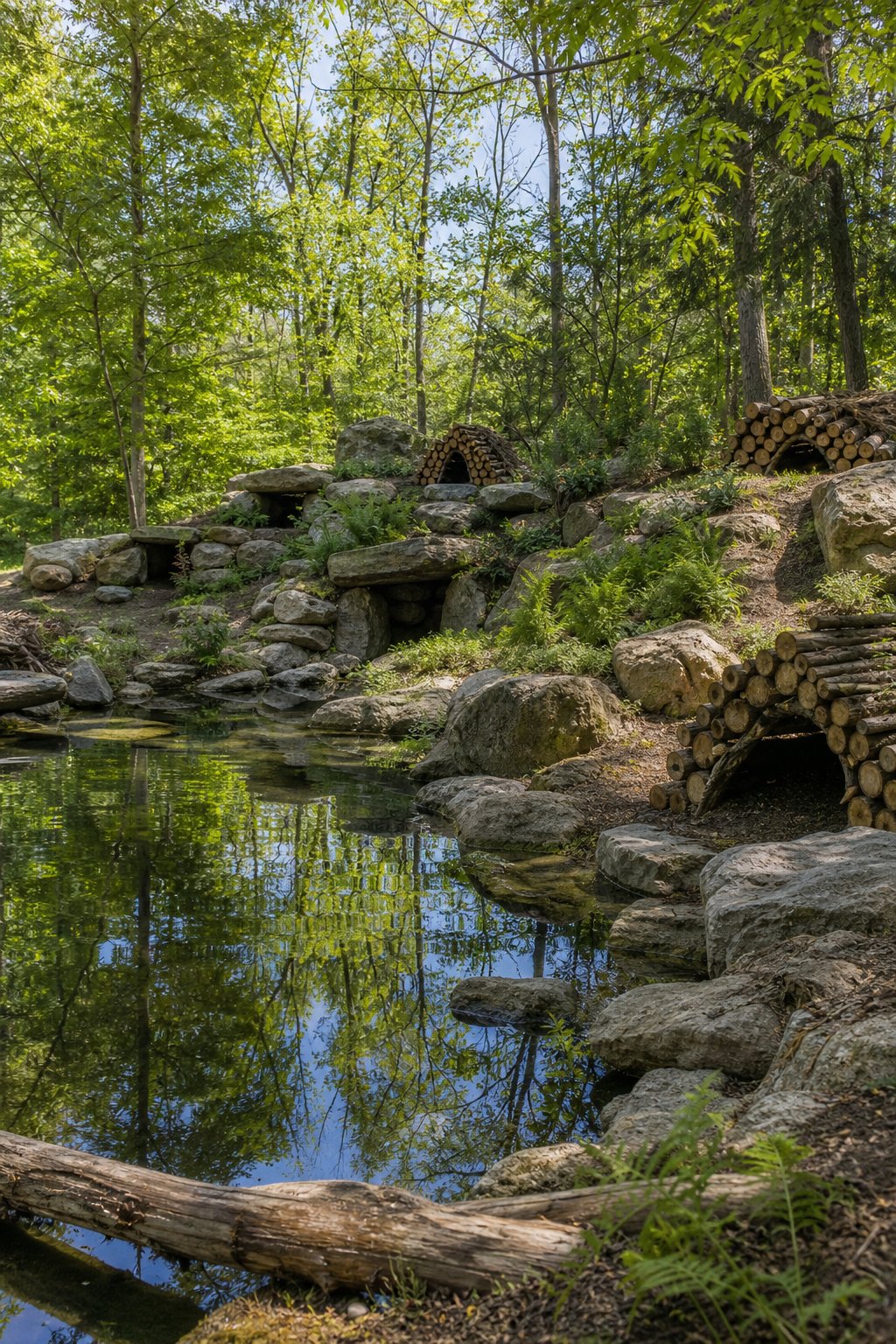
7. Boulder-Lined Pond With Log Piles And Hidden Shelter Niches
A pond does not need to look tidy to look good. Boulders and log piles can make it feel much more natural, and they create little shelters for insects, frogs, and other small visitors.
Those hidden spaces also give the pond a more woodsy feel, which fits many backyard habitats. This is a smart choice if your yard already has trees, shrubs, or a rougher garden style.
Use logs at the outer edge, not where they will block access, and tuck some stones partly into the soil so the pond feels settled. Wildlife will use the cracks and cool spaces almost right away.
Expert Tip From MrPlanter: “Place logs where they can dry a little in the sun but still stay close to the water. Wildlife loves a mix of shade, shelter, and easy access.”
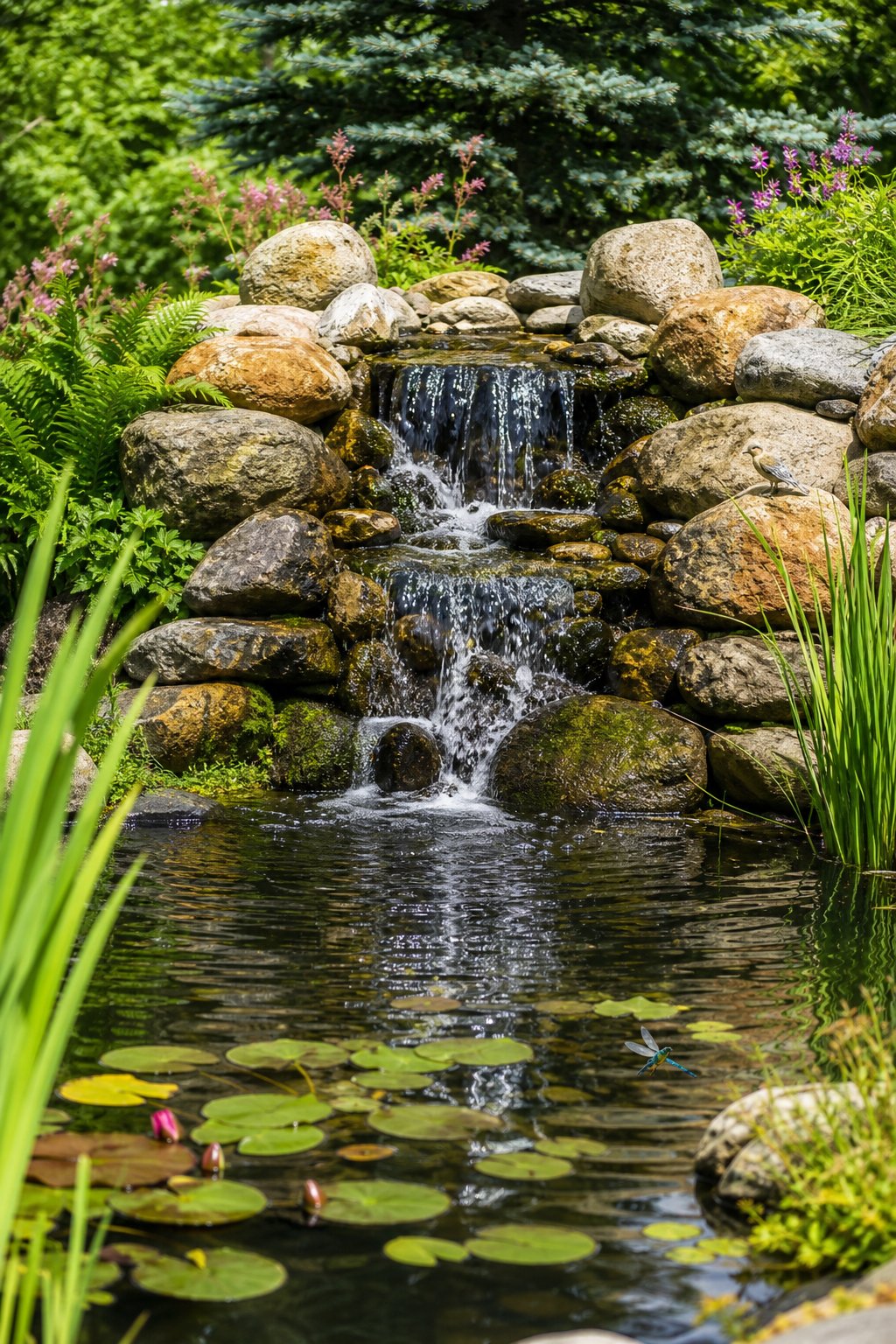
8. Backyard Pond With A Rock Waterfall For Aeration And Sound
Still water can look peaceful, yet feel a little flat if you want more movement in the yard. A rock waterfall adds motion, soft sound, and extra oxygen to the pond.
It also gives birds and dragonflies something to investigate, which makes the space feel busier in a good way. For a backyard habitat, keep the waterfall small enough that it feels natural.
Stack rocks so water trickles over them instead of blasting through, then plant moisture-loving species nearby. The result is calm, not noisy, and much easier to live with near a patio or deck.
Expert Tip From MrPlanter: “Aim for a gentle spill rather than a big splash. A soft flow is kinder to wildlife and more relaxing for you.”
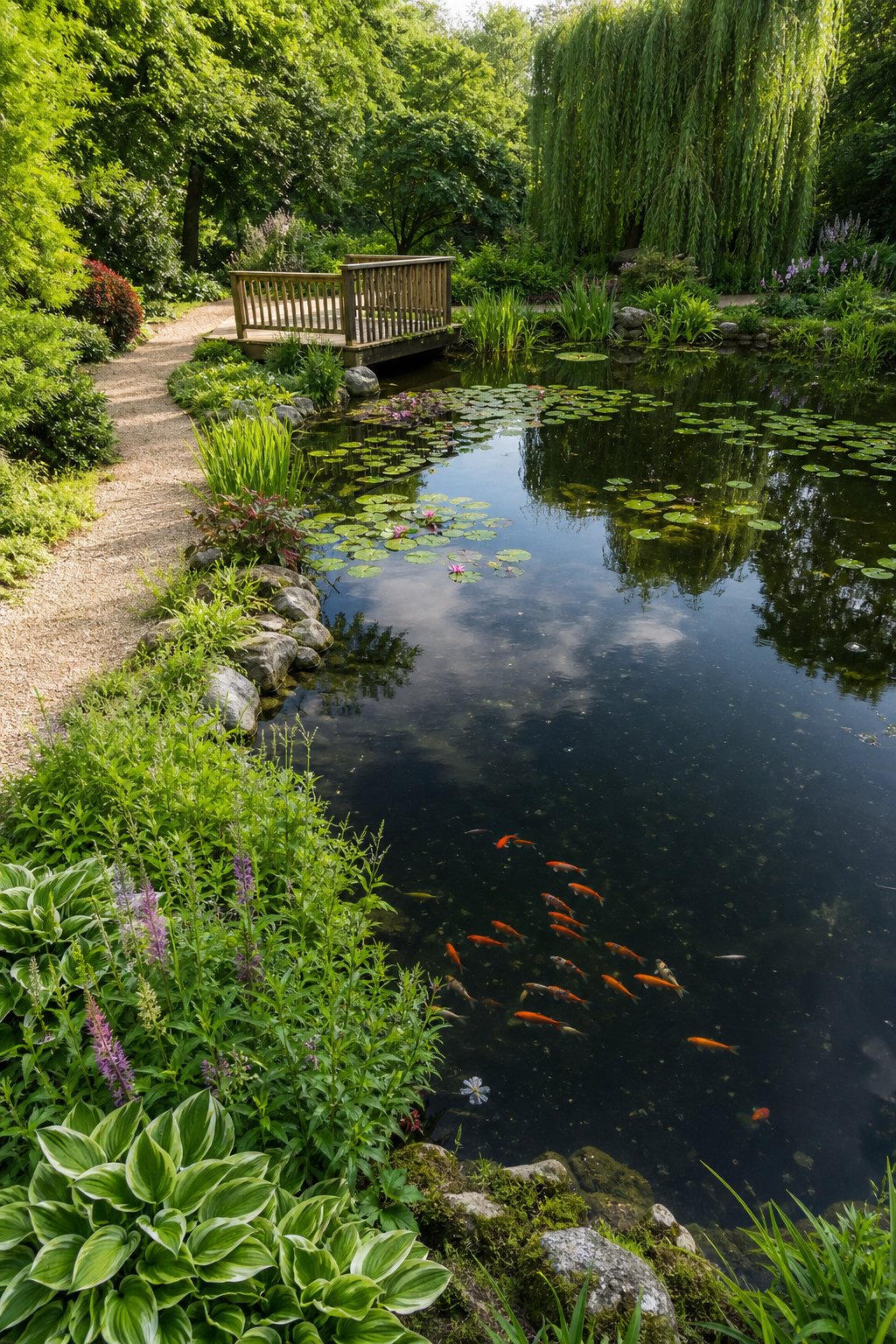
9. Large Garden Pond With A Gravel Path And Viewing Deck
The gravel path is the pond’s polite invitation, and the viewing deck is the front-row seat. This layout makes it easy for you to enjoy the pond without trampling the planting areas.
It also gives the garden a finished feel while leaving the water itself natural. Keep the deck a little back from the water so wildlife still has quiet space, then use the path to guide people in safely.
A simple route can make the whole area feel more welcoming.
Expert Tip From MrPlanter: “Set the deck where you can see both the open water and the planting edge. That way you get a good view without crowding the habitat.”
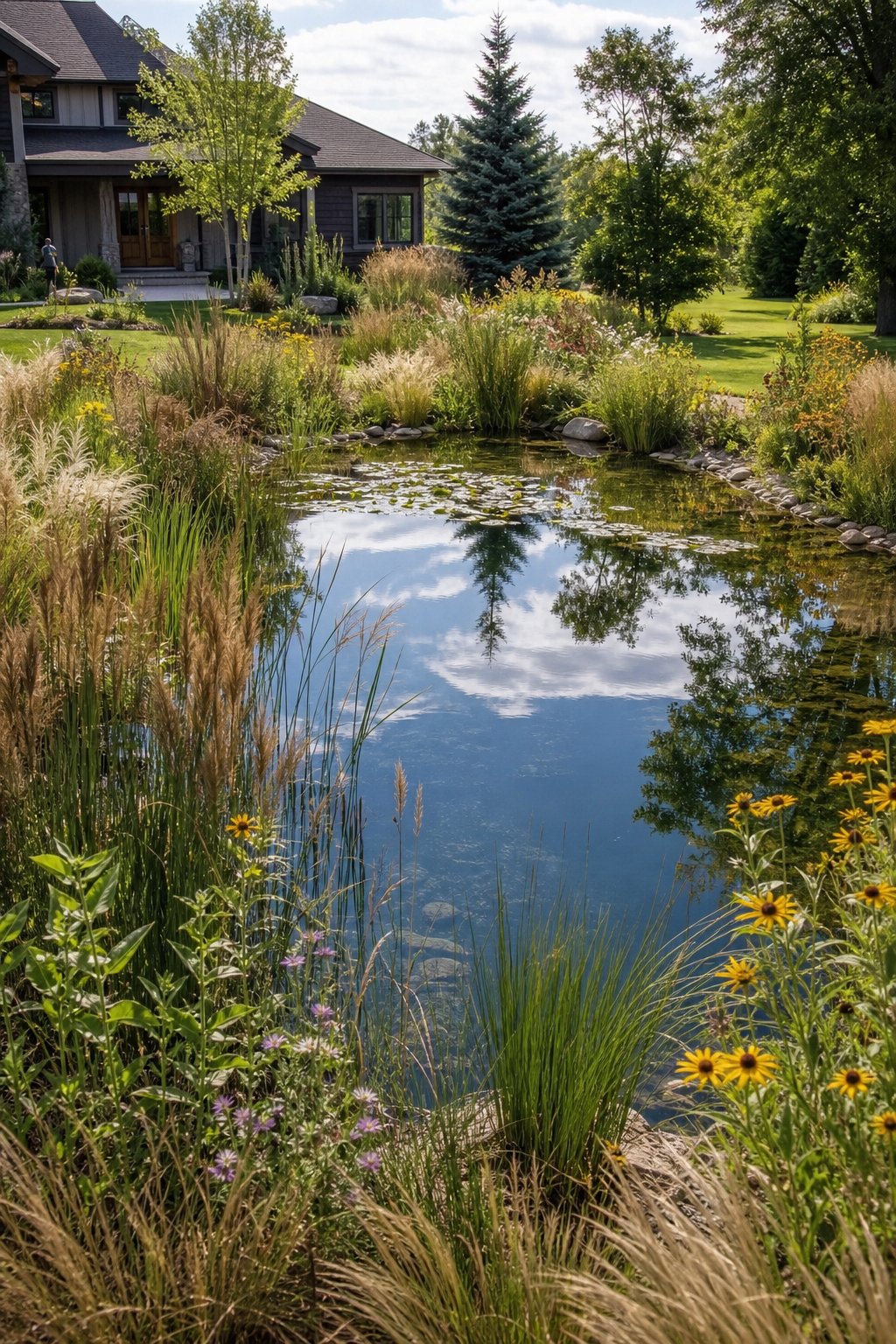
10. Front Yard Wildlife Pond Framed By Meadow-Style Native Grasses
A front yard pond can be both friendly and practical if the edges stay open and clean. Meadow-style native grasses soften the view from the street while still letting the pond feel wild enough for birds and insects.
The grasses also sway in the wind, which adds a lot of life with very little effort. I like this for homes where you want curb appeal without a formal look.
Keep the grass groupings varied in height and leave enough open water to show off the pond’s shape. That balance gives you a front yard that feels cared for, not staged.
Expert Tip From MrPlanter: “Use native grasses in repeating clumps so the pond feels planned, not crowded. Keep the waterline visible from the street so the feature reads clearly.”
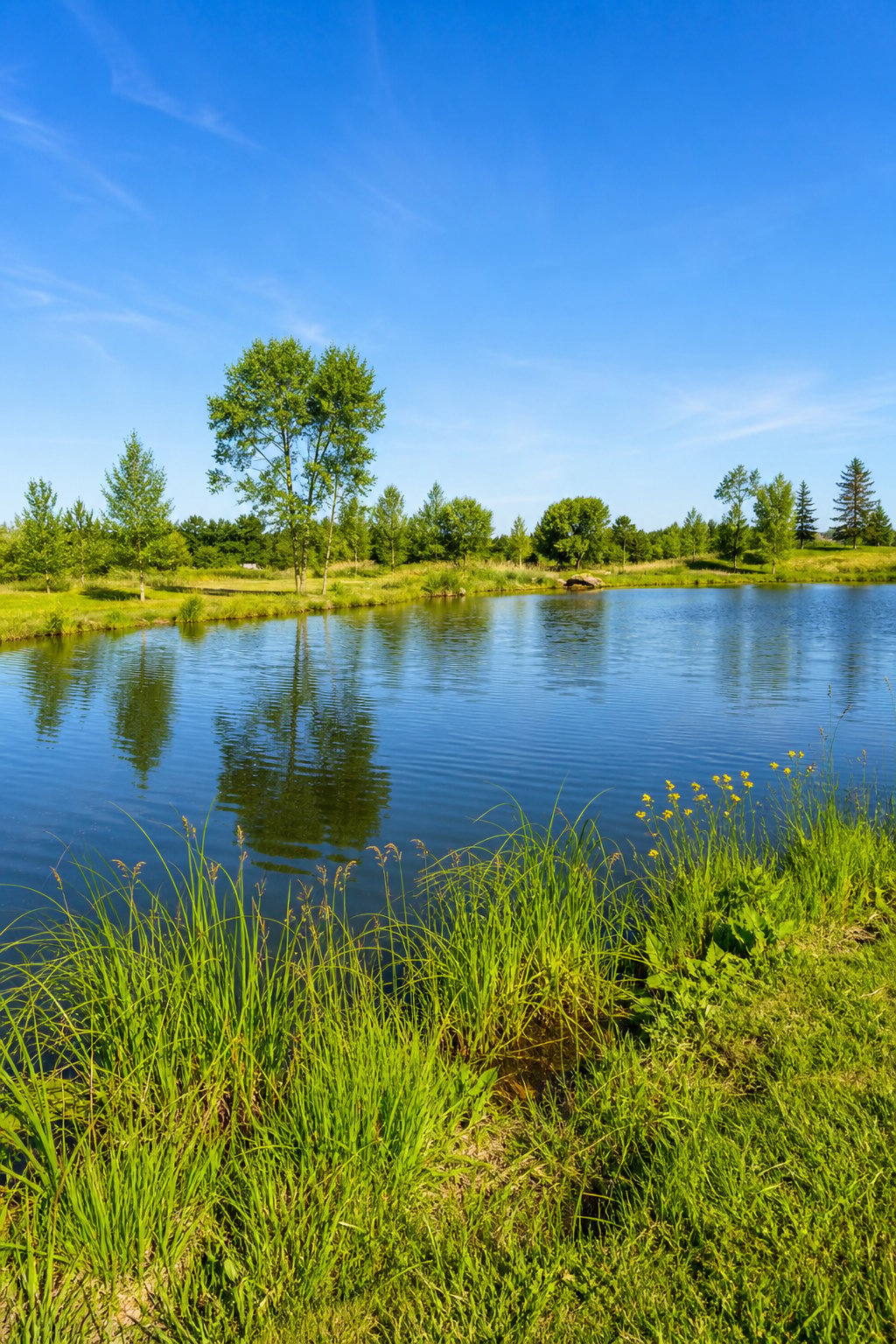
11. Pond Away From Large Trees With Open Sun And Clean Edges
Putting a pond under a big tree does not always help. Leaves, roots, and heavy shade make upkeep harder and clutter the water.
A sunny spot with clean edges often gives you a healthier pond. Plants also grow more easily in these conditions.
You can keep your pond bright and easy to see from the house if you choose an open location. Open sun helps many aquatic plants thrive.
Cleaner edges also make it easier to spot wildlife. Leave room around the pond so you can reach it for care without stepping through mud.
Expert Tip From MrPlanter: “Give the pond morning or midday sun and keep big trees a little away from the liner zone. A clear ring around the water makes care much simpler.”
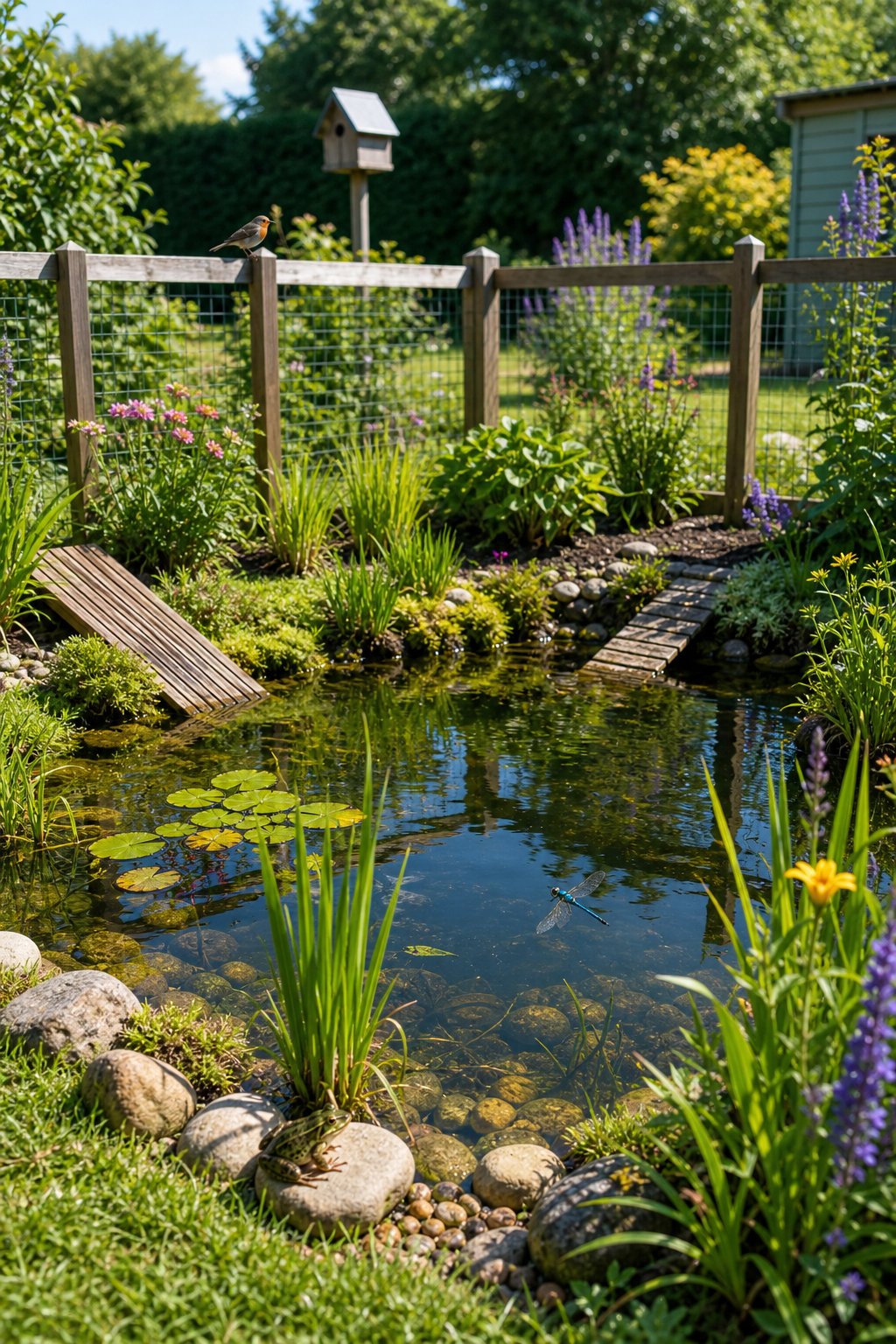
12. Fenced Family Garden Pond With Wildlife-Friendly Escape Routes
Once kids, pets, and wildlife all share the same yard, you need a smart pond setup. A fence gives families peace of mind.
Escape routes like sloped edges, rocks, and planted exits help animals get out safely. That mix lets you enjoy the pond without turning it into a worry spot.
Keep gates latched and avoid steep sides. Use plants or stones that give small creatures a way back to land.
Expert Tip From MrPlanter: “Build at least one gentle exit on more than one side of the pond. That way wildlife has a better chance to leave safely, even if one path is busy.”
How To Choose The Right Large Wildlife Pond Idea
The best pond idea on paper can still be the wrong one for your yard. Start by matching the style to the space you actually have, whether that is a backyard, front yard, or garden corner.
A wide organic pond fits open areas. A smaller framed layout may suit tighter spots better.
If you want less cleaning, use native plants and keep the edges simple. Plan for sun, safe access, and clear viewing spots so the pond feels good for both wildlife and people.
Expert Tip From MrPlanter: “Pick the pond style that fits your yard’s shape before you think about ornaments. A good fit saves work and usually looks better too.”
What Makes A Large Wildlife Pond Successful
Surprising fact: the ponds that feel most natural usually look the least forced.
Organic shape and gentle entry points help wildlife use the pond without stress. They also make the edge look softer from the yard.
A pond that feels easy to enter is also easier for you to enjoy.
Native plants and layered habitat come next. Mix shallow shelves, deeper water, floating plants, and sheltered edges so different creatures can use different parts of the pond.
That depth variety keeps the pond active and interesting through the seasons.
Expert Tip From MrPlanter: “Think in layers, not just in water. A successful pond gives wildlife places to land, hide, feed, and rest at different heights and depths.”
I’m Anirban Saha, the Founder and Owner of MrPlanter.com. I pay the bills as a software developer, although my BTech is actually in Electronics and Communication. I really love my day job, but what gives me energy every day is interacting with my indoor plants and taking care of them. I have been successfully nurturing and maintaining houseplants for over 10 years now.
📚🔍 Our content undergoes thorough review and fact-checking before publication. For additional details, explore our strict Editorial Policy to deliver helpful content. 📝🔒