As an Amazon Associate, MrPlanter.com earns from qualifying purchases.
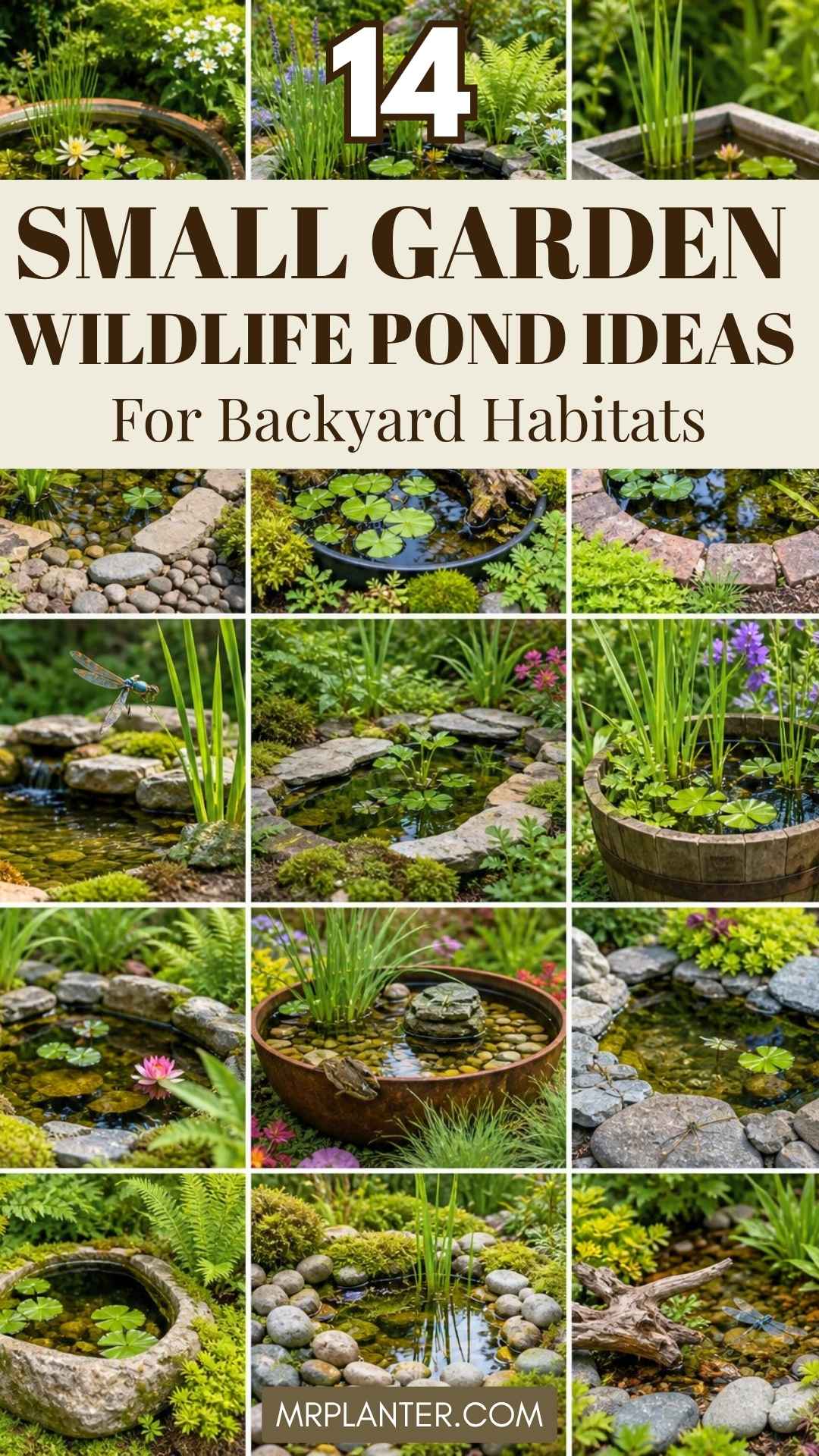
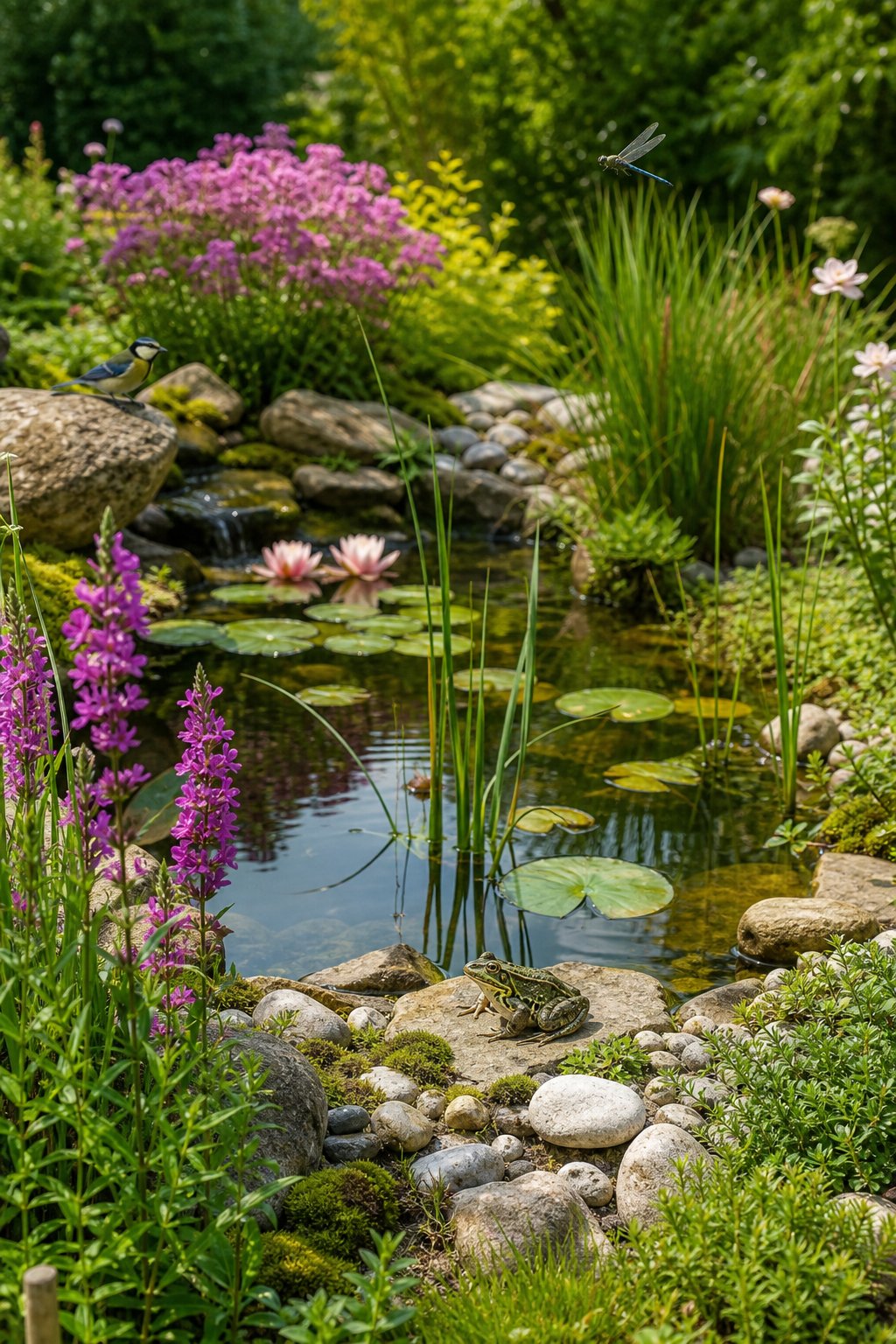
Even a tiny backyard can become a haven for frogs, dragonflies, and birds. You just need the right small garden wildlife pond idea for your space. Whether you’ve got a full flower bed or just a spare corner by the patio, a well-placed pond adds movement, sound, and biodiversity without swallowing your whole garden.
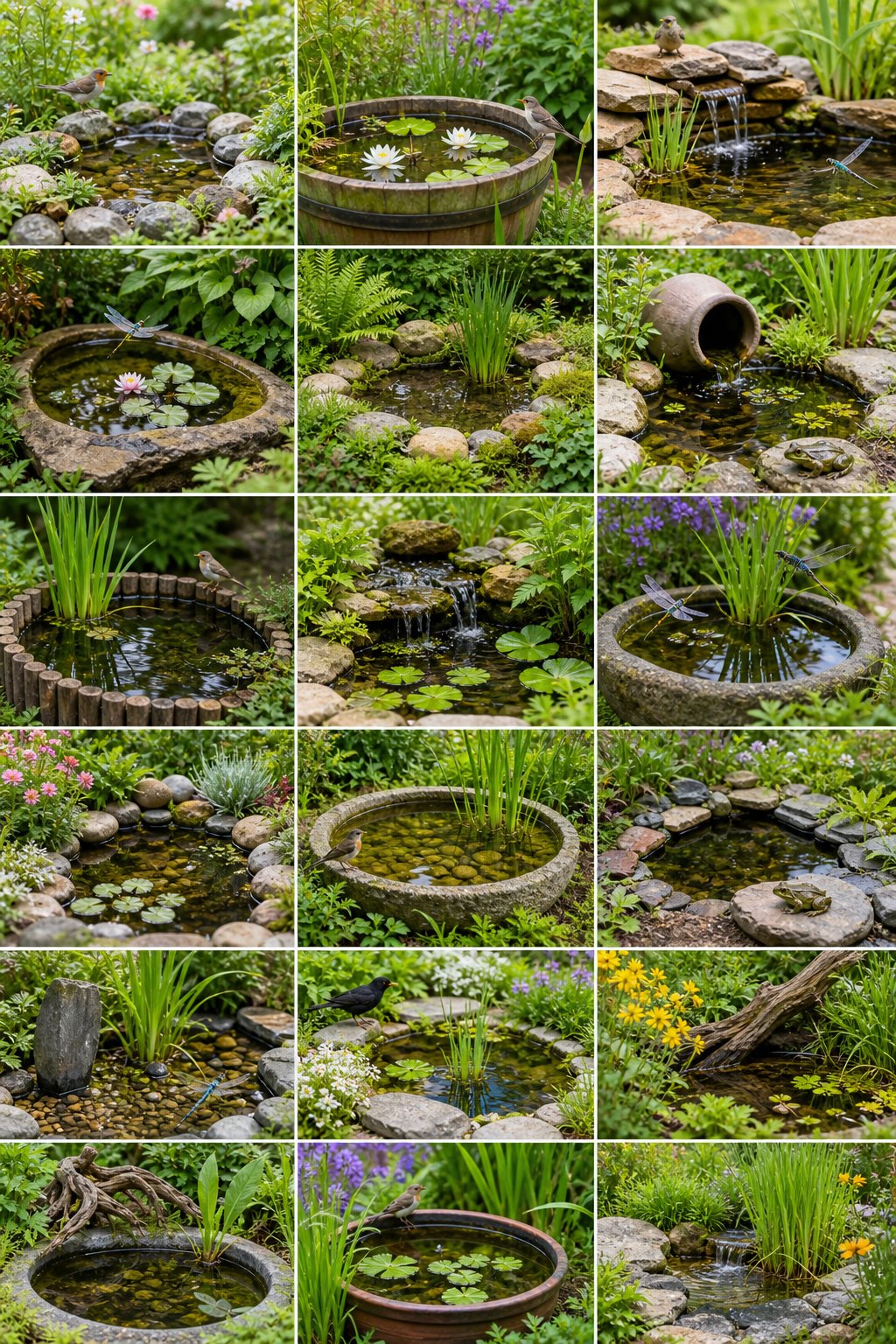
In this guide, we’ve rounded up 14 small garden wildlife pond ideas, from half-barrel ponds to sunken container designs, so you can find one that fits your size, budget, and style. Each idea below includes what makes it wildlife-friendly and how much space it realistically needs.
1. Shallow Beach-Edge Native Wildlife Pond
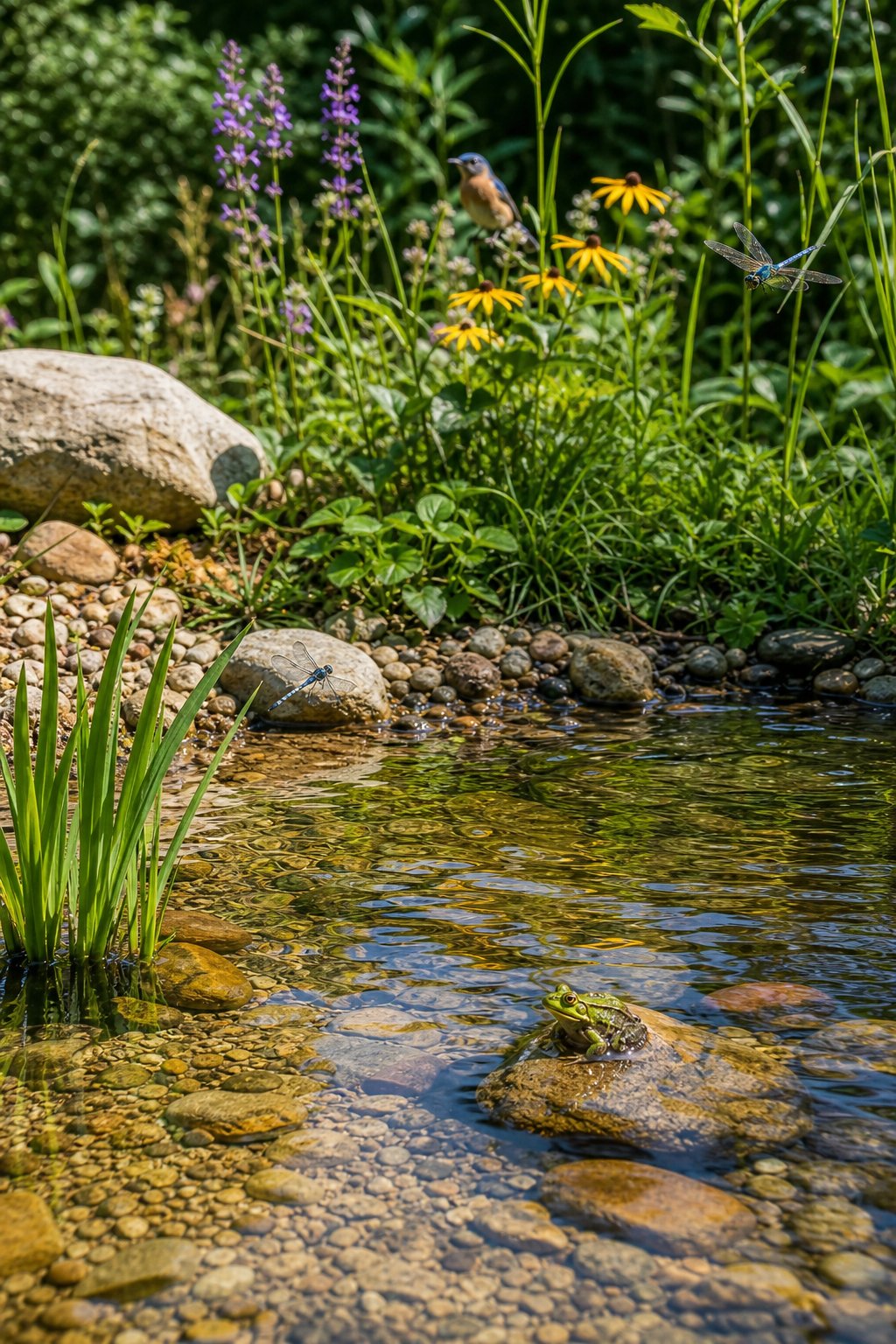
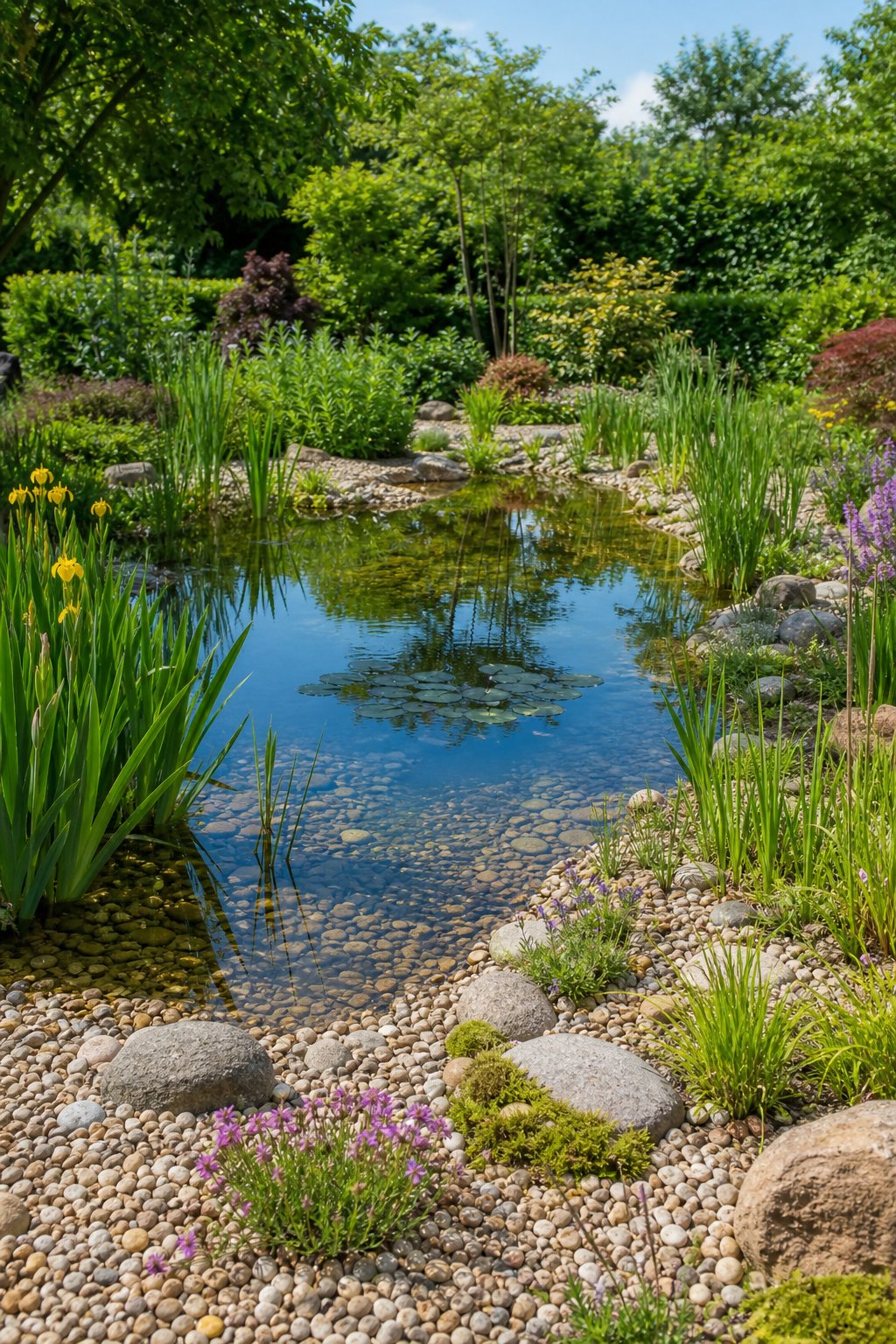
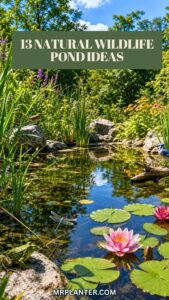
You want a pond that feels natural, not like a tiny swimming pool with trust issues. A shallow beach edge solves that by giving frogs, birds, and insects a gentle place to land and leave.
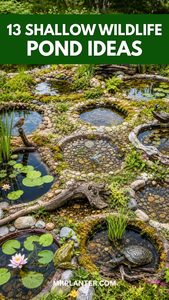
Use native plants along the margin, plus a low slope of pebbles or sand so the water meets the yard softly. This kind of edge looks relaxed and works well in small spaces because it needs less depth and less fuss.
Expert Tip From MrPlanter: “Keep one side extra shallow so small creatures can enter without panicking. A gentle edge also makes the pond look like it belongs there, not like it was dropped from the sky.“
2. Stone-Edged Frog Pond With Lily Pads
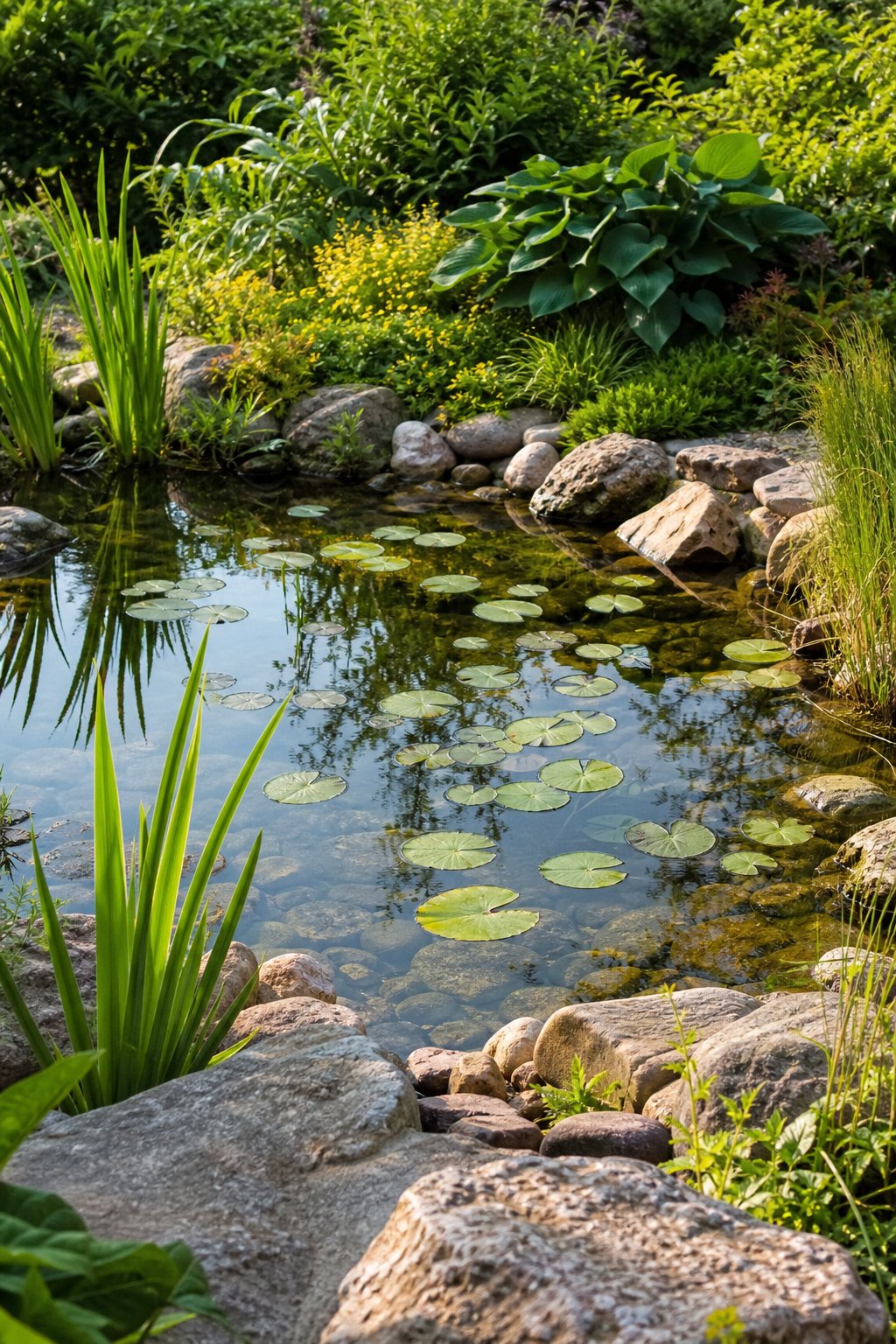
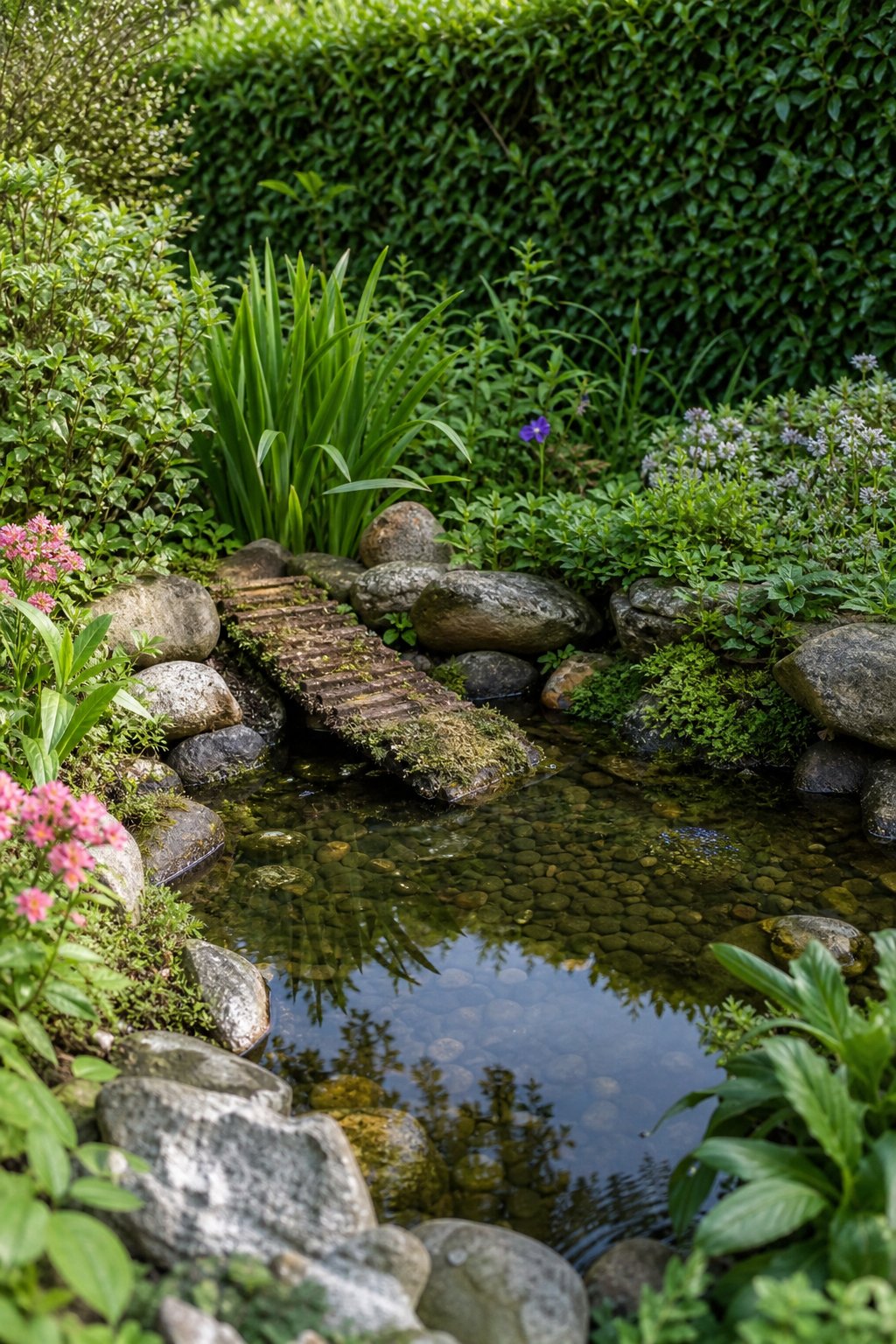
Frogs love a pond that looks a little messy in the nicest way. Stones around the edge give them places to rest, while lily pads add cover and shade.
You can tuck a few flat rocks partly into the water so frogs have easy exit points. This setup also helps the pond feel calm and alive without needing a big footprint.
Keep the lilies from covering the whole surface, so there’s still open water for visiting birds and dragonflies.
Expert Tip From MrPlanter: “Mix smooth stones with a few rough ones for grip. Frogs like easy footing, and you’ll like the way it all looks.“
3. Mini Pond In A Half Whiskey Barrel
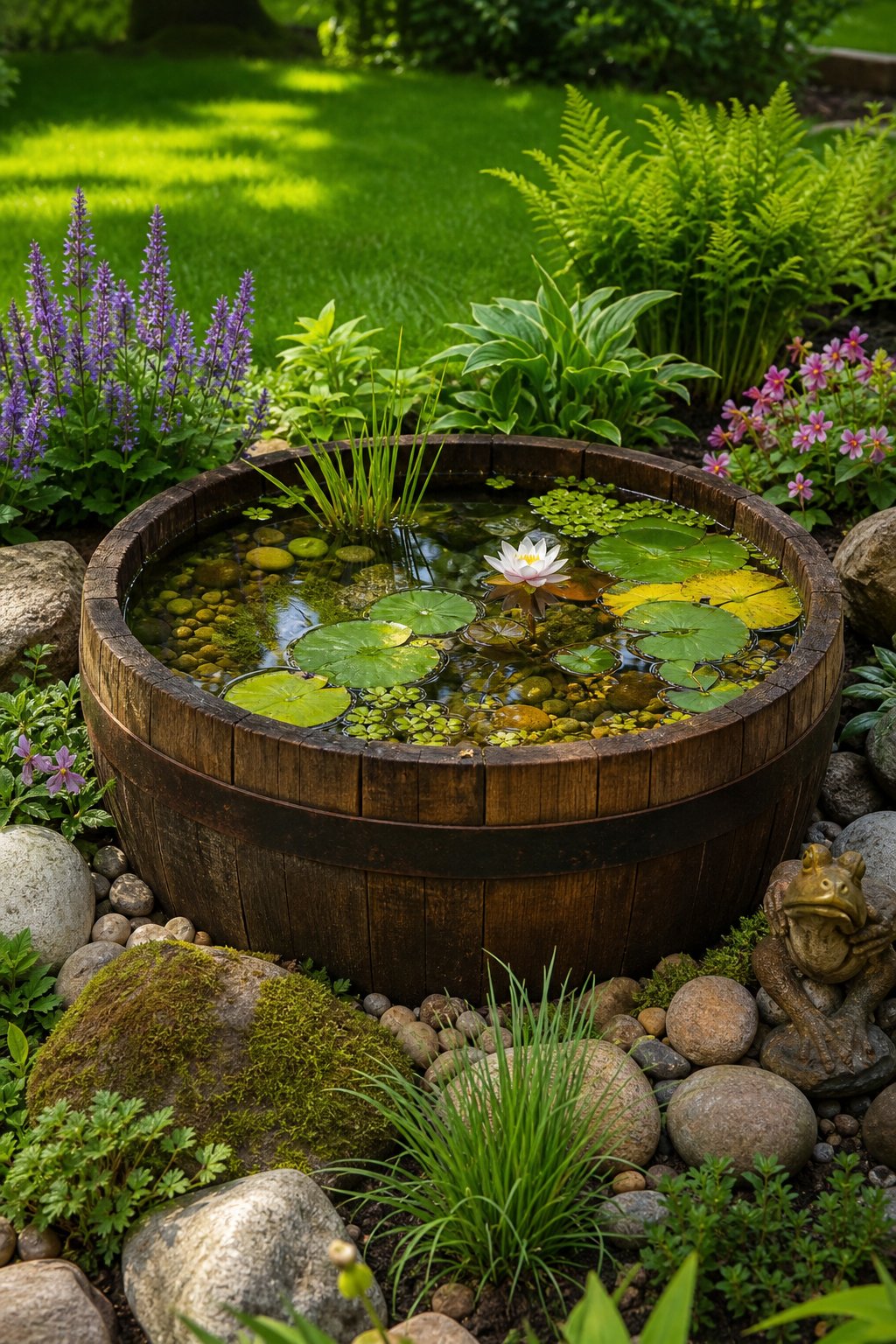
A wildlife pond does not need to be dug deep to matter. A half whiskey barrel can work nicely for a tiny front yard, patio, or side-yard setup.
Line it well, add shallow planting shelves with stones or bricks, then place native marginal plants in baskets so the water stays open. This option is great if your ground is rocky or you rent your home.
Just keep the surface calm and the rim easy for birds to perch on.
Expert Tip From MrPlanter: “Place the barrel where it gets morning sun and afternoon shade. That keeps the water friendlier for plants and less harsh for little visitors.“
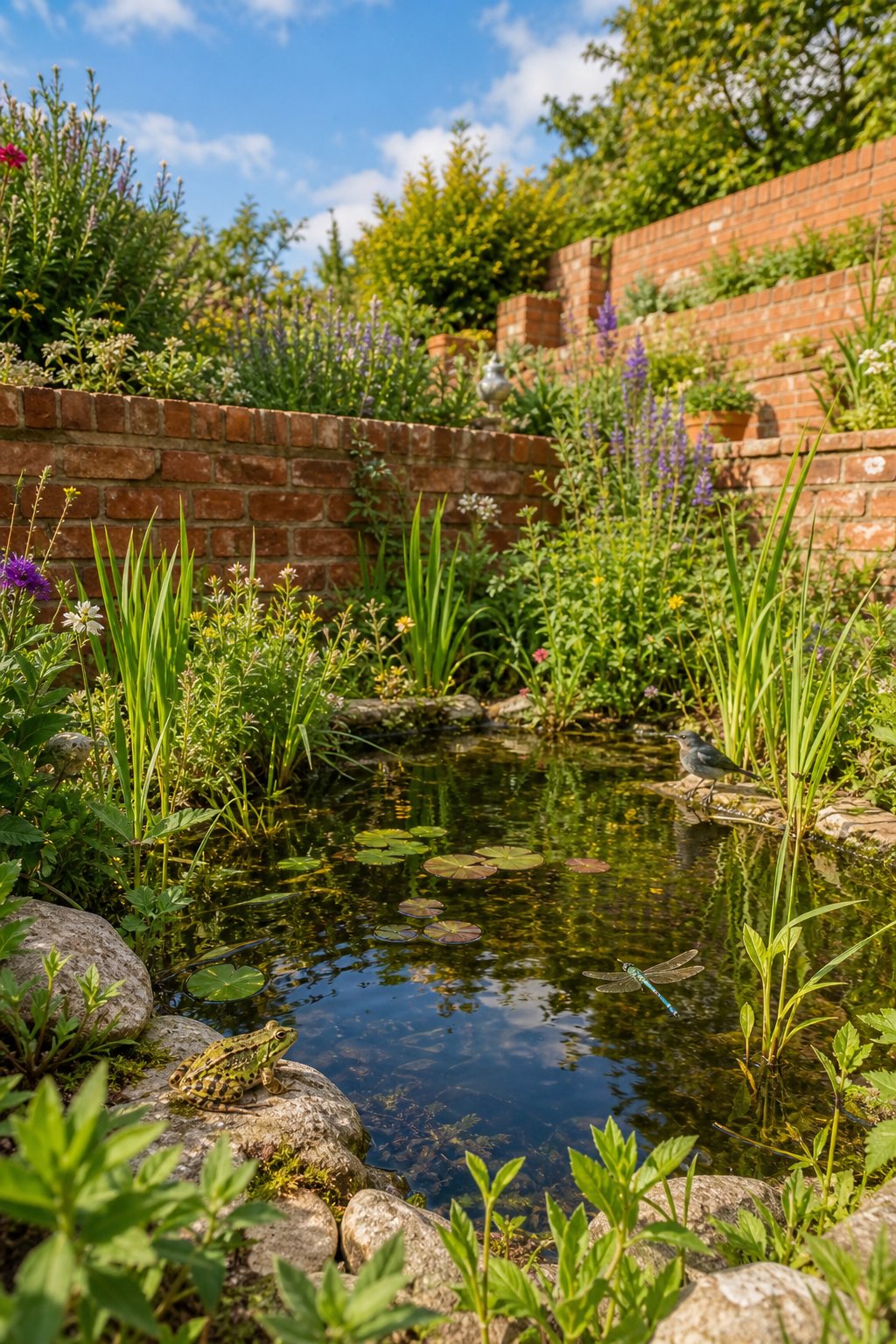
4. Raised Red-Brick Terrace Wildlife Pond
This pond acts like the talkative neighbor who always has a place to sit. Raised red brick gives the water a tidy frame, and it works well near patios or terraces where you want the pond at eye level.
You can soften the hard brick with trailing plants, wildflowers, and a few flat stones that help wildlife climb in and out. A raised edge also helps keep soil from washing in during rain.
If you like clean lines with a bit of wild charm, this one fits nicely.
Expert Tip From MrPlanter: “Break up the brick with plants at the corners. That keeps the pond from looking too formal and gives wildlife softer landing spots.“
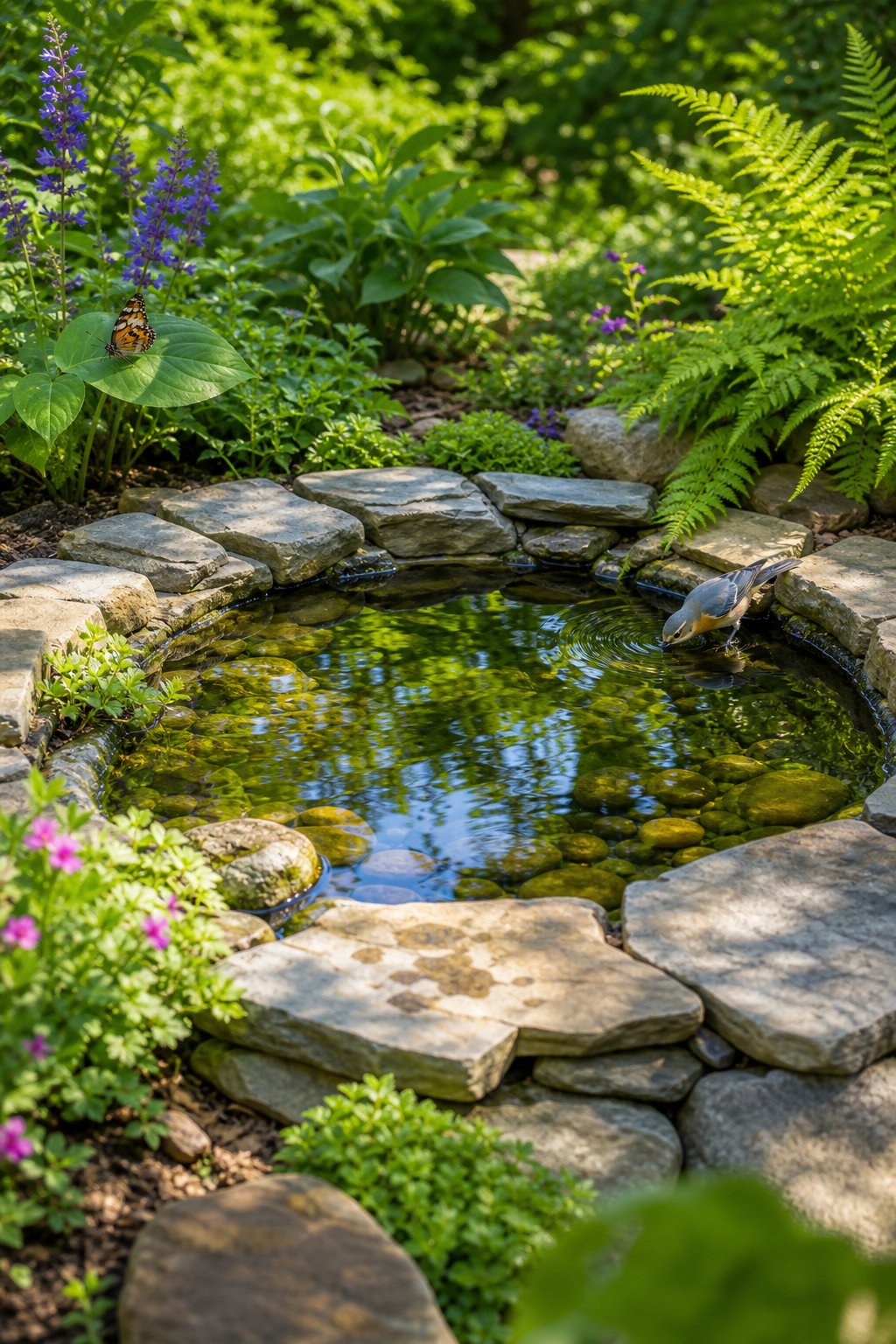
5. Circular Stacked-Stone Patio Pond
Sometimes your yard has just enough room for a pond, but not enough room for drama. A circular stacked-stone design keeps things compact and easy to place beside a patio or seating area.
The stones create ledges for insects, frogs, and thirsty birds, while the round shape gives the pond a soft, friendly feel. Add a few marginal plants in pockets between stones so the edges look lived-in, not stiff.
This style also works well if you want your pond to be a focal point without hogging the whole yard.
Expert Tip From MrPlanter: “Use stones of mixed sizes so the edge looks natural. Big gaps can be risky, so tuck smaller stones in where feet and paws might slip.“
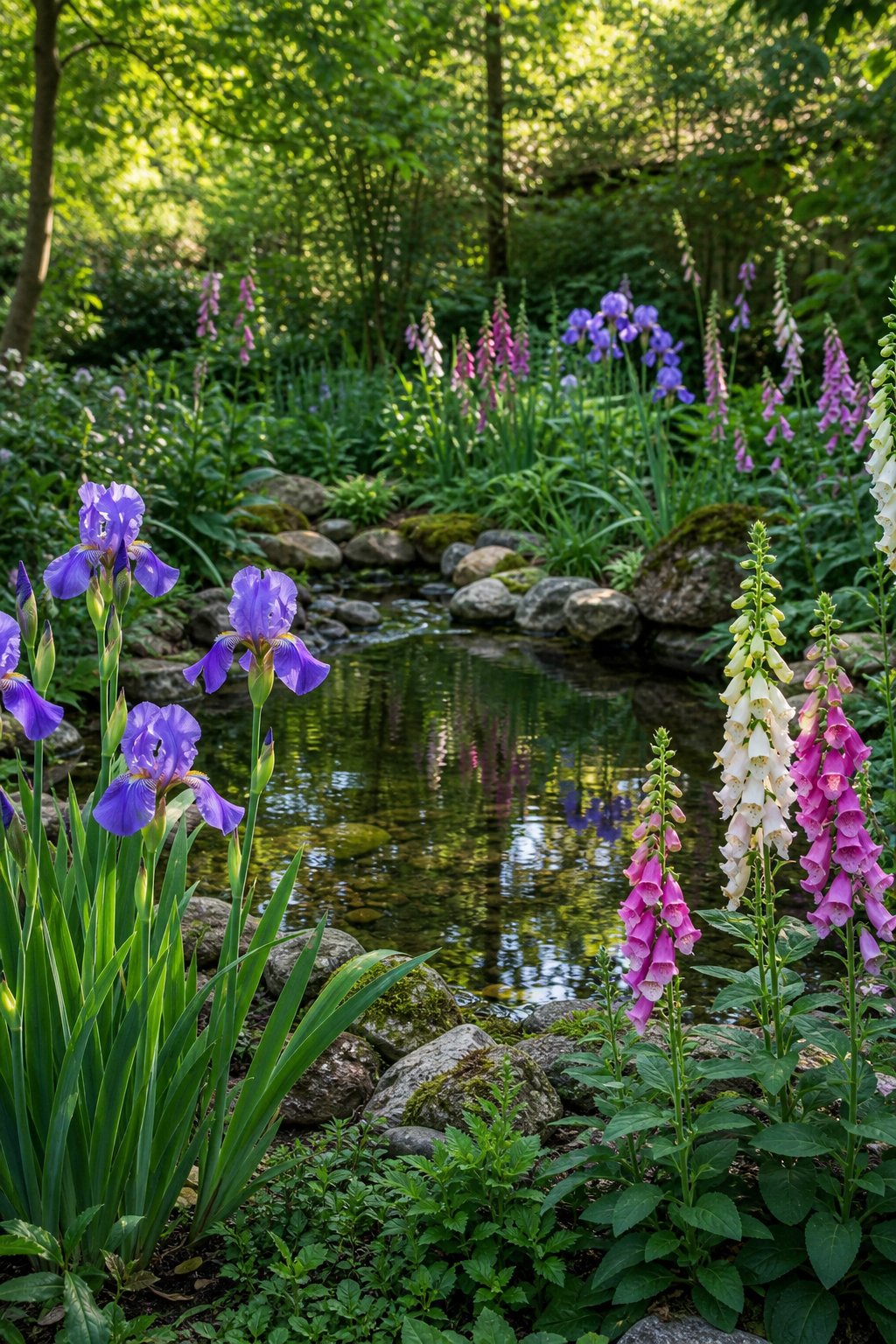
6. Cottage Garden Pond With Iris And Foxglove
A pond can look soft and wild at the same time. Iris and foxglove bring height and color around the water, which makes even a small pond feel fuller.
The trick is to keep the plants dense at the edges and leave a clear opening for wildlife to reach the water. In my experience, this style works best in a sunny border where flowers already have room to lean in.
Expert Tip From MrPlanter: “Plant the taller flowers behind the pond and the shorter ones near the front. That keeps the water visible and gives birds a clear way in.“
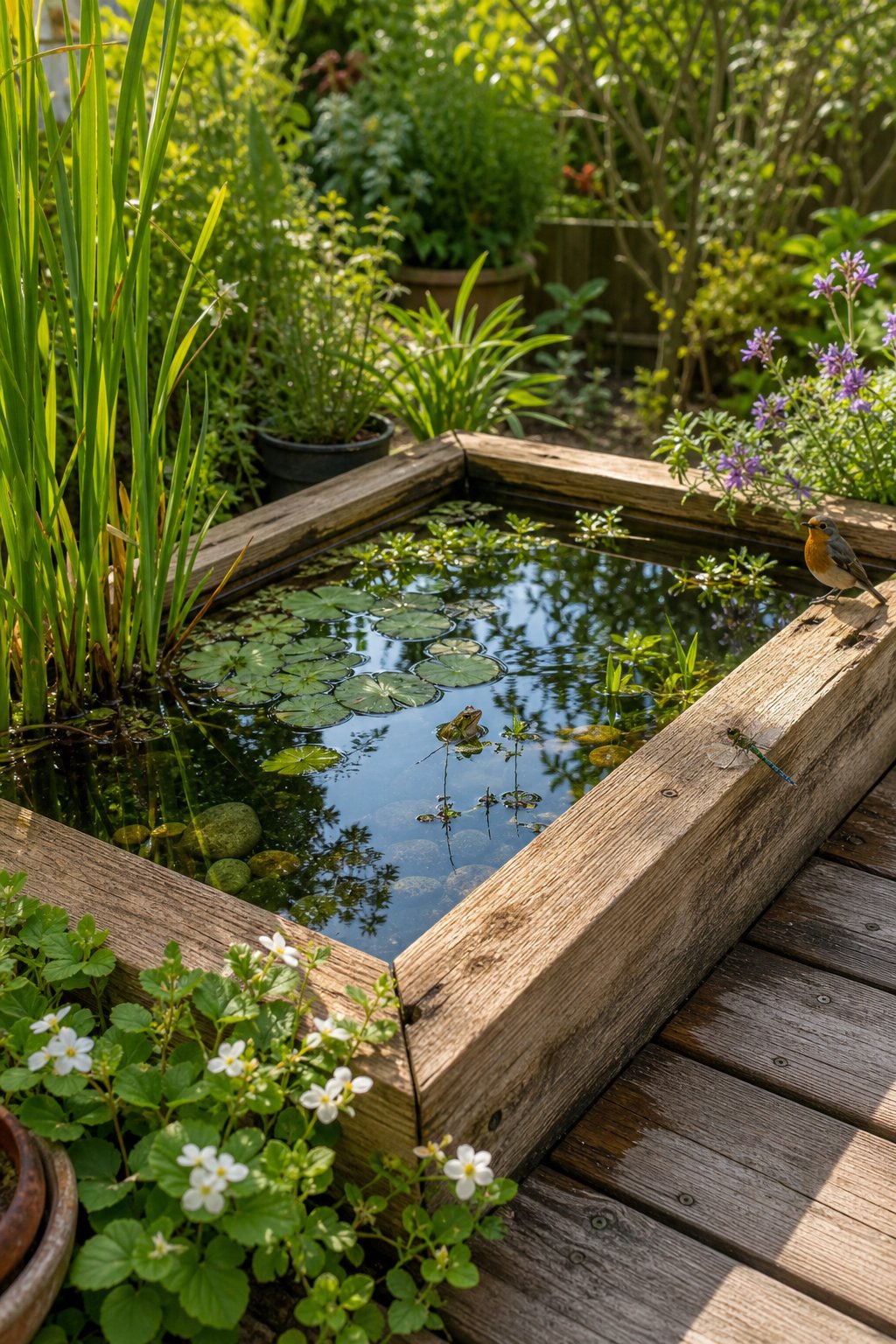
7. Deck-Friendly Reclaimed Timber Box Pond
You don’t need a big yard to give wildlife a water stop. A reclaimed timber box pond can fit into a deck or small seating area and still attract frogs, bees, and dragonflies.
The wood gives the pond a warm, homey look, and the box shape is easy to tuck into tight corners. Add one shallow side with a gentle slope or a stone shelf so creatures can climb out safely.
Keep the timber sealed for water use and inspect it each season.
Expert Tip From MrPlanter: “Use weather-safe wood and keep the inner edges smooth. Tiny visitors need a safe rim, not a splintery adventure.“
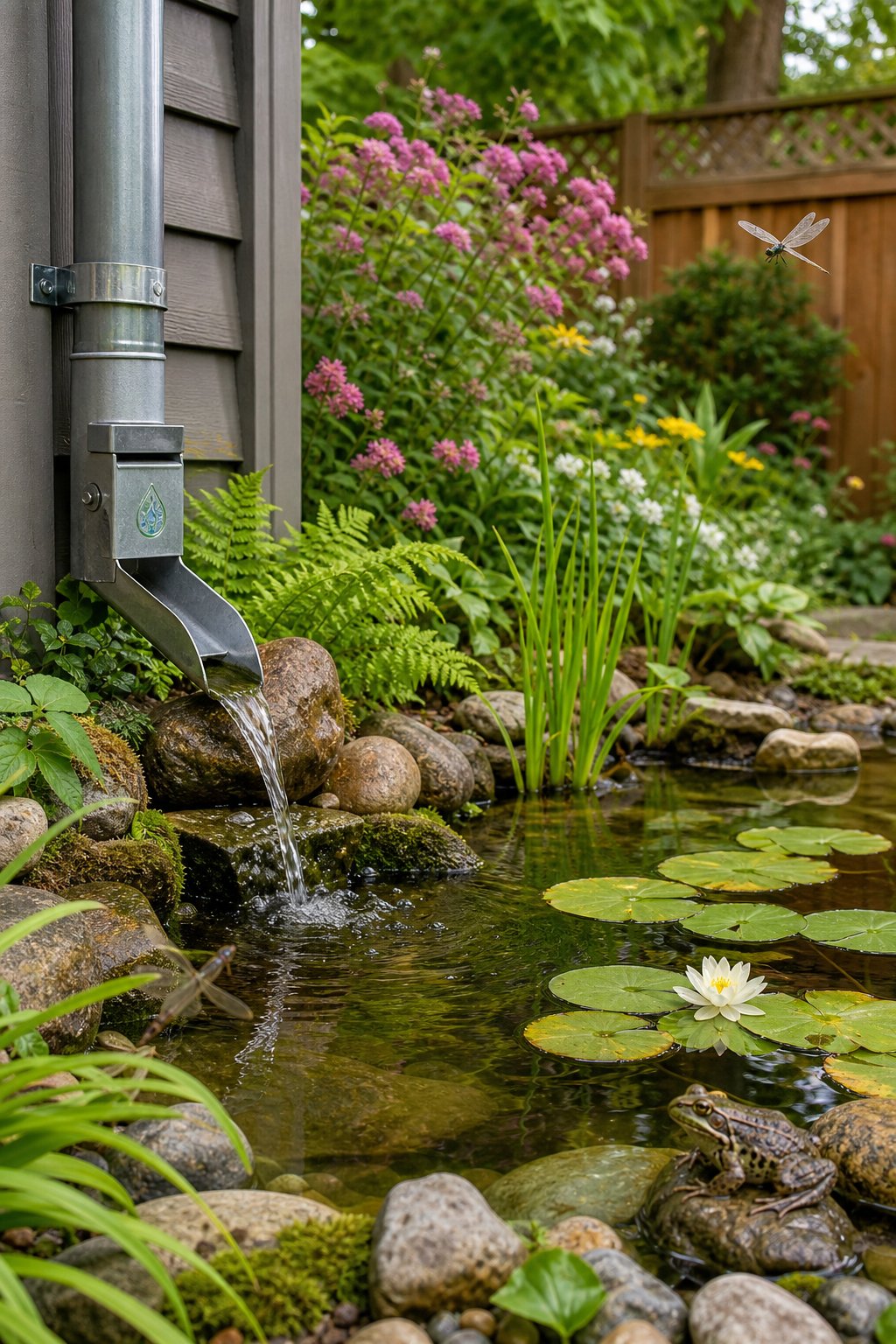
8. Rainwater-Fed Pond With A Downspout Diverter
This pond drinks from the sky, which feels pretty clever for a backyard feature. A downspout diverter can send rainwater into the pond, which helps keep it topped up without constant hose use.
You’ll want to slow the water flow with stones or a splash pad so the edge does not wash away. This idea works well near sheds, garages, or house corners where roof runoff already happens.
Expert Tip From MrPlanter: “Let the rainwater enter gently, not as a hard rush. A softer flow keeps the water clear and protects pond plants from getting battered.“
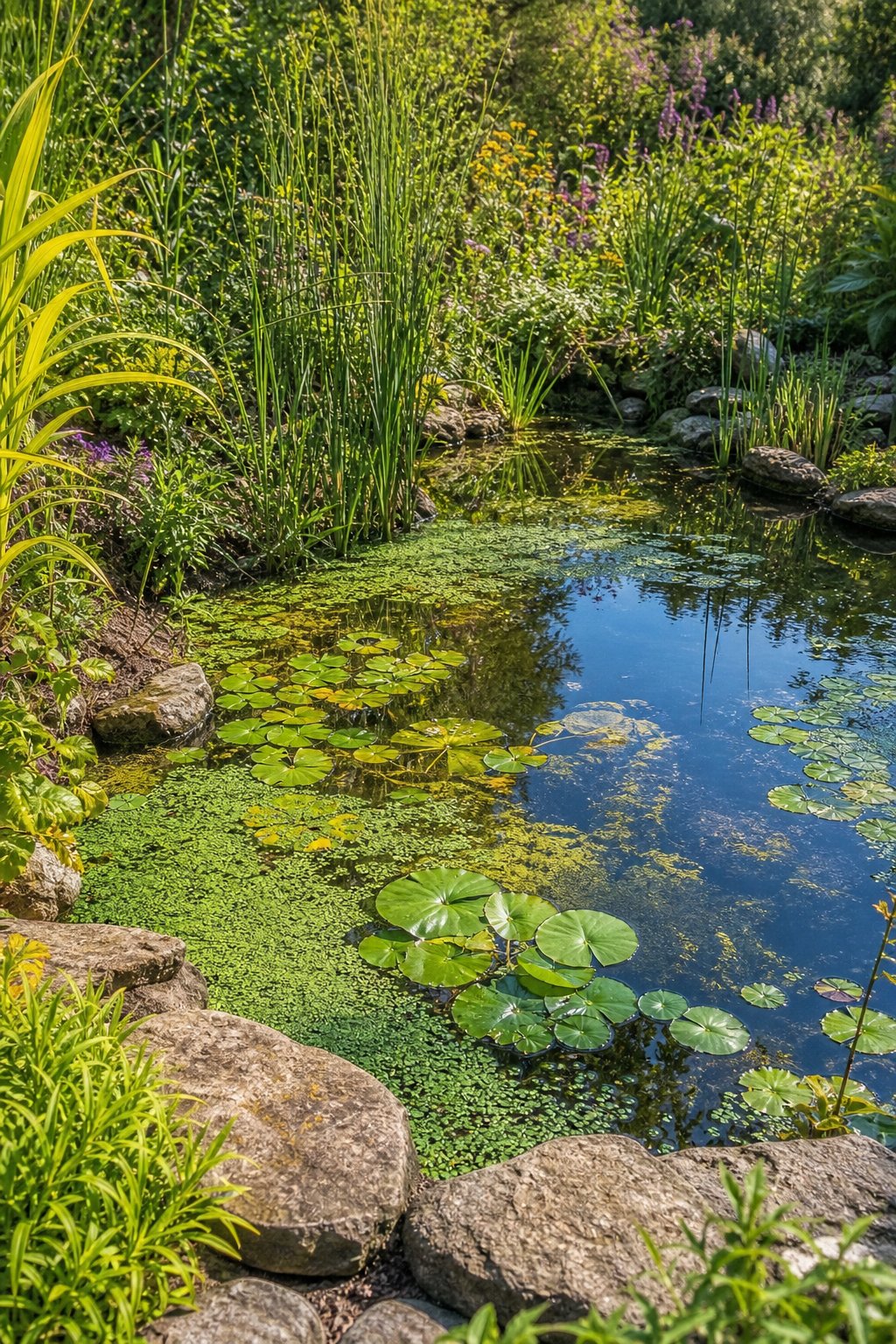
9. Pond With Floating Plant Cover At The Edge
A bare pond can feel a little too exposed, like sitting in a bright room with no curtains. Floating plants near the edge give small animals a place to hide and rest as they move in and out of the water.
Keep the cover partial, not total, so there’s still open space for birds to drink and for you to enjoy the view. Duckweed or mosquito fern can work well in a small pond if you keep an eye on spread.
This idea is especially handy if your pond sits in a sunny spot.
Expert Tip From MrPlanter: “Aim for patches, not a full blanket. Wildlife likes cover, and you’ll still want to see the water underneath.“
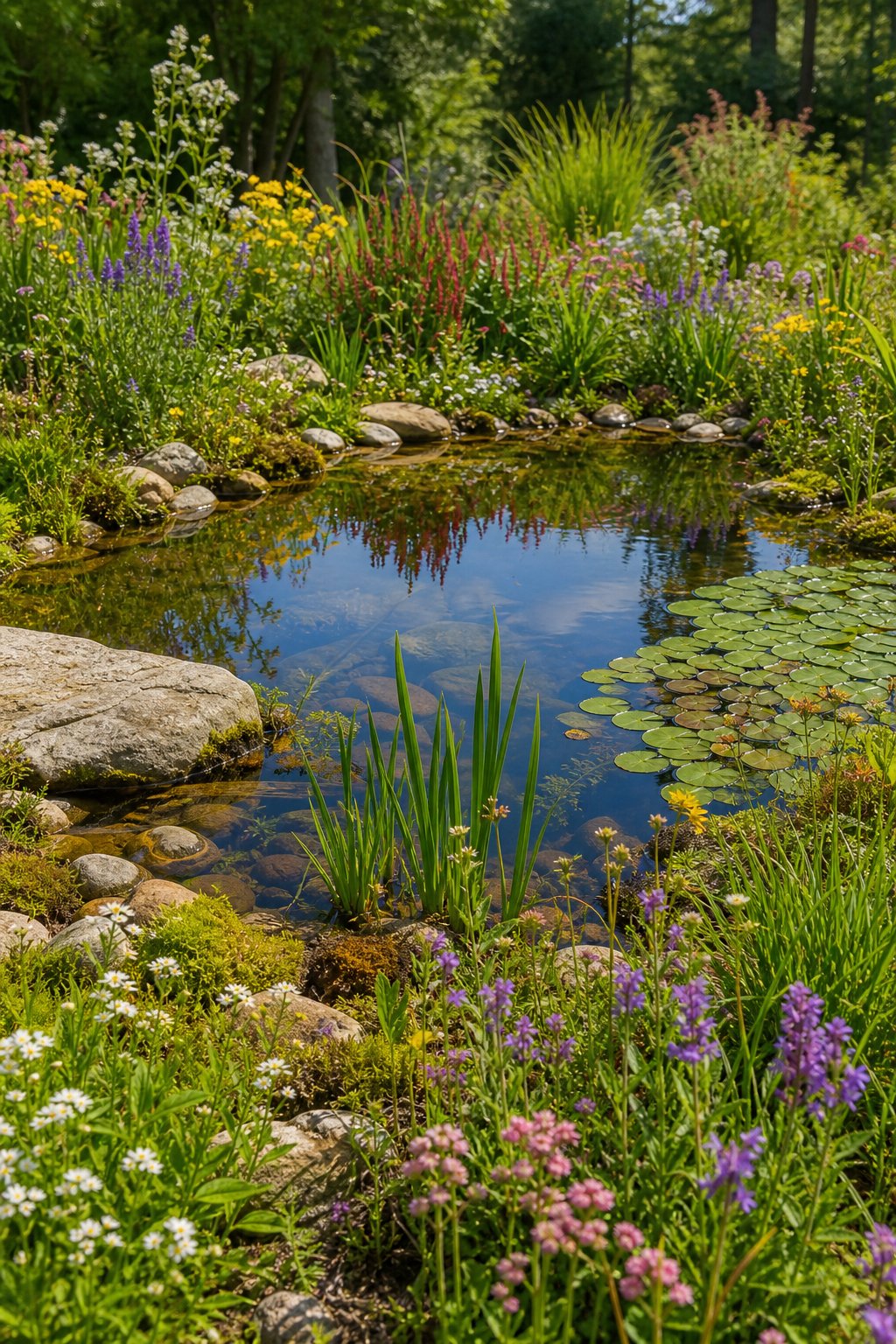
10. Wildflower-Ringed Pond With Native Grasses
Native grasses can make a pond feel much bigger than it is. When you ring the water with wildflowers and grasses, you create shelter, shade, and landing spots for pollinators.
The upright growth also gives small animals places to hide without blocking the whole view. This layout works well if you want a soft meadow look around a modest pond.
Expert Tip From MrPlanter: “Mix tall grasses with lower blooms so the pond edge has layers. That gives wildlife cover and keeps the design from looking flat.“
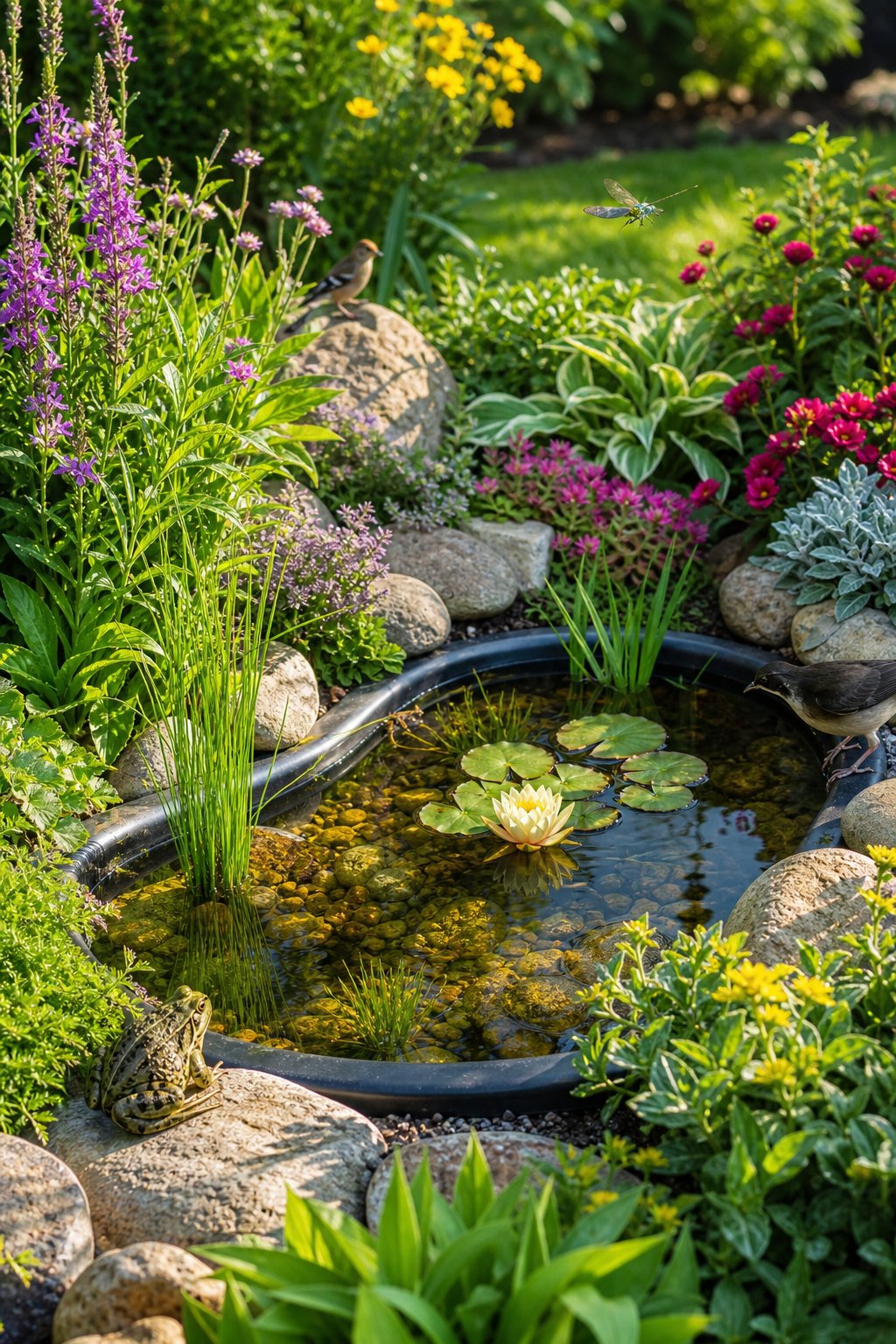
11. Preformed Tub Pond In A Sunny Border
A preformed tub pond can still look natural if you dress it up well. Set it into a sunny border, then hide the edges with plants, stones, and mulch so the tub disappears a bit.
This is one of the easiest choices for a small backyard because the shape is already there and the depth is predictable. Add a few shallow shelves or upside-down pots to create levels for plants and wildlife access.
Expert Tip From MrPlanter: “Sink the tub partway into the ground if you can. It makes the pond look more settled and helps it hold temperature better.“
12. Small Pond With Internal Hedgehog Escape Ramp
Wildlife ponds are lovely until a small animal needs a way out. An internal escape ramp gives hedgehogs, frogs, and other visitors a safer route if they slip in.
You can build the ramp from wood, stones, or a textured plank set at a gentle angle. Keep it clear of slippery algae and check that it reaches both the water and the bank.
Expert Tip From MrPlanter: “Test the ramp with your hand before you trust it. If it feels slippery to you, it’ll feel worse to a small animal.“
13. Gravel-Finished Pond With Marginal Plant Shelves
Personification: this pond is the neat one in the group, but it still knows how to host a party.
Gravel edges create a natural-looking shoreline, while marginal plant shelves let roots settle at different heights.
That layered setup lets frogs, beetles, and dragonflies use the pond in more ways.
Gravel also smooths the transition from yard to water, which helps in tight spaces.
If you want a polished look that still feels wild, this is a strong pick.
Expert Tip From MrPlanter: “Use several shallow shelves instead of one deep drop. Wildlife likes options, and your planting will be easier too.“
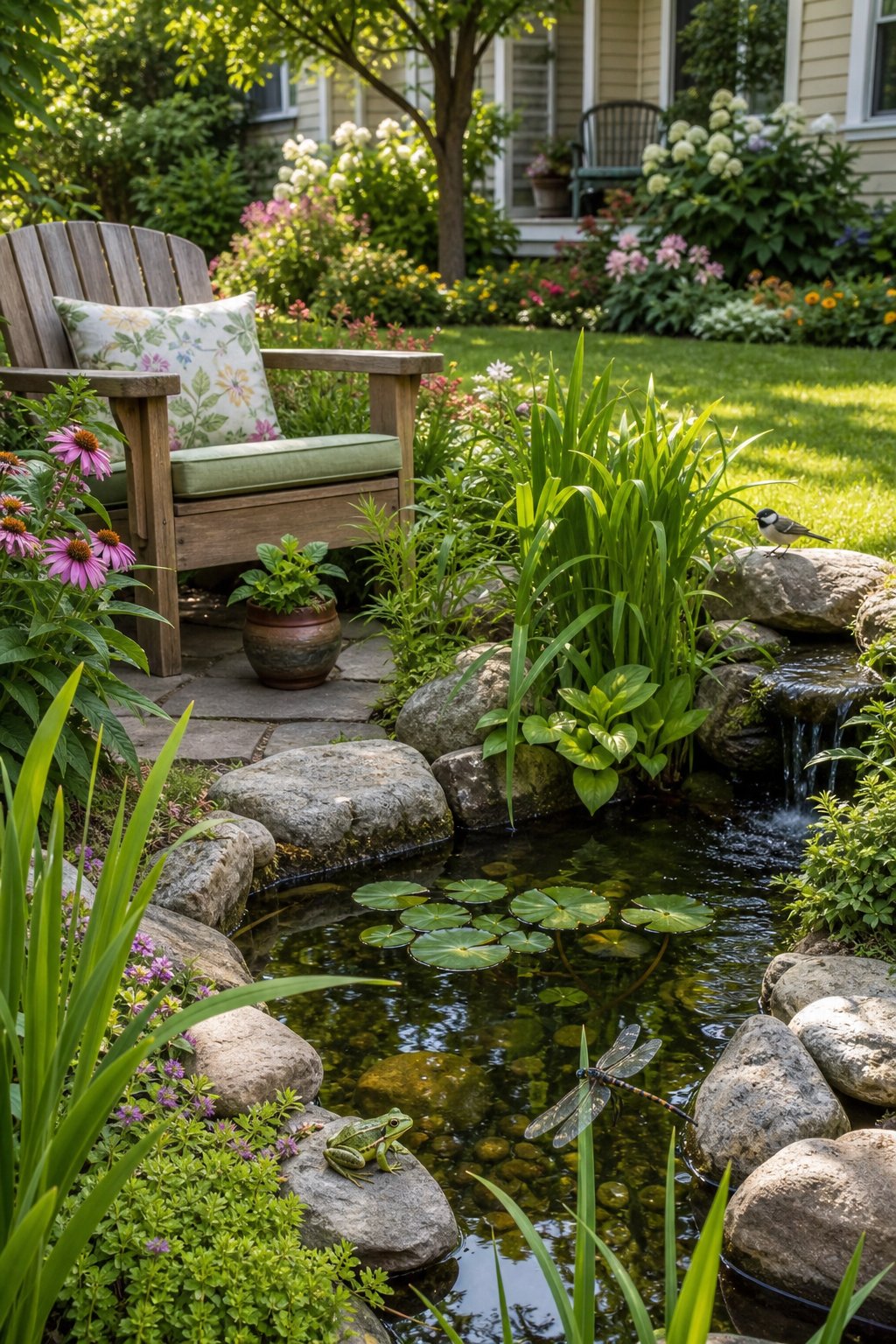
14. Tiny Front Yard Pond Beside A Seating Spot
Surprising Fact: even a tiny front yard pond can become the friendliest spot on the block.
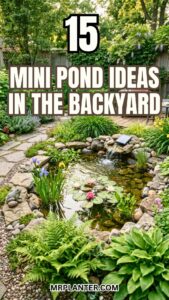
Keep the design simple with a shallow edge, a few stones, and some native plants so it feels calm rather than crowded.
This setup works well where passersby can see it, since a tidy pond near the house often gets more attention and care.
Expert Tip From MrPlanter: “Keep the seating close enough to enjoy the pond, but not so close that you block wildlife access. A little viewing room goes a long way.“
15. Balcony Or Courtyard Container Wildlife Pond
Myth-Busting Statement: you do not need a lawn to make a wildlife pond work.
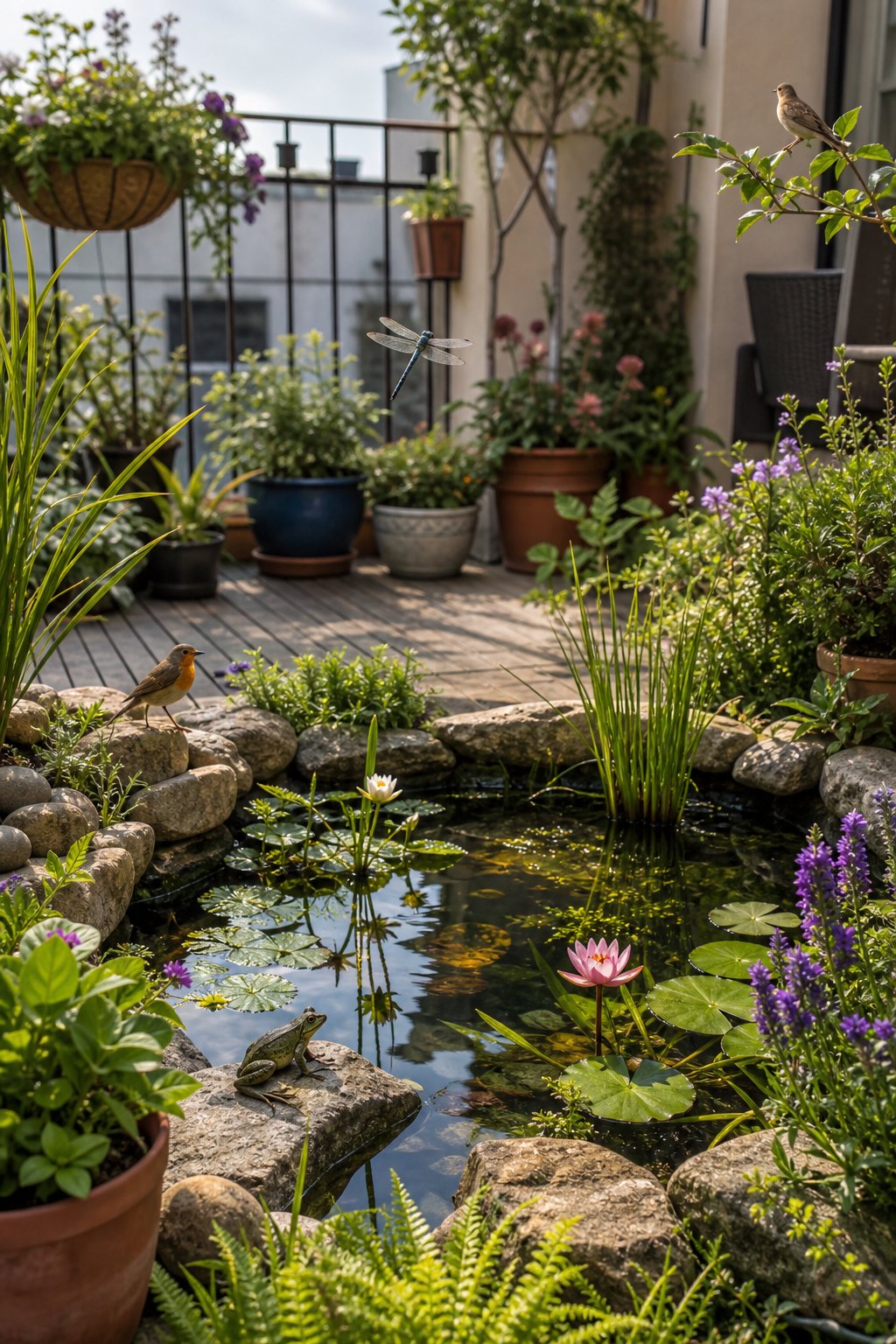
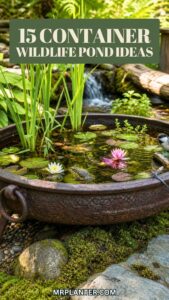
You can set up a container pond on a balcony or courtyard and still bring in insects, birds, and maybe the occasional frog if your setting allows it.
Use a wide, sturdy container, shallow planting zones, and native aquatic plants that fit the space.
Keep the water level modest and the setup stable, especially if you live upstairs or have a small paved area.
Expert Tip From MrPlanter: “Choose a container with a broad rim and solid footing. A tiny pond should feel steady, not like it’s auditioning for a stunt scene.“
16. How To Choose The Right Pond Idea
Relatable Problem: with so many pond ideas, it’s easy to feel like you need a map and a snack.
Start by matching the pond to your space, your sun, and how much time you want to spend caring for it.
Backyard spots usually handle bigger shapes.
Front yards and patios work better with tidy, visible designs like barrels, tubs, or raised boxes.
Watch where trees drop leaves, since too much shade or debris can change how the pond works.
Think about depth, shelf space, and whether you want a liner, barrel, or preformed tub before you dig.
You’ll want to stay clear of heavy leaf drop from large trees.
Depth, Shelves, And Safe Sloping Sides
Shallow shelves and gentle slopes help wildlife get in and out.
They make planting easier too.
When To Use A Liner, Barrel, Or Preformed Tub
Use a liner for custom shapes.
Choose a barrel for tight spots, and a preformed tub when you want a fast, simple setup.
Expert Tip From MrPlanter: “Pick the shape that fits your yard first, then choose the materials. A pond that suits the site will be easier to keep healthy and enjoyable.“
17. Wildlife-Friendly Features That Matter Most
A wildlife pond does not need fancy gear to work well.
What matters most is giving animals shelter, safe entry, and clean water they can trust.
Native plants around the pond provide food and cover.
Shallow edges make it easier for frogs, birds, and hedgehogs to use the water safely.
Rainwater usually works better than treated tap water.
Skipping chemicals keeps the pond friendlier for small creatures.
If you want wildlife to visit often, think like a tired animal looking for a drink, a hideout, and an easy way back out.
Native Plants That Add Shelter And Food
Native aquatic and marginal plants offer insects, amphibians, and birds a place to feed and hide.
Why Shallow Edges Beat Deep Water
Shallow edges allow easier entry and exit.
Wildlife recognizes shallow edges as more like the ponds they know in nature.
Rainwater, Water Quality, And Chemical Avoidance
Rainwater treats pond life more kindly.
Avoiding chemicals keeps the water safe for visitors.
Safe Access For Frogs, Birds, And Hedgehogs
Ramps, stones, and sloping sides give small animals a safer path in and out of the pond.
Expert Tip From MrPlanter: “If you’re unsure where to start, begin with the edge. A safe shoreline helps the rest of the pond do its job for wildlife.“
FAQs on Small Garden Wildlife Pond Ideas
What size and depth should my small pond be?
Even a small pond can support wildlife if it has some variety in depth. Aim for at least one area 60-80cm deep so it doesn’t freeze solid in winter or overheat in summer, with gently sloping sides or shelves at 15-20cm and 30-40cm for shallow-water plants and easy access for animals. A pond as small as 1 square metre can still attract frogs, insects, and birds.
Which plants are best for a small wildlife pond?
Choose a mix of oxygenators (like hornwort), floating plants (like water lilies, scaled to pond size), and marginal plants (like marsh marigold, water mint, or yellow flag iris) for the shallow edges. Native species are best since local wildlife recognizes and uses them more readily. Avoid invasive species like parrot’s feather or floating pennywort.
How can I attract wildlife to my pond?
Add a shallow beach or ramp so creatures like hedgehogs and birds can get in and out safely, include native plants for cover and food, and avoid fish, since they eat frog spawn and invertebrates. Leaving the pond edges a little wild, with logs, stones, or long grass nearby, also gives amphibians and insects shelter.
Do I need a pump, filter, or special water treatment?
No. Wildlife ponds work best left natural, without pumps, filters, or chemical treatments, since these can disturb the ecosystem you’re trying to attract. Fill with rainwater where possible rather than tap water, and let the pond balance itself naturally over a few weeks as plants and beneficial bacteria establish.
Final Words
By incorporating these small garden wildlife pond ideas, you can transform your backyard into an eco-friendly retreat that attracts birds, frogs, and pollinators, while enhancing biodiversity and creating a serene oasis for relaxation, all with simple DIY tips to get started today.
I’m Anirban Saha, the Founder and Owner of MrPlanter.com. I pay the bills as a software developer, although my BTech is actually in Electronics and Communication. I really love my day job, but what gives me energy every day is interacting with my indoor plants and taking care of them. I have been successfully nurturing and maintaining houseplants for over 10 years now.
📚🔍 Our content undergoes thorough review and fact-checking before publication. For additional details, explore our strict Editorial Policy to deliver helpful content. 📝🔒