As an Amazon Associate, MrPlanter.com earns from qualifying purchases.
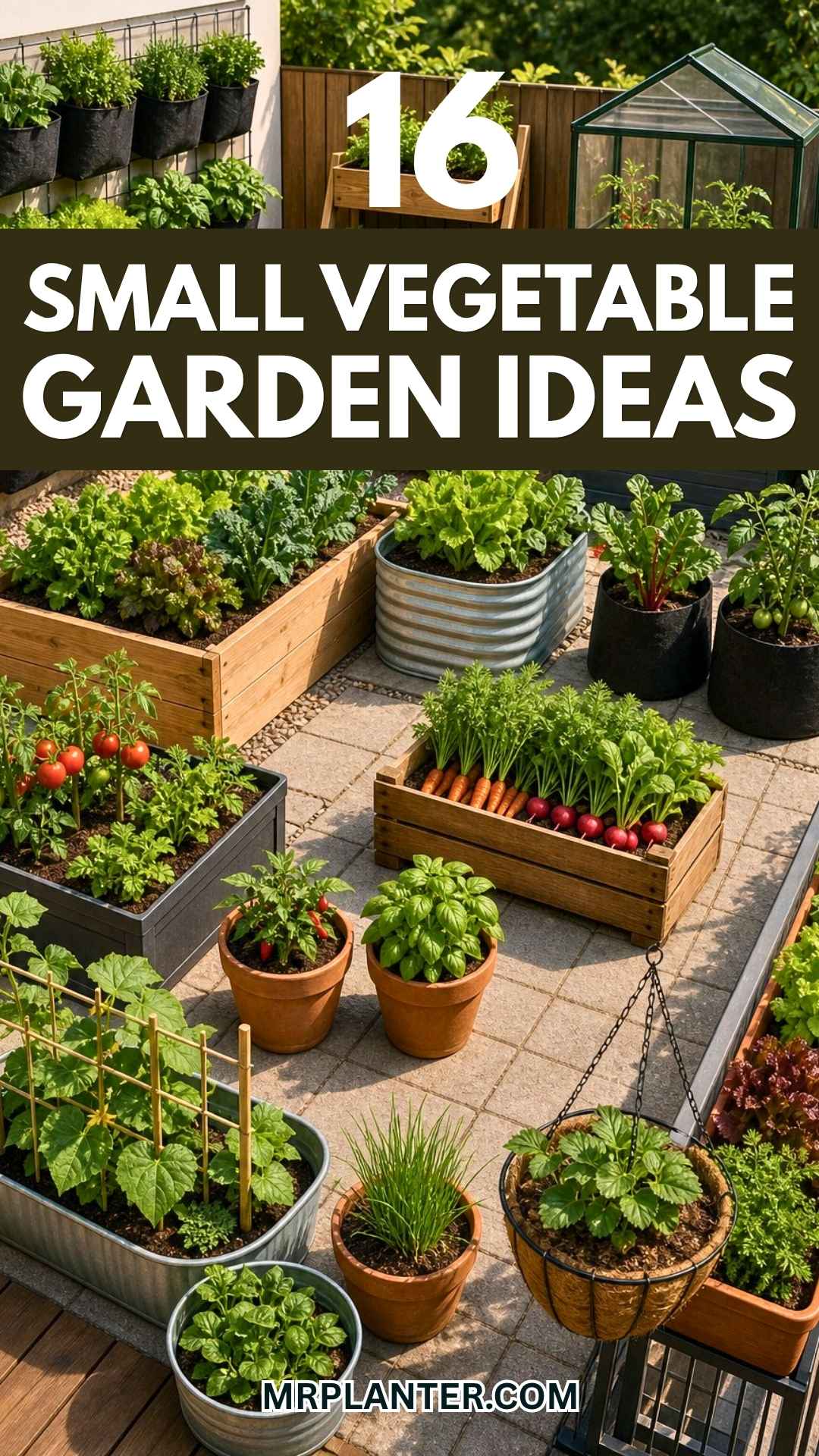
A small yard can produce a steady supply of vegetables when you give each foot of soil a clear job. Raised beds, containers, trellises, and smart crop choices help you grow more food while keeping watering, weeding, and harvesting within reach.
The best small vegetable garden ideas combine productive crops with layouts that fit your sunlight, space, and daily routine. A 4×4-foot bed can hold salad greens and herbs, while a fence trellis sends beans and cucumbers upward. Even a sunny front-yard border can add food without making your home look like a farm stand.
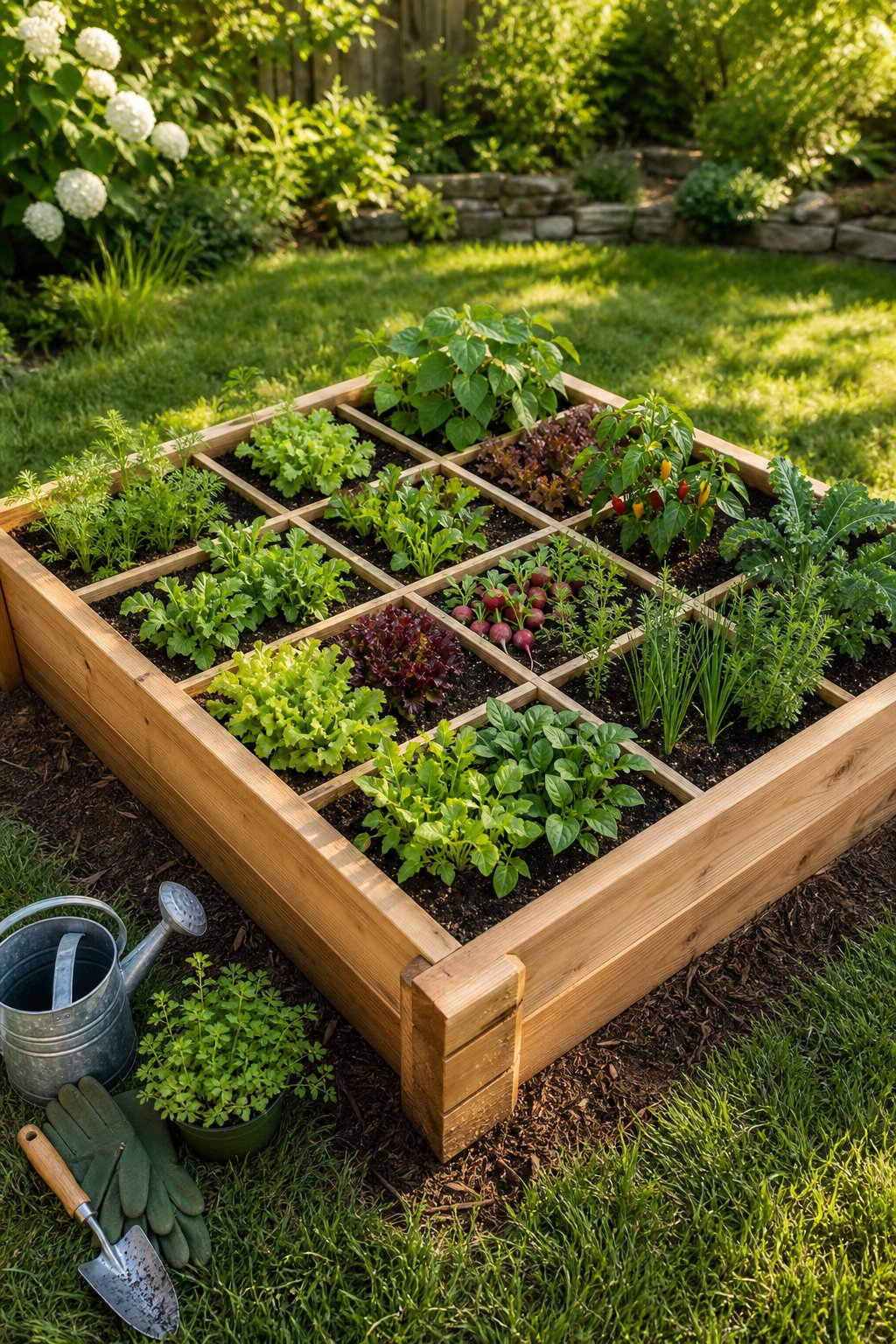
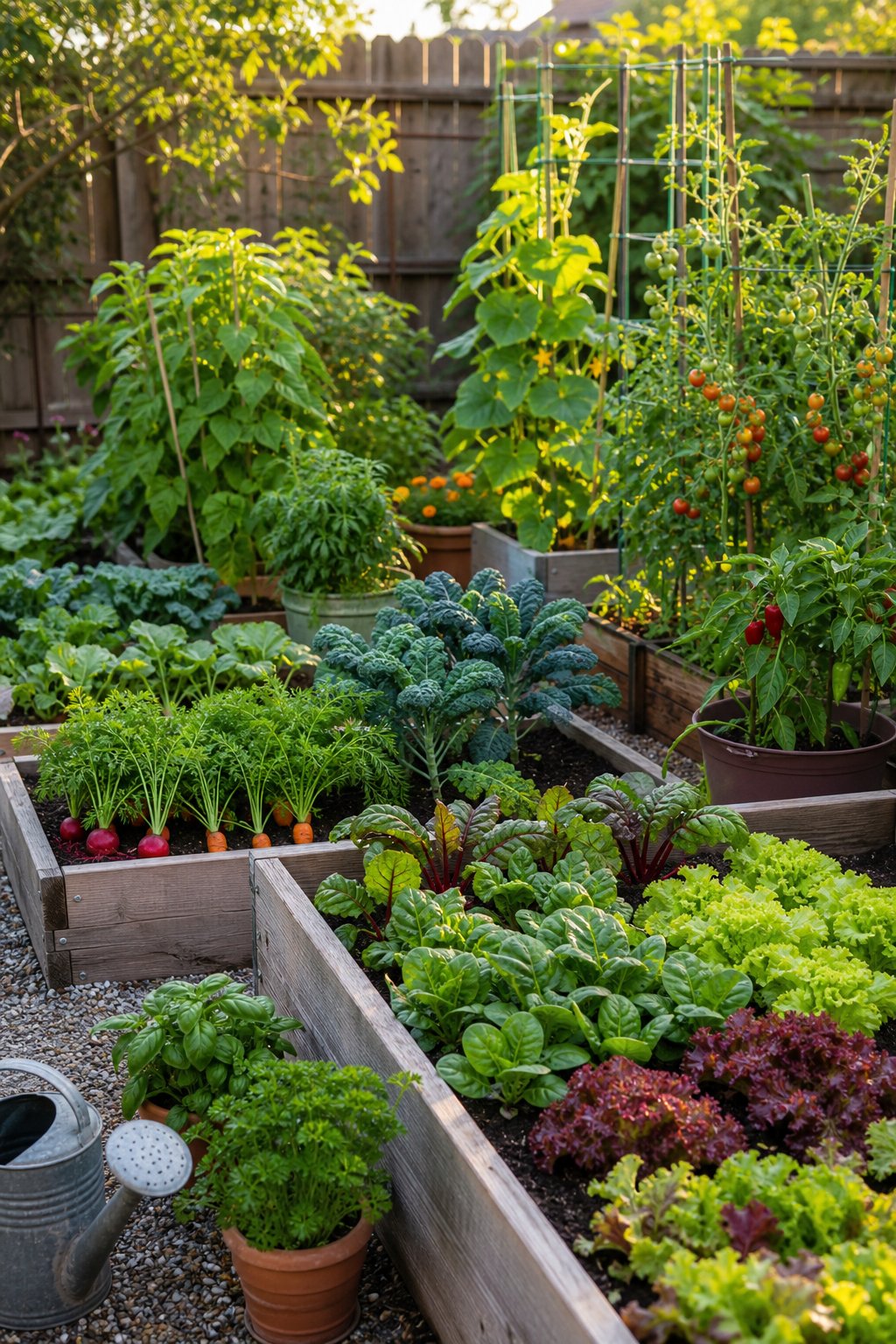
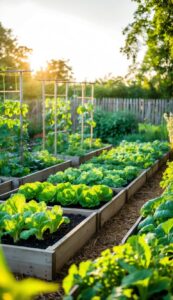
1. 4×4-Foot Cedar Raised Bed With Square-Foot Planting
A tiny raised bed can hold a surprising harvest when you divide it into planting squares.
Mark sixteen 1×1-foot sections with thin strips of wood or garden twine. Plant one tomato in a square, four lettuce heads in another, and sixteen radishes in a third. This keeps spacing clear, so you won’t accidentally turn your bed into a leafy traffic jam.
Fill the cedar frame with a rich soil mix that drains well. Place taller crops on the north side so they don’t cast long shadows across shorter greens. Expert Tip From MrPlanter: “Keep a small map of each square in your garden notebook. You’ll know what to plant next season and where each crop grew.”
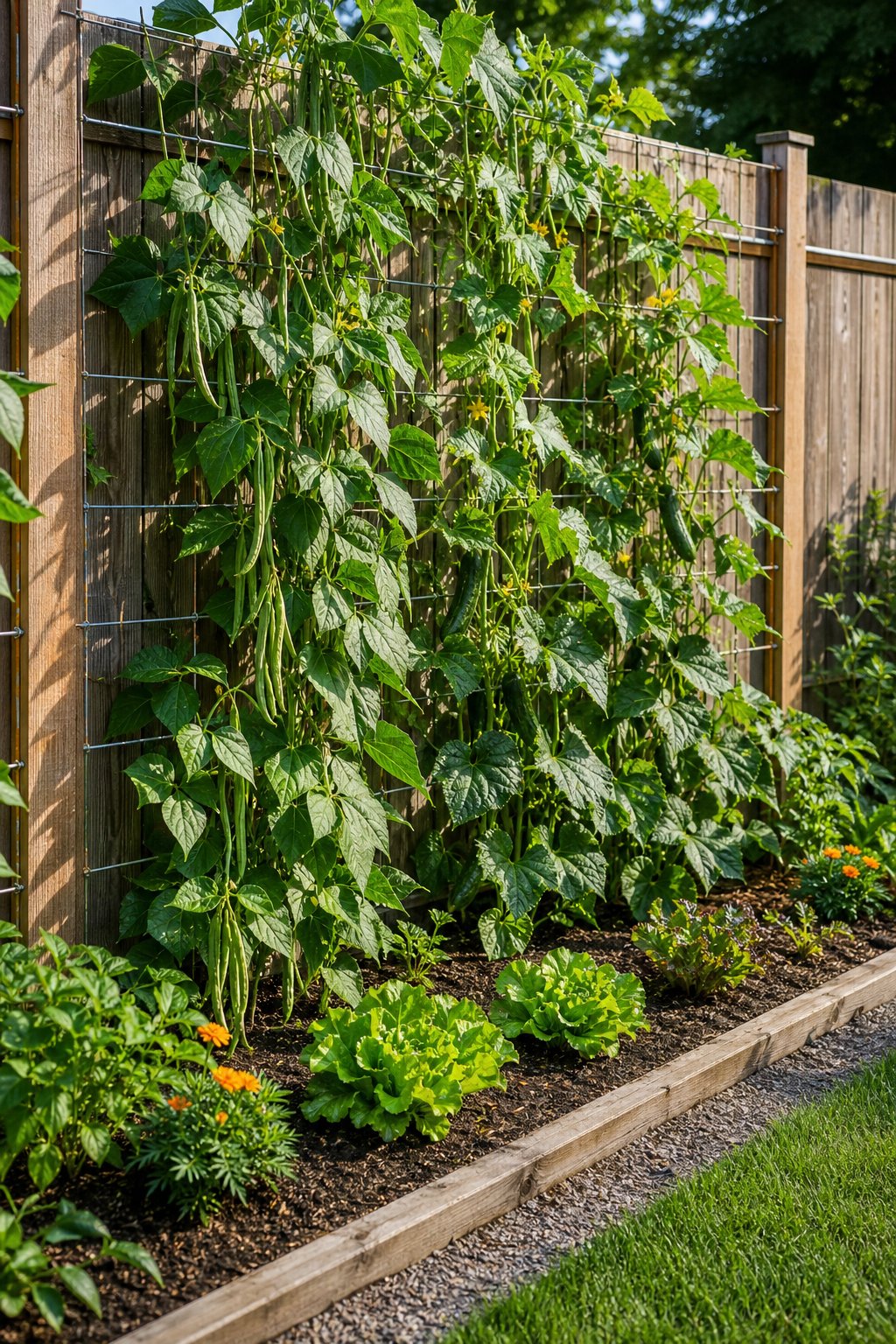
2. South-Facing Fence Trellis for Pole Beans and Cucumbers
A sunny fence gives climbing vegetables a free ladder and saves precious ground space.
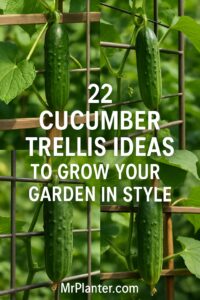
Attach sturdy netting or wire panels to a south-facing fence, leaving a few inches of airflow behind the vines. Pole beans climb quickly, while cucumbers need broad support and regular ties as their stems lengthen. Pick fruits every day once production starts, since oversized cucumbers slow new growth.
Keep the bottom edge raised above soil to reduce rot. A mulch layer helps hold moisture around the roots during hot summer afternoons. For more support ideas, explore these amazing cucumber trellis ideas. Expert Tip From MrPlanter: “Train young vines early while their stems are flexible. Add a soft tie whenever a plant starts leaning into the walkway.”
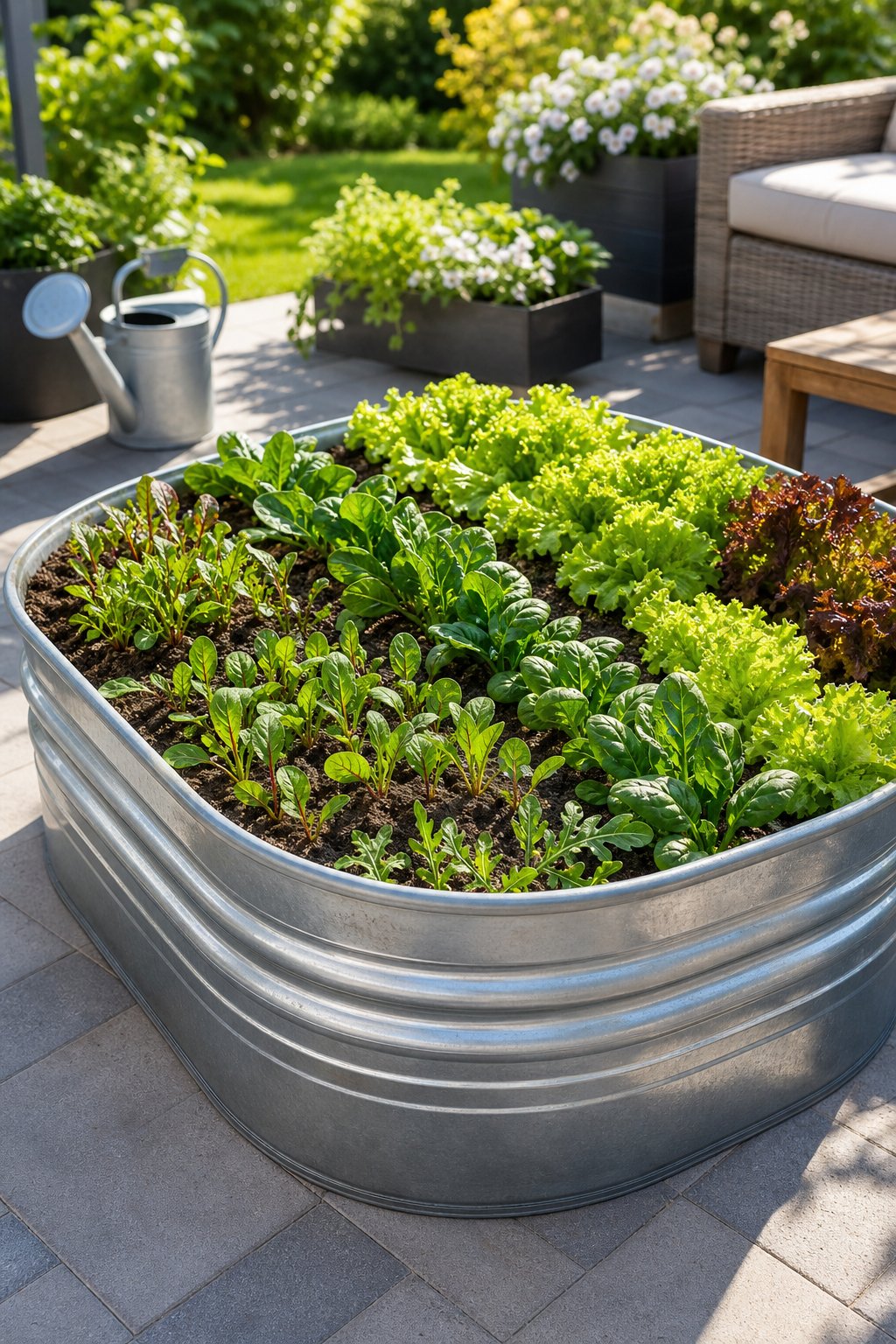
3. Galvanized Stock Tank Salad Garden
A stock tank creates a durable salad garden with comfortable working height and clean edges.
Choose a tank with drainage holes, or drill several across the bottom before adding soil. A 12-inch-deep tank suits lettuce, spinach, arugula, and baby kale. Leave space between rows for harvesting, then reseed empty patches every few weeks.
Place the tank where it receives morning sun and some afternoon relief in hot climates. Light-colored mulch keeps the soil cooler and slows evaporation. The metal warms early in spring, which helps your first greens get moving. Expert Tip From MrPlanter: “Harvest outer leaves while the center keeps growing. Your salad bowl will stay full longer.”
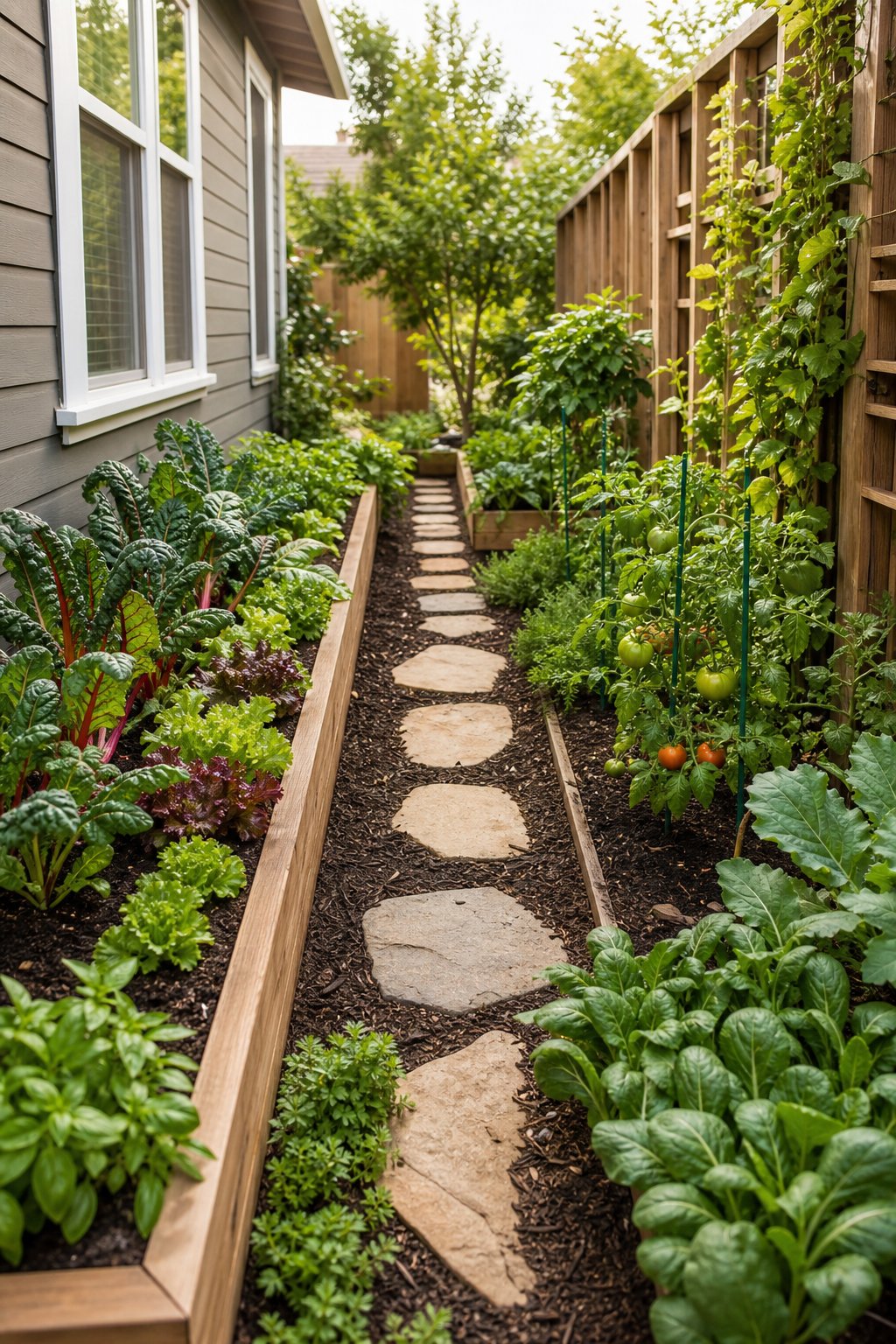
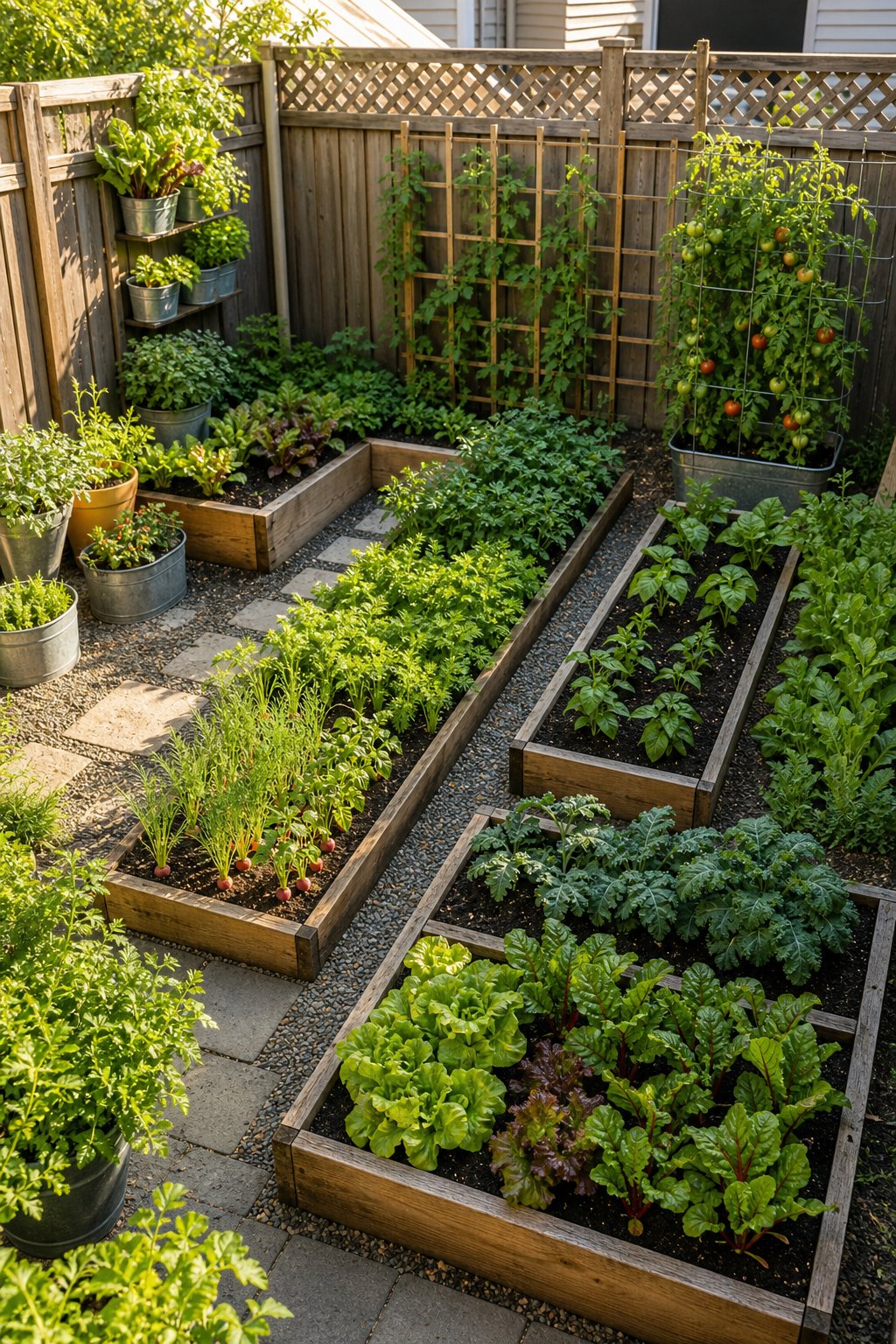
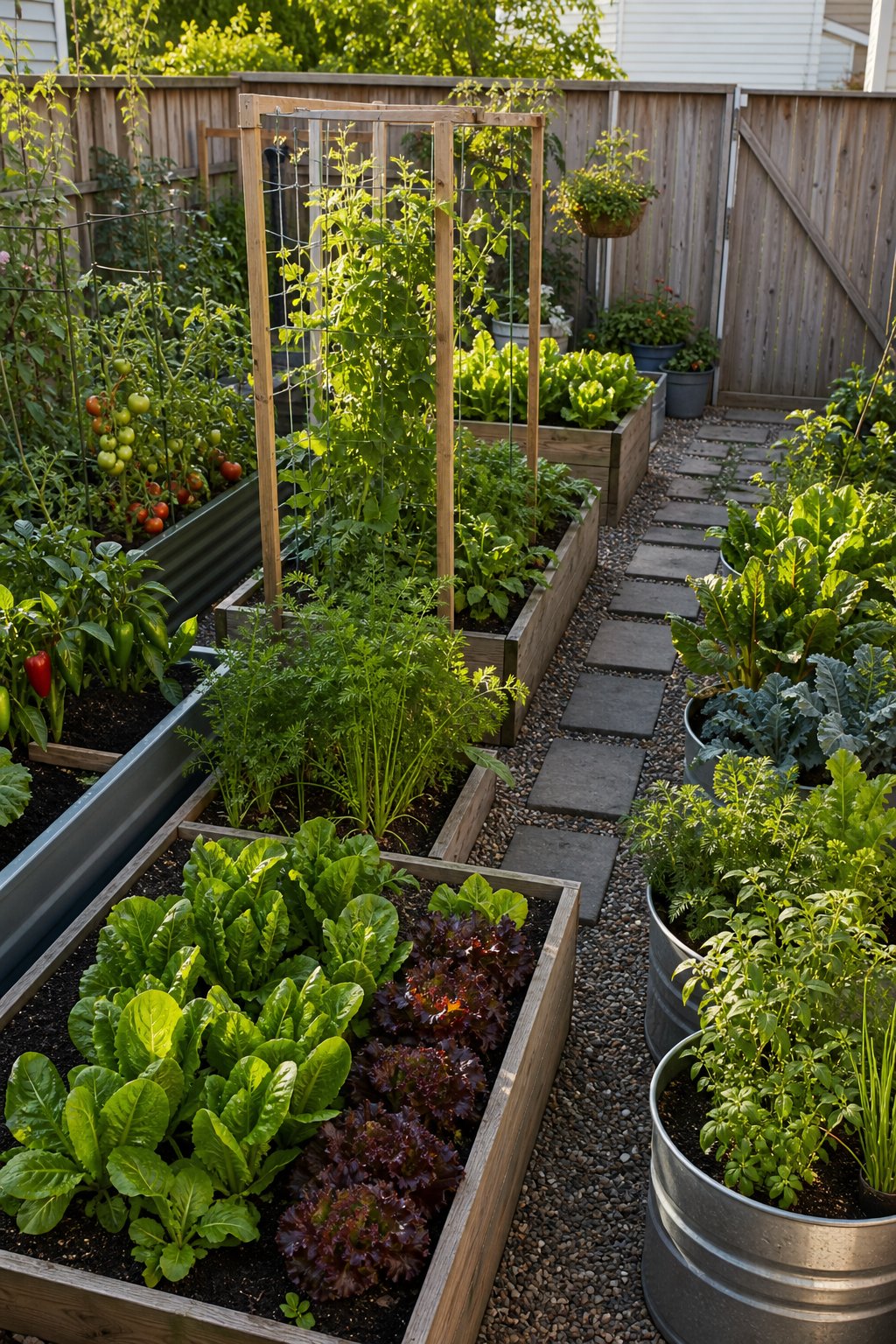
4. Narrow Side-Yard Strip Garden With Stepping Stones
A side yard becomes productive when you pair slim beds with a clear walking route.
Build beds no wider than 2 to 3 feet so you can reach the center from either side. Add flat stepping stones every few feet to protect soil and give you firm footing while watering. Leafy greens, scallions, bush beans, and compact peppers fit this long layout well.
Check the wall and fence for shade before planting. Keep vines on the brighter edge, and reserve dimmer spots for spinach or lettuce. A narrow hose or drip line makes watering much easier. These side yard pathway ideas offer more ways to keep access tidy. Expert Tip From MrPlanter: “Measure your arm’s reach before building the bed. A garden you can reach easily will get better care.”
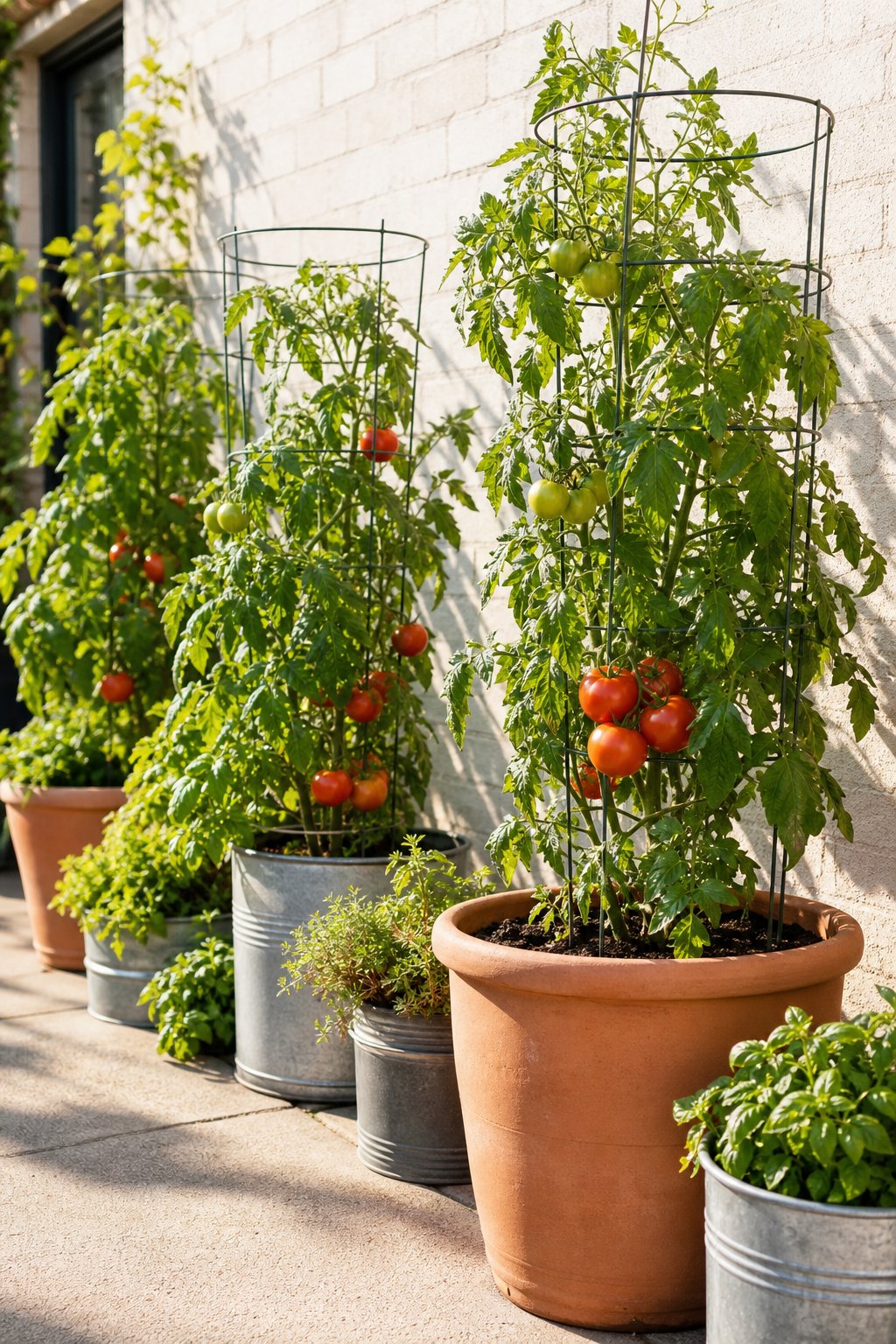
5. Tomato Cage Container Garden Along a Sunny Wall
A row of deep containers turns a sunny wall into a compact tomato station.
Use containers at least 20 inches deep and wide enough for one tomato plant. Add a sturdy cage at planting time, since pushing one around mature roots damages them. Cherry tomatoes suit tight spaces because they produce steadily and fit well on a patio edge.
Leave several inches between pots so leaves dry after rain. The wall reflects heat, so check soil moisture each morning during hot weather. Choose determinate varieties for shorter plants or compact indeterminate types with regular pruning. Expert Tip From MrPlanter: “Put each cage in place before the tomato grows tall. Early support keeps stems neat and fruit off the ground.”
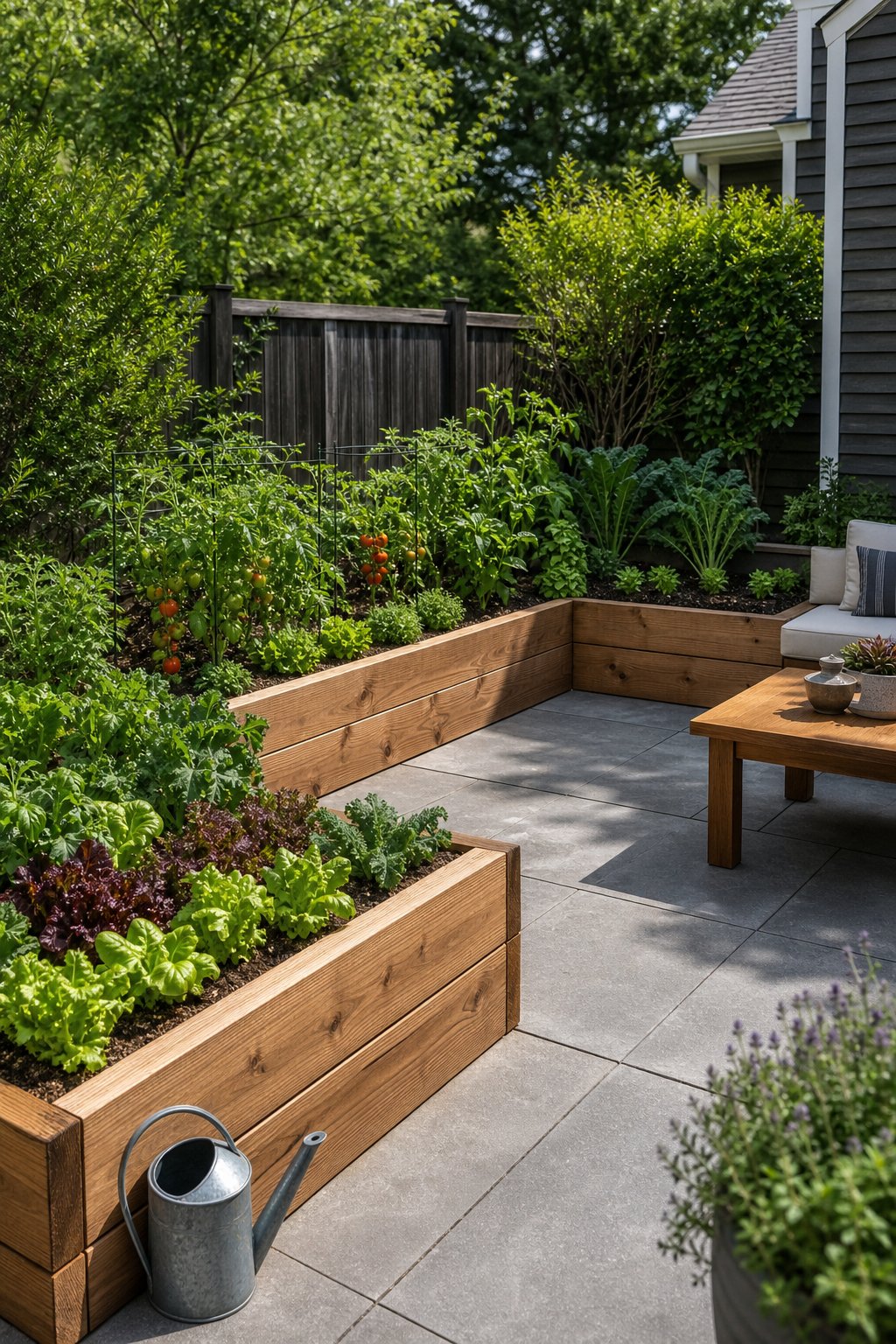
6. L-Shaped Raised Bed Around a Backyard Patio
An L-shaped bed uses the patio edge while keeping your seating area open.
Keep each bed arm about 2 feet wide, allowing you to reach every plant from the patio side or outer edge. Grow herbs near the door, peppers along the sunny stretch, and compact greens in the shorter arm. The shape creates a soft border without blocking chairs or foot traffic.
Use a low frame if you want an open view across the patio. Add corner caps or a narrow ledge for setting down pruners and harvest baskets. For more ways to blend planting with seating, see these landscaping around patio ideas. Expert Tip From MrPlanter: “Plant the crops you harvest most near your favorite chair or door. Short trips lead to more frequent picking.”
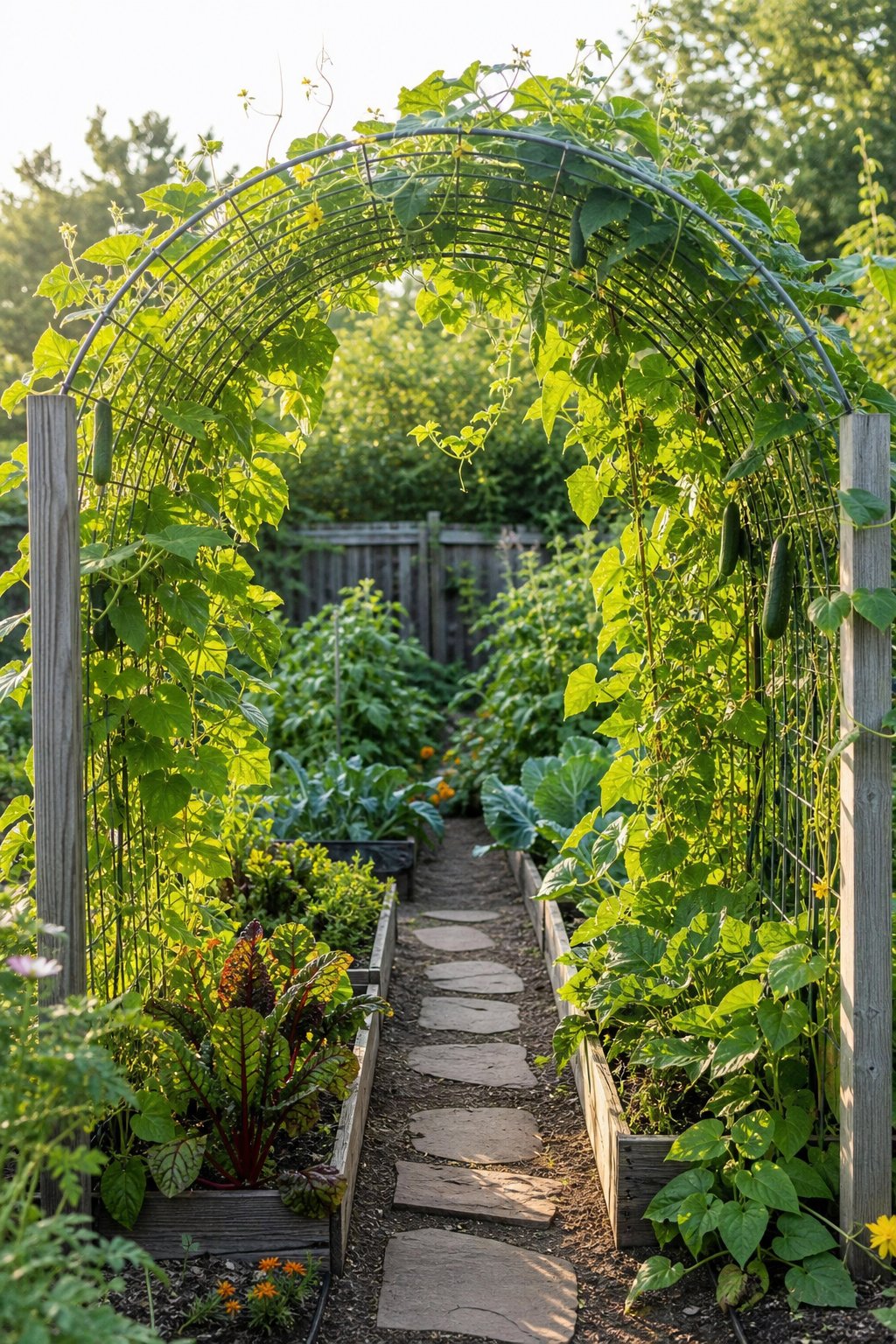
7. Cattle-Panel Arch Trellis Over a Garden Path
A cattle-panel arch adds growing space above a path while giving climbing crops strong support.
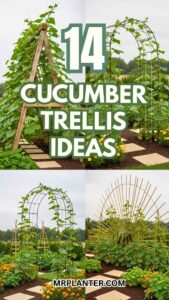
Bend a cattle panel into an arch and secure both sides to solid posts. Train cucumbers, pole beans, or small melons up the mesh. Keep the path wide enough for a bucket and your shoulders, since a beautiful tunnel becomes awkward when vines crowd the walkway.
Place the arch on the north side of beds when possible. That position reduces shade across low-growing crops. Check every connection before summer growth adds weight, especially after heavy rain. More sturdy panel concepts appear in these cattle panel fence ideas. Expert Tip From MrPlanter: “Harvest from both sides of the arch as vines climb. This keeps fruit easy to spot and prevents hidden, oversized cucumbers.”
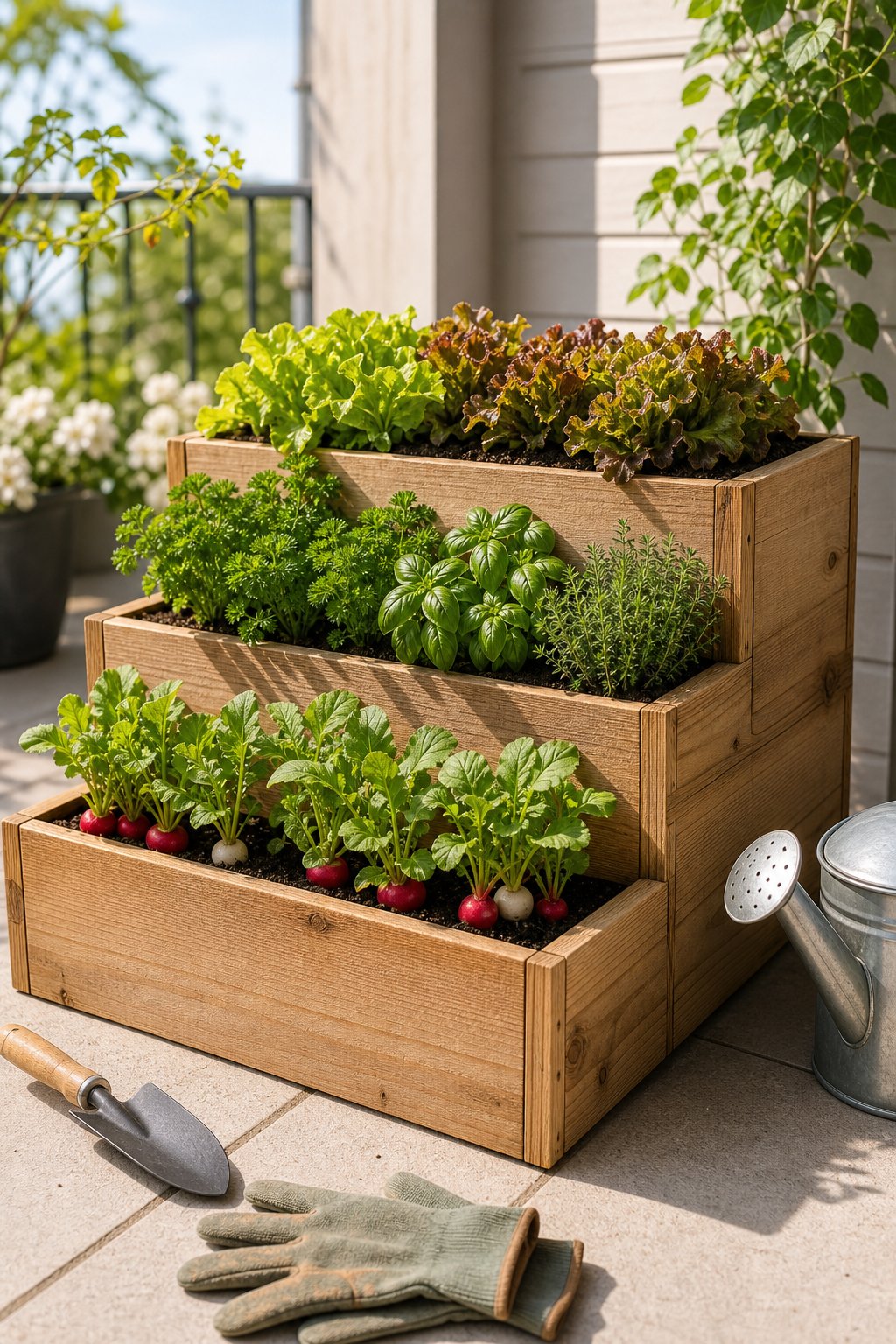
8. Tiered Wooden Planter for Lettuce, Herbs, and Radishes
A tiered planter stacks several shallow growing spaces into one small patio footprint.
Put lettuce and radishes in the deeper lower tier, then use upper levels for basil, parsley, chives, and thyme. Check that every box drains freely and that water from a higher level doesn’t pour onto the plants below. A waterproof liner with drainage openings protects the wood.
Set the planter where each level receives light. Turn containers every few days if one side grows faster. Keep a watering can nearby because shallow boxes dry quickly in warm weather. You can find more edible planting combinations among these herb garden ideas. Expert Tip From MrPlanter: “Group plants with similar watering needs on the same tier. Your daily care will take less time.”
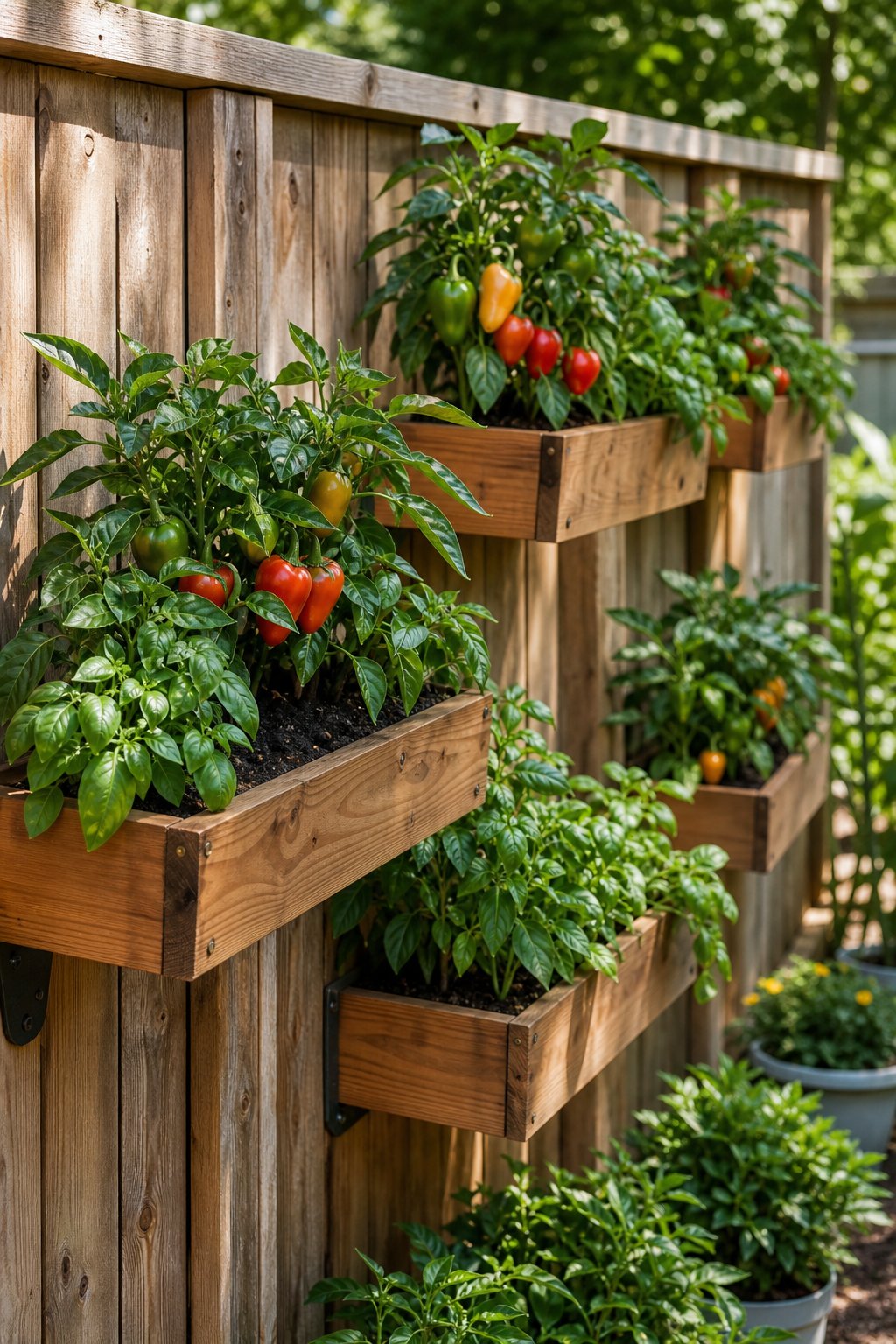
9. Fence-Mounted Planter Boxes for Peppers and Basil
Fence-mounted boxes bring sun-loving peppers and kitchen herbs up to a comfortable height.
Choose boxes at least 12 inches deep for peppers, and use brackets rated for the full weight of wet soil. Basil fits around the pepper stems while helping you keep culinary herbs close to the kitchen. Leave gaps between boxes so air moves through the foliage.
Fasten each bracket to fence posts or strong rails. A loaded planter puts more strain on a fence than an empty box, especially after watering. Check moisture often because elevated containers dry faster than ground beds. Expert Tip From MrPlanter: “Water slowly until a little drains from the bottom. That tells you the full soil column received moisture.”
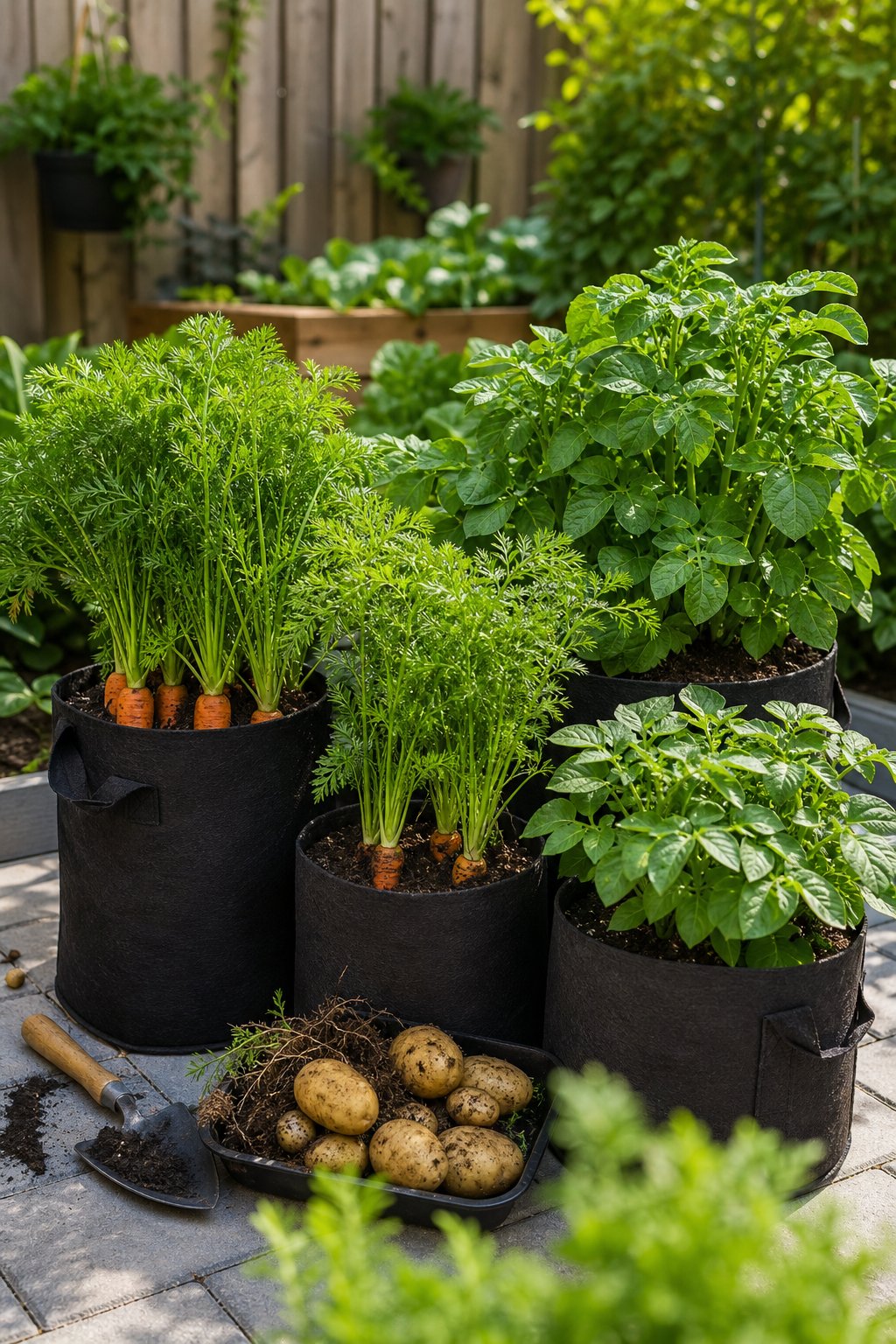
10. Fabric Grow Bag Garden for Potatoes and Carrots
Fabric grow bags make root crops practical when your yard has poor soil or limited planting space.
Use a deep bag for potatoes and a tall, narrow bag for carrots. Fill each with loose soil and compost, leaving room to mound soil around potato stems as they grow. Carrots need fine soil without stones, since obstacles cause forked roots.
Set bags on a sunny surface with room for water to drain. Fabric sides allow airflow, yet they also dry faster than plastic pots. Lift potato bags onto a small platform if the ground stays wet after rain. Expert Tip From MrPlanter: “Sow carrots in thin rows and keep the soil damp until seedlings appear. Even moisture helps the roots form straight.”
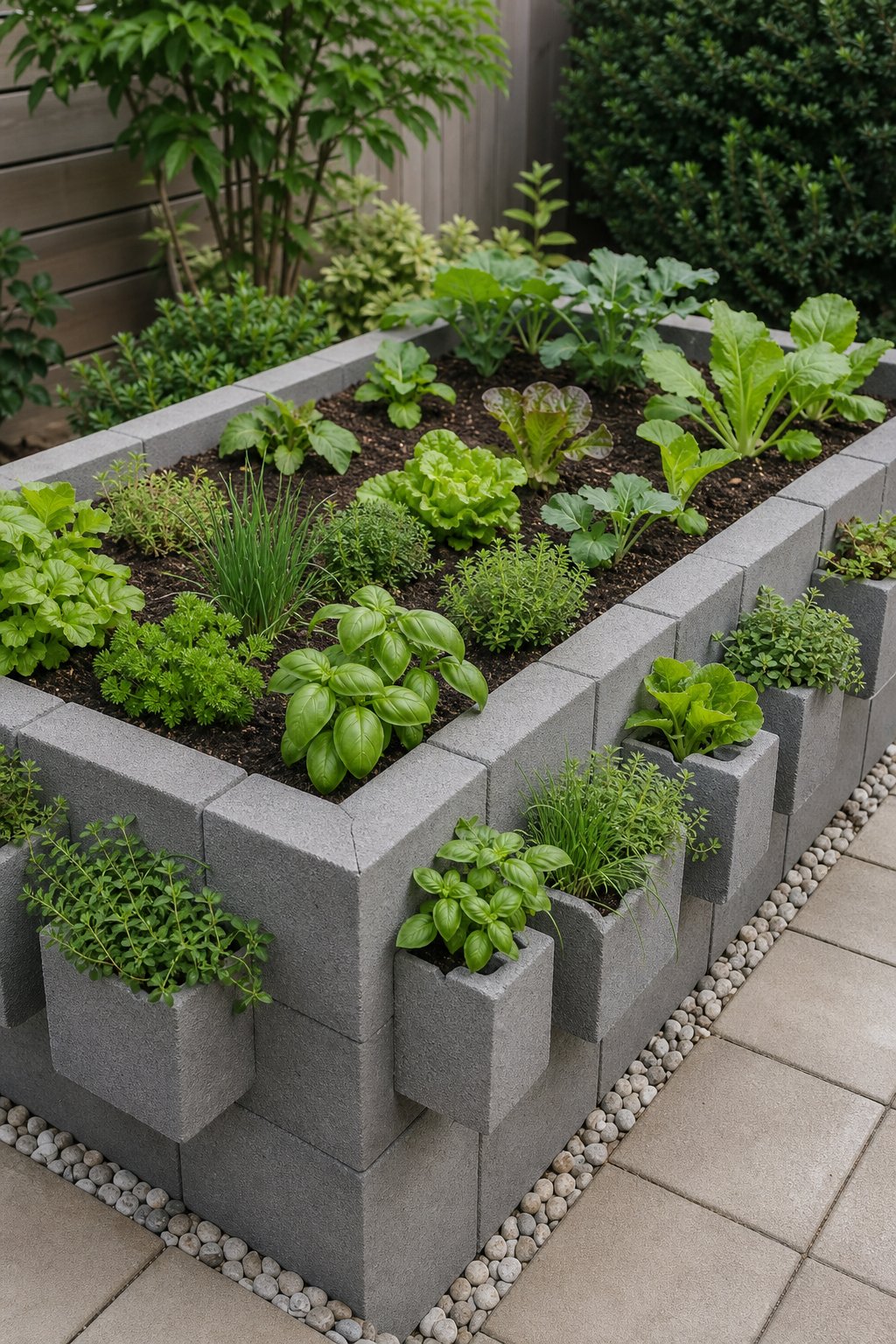
11. Concrete Block Raised Bed With Built-In Herb Pockets
Concrete blocks create a sturdy bed while their open pockets add small planting spots.
Build a low rectangle with the block openings facing up. Fill the main bed with vegetables such as bush beans or kale, then use the pockets for thyme, oregano, chives, or small flowers that attract pollinators. Line pockets with soil that drains well, since they hold little moisture.
Set the bed on level ground before filling it. Concrete gets hot in full sun, so mulch the pockets and check them during warm spells. Keep the structure low enough to reach across comfortably. Expert Tip From MrPlanter: “Use perennial herbs in the block pockets and annual vegetables in the bed. The herbs will return while you refresh the main planting each year.”
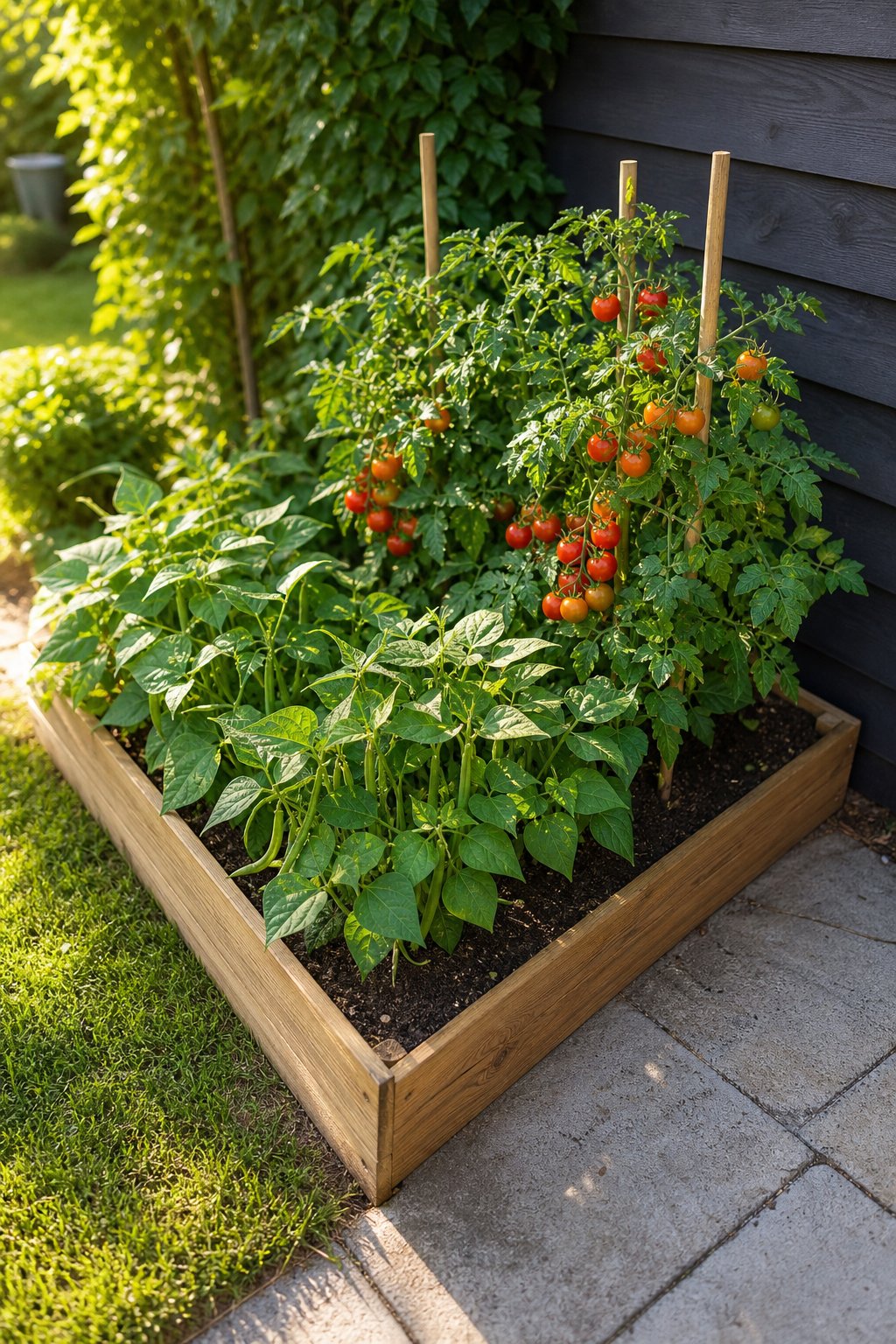
12. Corner Triangle Bed With Bush Beans and Cherry Tomatoes
A triangle bed turns an unused yard corner into a productive planting wedge.
Place cherry tomatoes near the tallest back corner and bush beans along the wider edge. Fill narrow points with scallions, radishes, or compact herbs. This arrangement uses the awkward geometry without forcing you to squeeze around a large square frame.
Keep the outer edges low enough to reach from the lawn or path. Add a small cage or stake to each tomato before it needs support. Watch the afternoon shadow from fences and walls, since corners lose light quickly. Expert Tip From MrPlanter: “Plant the narrowest point with quick crops. Radishes will finish before larger plants fill that space.”
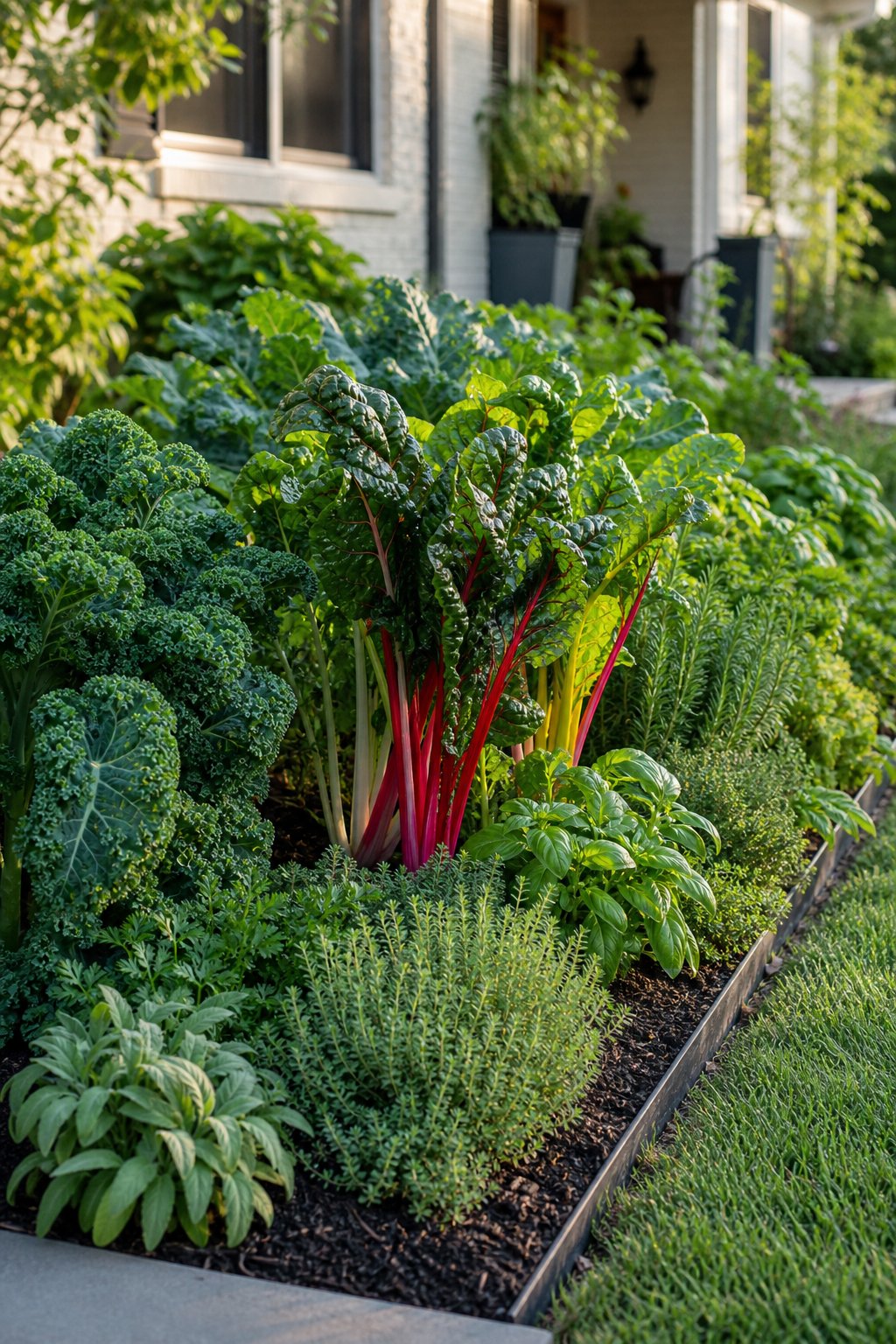
13. Edible Front-Yard Border With Kale, Swiss Chard, and Herbs
A front-yard border can look polished while supplying cut-and-come-again vegetables.
Use repeating groups of kale and Swiss chard for structure, then tuck herbs along the front edge. Chard’s bright stems add color, while kale fills space with broad leaves. Keep the border crisp with a defined edging and a mulch layer that separates plants from the lawn.
Choose a spot with at least six hours of sun for the fullest harvest. Leave enough room beside the walkway for mature leaves and a garden hose. Remove yellow leaves quickly so the planting stays neat. Expert Tip From MrPlanter: “Harvest the oldest outer leaves first. Your border will keep producing while the center stays attractive.”
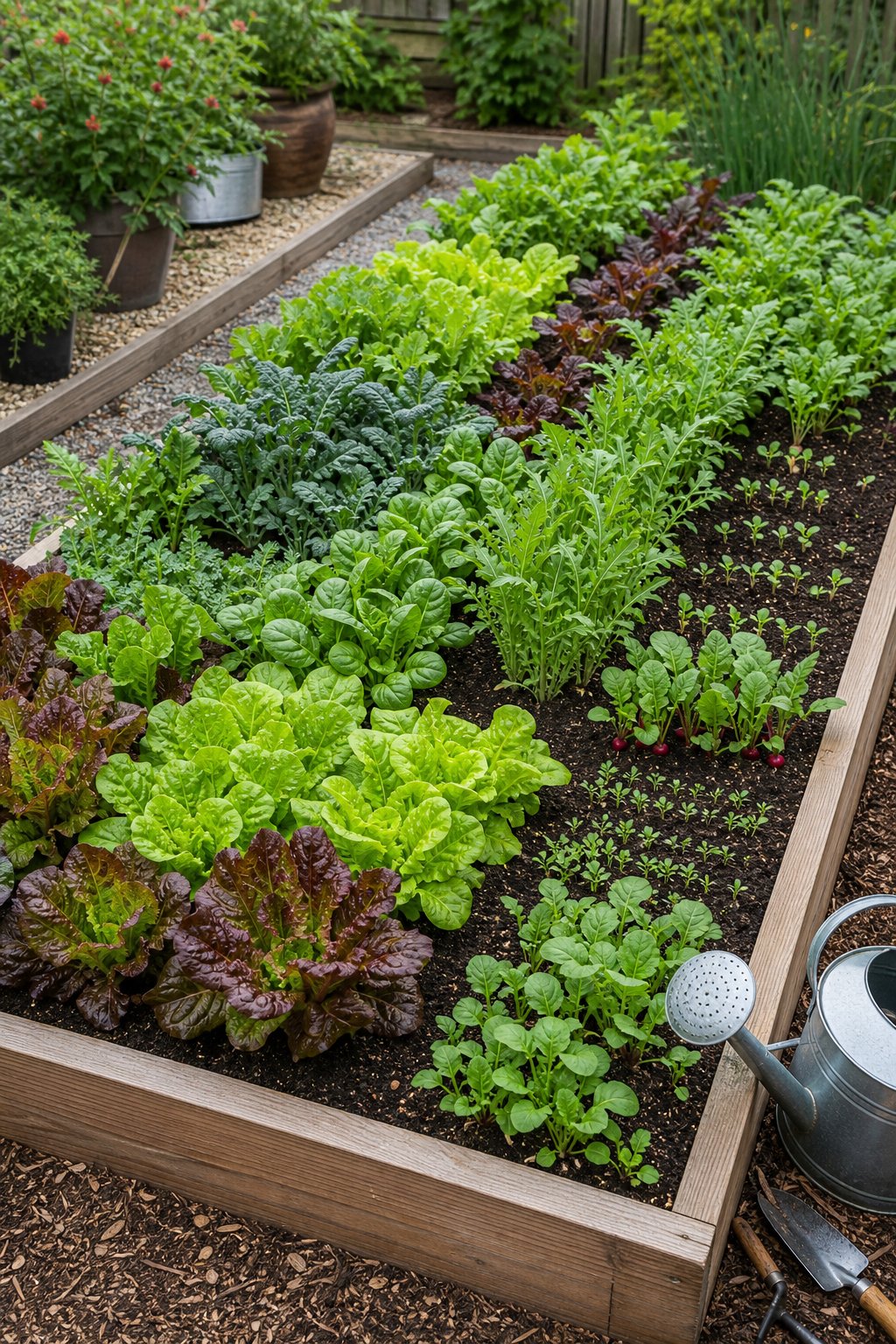
14. Succession-Planted Salad Bed for Spring Through Fall
Succession planting keeps a small salad bed producing by replacing finished crops in stages.
Sow a short row of lettuce or radishes every two to three weeks during suitable weather. As one row reaches harvest size, another is filling in behind it. Follow spring spinach with summer greens suited to heat, then plant cool-season crops for fall.
Clear spent plants before reseeding so pests and disease don’t linger. Mark each row with the sowing date, especially when several seedlings look alike. For autumn planting options, browse these fall garden vegetables ideas. Expert Tip From MrPlanter: “Plant small batches at regular intervals. Five lettuce heads every few weeks are easier to use than twenty heads at once.”
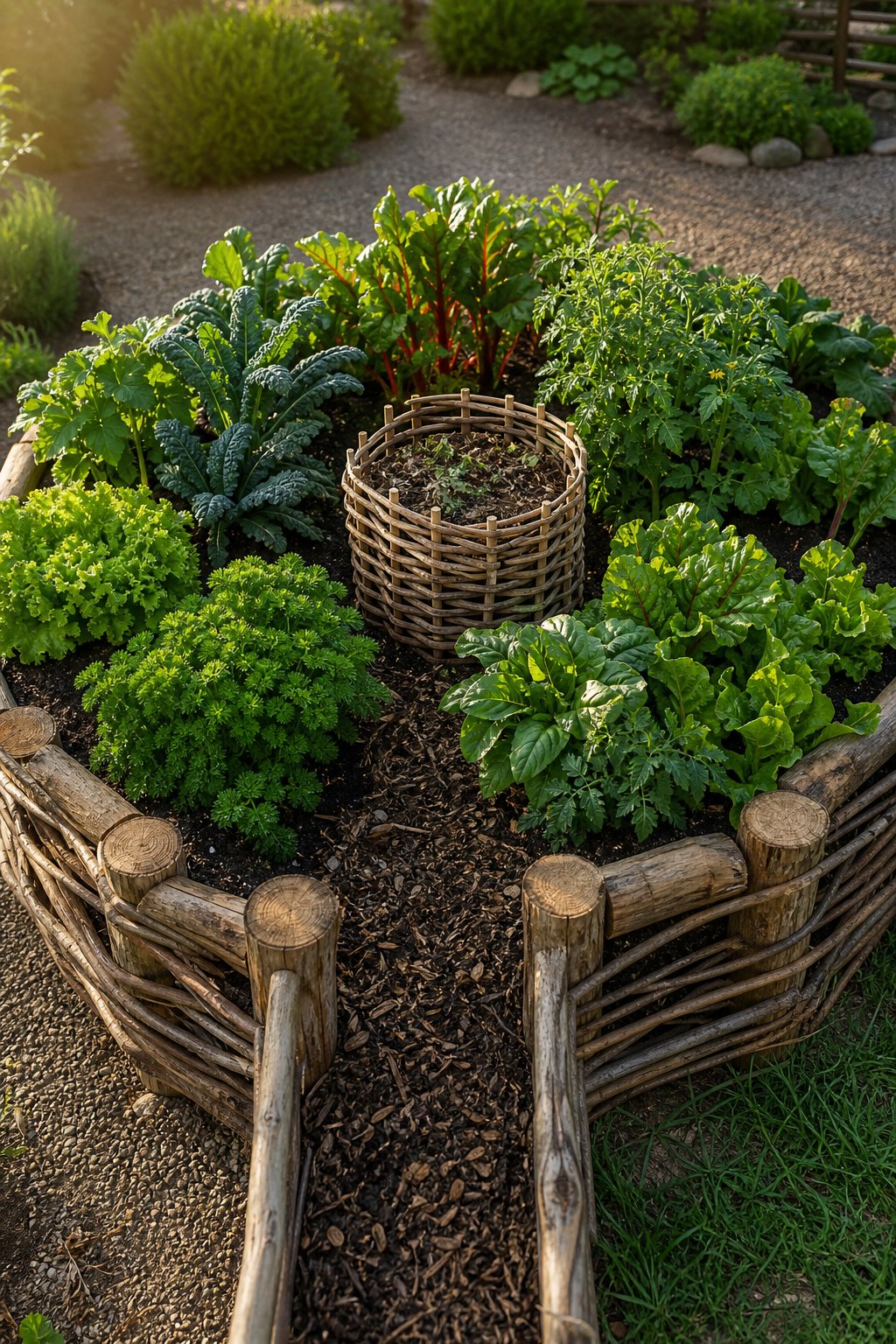
15. Keyhole Garden Bed With a Central Compost Basket
A keyhole bed puts compost, soil, and every plant within an easy walking reach.
Build a circular bed with a narrow opening leading to a central wire compost basket. Place leafy greens and herbs around the inner edge, then grow larger crops toward the outside. Add kitchen scraps and water to the basket so nutrients move gradually into nearby soil.
Keep the inner path wide enough for your feet and a small bucket. Use a deep layer of rich soil around the outer ring, where roots have more room. Trim plants that lean into the access opening. Expert Tip From MrPlanter: “Keep the compost basket open to air and rain. Small scraps break down faster when the center stays lightly damp.”
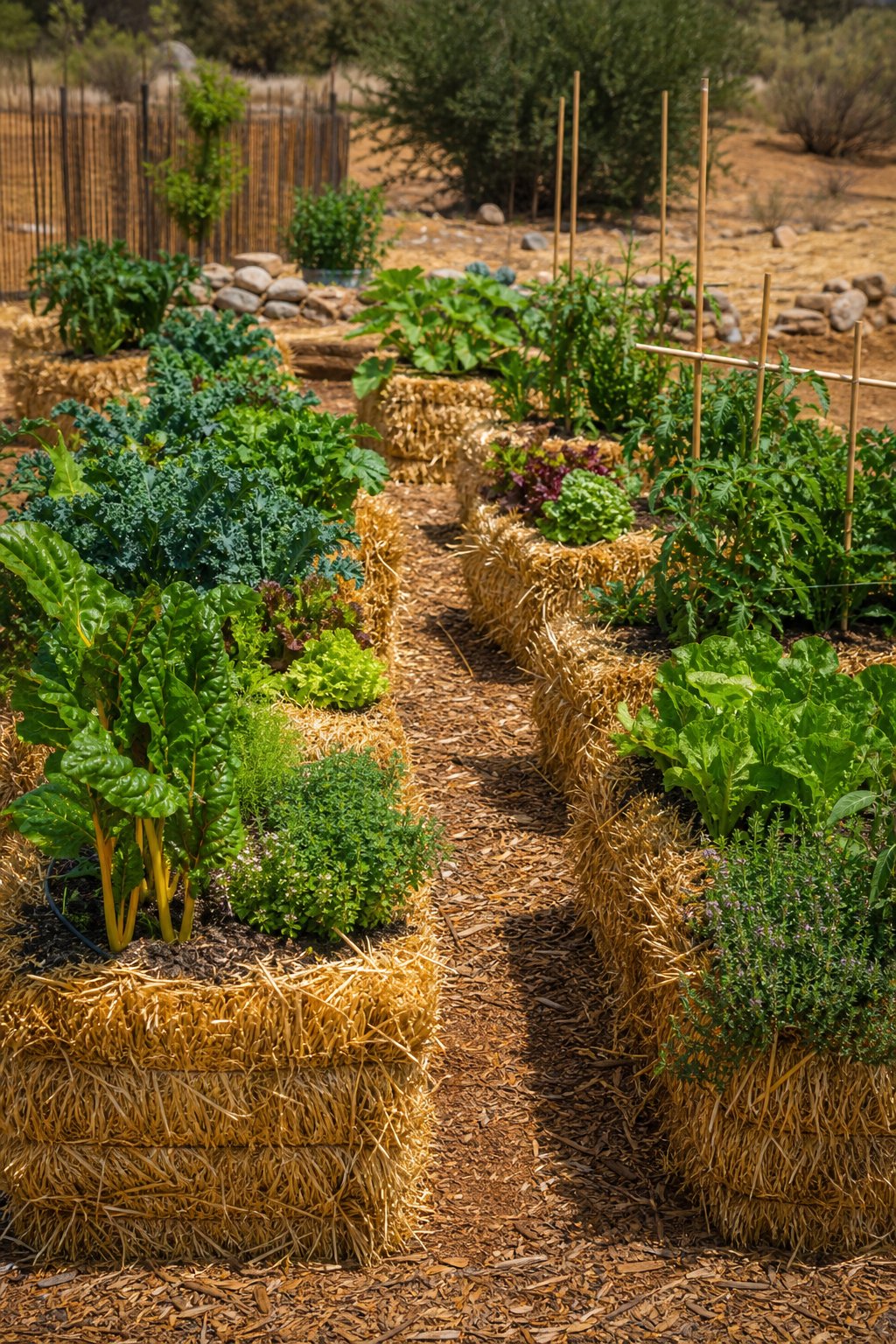
16. Straw Bale Vegetable Garden on a Poor-Soil Patch
Straw bales create a temporary growing bed when your ground is compacted, rocky, or difficult to dig.
Arrange conditioned straw bales in rows with narrow paths between them. Add compost to the top planting pockets, then grow tomatoes, peppers, cucumbers, or leafy greens. Keep the bales watered during the conditioning period and throughout the growing season because straw dries quickly.
Place the rows where runoff won’t flood the roots. Support tall tomatoes with stakes driven beside the bales, since loose straw won’t hold heavy cages well. At season’s end, compost the broken-down straw and reuse the space. Expert Tip From MrPlanter: “Choose clean straw without weed seeds or chemical treatments. Ask the supplier what crop the straw came from before buying.”
How to Choose the Right Small Garden Layout
Choose a layout by matching sunlight, yard shape, and your available care time.
Layout
Best use
Sun need
Water effort
Cedar raised bed
Mixed crops
6+ hours
Medium
Fence trellis
Beans and cucumbers
6+ hours
Medium
Stock tank
Salad greens
4-6 hours
Medium
Grow bags
Root crops
6+ hours
High
Keyhole bed
Mixed planting
6+ hours
Low-medium
How Much Direct Sun Does the Site Receive?
Track sunlight across one clear day before placing your garden. Fruiting crops such as tomatoes, peppers, beans, and cucumbers need about six to eight hours of direct sun. Lettuce, spinach, kale, and herbs tolerate four to six hours, especially where afternoons run hot.
Watch for seasonal shadows from fences, trees, homes, and sheds. A spot that looks sunny in May can lose hours of light by late summer as the sun’s path shifts.
Which Layout Fits Your Yard’s Shape and Foot Traffic?
Use a 4×4-foot bed in an open patch, a narrow strip beside a fence, or containers along a wall. Leave paths wide enough for your feet, hose, wheelbarrow, and harvest basket. Beds wider than your reach force you to step into soil and compact the root zone.
An L-shaped bed works around patios, while a triangle suits a corner. Map the space with garden hose or cardboard before building anything permanent.
What Can You Realistically Water and Maintain?
Match the garden size to your watering routine. Containers and grow bags need frequent checks in hot weather, while mulched raised beds hold moisture longer. Drip tubing, soaker hoses, or a nearby tap reduce daily effort.
Choose fewer crops that your household eats regularly. A small bed filled with favorite vegetables earns more attention than a crowded collection of plants you rarely harvest.
Best Crops for Small Backyard Vegetable Gardens
High-yield crops with compact growth give you the most food from a small backyard garden.
Which Vegetables Deliver the Most Harvest Per Square Foot?
Leaf lettuce, spinach, arugula, radishes, scallions, and herbs fill small spaces quickly. Pole beans and cucumbers produce vertically, so they leave ground room for another crop. Cherry tomatoes and peppers keep producing from one well-fed plant across much of the warm season.
Cut leafy greens a few leaves at a time. Sow radishes and salad greens in small batches so harvests arrive steadily.
Which Compact Varieties Work Best in Containers and Beds?
Look for labels such as bush, dwarf, patio, compact, or determinate. Patio tomatoes, bush beans, mini peppers, short carrots, and small cucumbers fit containers and narrow beds. Choose a pot at least 12 inches deep for peppers and bush beans, and 20 inches deep for tomatoes.
Give sprawling plants a trellis or cage as soon as you plant them. Early support keeps the footprint controlled.
What Can You Plant in Partial Shade?
Spinach, lettuce, kale, arugula, mustard greens, chives, parsley, cilantro, and mint handle partial shade better than fruiting crops. Aim for bright morning light and protection from intense afternoon heat. Growth slows in deeper shade, so use young leaves for salads and cooking.
Rotate containers toward available light and thin seedlings early. Crowded greens stretch toward the sun and dry unevenly.
Small-Garden Planning Mistakes to Avoid
Small gardens lose productivity when access, plant height, and planting dates receive too little attention.
Why Paths and Access Matter More Than You Think
A path lets you water, weed, inspect leaves, and harvest without stepping on soil. Make main routes about 2 feet wide, with smaller gaps sized for your hands and tools. Place frequently harvested herbs and salad greens beside the easiest route.
Use pavers, wood chips, or gravel to create firm footing. Keep hoses away from sharp corners and add edging where mulch tends to spill.
How to Prevent Tall Crops From Shading Everything Else
Put tall plants on the north side of a bed, or place trellises along a fence that receives strong light. Stake tomatoes early and prune only as needed to improve airflow. Check the shadow pattern as plants mature, since a seedling’s small shadow gives little warning.
Plant low greens on the sunnier side of supports. Reserve shaded edges for crops that handle less direct light.
When to Use Succession Planting Instead of Overcrowding
Sow quick crops in batches after earlier plants finish. This gives you repeated harvests while preserving airflow and root space. Remove spent lettuce, radishes, and spinach before planting the next row.
Keep a basic calendar with sowing dates and expected harvest windows. Empty space between plantings is useful when it prevents disease and keeps watering manageable.
I’m Anirban Saha, the Founder and Owner of MrPlanter.com. I pay the bills as a software developer, although my BTech is actually in Electronics and Communication. I really love my day job, but what gives me energy every day is interacting with my indoor plants and taking care of them. I have been successfully nurturing and maintaining houseplants for over 10 years now.
📚🔍 Our content undergoes thorough review and fact-checking before publication. For additional details, explore our strict Editorial Policy to deliver helpful content. 📝🔒