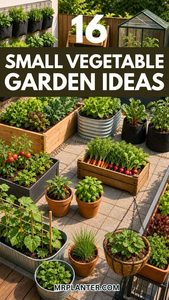
A seasonal planting calendar removes the biggest variable in gardening: timing. Once you know your hardiness zone and your last frost date, every sowing, transplanting, and harvesting window falls into place.
Timing turns a patch of dirt into dinner. Your best planting date depends on your local frost dates, soil temperature, and the crop’s tolerance for cold or heat.
Use the calendar below as a practical starting point. Shift each task to match your backyard’s microclimate.
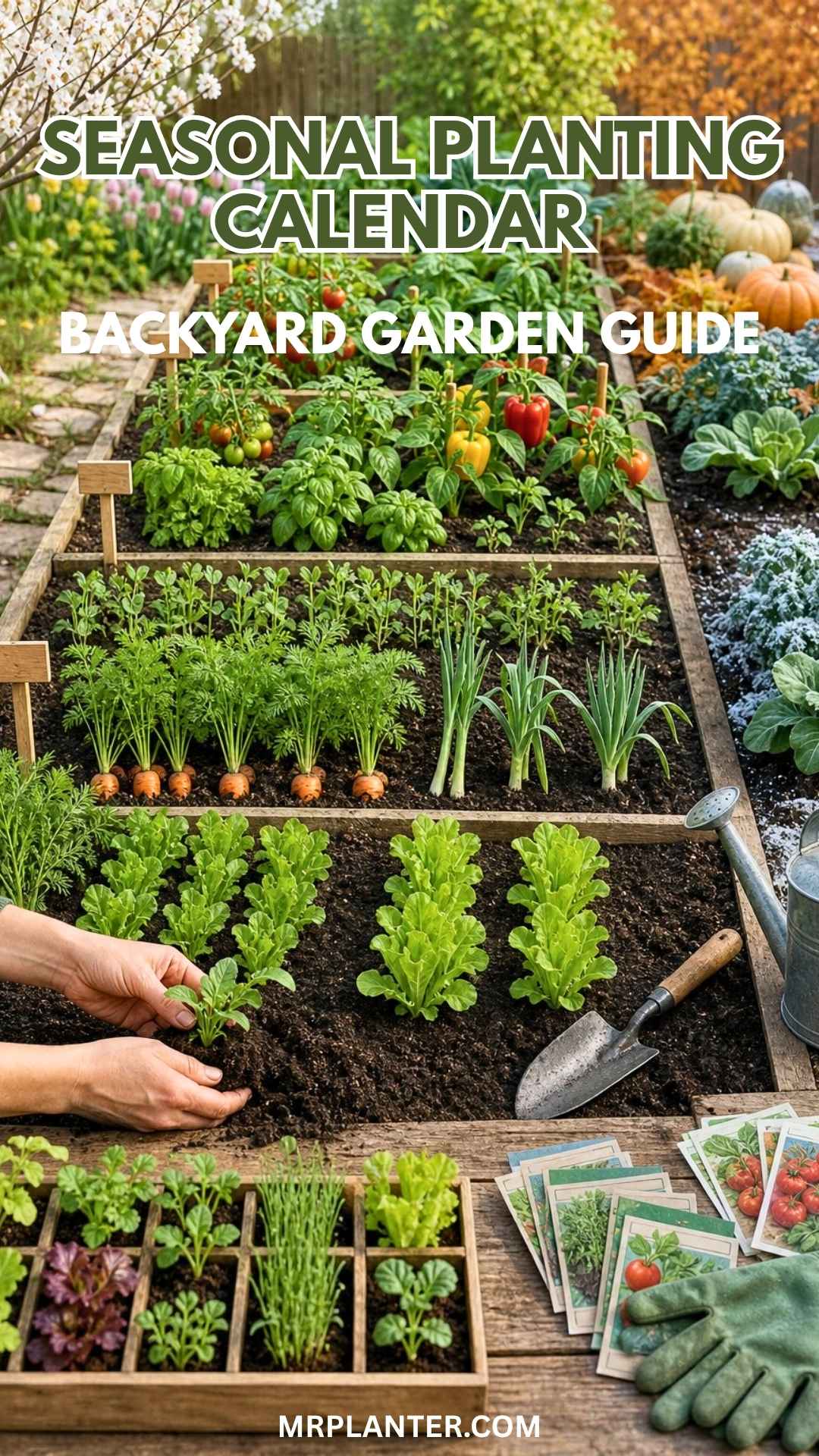
A simple rule keeps your garden on track: plant cool-season crops around frost dates, and wait for warm-season crops until both the air and soil have warmed. A sunny raised bed may run ahead of a shaded yard.
Containers can warm up or freeze faster than in-ground soil.
Key Takeaways
- Use local frost dates and soil temperature to set planting windows.
- Sow cool-season crops in spring and fall, and warm-season crops after frost danger passes.
- Keep harvests coming with succession planting, mulch, supports, and simple frost protection.
Set Your Local Growing Dates
Begin your planting calendar with two dates: the average last spring frost and the average first fall frost. Check soil temperature, because a warm afternoon does not mean tomato roots, bean seeds, or cucumber seedlings are ready for cold ground.
Find Your Last Spring Frost Date
Look up the average last frost date for your ZIP code through a local extension service, weather office, or reliable planting calendar. Treat it as a planning guide, not a promise.
Keep frost cloth nearby, since a clear, calm night can still surprise you. Count backward from that date for indoor seed starting.
Tomatoes often need six to eight weeks, while peppers and eggplants may need eight to ten weeks. Cool crops such as lettuce and peas can go outside earlier.
Identify Your First Fall Frost Date
Your first fall frost date tells you when to protect, harvest, or remove tender plants. Count backward from it to schedule fall lettuce, spinach, radishes, and other quick crops.
Write both dates on your garden calendar. Add a two-week buffer for crops that dislike cold.
In a sheltered urban yard, you may gain extra days. An exposed front yard can lose them.
Check Soil Temperature Before Planting
Push a soil thermometer two inches into the bed during the morning. Cool crops usually tolerate soil near 40 to 50°F.
Beans, corn, cucumbers, squash, and basil prefer soil closer to 60°F or warmer. If the soil is too cold, seeds may rot or sit dormant.
Waiting a few days often beats replanting an entire row. This is especially true after a wet spring.
January Through March: Plan And Start Strong
Winter planning prevents crowded beds, missing seeds, and the classic spring mistake of planting six zucchini plants for a household of two. Use these months to map space, start slow crops, and prepare cool-season beds.
January: Map Beds And Order Seeds
Sketch each bed and mark north, south, sun hours, paths, and trellises. Place tall crops where they will not shade lettuce, carrots, or herbs.
Plan at least one open space for a second planting later in the year. Order onions, leeks, parsley, and other slow-growing seeds early.
Check seed packets for days to maturity, spacing, and indoor sowing dates. Clean trays, test grow lights, and sharpen pruners while the garden is quiet.
February: Start Slow-Growing Seeds Indoors
Sow onions, leeks, broccoli, cabbage, cauliflower, and herbs indoors according to your frost date. Give seedlings strong light for 14 to 16 hours daily, gentle air movement, and evenly moist soil.
A heat mat can help peppers and other warm-loving seeds sprout evenly. Do not keep seedlings soggy.
A small fan and a drainage hole prevent many seed-starting problems before they become tiny botanical emergencies. In mild areas, you may direct-sow peas and spinach outdoors.
If the ground remains frozen or waterlogged, maintain tools and wait.
March: Prepare Beds And Sow Cool-Season Crops
Add finished compost to the beds without burying plant stems or piling it against seedlings. Direct-sow peas, spinach, lettuce, radishes, carrots, beets, and potatoes when the soil can be worked.
Harden indoor seedlings by placing them outside for a few hours in a sheltered spot, adding time over seven to ten days. Use row covers or a cold frame for lettuce, kale, and young brassicas.
Keep covers secured, since spring wind has a talent for redecorating yards.
April Through June: Fill The Garden
Spring shifts from preparation to steady planting. Protect young crops from cold snaps, then fill open spaces with warm-season vegetables as frost danger fades.
April: Plant Leafy Greens, Roots, And Peas
Sow lettuce, kale, spinach, peas, radishes, carrots, and beets in many regions. Plant potatoes when the soil is workable, and cover young seedlings if frost threatens.
Begin hardening off tomatoes, peppers, eggplants, and basil, though you may need to keep them indoors at night. Add a light mulch after seedlings are established.
Mulch helps hold moisture. Applying it to cold, wet soil can slow warming.
May: Transplant Warm-Season Favorites
After your local last frost and a suitable soil temperature, transplant tomatoes, peppers, eggplants, cucumbers, and squash. Direct-sow beans, corn, melons, and summer flowers such as zinnias, cosmos, and sunflowers.
Set tomato supports in place at planting time. Do not wait until the plants have already become a leafy jungle.
Water deeply at the base, and watch the forecast for late frosts. If a cold night appears, cover plants with frost cloth or an upside-down container.
Remove protection in the morning.
June: Mulch, Support, And Succession Sow
Mulch warm beds once the soil has warmed and plants are growing. Use straw, shredded leaves, or untreated grass clippings in a thin layer, keeping mulch away from stems.
Tie tomatoes and climbing beans before they flop. Sow another round of lettuce, basil, cilantro, radishes, or bush beans every two to three weeks where space allows.
Harvest often to encourage more growth, especially with beans, basil, and leafy greens.
July Through September: Harvest And Replant
Summer asks you to harvest often, water deeply, and make room for fall crops. Keep seeds moist during hot weather.
Use shade cloth for tender seedlings when afternoon heat feels more suited to frying eggs than growing lettuce.
July: Keep Summer Crops Productive
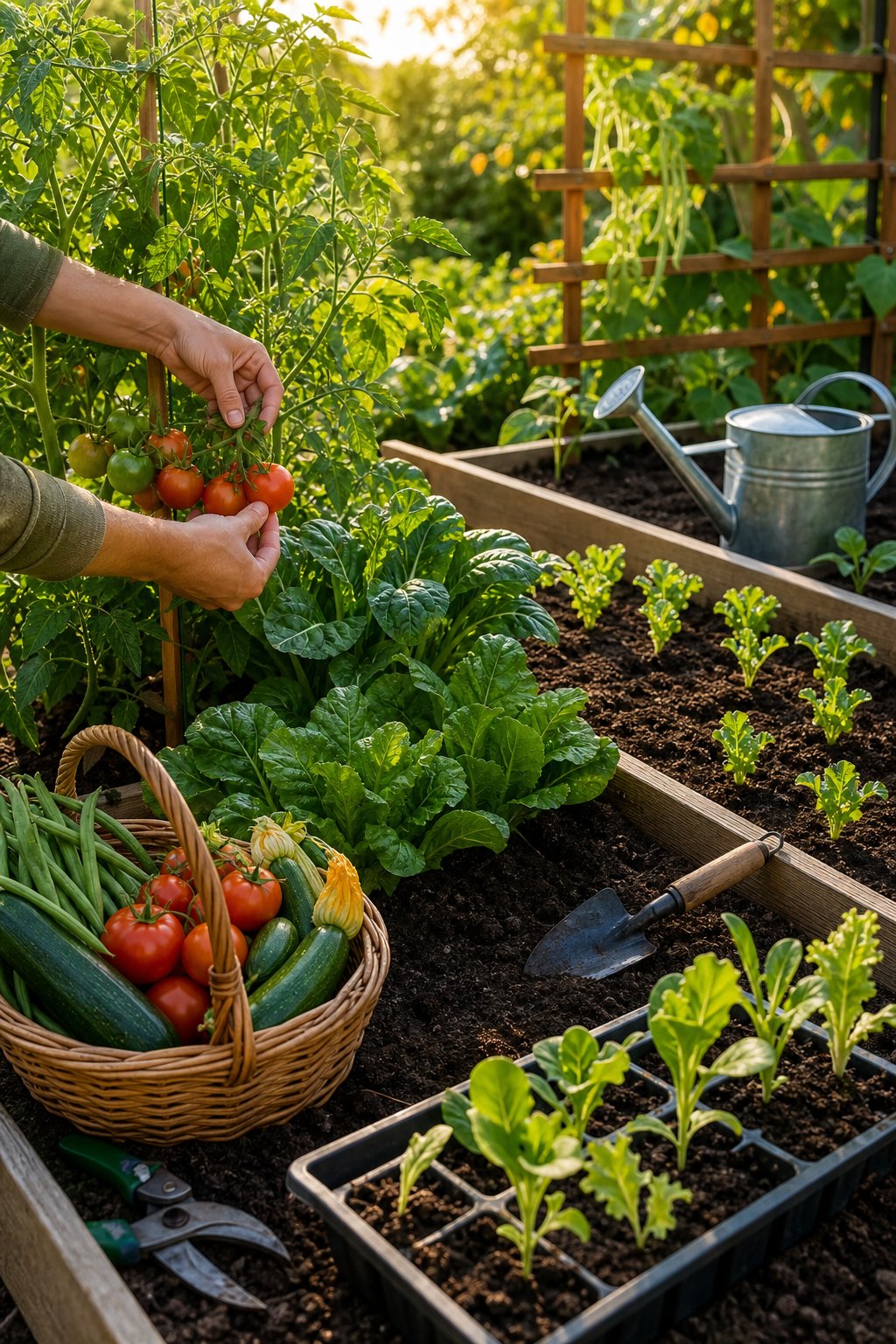
Pick beans, cucumbers, zucchini, and tomatoes as soon as they reach usable size. Frequent harvesting keeps plants producing.
Prevent one oversized zucchini from becoming patio furniture. Water deeply in the morning, aiming moisture at the soil instead of the leaves.
Refresh mulch, check tomato ties, and inspect the undersides of leaves for pests. In warm climates, start broccoli, Brussels sprouts, kohlrabi, and other fall crops indoors or in a shaded nursery area.
August: Start Fall Vegetables
Direct-sow turnips, collards, arugula, radishes, and fall greens. Start broccoli, cabbage, and cauliflower for transplanting if your fall season allows enough growing time.
Keep new seeds damp with light watering once or twice daily during hot spells. A board or piece of cardboard over a seed row can hold moisture.
Remove it as soon as seedlings appear. Pull weeds weekly before they claim the bed and your watering budget.
September: Plant Garlic And Cool-Weather Crops
Plant garlic, shallots, and onions in regions where fall planting gives roots time to develop before deep winter. Sow spinach and lettuce for fall harvest, using row covers as nights cool.
Remove spent summer plants, especially those with disease. Compost healthy debris, while you should discard diseased leaves and vines according to local rules.
Add compost to empty beds. Leave healthy roots in place when practical.
October Through December: Protect And Prepare
Cool weather does not mean the garden has closed for business. Frost covers, mulch, and good cleanup habits can extend harvests while giving you a clearer plan for next spring.
October: Extend Harvests With Simple Covers
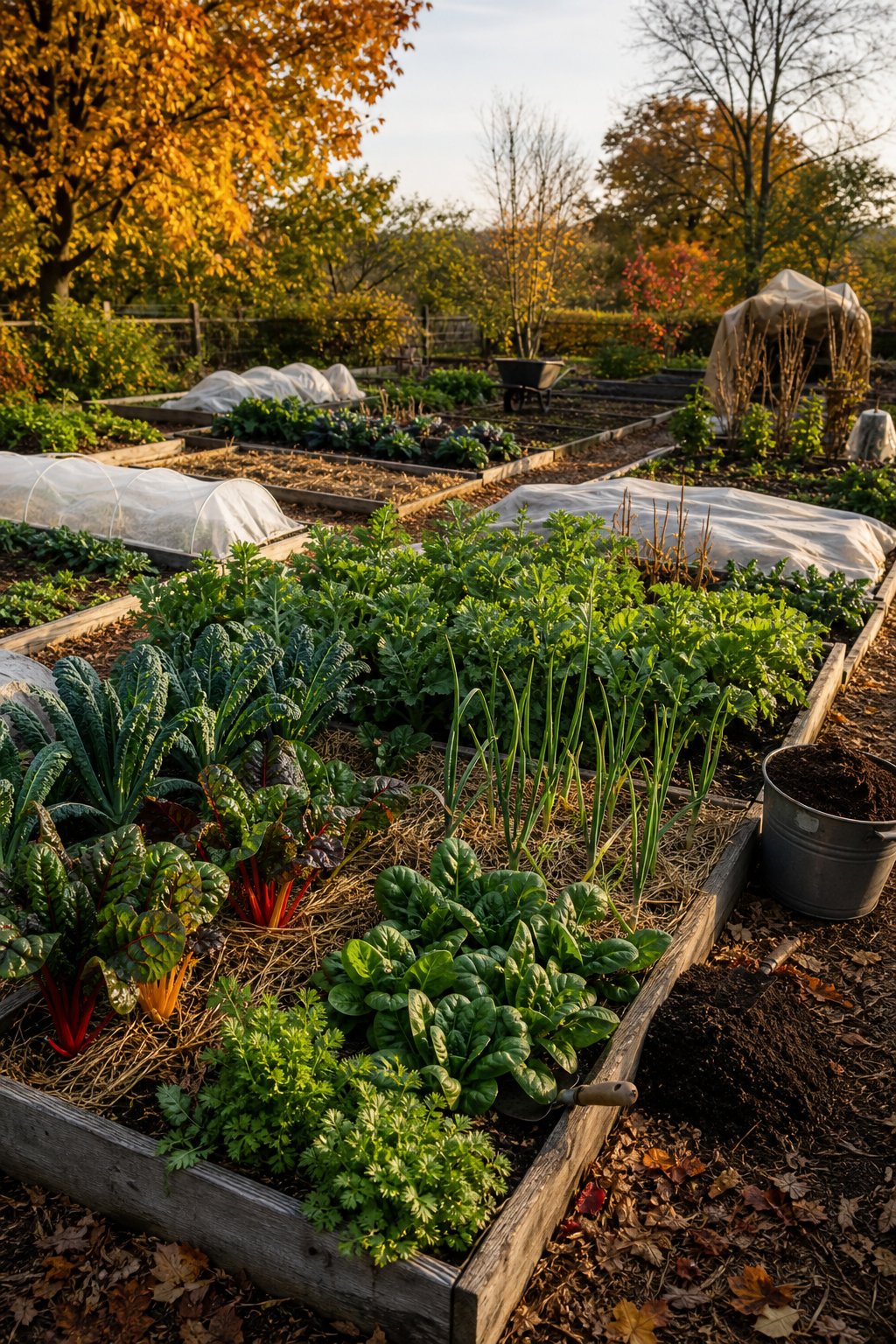
Cover lettuce, spinach, kale, carrots, and herbs with frost cloth, low tunnels, or a cold frame. Harvest tender herbs before a hard freeze.
Bring potted rosemary or other plants indoors if they have enough light. Plant garlic in areas with a suitable fall window.
Sow a cover crop such as rye, clover, or vetch in empty beds. Choose a crop that fits your space and plan to cut it before it sets seed.
November: Clean Up Without Overdoing It
Remove diseased plants, fallen fruit, and weeds that could shelter pests. Leave healthy stems, seed heads, and some leaf litter where they provide food or cover for beneficial insects.
Spread compost over bare beds and add a protective layer of shredded leaves or straw. Clean and sharpen tools.
Empty hoses before freezing weather, and store stakes where you can find them next spring.
December: Rest Beds And Review Notes
Review your planting dates, harvest amounts, pest problems, and varieties that performed well. Notes such as “beans loved the east bed” or “tomatoes needed earlier support” are far more useful than relying on springtime optimism.
Order seeds for the coming year, check stored bulbs and seeds, and collect soil samples if a test is needed. Winter is also a good time to revise bed layouts, rotate crop families, and plan one experiment without turning the whole garden into a science fair.
Make Every Bed Work Harder
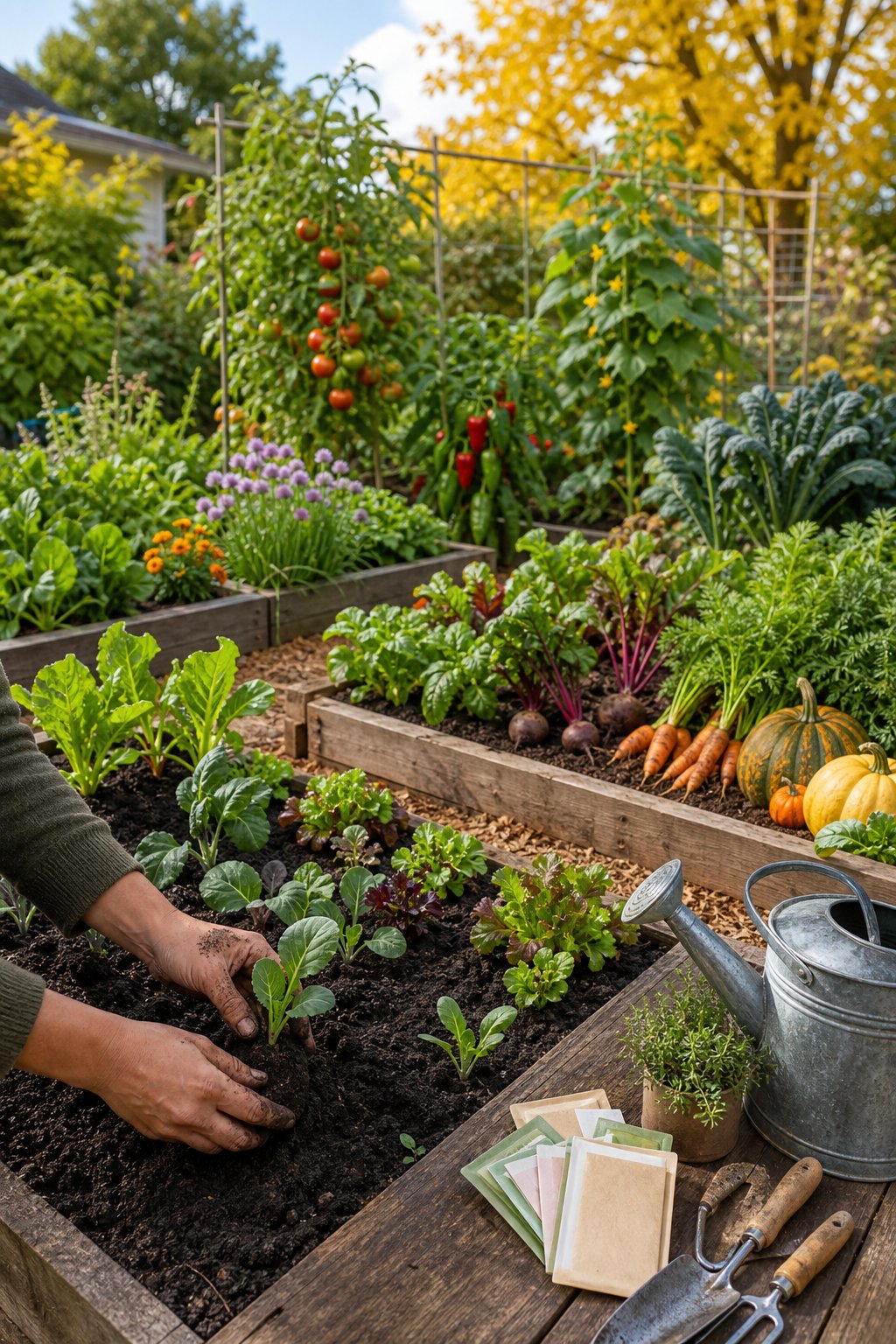
A productive backyard garden depends on more than planting once in spring. You can gain extra harvests by reusing open space, placing crops according to sunlight, and adjusting dates for the way your beds hold heat.
Use Succession Planting For Longer Harvests
Sow small amounts of fast crops every two or three weeks instead of planting one giant row. Lettuce, radishes, cilantro, spinach, bush beans, and carrots work well with this approach.
Replant after a crop finishes. Follow spring peas with beans or fall greens, and replace early lettuce with basil or a compact cucumber.
Keep a simple note of sowing dates so you know which gaps are truly available.
Match Crops To Sun Exposure
Place tomatoes, peppers, squash, cucumbers, and corn where they receive at least six to eight hours of sun. Leafy greens, parsley, cilantro, and many herbs can handle morning sun with some afternoon shade.
Watch your yard through the seasons. A spot that gets full sun in March may sit beneath a tree’s summer canopy.
Trellising cucumbers and beans can save ground space. The structure may cast shade on nearby crops.
Adjust The Schedule For Containers And Raised Beds
Raised beds often warm and drain earlier than ground soil. You may plant slightly sooner after you check temperatures.
They also dry faster. You should inspect moisture more often during hot weather.
Containers heat and freeze quickly. Choose compact varieties and use drainage holes.
Group pots during cold nights. Dark containers can overheat roots in summer.
Light-colored pots or afternoon shade can reduce stress.
Frequently Asked Questions on Seasonal Planting Calendar
What vegetables should I plant this month in my area?
Start with your local frost dates and current soil temperature. Consider the crop’s preferred season. Cool crops such as peas, spinach, lettuce, and radishes suit cold weather. Tomatoes, beans, peppers, cucumbers, and squash need warmer soil.
How do I find the right planting dates using my ZIP code and frost dates?
Enter your ZIP code into a trusted local planting calendar. You can also contact your county extension office to find average frost dates. Count backward for indoor seed starting. Count forward from the last spring frost for tender transplants.
Which crops can I start indoors before the outdoor planting season begins?
Start onions, leeks, parsley, broccoli, cabbage, cauliflower, peppers, eggplants, and tomatoes indoors. Check each seed packet for timing. Provide strong light so seedlings do not become tall and weak.
What can I plant in the garden after my last spring frost, without tempting fate?
Wait until frost danger has passed and soil temperatures suit the crop. Move beans, corn, cucumbers, squash, basil, tomatoes, peppers, and eggplants outdoors once conditions are warm. Keep frost cloth ready for an unexpected cold night.
How should I rotate crops from season to season to keep my soil happy?
Avoid placing the same plant family in the same bed year after year. Rotate tomatoes, peppers, and eggplants away from their old spot. Follow heavy feeders with crops such as beans or leafy greens.
Can moon phases or Farmers’ Almanac planting dates actually help plan my garden?
Moon phases and Farmers’ Almanac planting dates can provide reminders and a fun planning tradition. Local frost dates, soil temperature, sunlight, and rain matter more. Check your yard’s actual conditions first, and then use those sources as secondary guidance.