Your outdoor garden does not need a perfect gardener. It needs the right plant in the right place, healthy soil, steady moisture, and regular attention. Once you learn to read leaves, soil, weather, and sunlight, plant care becomes much less like guesswork and much more like a friendly conversation with your yard.
Choose plants that fit your climate, water when the soil calls for it, and check your garden often so small problems stay small. You can keep flowers, shrubs, vegetables, and container plants healthy with a few repeatable habits.
Key Takeaways
- Pick plants that fit your hardiness zone, sunlight, and soil.
- Water deeply after checking moisture, then adjust for weather.
- Watch for stress, pests, and disease before they spread.
Start With The Right Plant And Place
The easiest plant to care for is one that already suits your yard. Check your local climate, observe sunlight for a full day, and select varieties that can handle the soil you have or can reasonably improve.
Match Plants To Your USDA Hardiness Zone
Your USDA Hardiness Zone shows the coldest winter temperatures your area usually experiences. Use it as a starting point when choosing perennials, shrubs, trees, and vegetables.
A plant rated for a warmer zone may die during winter, even if it grows well through summer. Read the plant tag for its zone range, mature size, water needs, and preferred sun. Native plants and regional varieties often handle local weather with less fuss.
Read Sunlight Patterns Before Planting
Watch the proposed planting spot from morning through late afternoon. Full sun usually means at least six hours of direct light, while partial shade often means about three to six hours.
Notice changes caused by fences, trees, buildings, and seasonal sun angles. A spot that looks sunny in May may sit in shade by August. Place sun-loving plants in open areas, and reserve bright shade for plants that scorch in intense afternoon light.
Choose Soil-Tolerant Varieties
Test your soil before adding lime, sulfur, or large amounts of fertilizer. A basic soil test can show pH and nutrient levels, while a simple drainage test reveals whether water disappears quickly or sits near the surface.
If your soil is heavy clay, choose plants that tolerate wet, compact ground or improve the bed with compost. For sandy soil, add organic matter and select plants that handle faster drying. Matching plants to your existing conditions saves time and prevents a constant battle with nature.
Build Healthy Soil And Plant Correctly
Healthy roots need air, moisture, nutrients, and room to grow. Improve poor soil gradually, plant at the correct depth, and use mulch as a protective blanket rather than a volcano around each stem.
Test Drainage And Improve Soil Structure
Dig a hole about 12 inches deep and fill it with water. Let it drain, then fill it again and watch how quickly the water drops. Water that remains for many hours may signal poor drainage, while water that vanishes almost at once may point to sandy soil.
Mix finished compost into the top few inches of a bed rather than creating a rich pocket around each plant. Compost improves crumbly structure and supports soil life. Avoid working wet clay, since digging it can create hard clumps that roots struggle to enter.
Plant At The Proper Depth And Spacing
Set most plants at the same depth they grew in their nursery container. Keep the top of the root ball level with the surrounding soil, and never bury the trunk flare of a tree or shrub.
Give plants their full mature spacing, even if the bed looks a little empty at first. Crowded plants compete for water and air, and dense foliage dries slowly after rain. That creates a cozy hotel for fungal disease.
Mulch Without Smothering Stems
Spread two to three inches of organic mulch over bare soil. Shredded bark, leaves, and straw help conserve moisture, reduce weeds, and soften temperature swings.
Leave a few inches of open space around stems and trunks. Mulch touching bark can trap moisture and invite rot or pests. Refresh thin areas as needed, but do not pile new mulch over thick, packed layers.
Water Deeply Without Drowning Roots
Plants usually suffer from inconsistent watering, not from a lack of a perfect calendar. Check the soil, water slowly enough to reach the root zone, and change your routine after rain, heat, or cool weather.
Check Moisture Before Reaching For The Hose
Push your finger two to three inches into the soil near the plant, not directly against the stem. If the soil feels cool and damp, wait. If it feels dry and crumbly, water thoroughly.
For deep beds, use a trowel to inspect moisture below the surface. A dry surface does not always mean thirsty roots, especially under mulch. Wilting at midday can also result from heat, so check the soil before assuming drought.
Create A Weather-Smart Watering Routine
Water in the morning when possible. Cooler air reduces evaporation, and leaves have time to dry if they get splashed.
Give new plantings more frequent checks during their first growing season. Established shrubs and perennials often need a slow, deep soak once the upper soil dries. Reduce watering after steady rain, and check containers more often because they dry faster than garden beds.
Use Soaker Hoses And Drip Irrigation Effectively
Soaker hoses and drip lines deliver water near the roots while keeping foliage drier. Lay them under mulch, run them slowly, and check the soil afterward to confirm the water is reaching the intended depth.
A quick test with a trowel works well. If only the top inch is wet, increase the run time rather than watering for a few minutes every day. Fix leaks and clogged emitters before assuming a plant has another problem.
Feed Plants Without Overfertilizing
Fertilizer cannot repair poor light, damaged roots, or constant drought. Feed only when plants show a real need or when a soil test recommends it, and follow the product label instead of guessing with an extra scoop.
Know When Nutrients Are Actually Needed
Slow growth, pale leaves, or weak flowering can signal low nutrients, though these signs also appear with shade, root damage, cold, or excess water. Test the soil before treating a garden bed.
Avoid feeding drought-stressed or newly transplanted plants right away. Their roots need time to recover. Water the soil first when it is dry, then wait for fresh growth before considering a light application.
Use Compost And Slow-Release Fertilizers Safely
Finished compost provides organic matter and small amounts of nutrients without the sharp burst that can burn roots. Apply a thin layer around plants, keeping it away from stems.
Slow-release fertilizer can reduce feeding mistakes, especially in beds with mixed plants. Measure carefully, keep granules off leaves, and water after applying if the label instructs you to do so. Too much fertilizer may cause brown leaf edges, excessive soft growth, or a crust of salts on the soil.
Spot Trouble Before It Spreads
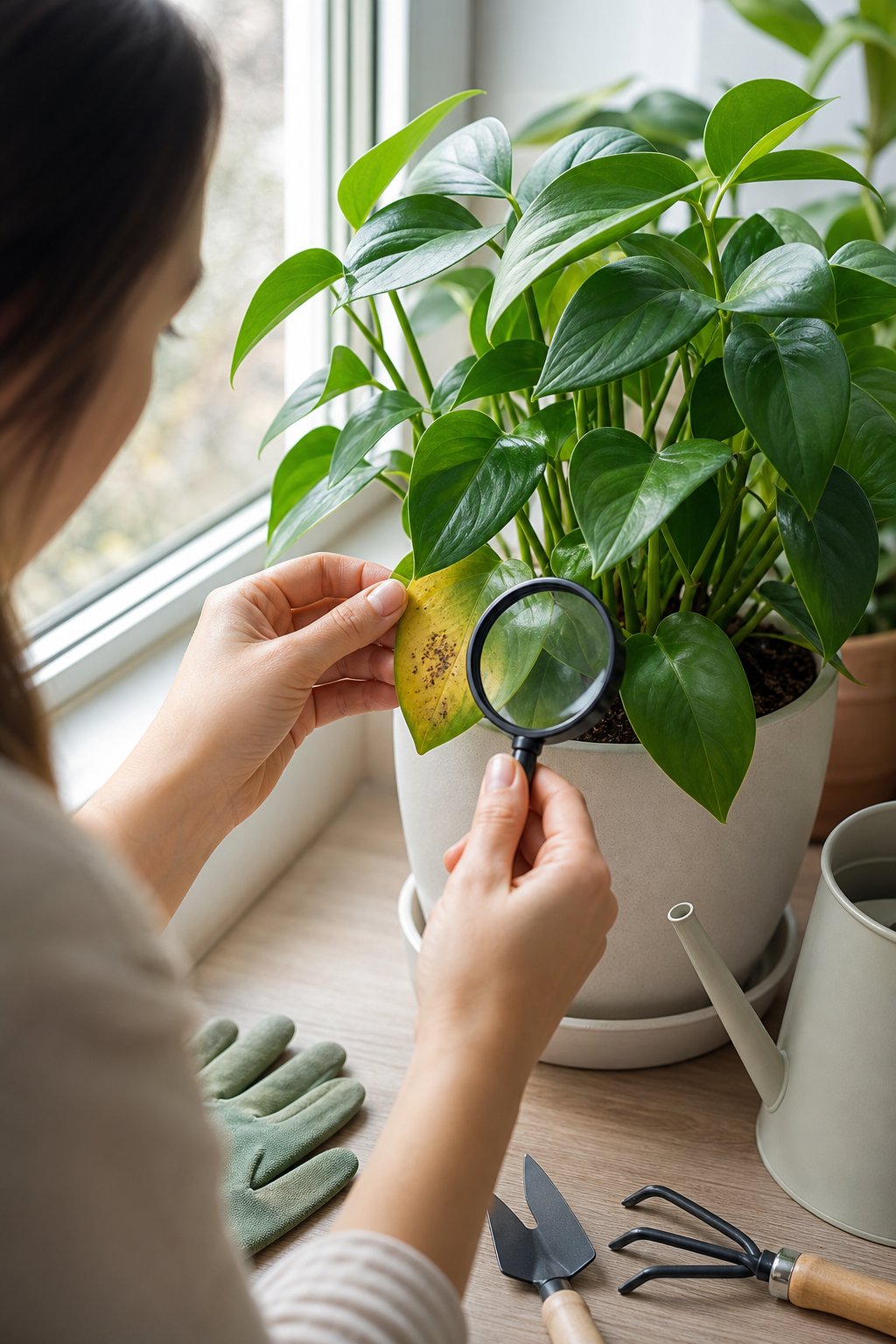
A weekly garden walk catches problems while they are still manageable. Look beneath leaves, check stems and soil, and compare a struggling plant with a healthy one nearby.
Recognize Heat Stress, Drought, And Overwatering
Heat and drought can cause limp leaves, dry edges, flower drop, and cracked soil. Water deeply when the soil is dry, add mulch, and provide temporary shade for delicate new plantings during severe heat.
Overwatering often produces yellow lower leaves, soft stems, slow growth, and sour-smelling soil. Check drainage and let the soil dry to the plant’s preferred level before watering again. Do not respond to every yellow leaf with more water.
Identify Common Outdoor Pests And Diseases
Inspect new growth for aphids, mites, whiteflies, caterpillars, and chewed edges. A strong spray of water can remove many small pests, while handpicking works well for larger insects.
Spots, mildew, and blackened tissue may signal disease. Remove badly affected leaves, improve air movement, water at the soil line, and clean pruners between cuts. Identify the cause before using a treatment, since the wrong product can harm helpful insects and nearby plants.
Prune Damaged Growth And Support Weak Stems
Use clean, sharp pruners to remove broken, dead, or diseased growth. Cut just above a healthy bud or branch junction, and avoid removing more than one-third of a plant at one time.
Stake tall flowers and young shrubs before they flop. Tie stems loosely with soft material, leaving room for movement and growth. A support should help the plant stand, not hold it in a rigid pose like a garden statue with stage fright.
Keep The Garden Going Through The Seasons
Your care routine should change with temperature, rainfall, and plant growth. Protect roots during harsh weather, reduce stress before winter, and avoid treating every season as if it were midsummer.
Adjust Care During Heat Waves And Heavy Rain
During heat waves, check containers and young plants daily. Water early, add mulch, and use shade cloth for plants that show scorching or afternoon wilt.
After heavy rain, inspect beds for standing water, washed-out soil, and leaning stems. Clear blocked drainage paths and avoid walking on saturated soil. Roots need oxygen, and wet soil can compact under your shoes.
Prepare Perennials, Shrubs, And Beds For Winter
Remove diseased plant material before winter, while leaving healthy stems when they provide shelter or winter interest. Water trees and shrubs deeply before the ground freezes if autumn has been dry.
Add a light layer of mulch after the soil cools, not while it is warm and damp. Protect tender shrubs with breathable fabric during severe cold, and avoid wrapping plants in plastic. Mark dormant perennials so you do not mistake them for empty spaces and plant directly on top of them in spring.
Frequently Asked Questions
What are the three basic things every plant needs to stay alive?
Most plants need suitable light, water, and air-filled soil. They also need the right temperature and nutrients, though those needs vary by plant and season.
How often should beginners water indoor plants without accidentally drowning them?
Check the soil rather than following a fixed schedule. Water when the upper soil has dried to the depth your plant prefers, then soak thoroughly and let excess water drain away.
What is the easiest way to tell if a houseplant needs more light?
Look for pale new growth, long gaps between leaves, leaning stems, and slow growth. Move the plant closer to a bright window gradually, or add a grow light if natural light remains weak.
Which houseplants are hardest to kill for first-time plant parents?
Snake plants, ZZ plants, pothos, and spider plants tolerate common beginner mistakes. They still need drainage and suitable light, so “hard to kill” does not mean impossible to harm.
How can I keep my plants alive while I’m away for a long trip?
Water thoroughly before leaving, move containers away from intense afternoon sun, and group plants by similar light needs. For longer trips, use a tested self-watering setup or ask someone to check soil moisture rather than watering blindly.
What are the most common beginner mistakes that make houseplants dramatically give up?
The biggest mistakes are watering on a calendar, using pots without drainage, placing plants in poor light, and fertilizing a stressed plant. Sudden moves, cold drafts, and ignoring pests can also turn a small issue into a dramatic leaf-drop performance.